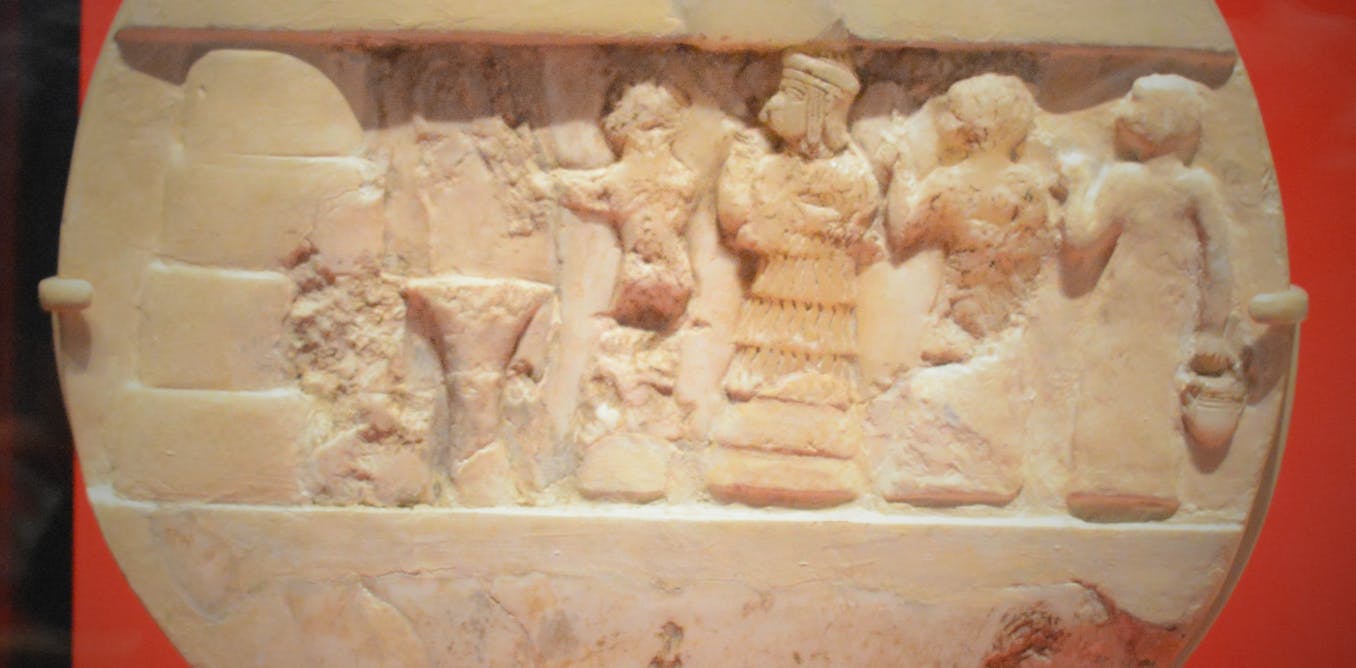
The ancient Greeks had a word for an object that is a remedy in one hand and poison in the other, depending on how it’s administered: pharmakon. Socrates used it in Plato’s Phaedrus, more than two millennia before Claude, Perplexity, or the AI-detection tool Pangram existed, to describe writing itself.
Plato recounts an Egyptian myth in which the god Theuth presents writing to King Thamus as a pharmakon — an “elixir,” or remedy, for memory (mnēmē) and wisdom (sophia). Thamus is not persuaded. Writing, he answers, will instead produce forgetfulness: by relying on external marks, people will neglect their own memory. It is, he says, a pharmakon not of mnēmē but of hypomnēsis — not memory itself, but only an aid to recollection — and one that may furnish the appearance of wisdom without genuine understanding.
The French philosopher Jacques Derrida returned to that passage in his 1968 essay Plato’s Pharmacy, arguing that pharmakon cannot be fixed as either remedy or poison: the same tool that preserves and extends thought can also displace the faculty it is meant to support. That is generative AI’s dilemma, revived. Used by someone with knowledge and judgment, it can help retrieve, organize, test, and revise ideas; used as a substitute for those capacities, it can produce fluent prose without understanding.