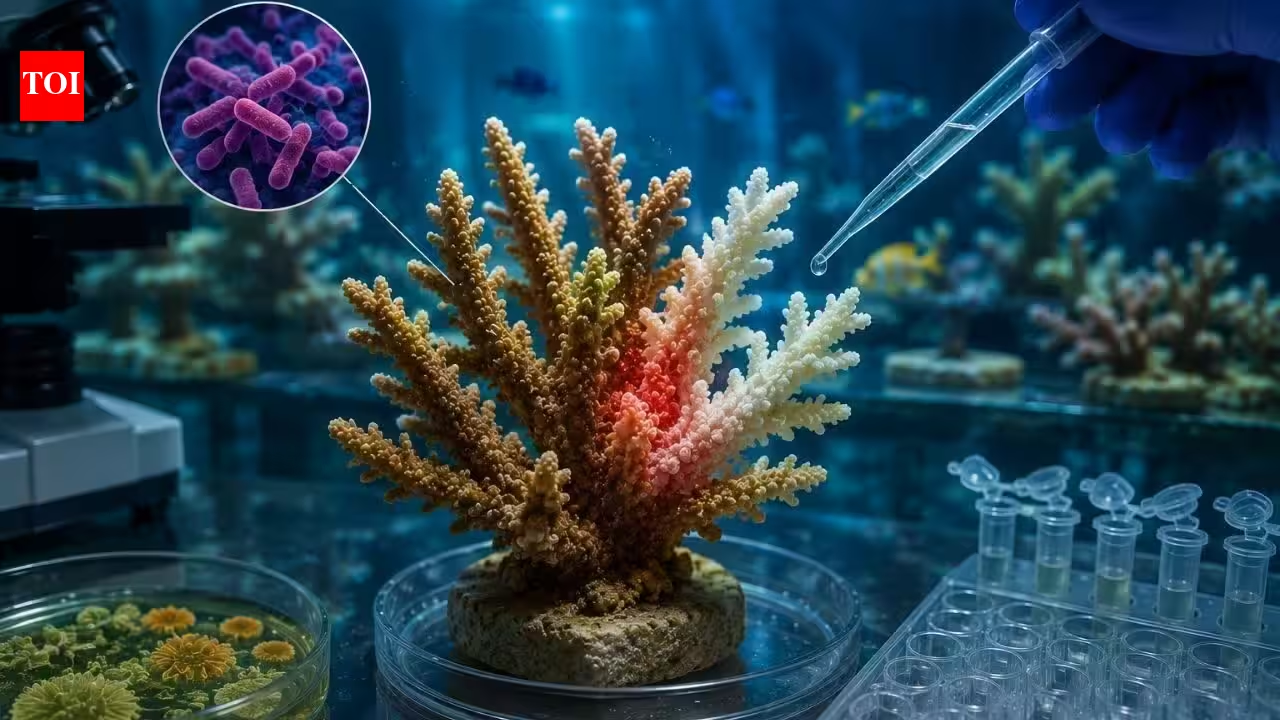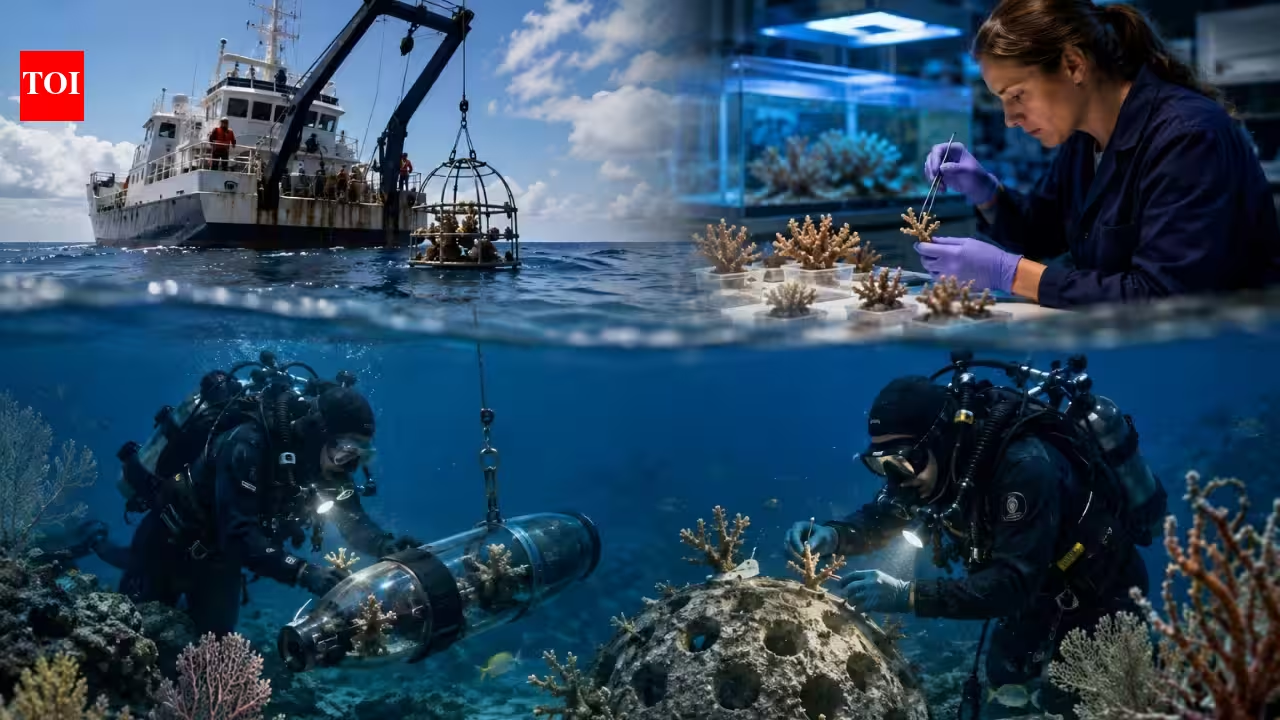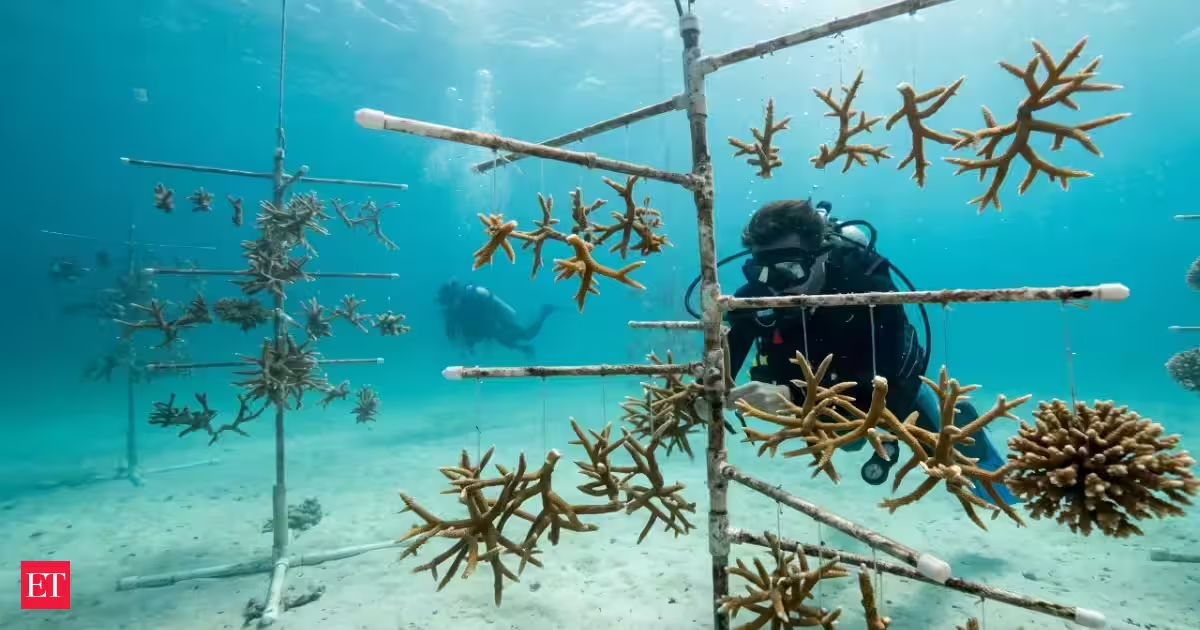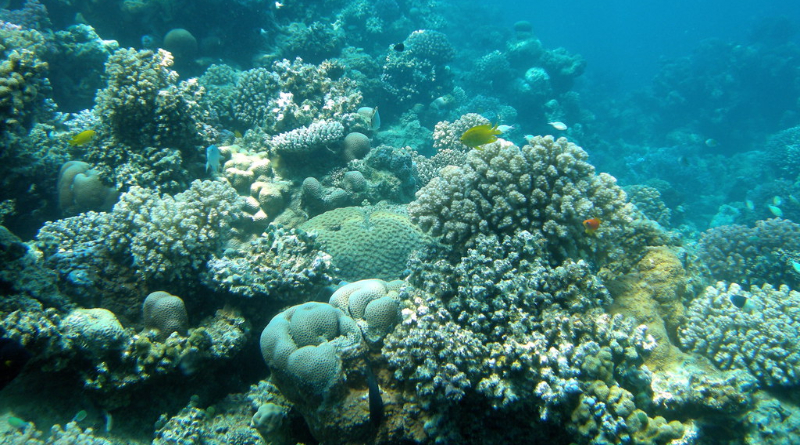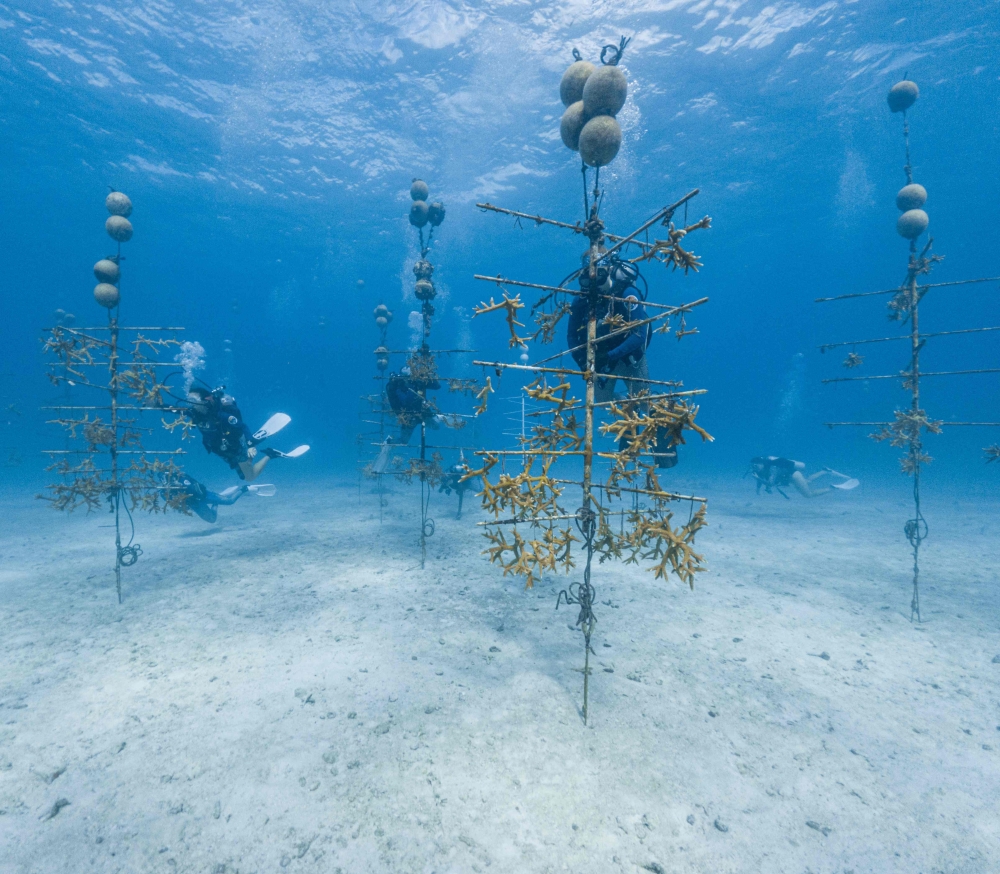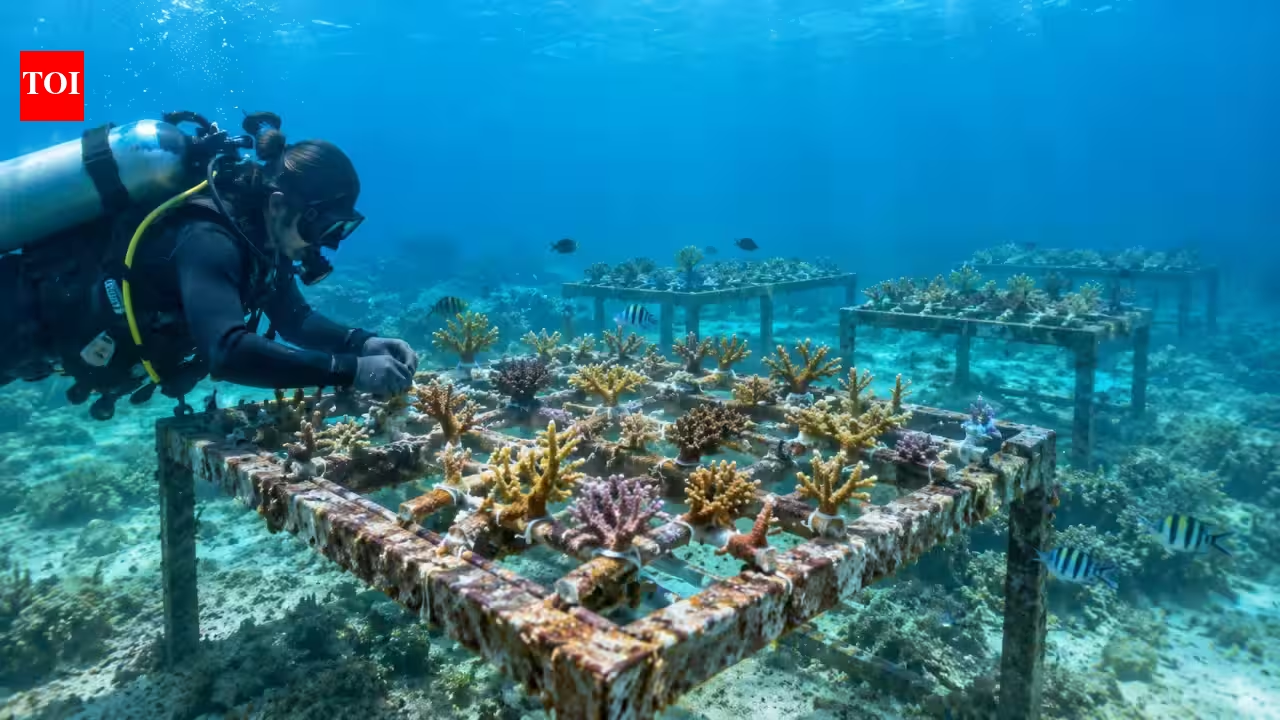
Representative image of an underwater coral restoration nursery with coral fragments growing on steel tables. Image Credits: ChatGPT.A hurricane devastated a shallow coral reef in Belize, leaving large sections of the seafloor covered in rubble. More than two decades later, branching corals have returned to much of the damaged area. One part of that recovery came from a straightforward restoration method: growing coral fragments in underwater nurseries before transplanting them back onto the reef. According to a study published in Drones, Hurricane Iris struck Laughing Bird Caye National Park directly in 2001, severely damaging the reef and reducing live shallow-coral cover to less than 6%. The devastation became the starting point for restoration efforts at the site. After the storm, marine biologist Lisa Carne found living elkhorn coral fragments scattered among seagrass beds, suggesting that damaged reefs could be rebuilt by moving and growing fragments. That observation eventually led to a restoration programme at Laughing Bird Caye. That idea became the foundation of Fragments of Hope, a community-based restoration organisation in Placencia. The group began replenishing the reef in 2006, using fragments of Caribbean acroporid corals, including elkhorn and staghorn corals. Over the years, thousands of pieces were grown in underwater nurseries before being transplanted onto damaged sections of reef.From broken branches to underwater nurseriesThe restoration method was built on techniques that had already been tested elsewhere in the Caribbean. At Laughing Bird Caye, coral fragments were collected from surviving colonies and attached to concrete bases before being placed on underwater nursery tables made from materials such as steel mesh and rebar. The fragments were allowed to grow in the nurseries and were later transplanted onto degraded sections of the reef. This approach was particularly suited to Caribbean Acropora corals, which are branching reef builders capable of reproducing asexually when branches break and develop into new colonies. Their branching structures also create habitat for other reef organisms.The programme also focused on maintaining genetic diversity by propagating different coral genotypes rather than relying on a small number of colonies. Researchers monitored factors including coral growth, survival, bleaching, temperature and reproduction to assess how well the restored corals were performing. According to research published in Limnology and Oceanography, more than 59,000 nursery-grown coral fragments had been planted across more than one hectare of degraded reef at Laughing Bird Caye during the programme's first decade. The researchers therefore assessed restoration through several measures, rather than treating the number of fragments planted as the sole indication of progress.The reef began to recoverLater monitoring provided another view of how the reef was changing. A 2023 study used drone imagery to map a one-hectare section of shallow reef at Laughing Bird Caye and assess changes in coral cover. The study reported that more than 92,000 coral fragments had been planted on the reef by 2023, while live coral cover was around 60%. Between 2019 and 2020, the mapped area occupied by three selected coral species increased from 2,143 to 2,401 square metres. These measurements provided evidence of changes in coral abundance and distribution across the restored reef, complementing the earlier monitoring of individual transplanted colonies.The restoration also depended on people working directly with the reef. Fishers, dive operators, restoration workers and other members of the local community contributed to monitoring and maintaining the programme. Their involvement helped provide the regular labour and local knowledge needed to keep nursery and transplantation work going over many years. The result was a restoration effort that extended beyond individual coral transplants, with long-term monitoring and community participation becoming part of the work.After a 2001 hurricane shattered Belize’s reef, a marine biologist fixed surviving coral pieces to homemade steel tables; 92,000 plantings lifted coral cover to about 60%. Image credits: Wikimedia Commons.A restored reef facing a new threatThe recovery at Laughing Bird Caye has not removed the pressures affecting Caribbean coral reefs. Restored colonies still face rising sea temperatures, coral disease, pollution, coastal development and increasingly severe marine heatwaves. These pressures can affect both naturally surviving corals and those established through restoration, making long-term monitoring essential. This challenge became particularly clear during the extreme heat of 2024. Fragments of Hope documented widespread bleaching and heat stress among corals in its monitoring records, while continuing to track colonies that showed signs of resilience. The organisation has also focused on documenting differences among coral genotypes, information that could help researchers understand why some colonies withstand environmental stress better than others. Underwater nurseries and transplanted fragments can help rebuild damaged reefs, but they cannot remove the environmental pressures that caused the original decline.Therefore, Laughing Bird Caye offers a more complicated lesson than a simple restoration success story. Years of nursery work, transplantation, monitoring and community involvement helped increase coral cover across a reef that had suffered severe damage. But the persistence of that recovery will depend on whether the surrounding marine environment remains suitable for corals to survive, grow and reproduce. The restoration can rebuild part of the reef; protecting that recovery requires conditions that allow it to endure.
After a 2001 hurricane devastated Belize’s reef, a marine biologist grew surviving coral fragments on homemade steel tables; 92,000 plantings later, live coral cover was reported at about 60%
A hurricane devastated a shallow coral reef in Belize, leaving large sections of the seafloor covered in rubble. More than two decades later, branching corals have returned to much of the damaged area.
835 words~4 min read