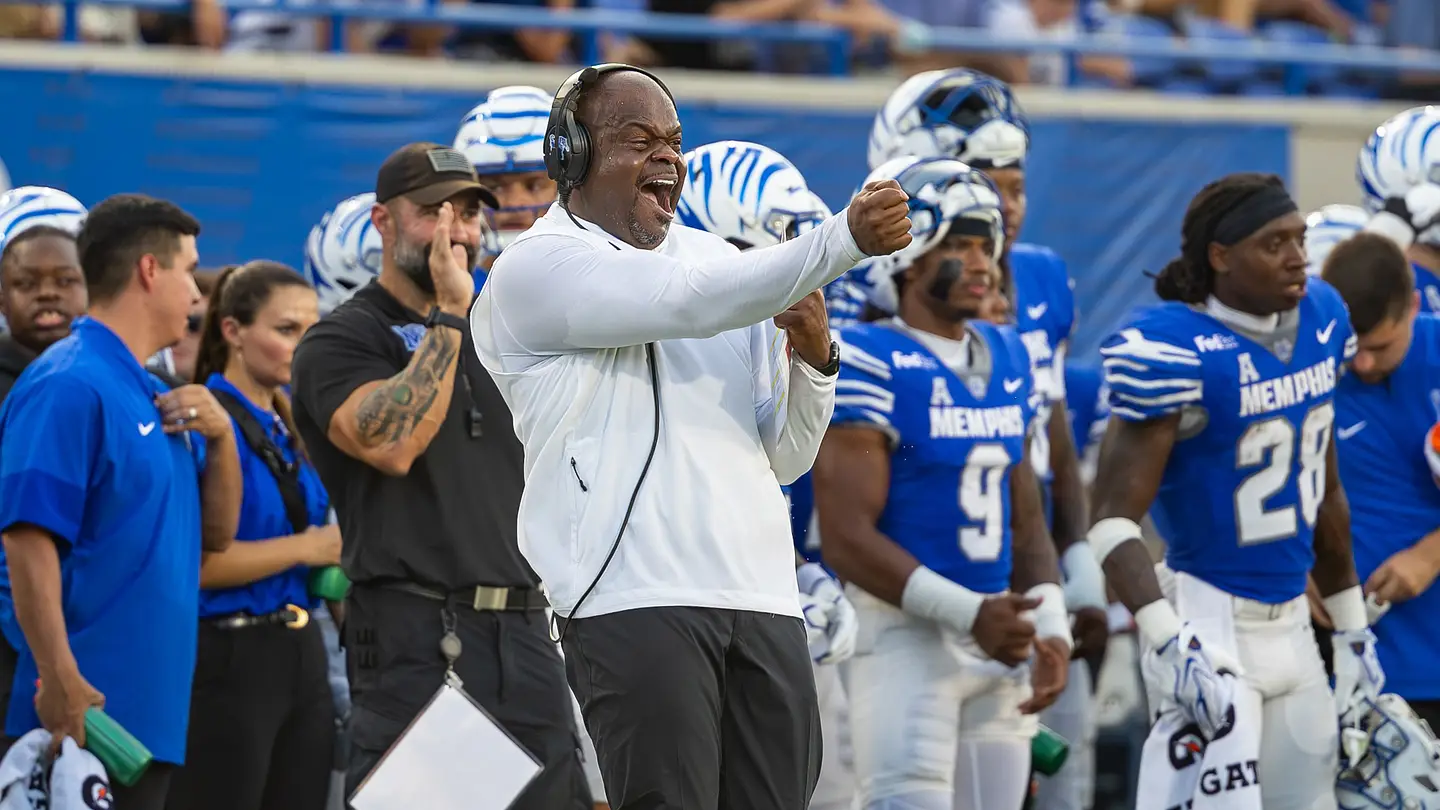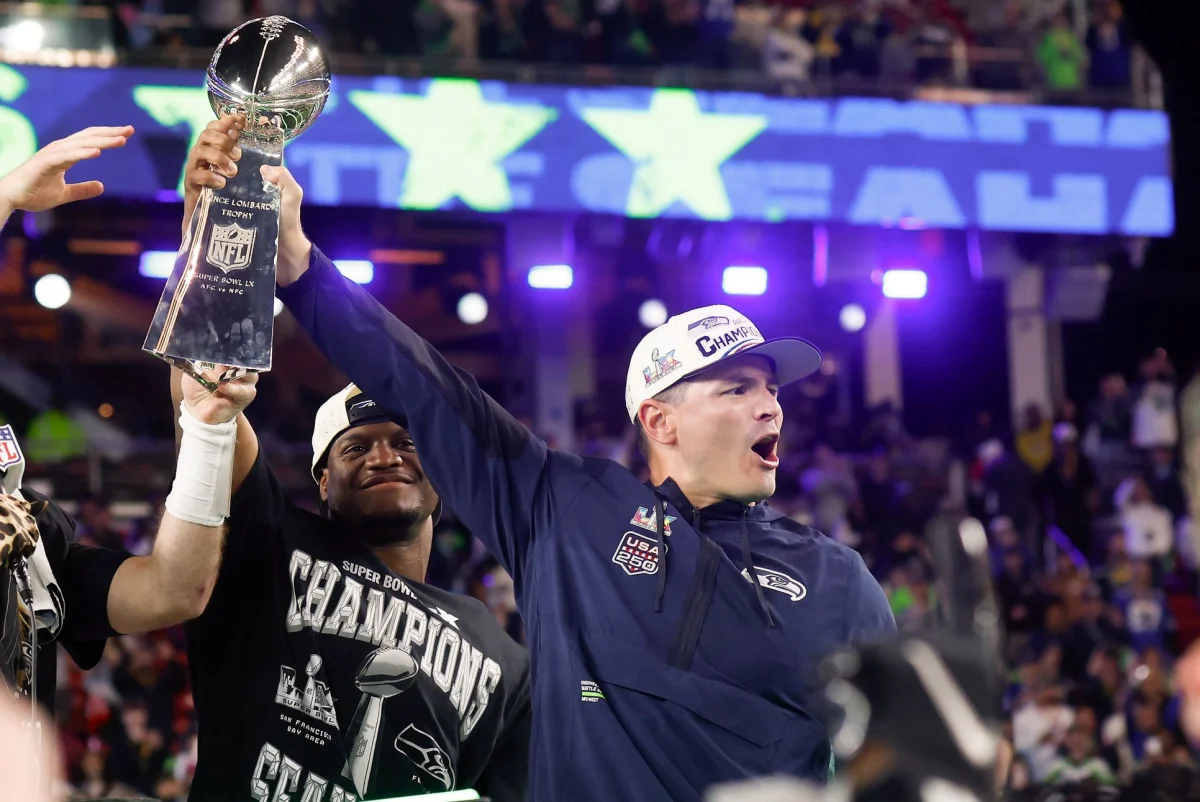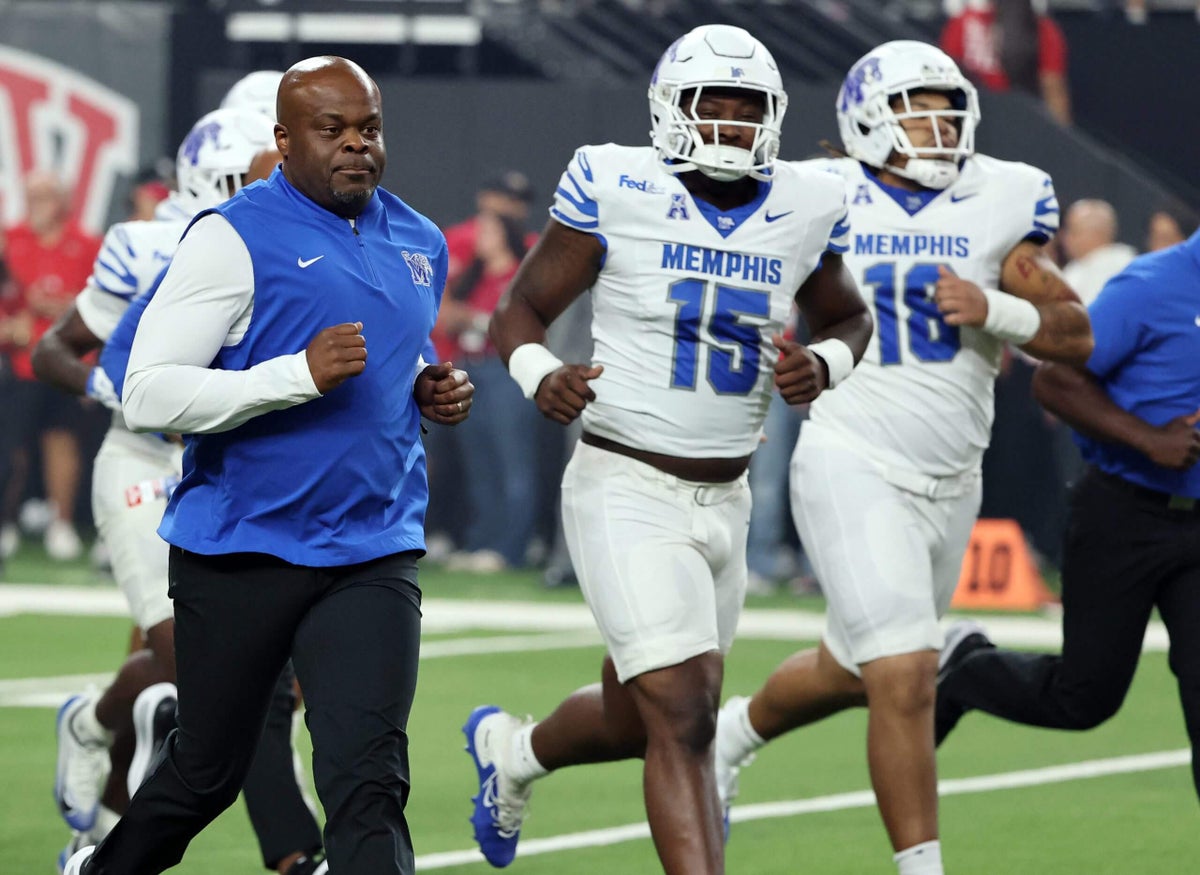
Just hours before his debut as coach of the Memphis Tigers, Charles Huff was asked about the challenge of playing a game that kicked off later than any game he’d ever coached or played in. The Tigers had flown 1,500 miles to Las Vegas to play at UNLV. It was a 7 p.m. PT kickoff, or 9 p.m. CT for Memphis.The 43-year-old had spent as much time trying to figure out how to have his team primed for a late-night game as he did getting his new quarterback ready or his defense prepping for a UNLV offense that ranked in the top 10 last season.Huff, part of the Nick Saban coaching tree, believed he’d found a solution to a problem that most coaches have struggled with for years, especially as cross-country travel has become the reality in college football: Dr. Cheri Mah, a sleep physician and performance specialist.Huff, in his sixth season as a head coach with successful stints at Marshall and Southern Mississippi, did his research, as he would when hiring a coordinator or recruiting a prospect. In this case, he learned that Mah won two Super Bowl rings for her work with the Philadelphia Eagles in 2017 and the Seattle Seahawks last year, and that former NBA star Andre Iguodala credits her for boosting his career and helping change his life.Put simply, Mah helps athletes sleep. And sleep means better performance.To Mah, the role sleep plays in an athlete’s life is “a weapon” — an underutilized, under-leveraged element of sports performance enhancement, much like speed and strength training had been for decades. Until now, it’s been much harder to quantify. But in the sports world, she has become a pioneer in the field.“We did everything she told us to the T,” Huff told The Athletic. “It’s gonna give us the edge that we needed.”More than a decade ago, scientists researched what is now known as the “Monday Night Football Study.” They analyzed 40 years of games, 106 matchups, between teams from the East and West coasts. They found that West Coast teams had a significant advantage over their East Coast opponents in games that began at 8 p.m. ET, beating the Vegas point spread 66 percent of the time. They used 293 East-West matchups during daytime hours as their control group, and found there was not the same advantage, or any noticeable edge.Mah points to that study as a major influence. Mah, a Stanford graduate, is a protege of the late Dr. William Dement, the “founding father of sleep medicine.” While obtaining her master’s at Stanford, she began to focus on the impact of sleep on performance in elite athletes, conducting studies on Cardinal athletes.“I started to look at what the interventions to enhance sleep were, specifically that it’ll impact cognitive performance, like reaction time,” Mah said. “I was focused on the quantification of on-field/on-court performance.”One specific study she did with the Stanford men’s basketball team involved paying back what she called “accumulated sleep debt.” The findings showed a 9 percent improvement in both free-throw shooting and 3-point shooting. The basketball players sprinted 4 percent faster and their reaction time was 12 percent faster.Mah started researching other sports. She noticed that teams in the Bay Area weren’t leveraging their sleep in circadian science, referencing the body’s 24-hour process, which aids in reacting appropriately to the daily light-dark cycle.“A lot of teams had no strategies around how they travel,” Mah said. “They jump on an airplane, get to a new place, and voila! They’re there. They try to adjust. But in my eyes, there was solid quality evidence that showed how much of a difference the body clock can make on game outcomes.”The first pro team Mah worked with was the San Antonio Spurs in 2009. A strength coach at Stanford who had worked in the NBA helped her with some research. She mentioned the Stanford men’s basketball study to him and how his colleagues in the NBA could use the understanding of sleep and circadian science to help their teams.
The best $20,000 this CFB coach spent wasn’t on his roster. It was on a sleep physician
Sleep science is part of the "next wave" of performance enhancement, says Memphis coach Charles Huff.
1,962 words~9 min read