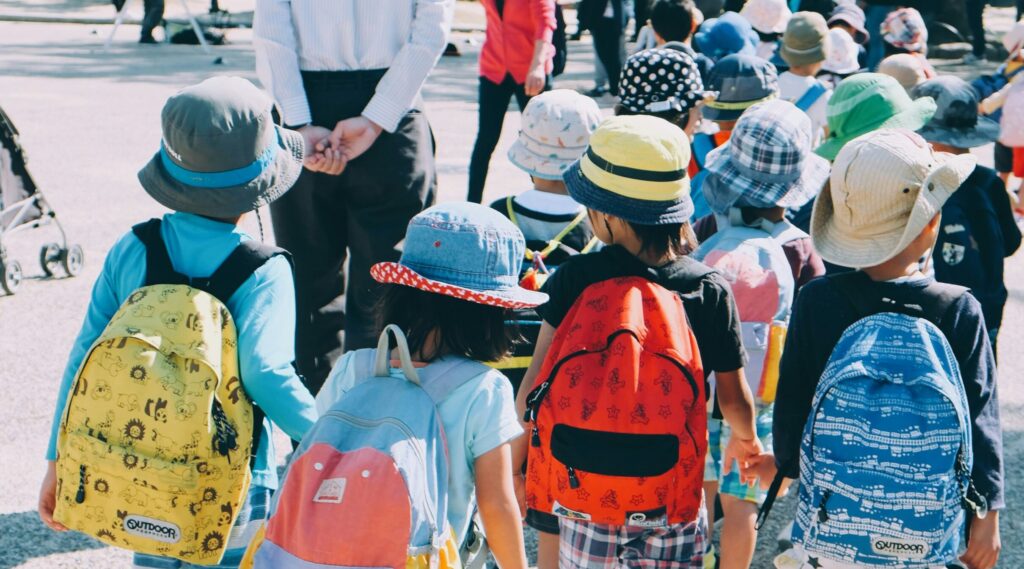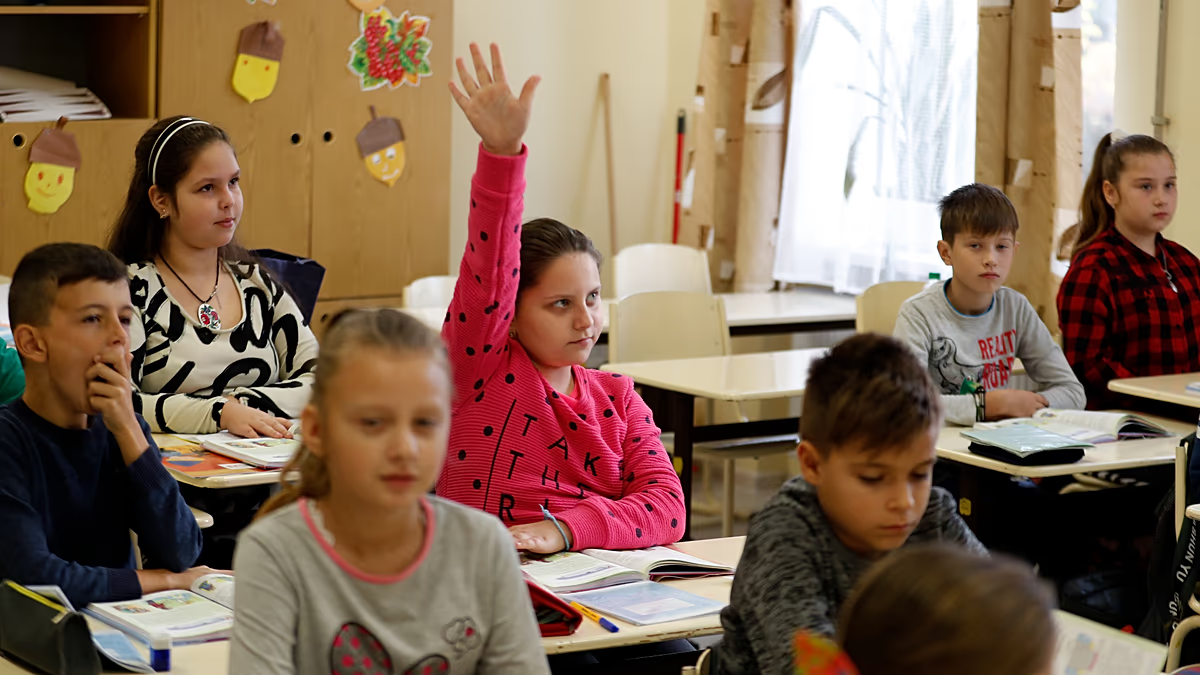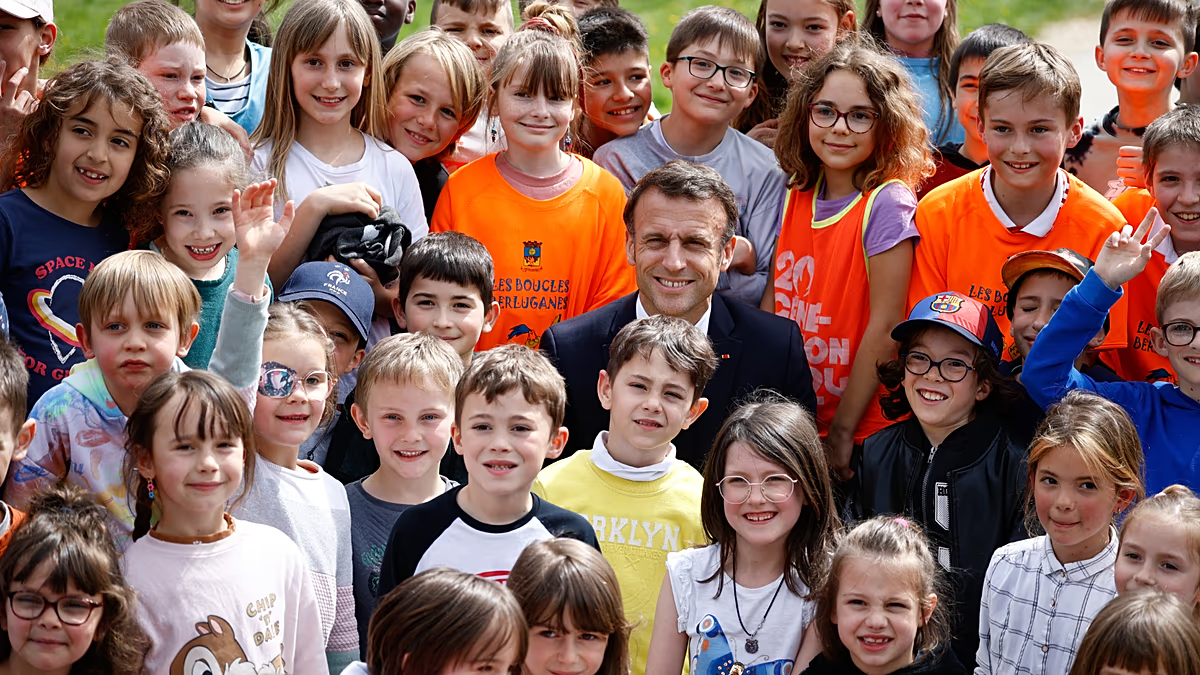
In 2024, there were 23.2 million primary school students in the European Union, a figure virtually unchanged from the previous year, but the underlying trend has shifted over the past decade: today there are fewer students per teacher than in 2014.
The latest Eurostat data, released to coincide with International Literacy Day, confirm this and not only set out enrolment numbers but also detail how many teachers are in Europe's classrooms, who they are, and what types of schools they work in.
France remains by far the country with the most primary school children: 4.1 million in 2024. It is followed by Germany (3.3 million), Spain (2.8 million) and Italy (2.6 million). At the other end of the scale, Malta has barely 27,537 students; Luxembourg has 43,020, and Cyprus 60,596, figures that depend both on the size of each country and on the age at which children start primary school, which varies from one member state to another.
Compared with last year, overall primary enrolment in the EU fell by 0.2% (35,153 fewer pupils), a small but real drop.
The picture looks different over a longer period: since 2014, pupil numbers have grown by 2.9% (659,086 more), although the trend is highly uneven across countries. Fifteen member states gained pupils over those ten years, and eleven lost them. Luxembourg (+21.4%) and Slovenia (+18.2%) lead the increases; Poland (-25.7%), Croatia (-10.3%), and Portugal (-10.0%) record the largest declines.