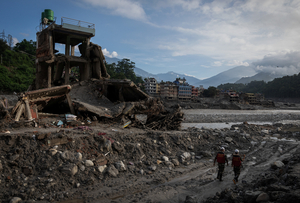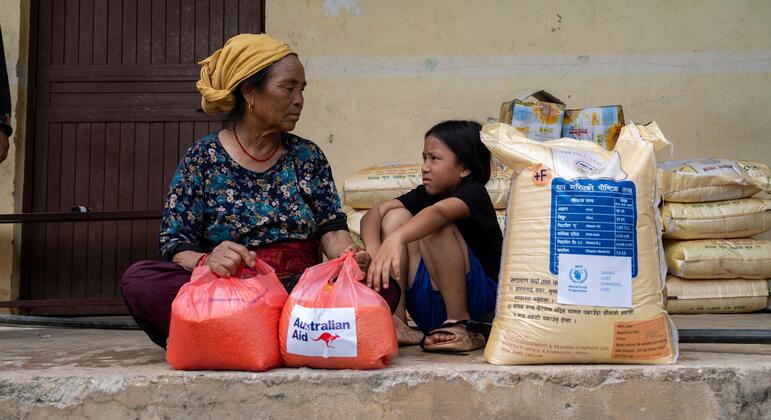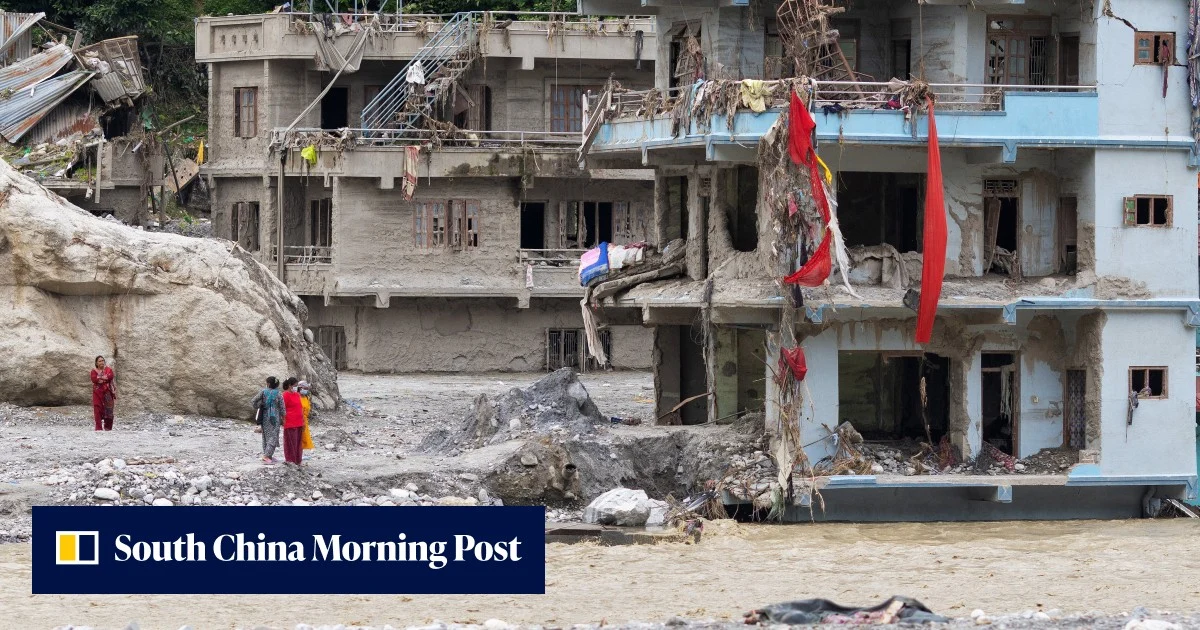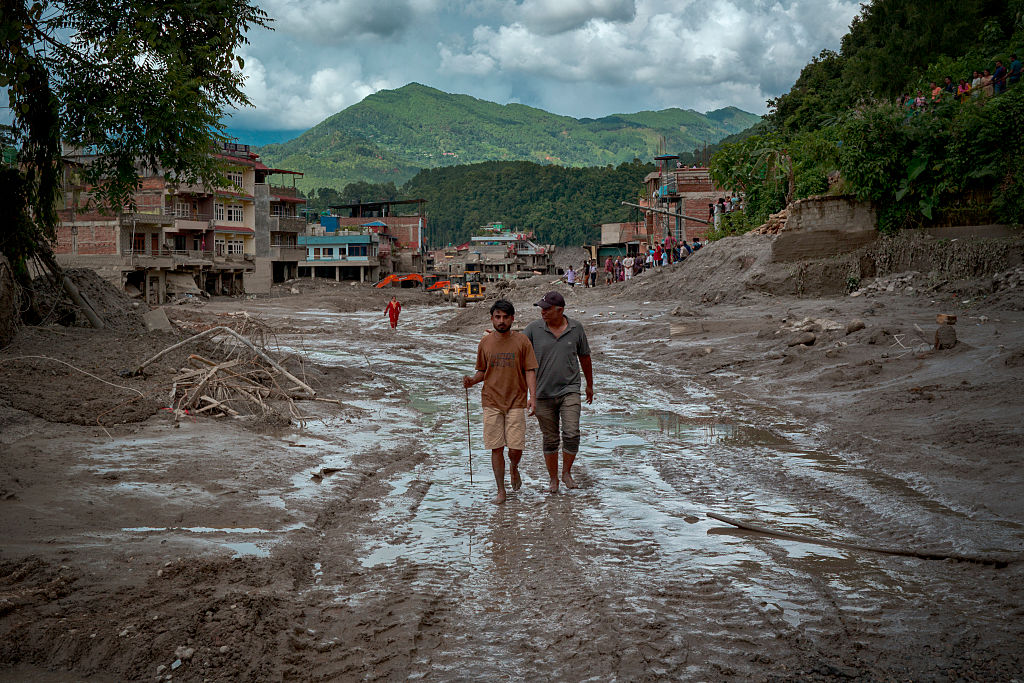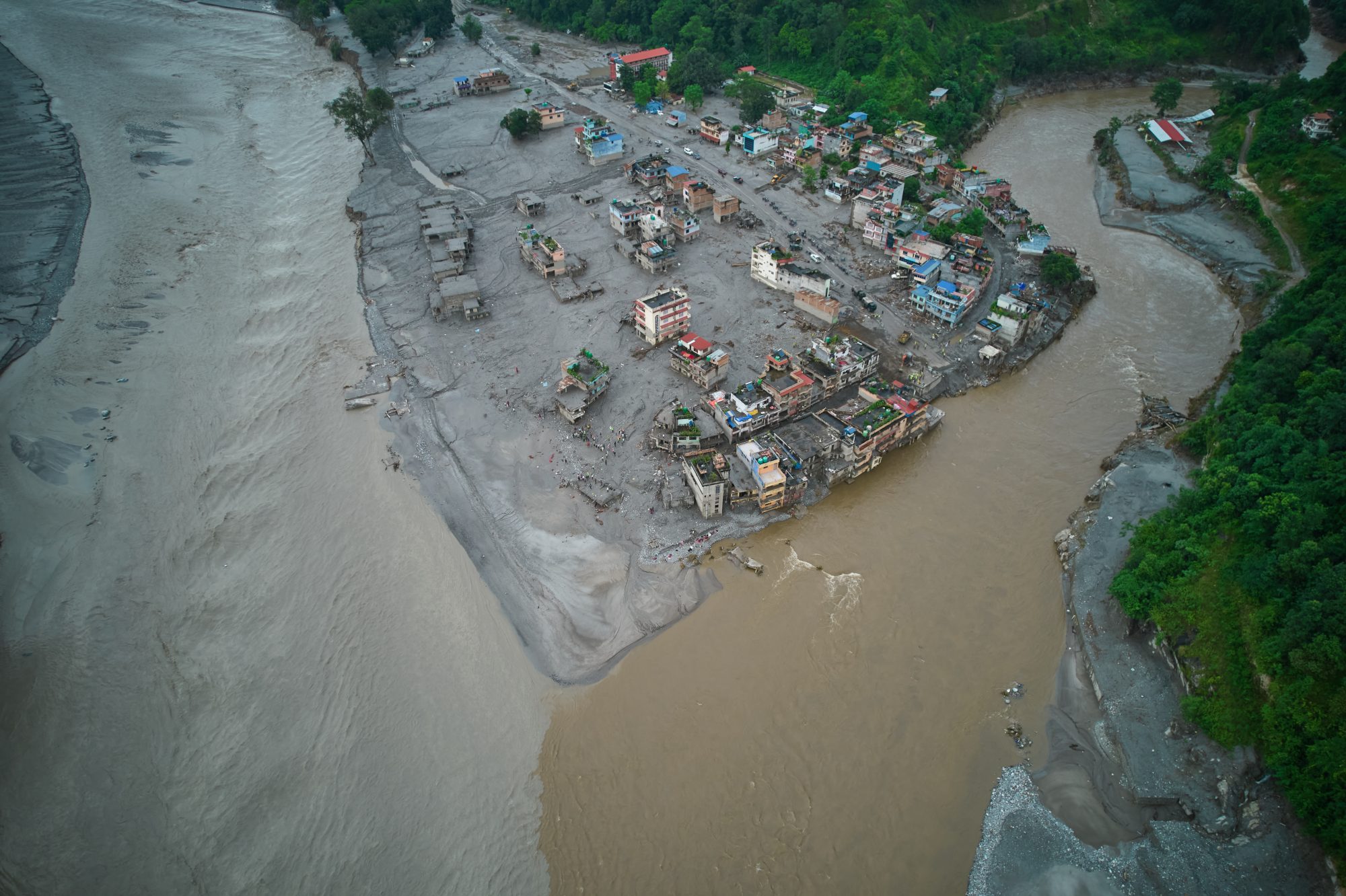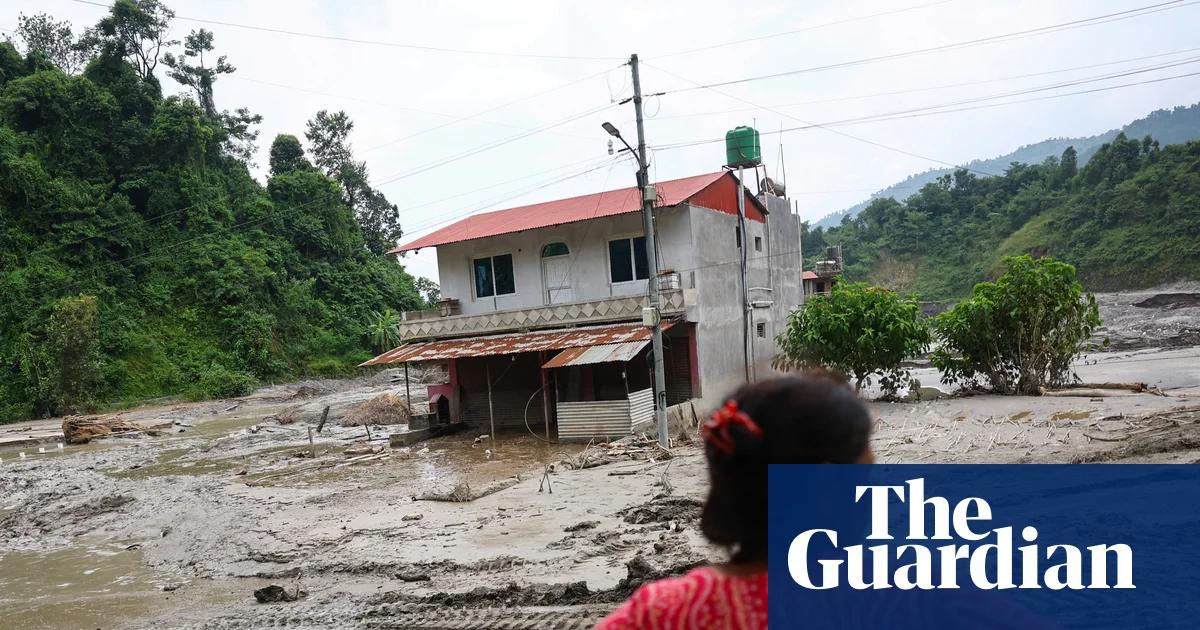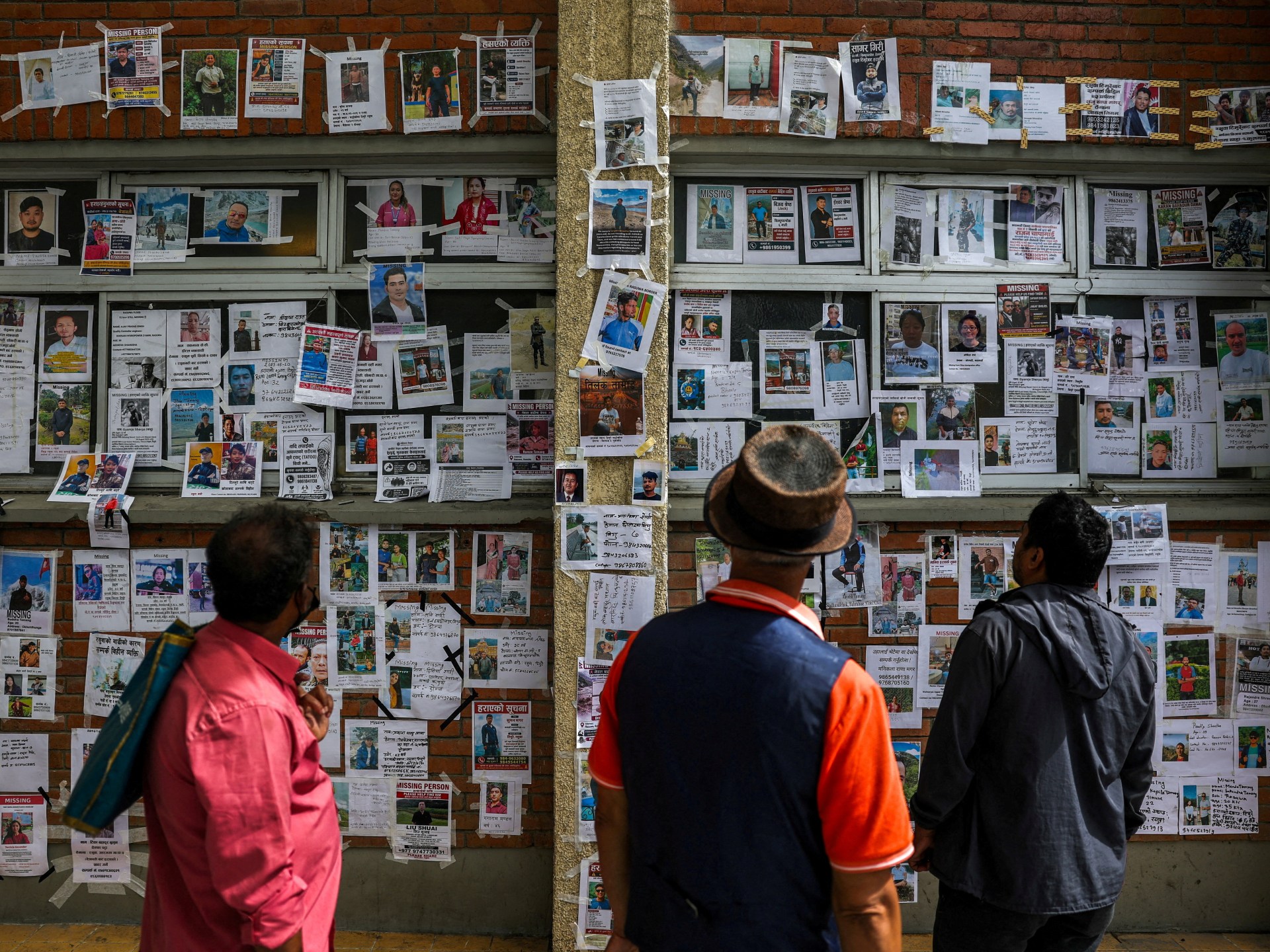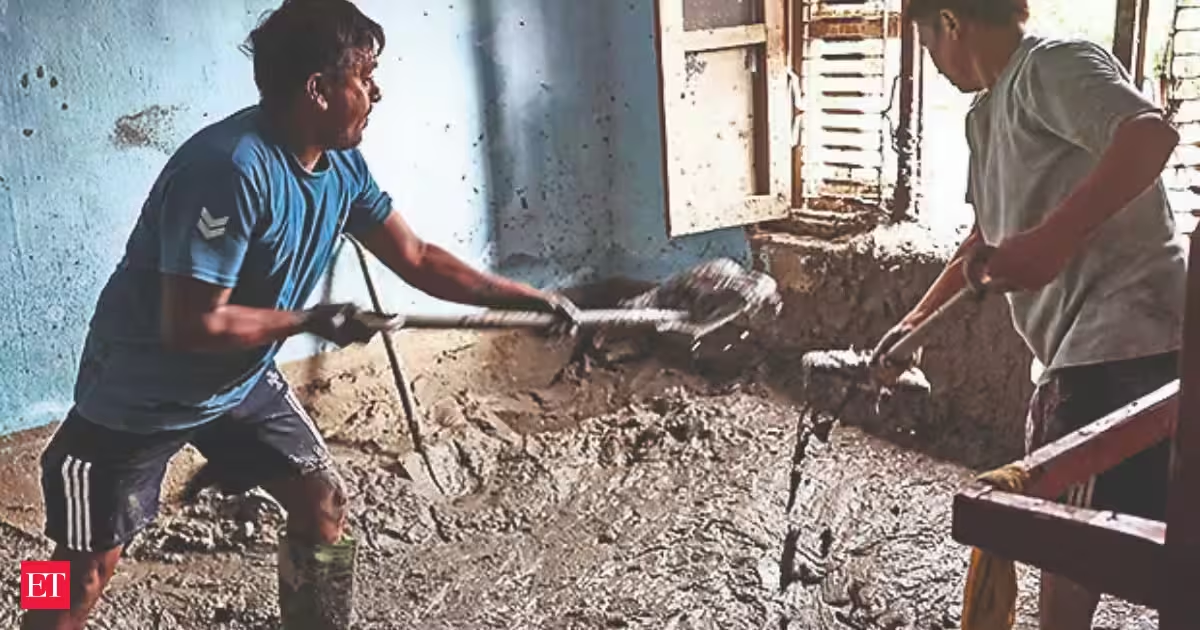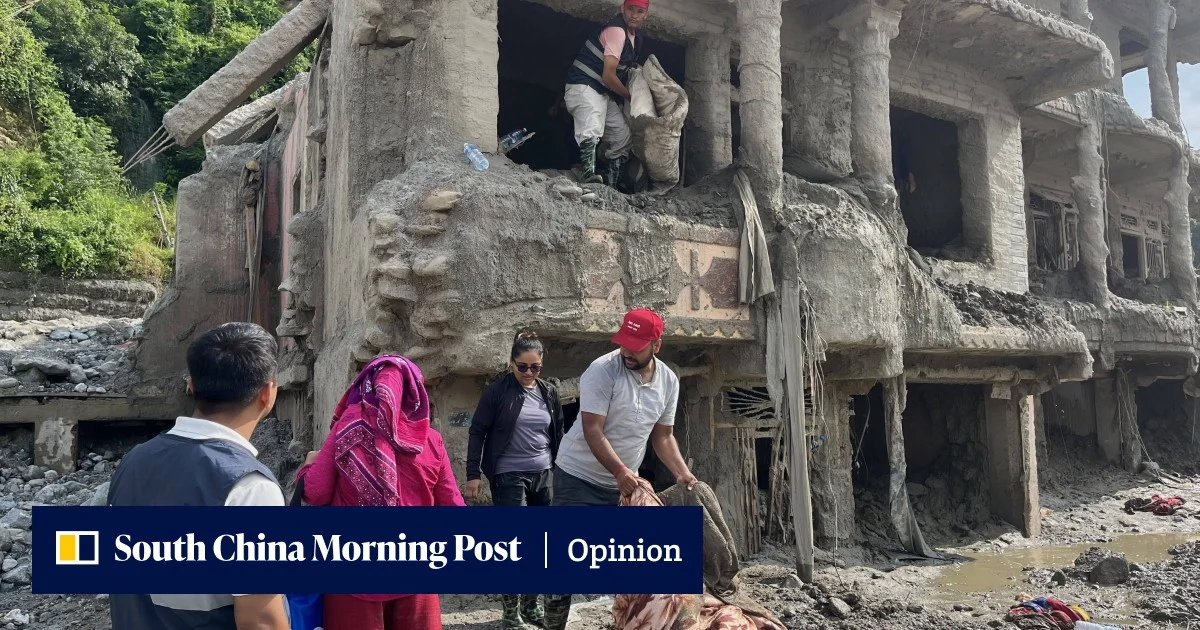
Rizwan Basir, a sociologist, is a senior technical specialist at the Climate Resourcing and Coordination Centre (CRCC) in Islamabad, Pakistan.Every climate summit now runs on the same illusion: the next pledge will be the one that finally saves us. It will not. The money the rich world has promised the poor world is not coming at anything like the scale advertised, and pretending otherwise has become the main business of climate diplomacy.Barely nine weeks before the UN climate summit Cop31 opens in Antalya, Turkey, the honest task is not a bigger pledge. It is to make the finance that already exists reach the people drowning in the consequences. Nepal is the test sitting in plain sight, and the system is failing it.Late last month, a melting glacier gave way on the edge of the Himalayas and sent a wall of rock and water down the valley, burying whole settlements and leaving a country in national mourning.Nepal then did everything the system asks. It went through the proper channel, the UN Fund for Responding to Loss and Damage, and framed its request as a matter of liability rather than charity – the correct framing for a country that emits less than 0.1 per cent of global greenhouse gases. The reply has been procedural. The fund has not released a single dollar since its creation and its first decision is only due in December. Even its own board has asked for an emergency meeting.Set that against how quickly everything else moves. In the same few weeks, the calendar filled with gatherings: a climate finance week in Istanbul, a week of chief-executive meetings in Baku, Azerbaijan, and a Pacific leaders’ summit in Palau. There is no shortage of mobilisation, only not the kind that moves money from one account to another.A fund that cannot send US$20 million to a grieving country in the time it takes to hold three high-level meetings is not yet a fund. It is a promise with a letterhead.15:07Children now experiencing ‘best weather of their lifetime’, warns Asia’s top climate scientist
Opinion | Cop31: Forget climate pledges, countries like Nepal need actual cash
No payout from the loss and damage fund has reached vulnerable nations. Cop31 must focus on delivering the money already promised.
342 words~2 min read