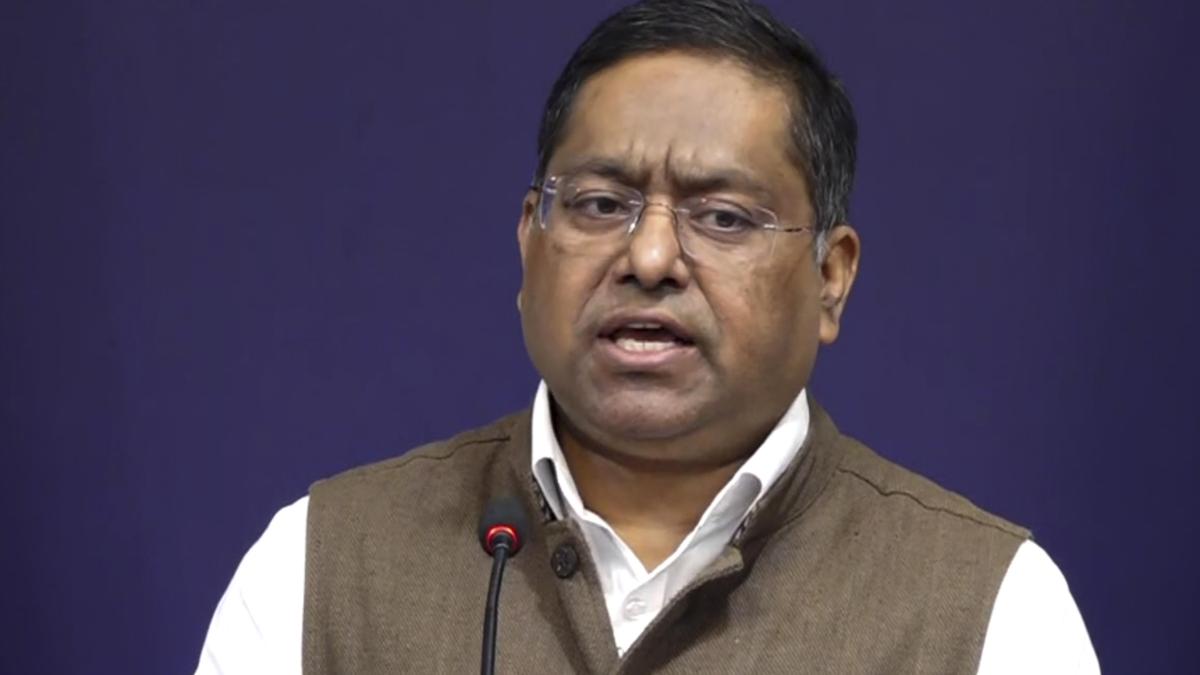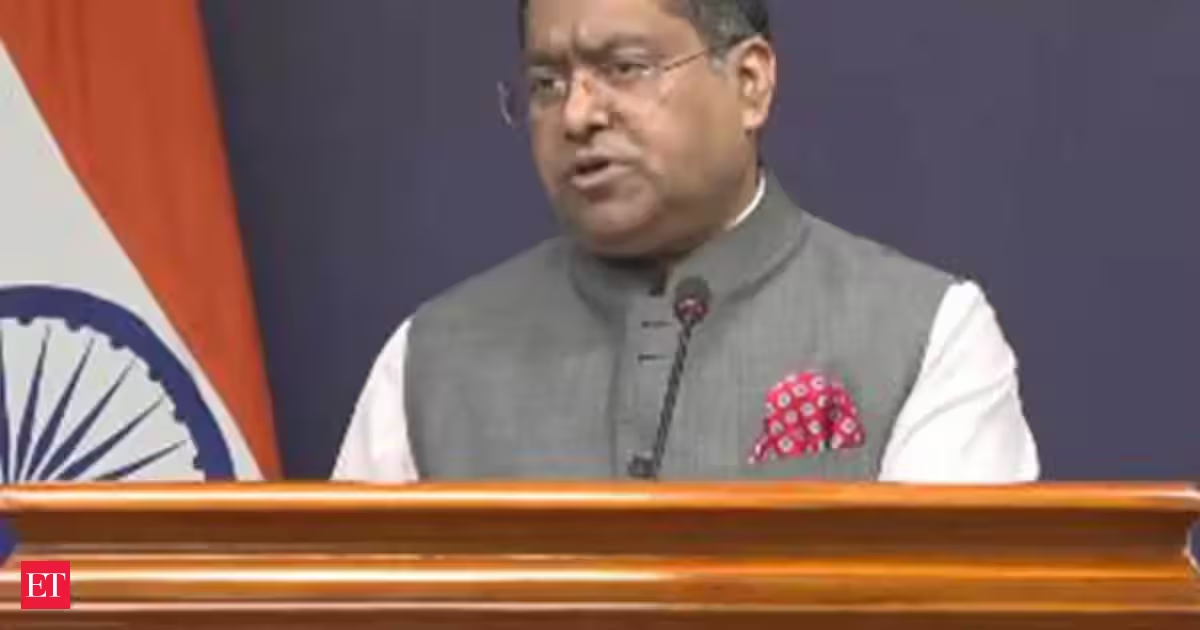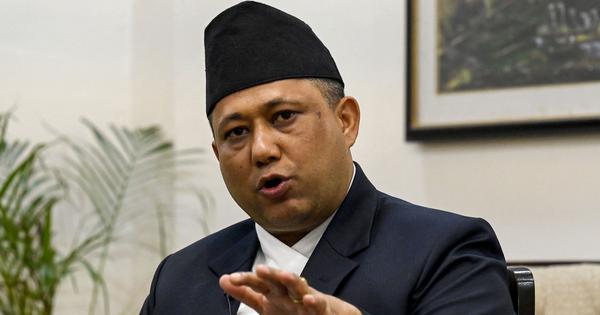
Nepali Foreign Minister Shisir Khanal. (via The Kathmandu Post)
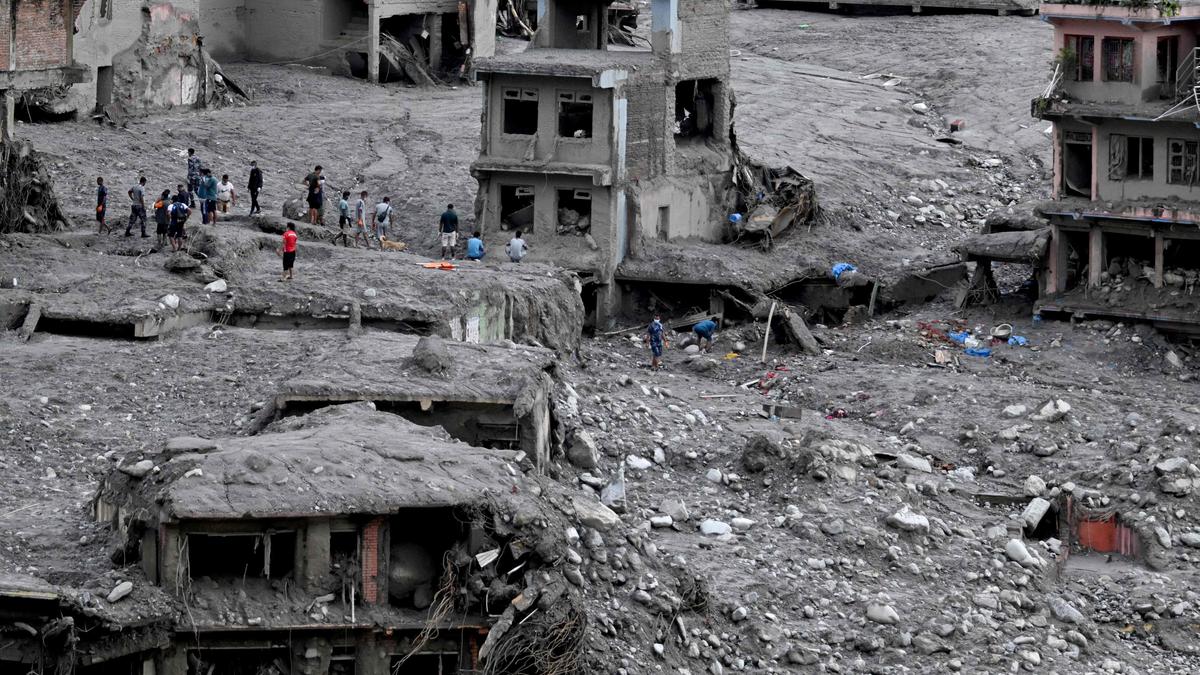
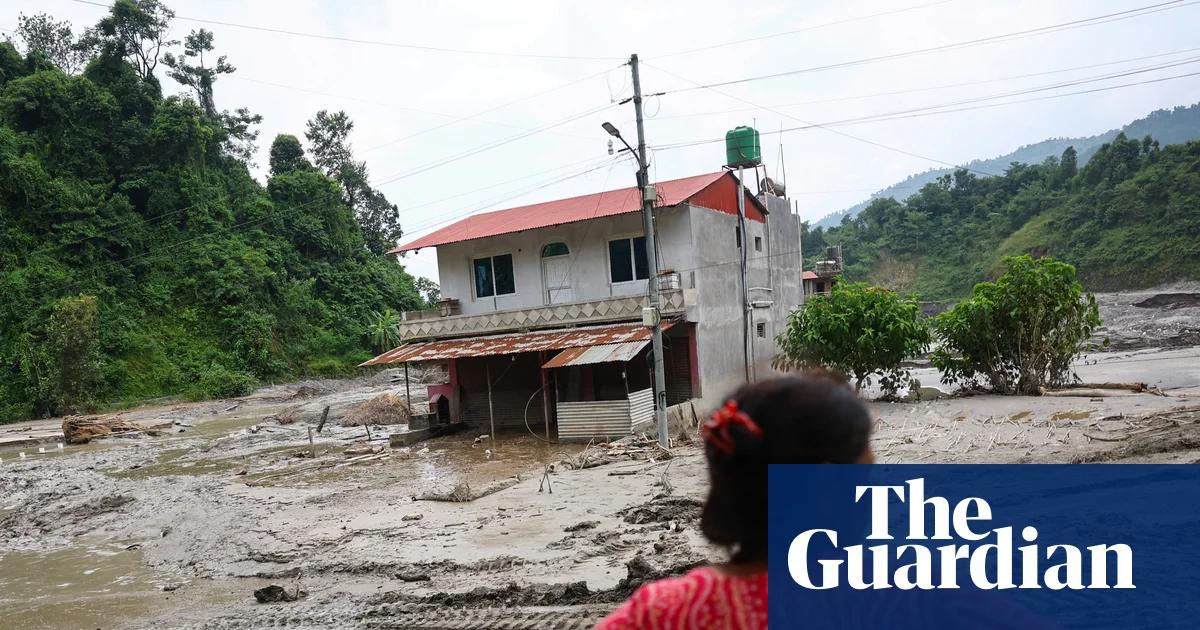
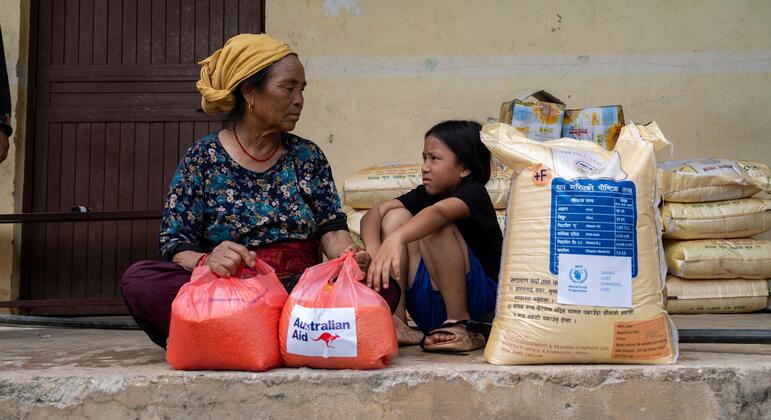
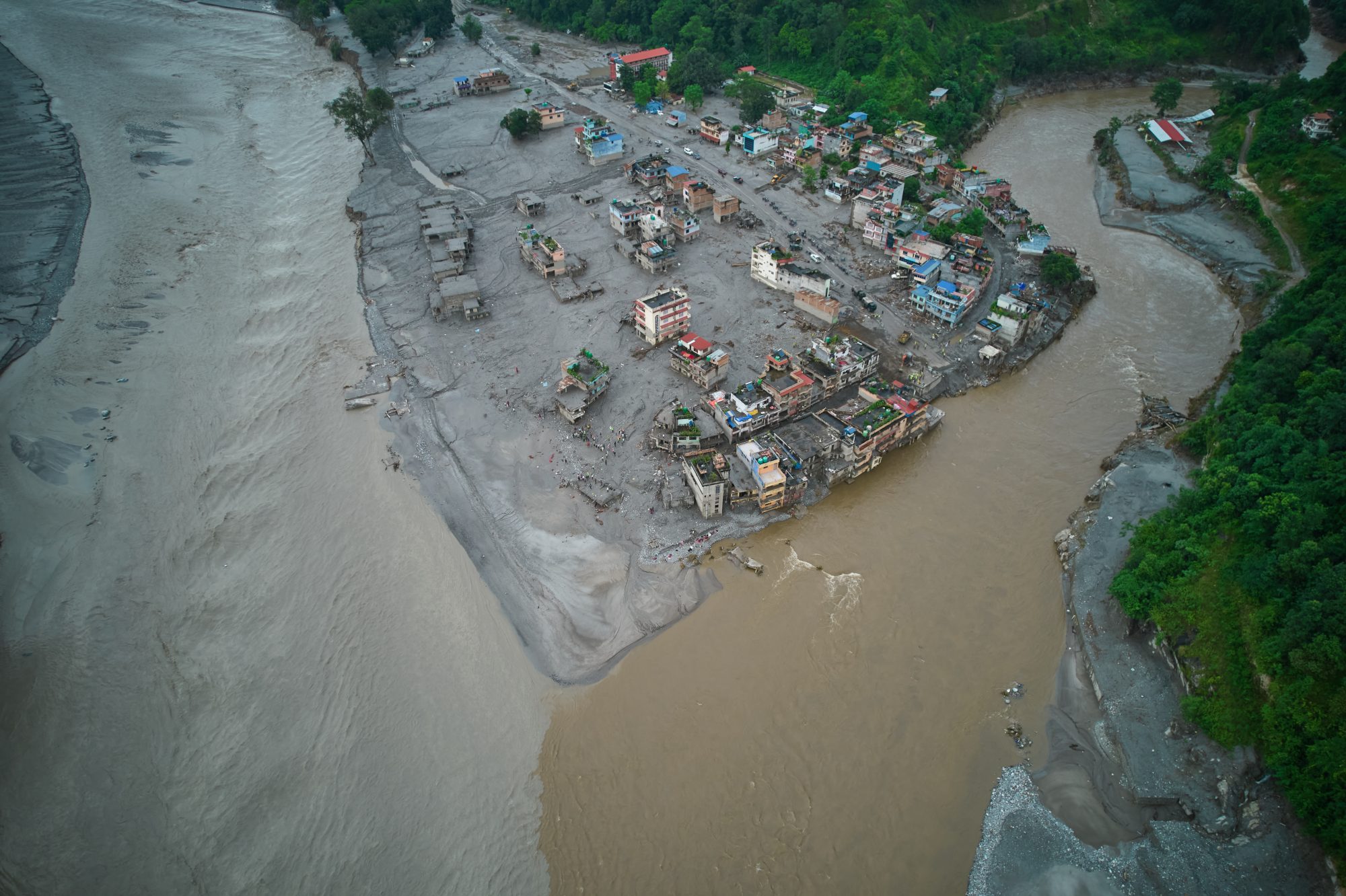
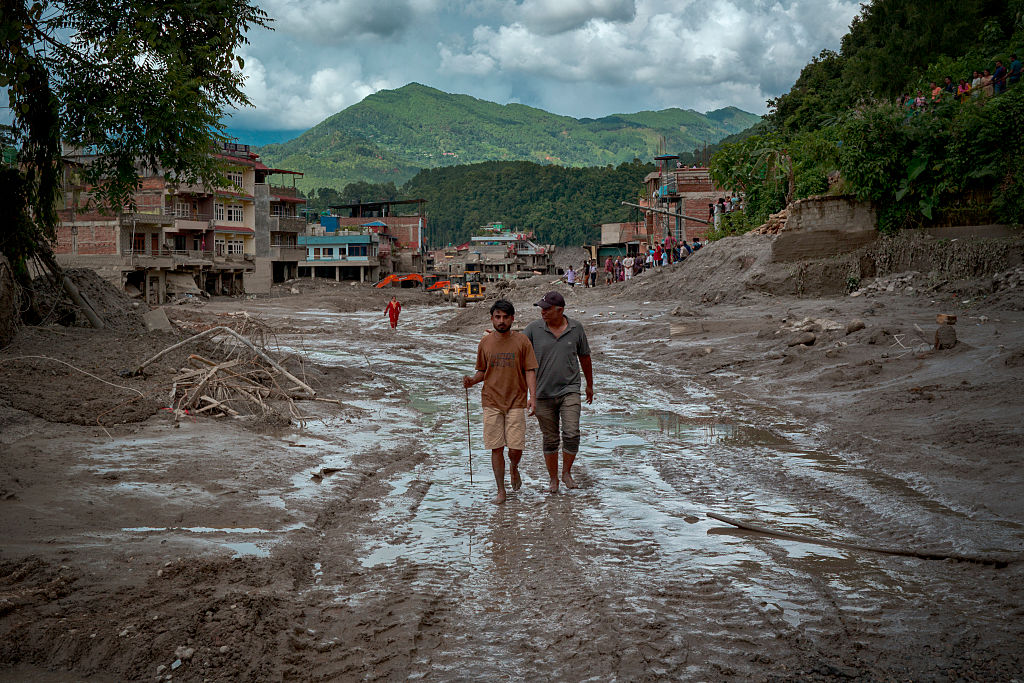
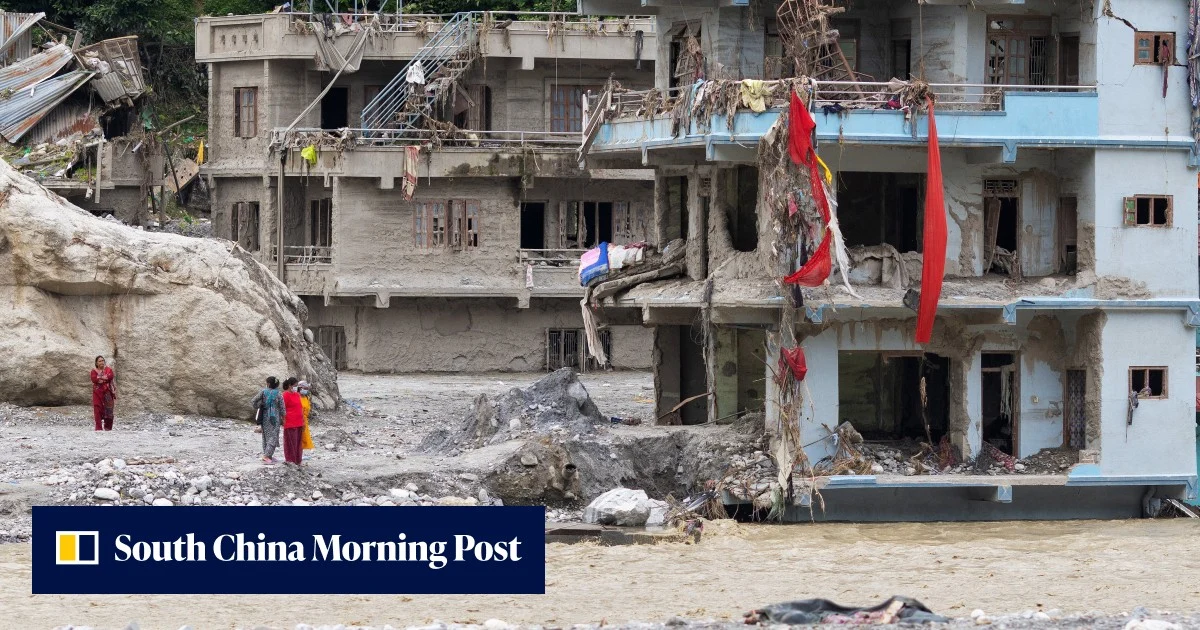
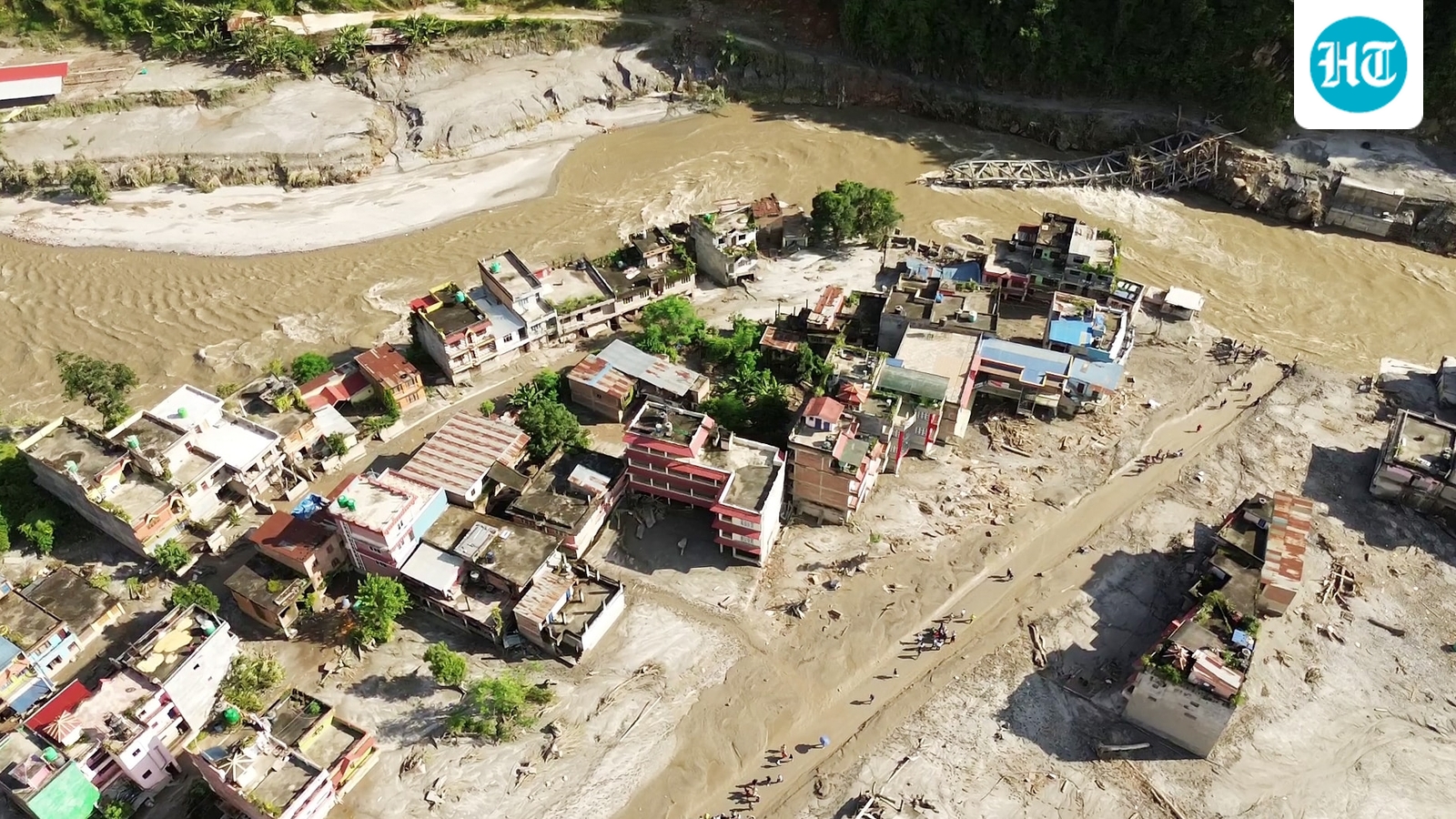
After Nepal was ravaged by landslides and flooding, the country’s government is demanding climate compensation from major countries responsible for carbon emissions, assigning them legal and moral responsibility for causing the climate crisis.On Tuesday, the Kathmandu Post published an interview between Nepali Minister of Foreign Affairs Shisir Khanal and the Kantipur network, in which he said Nepal’s diplomatic position in the wake of the disaster had shifted from requesting humanitarian assistance to demanding legal compensation from countries responsible for carbon emissions.“We are shifting our diplomatic framework from ‘aid’ to ‘justice and compensation,’” he said.“This is not a matter of charity; it is a matter of legal and moral liability,” he added.Khanal argued that while Nepal’s greenhouse gas emissions are negligibly small, the country was “paying the ultimate price for a global crisis we did not create.”“The major industrial emitters — such as China, which is the world’s top emitter, the United States at number two, and India at number three — have a historical responsibility to compensate vulnerable nations like Nepal,” he asserted.He also stressed that Nepal planned to firmly and clearly raise the issue at all future international forums.The Nepali Ministry of Finance announced that it had formally sent a letter to international partners demanding compensation in connection with climate change.“This is a matter of civilizational survival,” Khanal said, stressing that the push was not intended for Nepal’s benefit alone.“If our Himalayan glaciers disappear, the water security of over 2 billion people in South Asia [. . .] will be permanently compromised,” he predicted.Khanal also said the term “flood” was inadequate to describe the disaster.“This was a disaster of tornado-like velocity — what many are rightly calling a ‘Himalayan tsunami,’” he said.“When the first reports came in around 9 am [on Aug. 26], our immediate conceptual imagery of a ‘flood’ was a standard seasonal rise in river levels. But having spent the day in Nuwakot, I realized how limited our vocabulary is,” he explained.“This was not a standard flood,” he continued, describing the water as having “wave heights reaching 20 to 30 meters and speeds clocked at 180 kilometers per hour.”“It is a scale of disaster that is entirely outside the living memory of Nepal,” he said.A similar position was shared by Nepali Prime Minister Balendra Shah.An AFP report on Tuesday quoted Shah as posting a message on social media a day earlier stressing that it was time to raise serious issues with the international community after the disasters that Nepal was experiencing as a result of climate change.Stressing that the situation was not an ordinary flood but a major disaster for the region, Shah said, “This incident has indicated that the risks we face in the Himalayan region are increasing with climate change.”Over 1,000 people have been confirmed to date to have perished in the landslide and major flooding that occurred on Aug. 26 on the border between Nepal and China’s Tibet.The Associated Press quoted Nepali disaster management officials as saying the number of confirmed deaths as a result of flooding had risen to 987 as of Tuesday. A total of 3,916 remained out of contact, including 583 foreign nationals.According to Chinese state-run media, 16 deaths and 546 missing persons had been confirmed to date in Tibet. Together, the two countries accounted for 1,003 deaths and around 4,400 disappearances.By Kim Mi-hyang, staff reporterPlease direct questions or comments to [english@hani.co.kr]