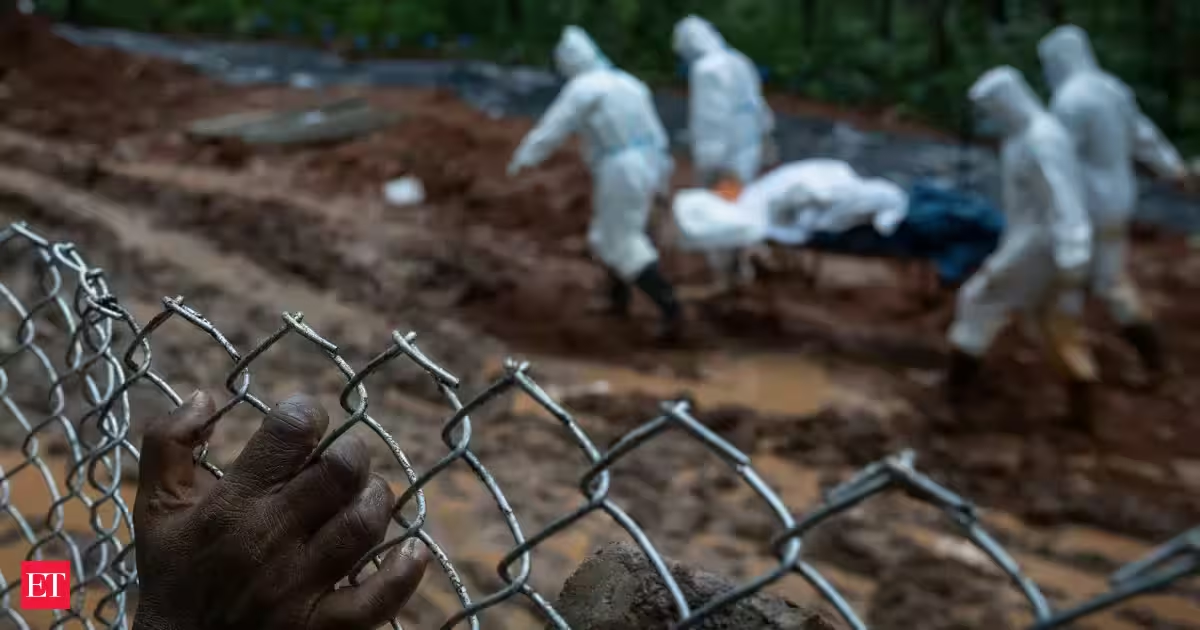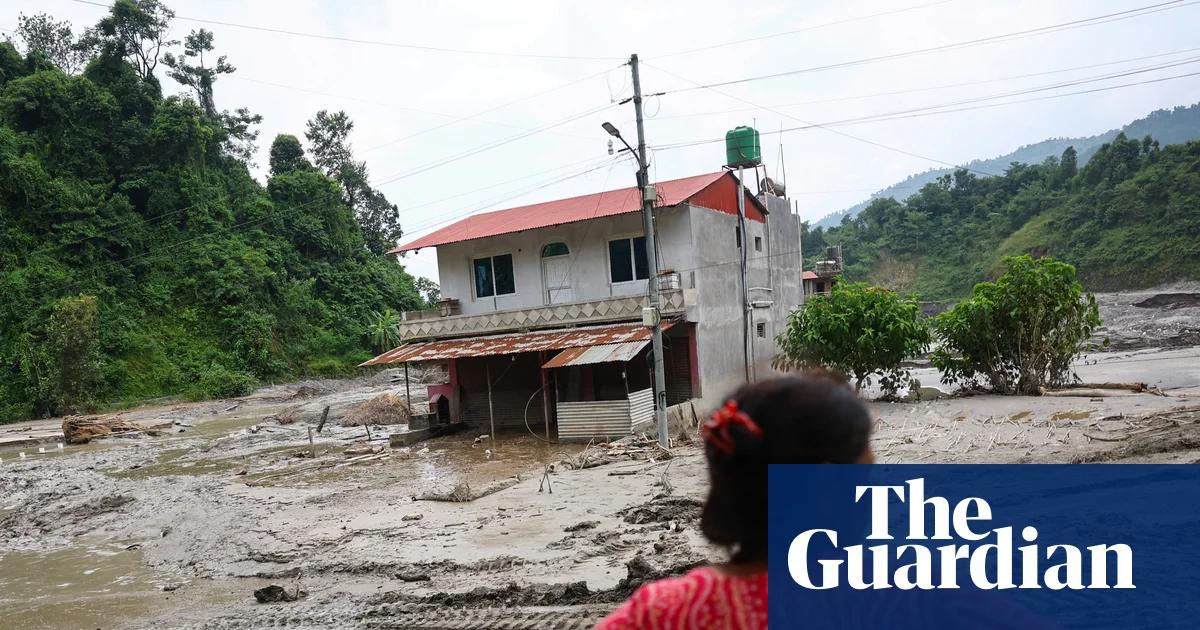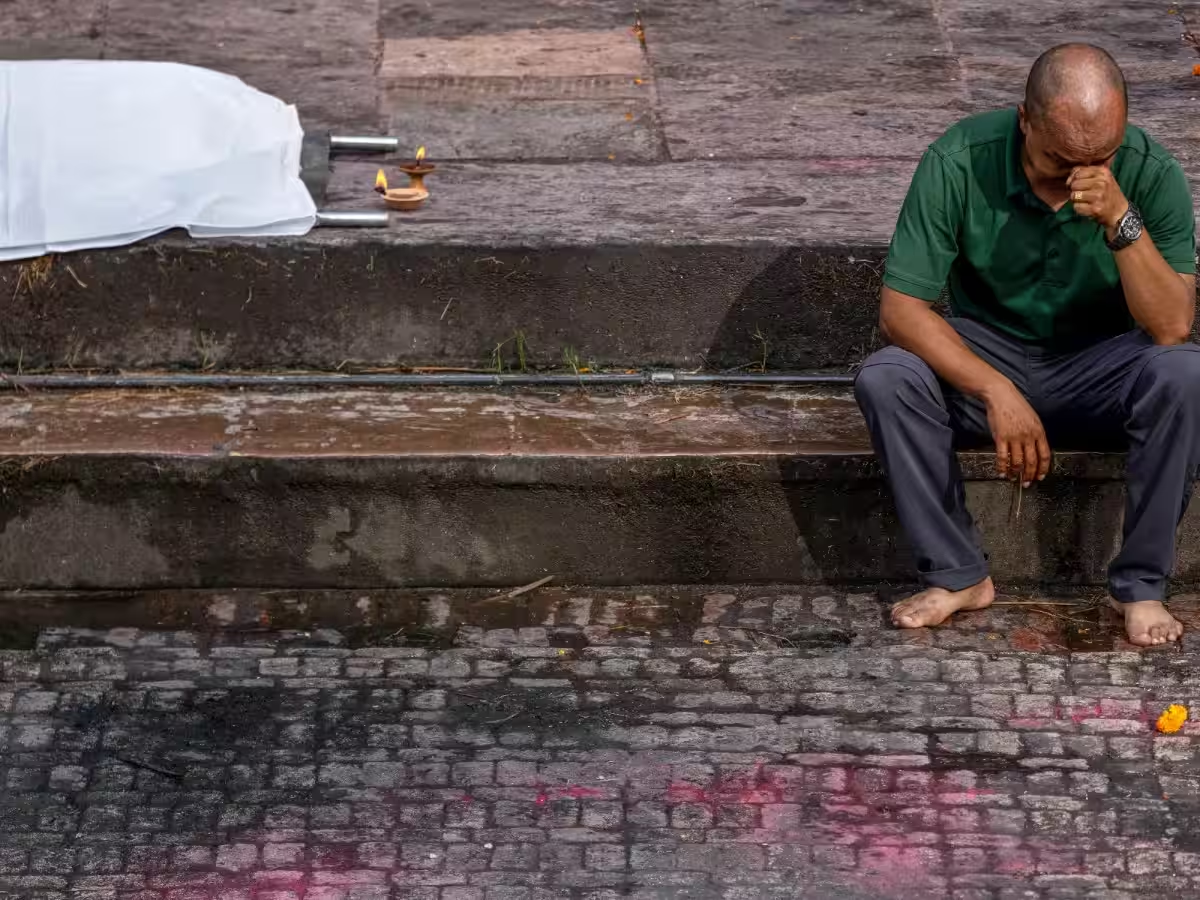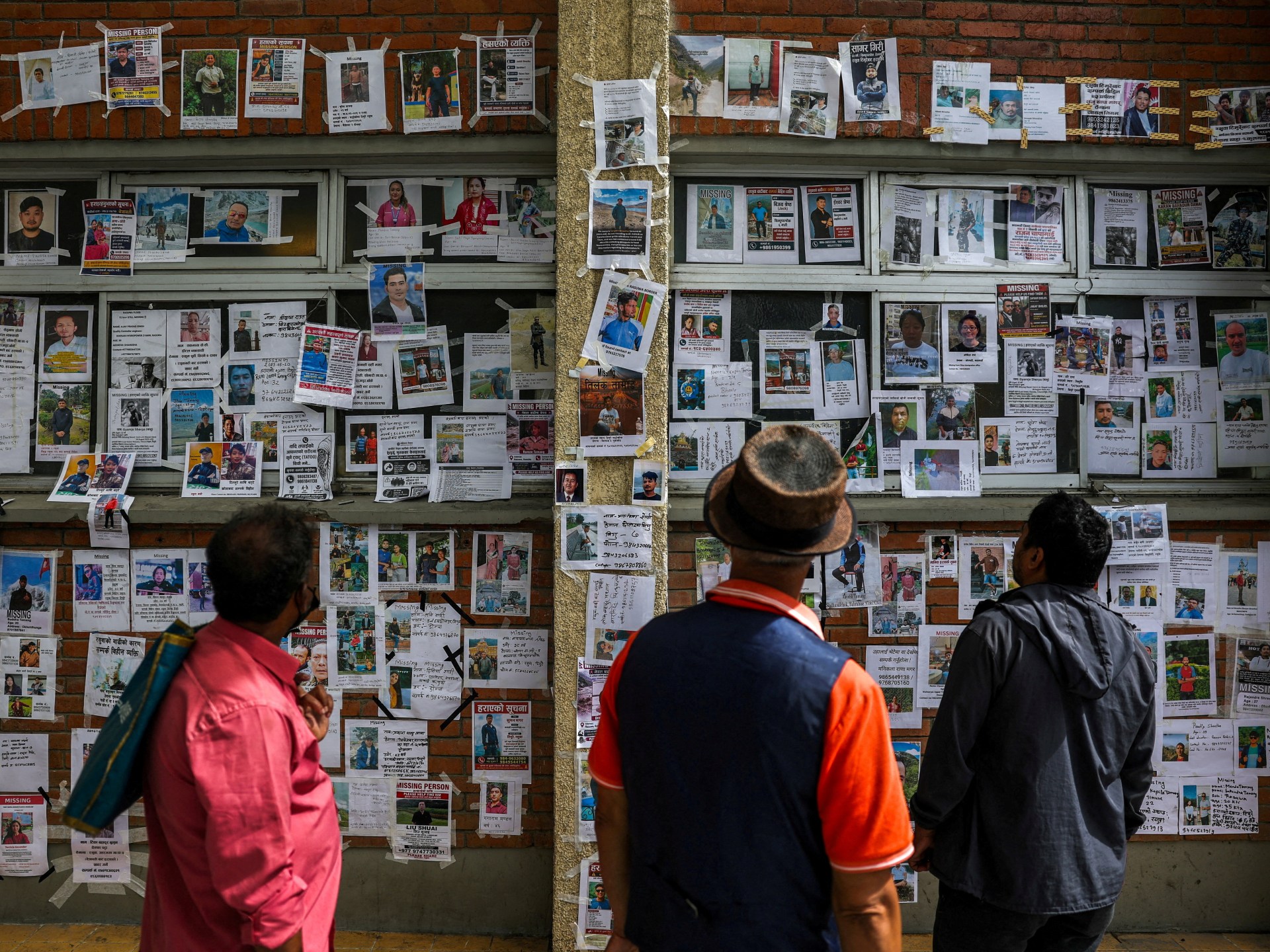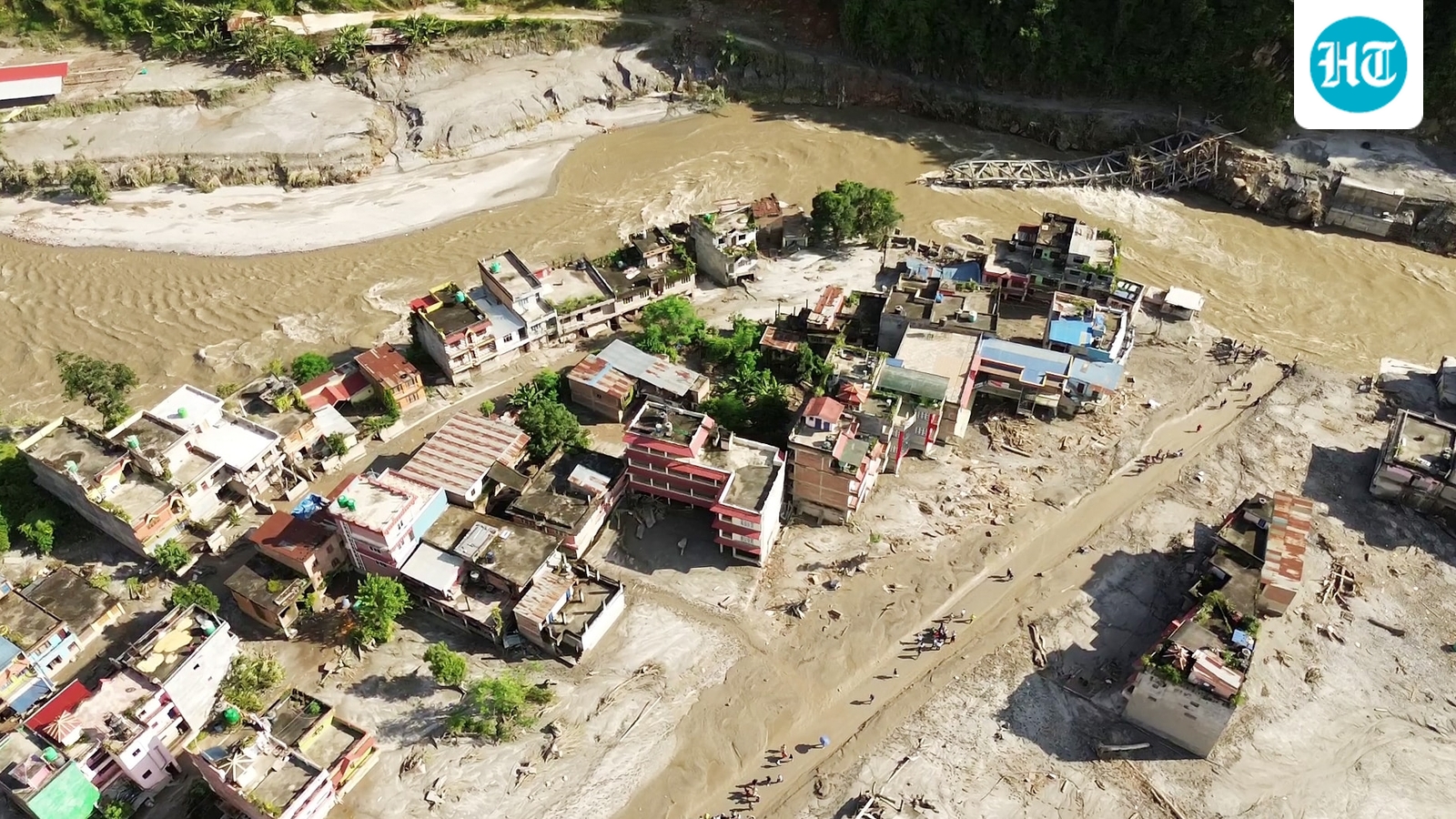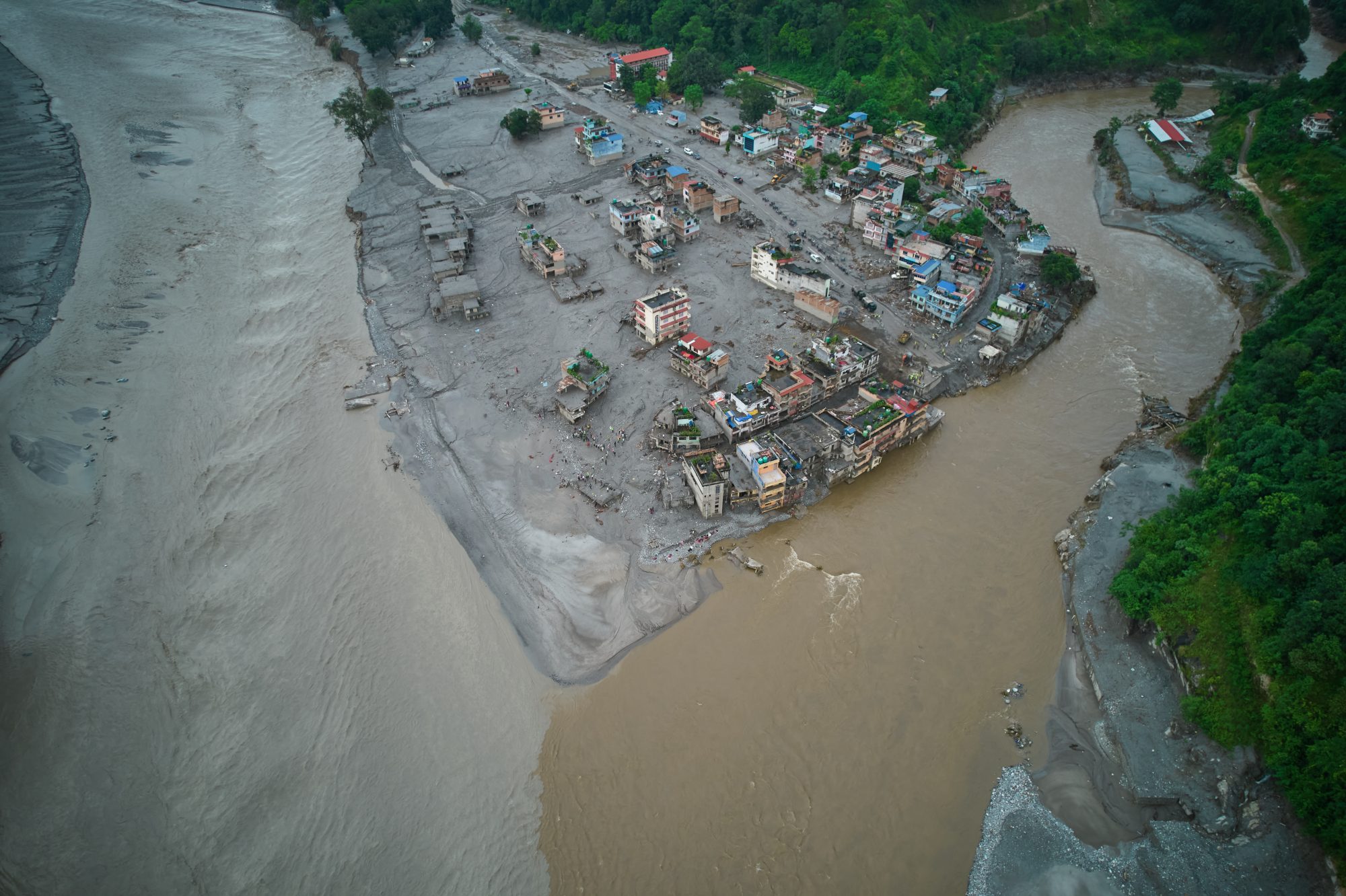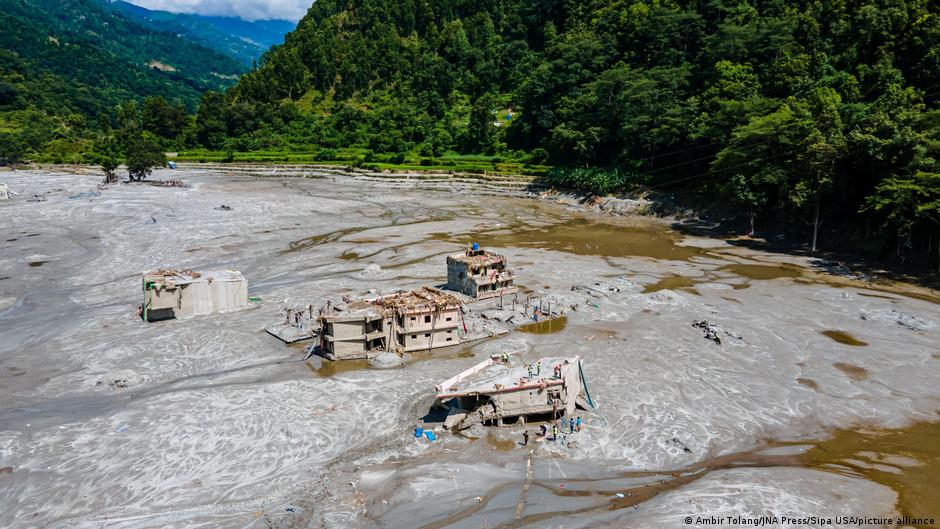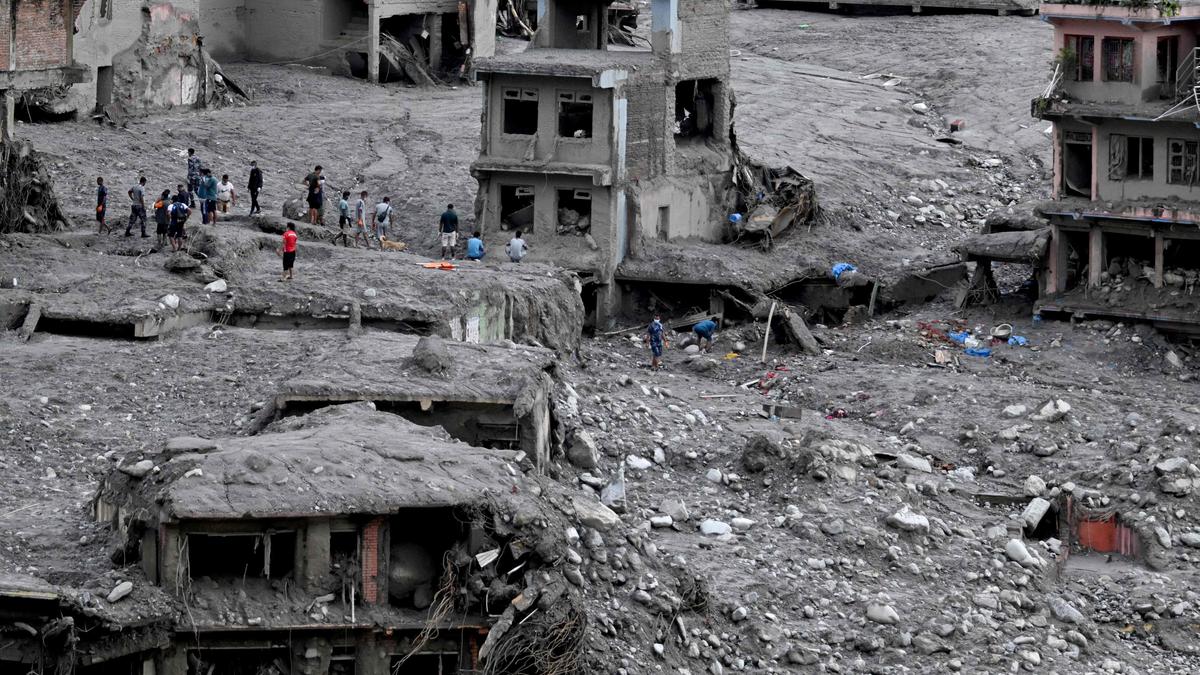
People scout for usable materials amid debris after the flash flood at Trishuli Center in Nepal’s Nuwakot district on September 1, 2026.
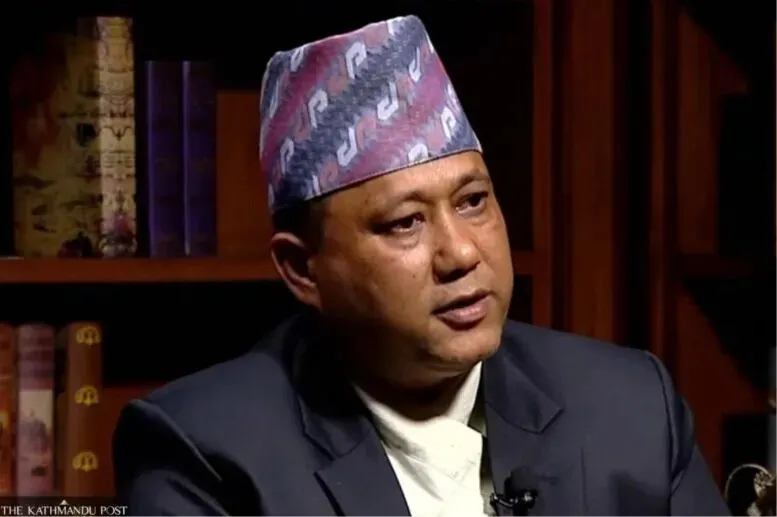
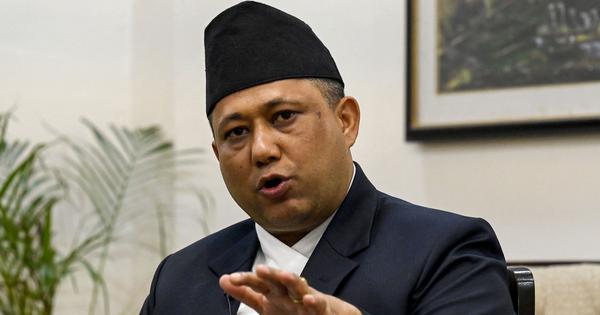
“We are paying the ultimate price for a global crisis we did not create.” Nepal’s Foreign Minister Shisir Khanal declared on September 1. This was his statement after the aftermath of Nepal’s catastrophic floods on August 26, 20206. However, later he withdrew the statement on September 4th, saying that “Neither I nor anyone in the Ministry of Foreign Affairs or Government of Nepal has claimed or asked for compensation from India or any other country, including China or the United States,” Khanal stated. “Our call has been for the global community to look at this disaster from the perspective of climate change and the impact it’s having in Nepal,” said Khanal. He also mentioned that his earlier statement was directed towards the international community to recognise the impact of climate change on Nepal. Although Nepal has not formally demanded compensation, it has most certainly raised the question of climate justice, especially when the country that has contributed very little to global warming is now forced to bear the cost of the catastrophic flash floods. Nepal contributes a negligible 0.1% of global greenhouse gas emissions and, in recent years, has become a major generator of electricity from renewable hydropower. But the geography of this tiny country places it at ground zero of global warming due to the Hindu Kush Himalayas, which is also referred to as the “Third Pole. The warming of the “Third Pole “ has occurred at nearly twice the global average, which is resulting in melting of glaciers at 10 times higher historical norms. Published - September 05, 2026 05:40 am IST