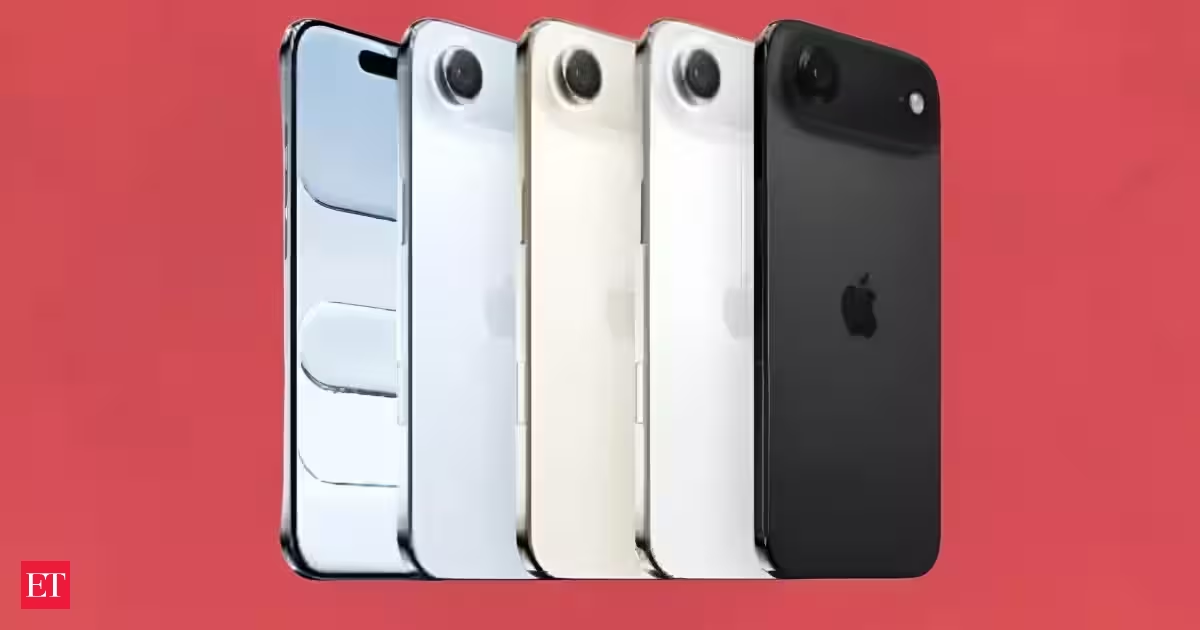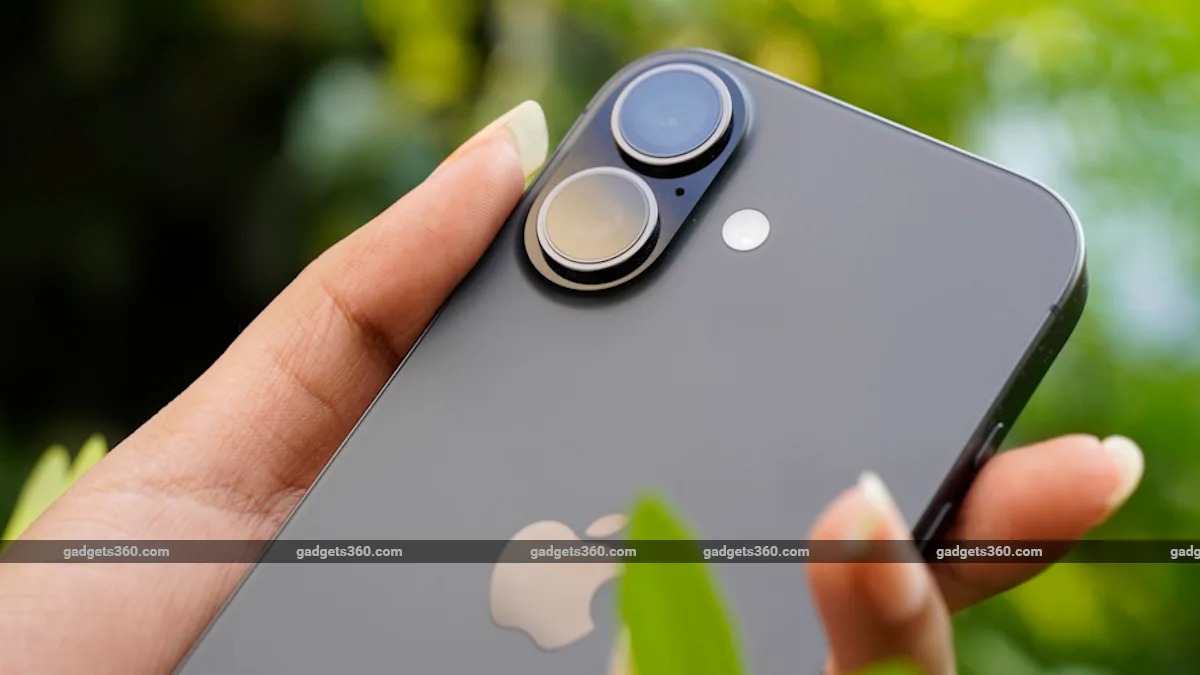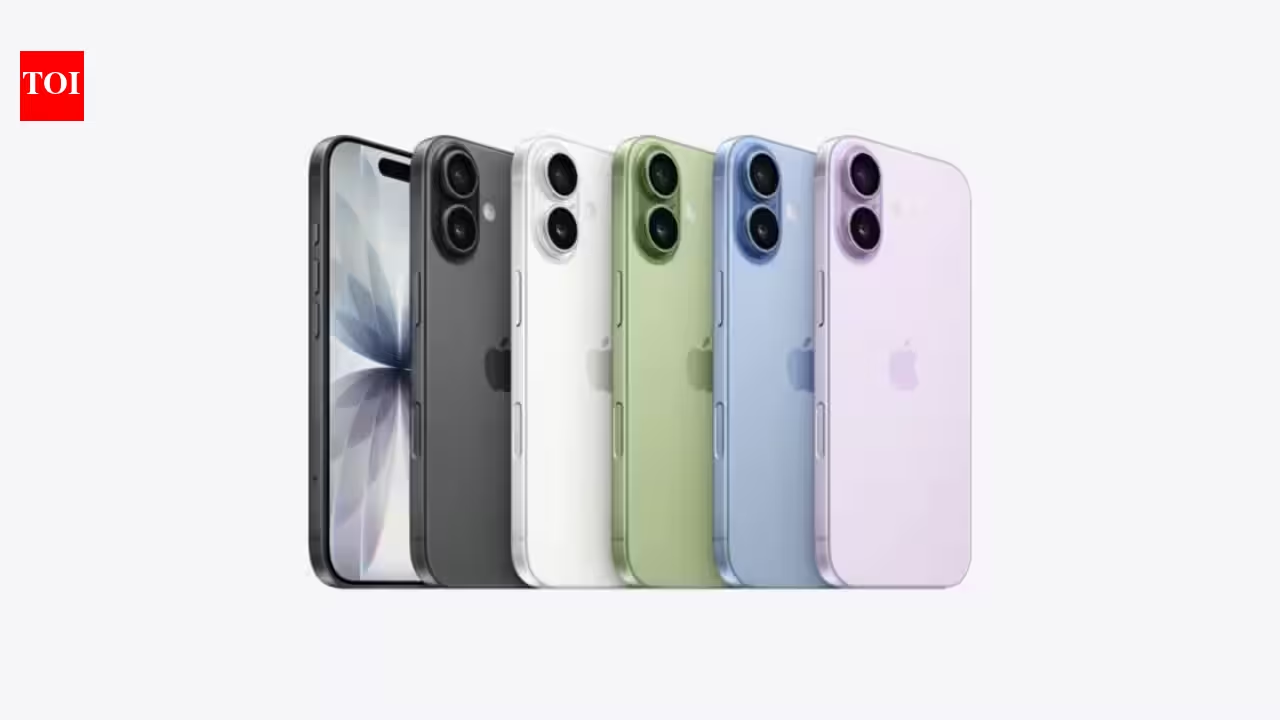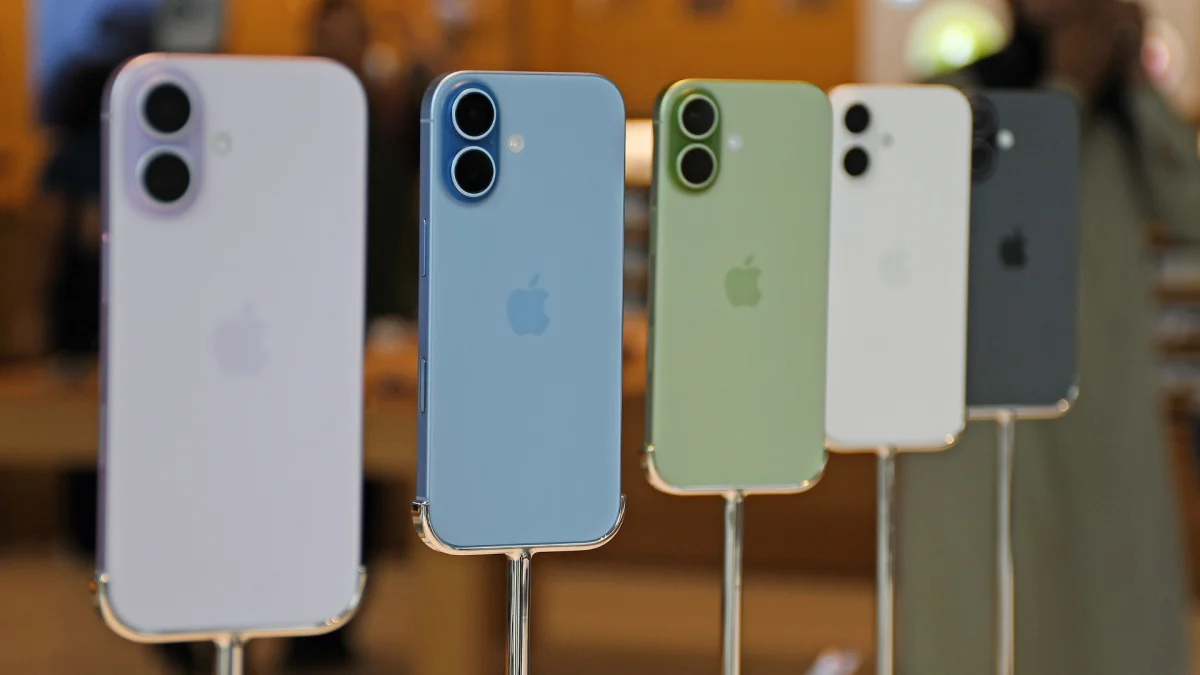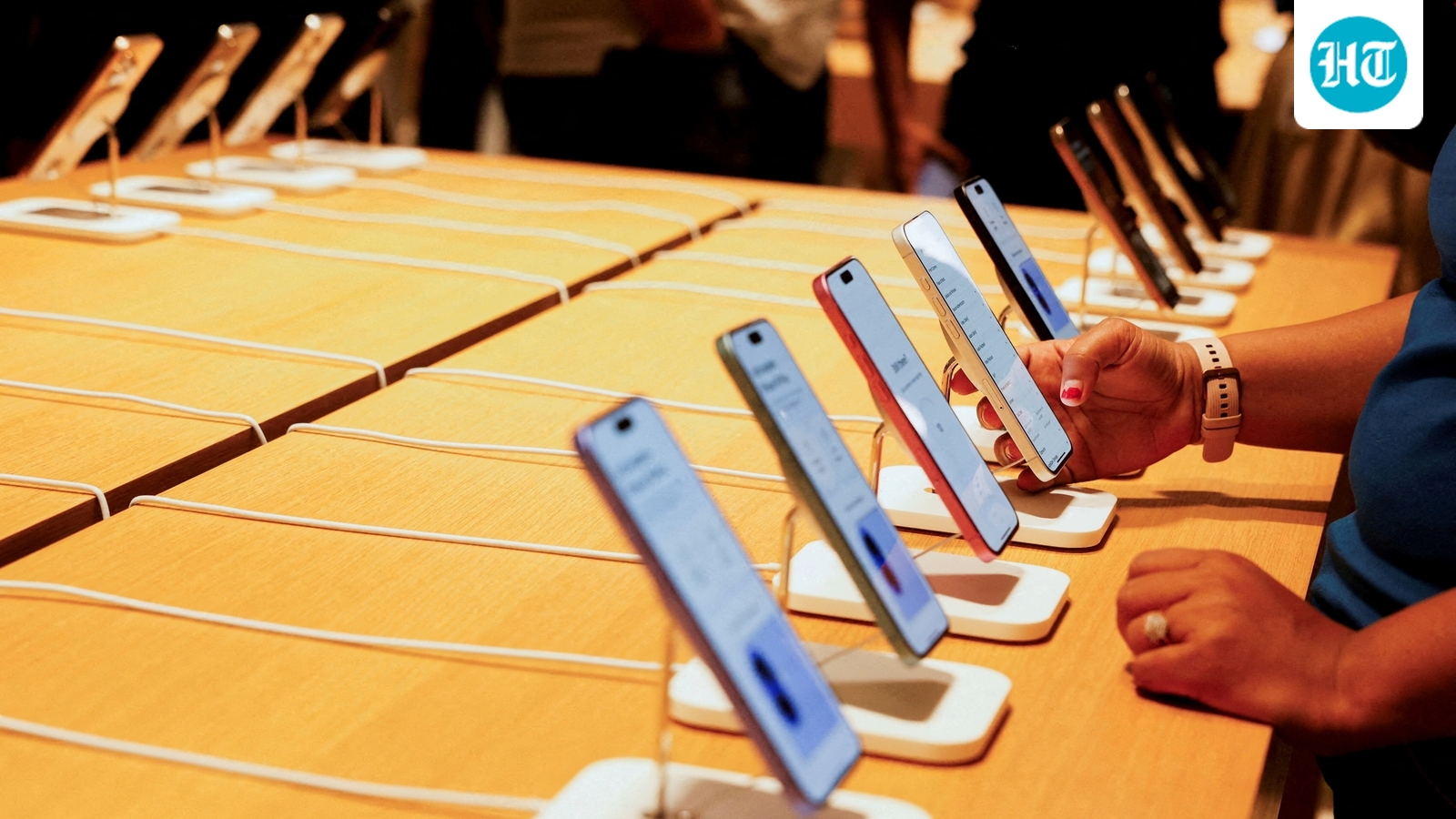
It's the time of the year when Apple brings out its newest devices. Marking the first major launch under newly-appointed CEO John Ternus, the iPhone 18 lineup was introduced at the "Surprise and Shine" event at Apple Park in Cupertino, California.Prices of older models of iPhone have increased amidst the launch of iPhone 18. (REUTERS)While previous-generation models typically drop in price following a new release, Apple has taken a different approach this year by hiking prices across its latest lineup in India, led by a steep ₹17,000 jump for the standard iPhone 17.Also Read: iPhone Duo, iPhone 18 Pro, and Apple Watch 12: Apple’s John Ternus era beginsThe base iPhone 17 now starts at ₹99,900 for the 256GB model and costs ₹1,24,900 for the 512 GB version. Meanwhile, the new iPhone Air starts at ₹1,49,900 for 256 GB, scaling up to ₹1,74,900 for 512 GB and topping out at ₹2,24,900 for the 1 TB model. The iPhone 18 Pro, on the other hand, now starts at ₹1,64,900 in India, which is roughly ₹30,000 more than what 17 Pro had asked for at the launch.The budget-focused iPhone 17e saw the sharpest proportional increase. Its 256 GB model now costs ₹79,900 and the 512GB version is priced at ₹1,04,900—up significantly from its March launch prices of ₹64,900 and ₹84,900, respectively.Also Read: HT Morning Brief Sept 10: Apple iPhone 18 unveiled; politicians join 1980's trend; revelation in Red Fort blast probeThese adjustments come on the heels of price increases across several other product categories in the last two months. Apple has been facing mounting pressure from rising memory and component costs, as an ongoing chip shortage hits iPhones and its wider device lineup.Consumer electronics prices have risen over the past year as AI's booming demand for data-center chips squeezes global chip supply, The Washington Post reports.Also Read: Apple iPhone 18 launch highlights: iPhone Duo, Apple's first foldable phone, out; iPhone 18 Pro, Pro Max unveiledArtificial intelligence's soaring demand for silicon chips is straining supply for consumer electronics, driving memory and component prices higher.As former CEO Tim Cook previously explained to The Wall Street Journal, price bumps have become unavoidable to offset soaring memory and storage chip expenses, driven largely by a surge in AI data center demand that has sparked fierce competition for shrinking component supplies.
iPhone 18 launches, but iPhone 17 gets the price hike — up by ₹17,000
The iPhone 18 Pro, on the other hand, now starts at ₹1,64,900 in India, which is roughly ₹30,000 more than what the 17 Pro asked for at launch. | Business News
383 words~2 min read