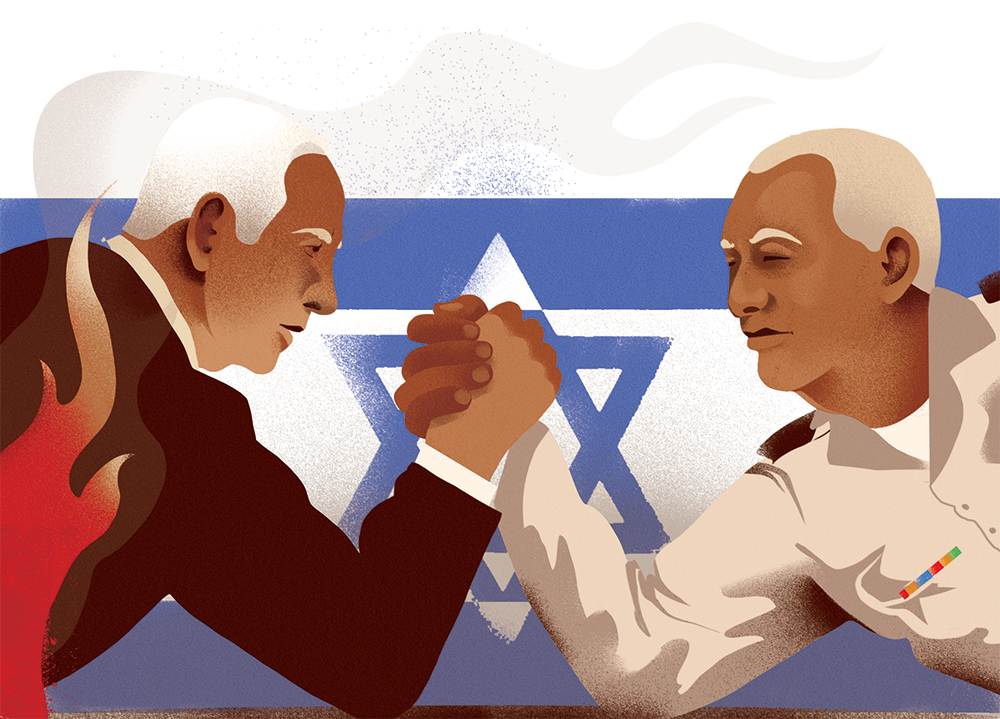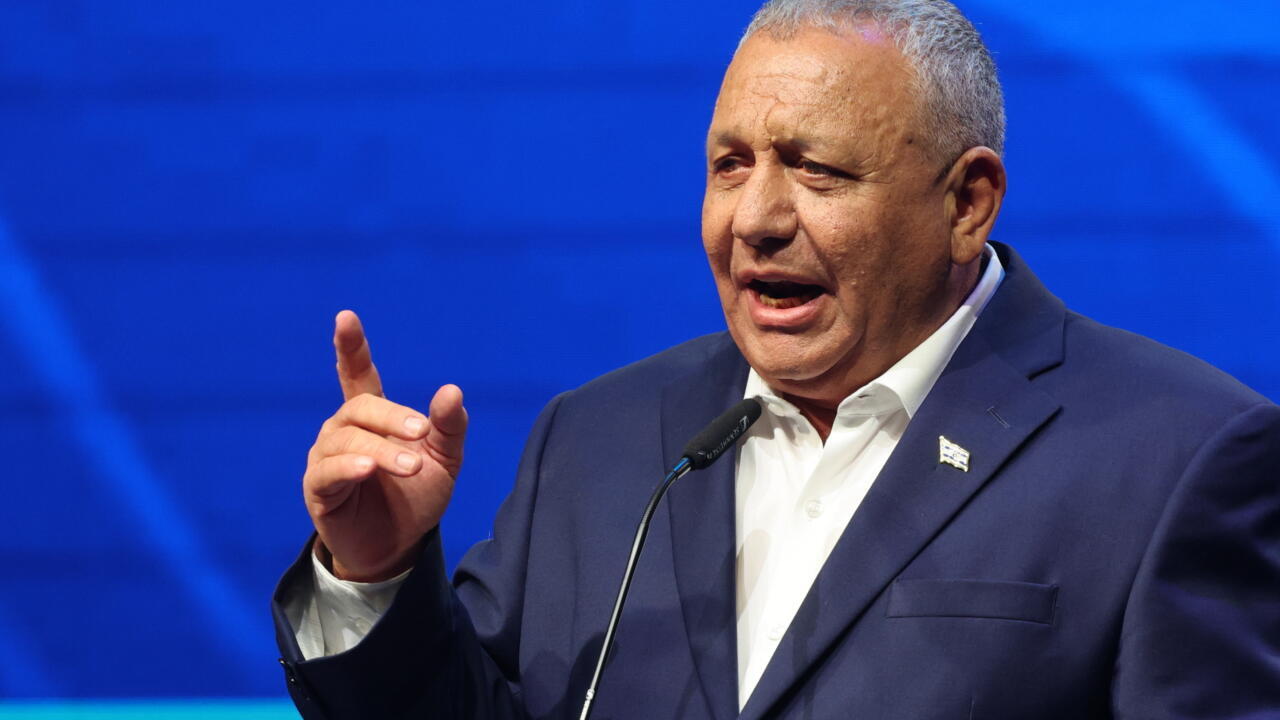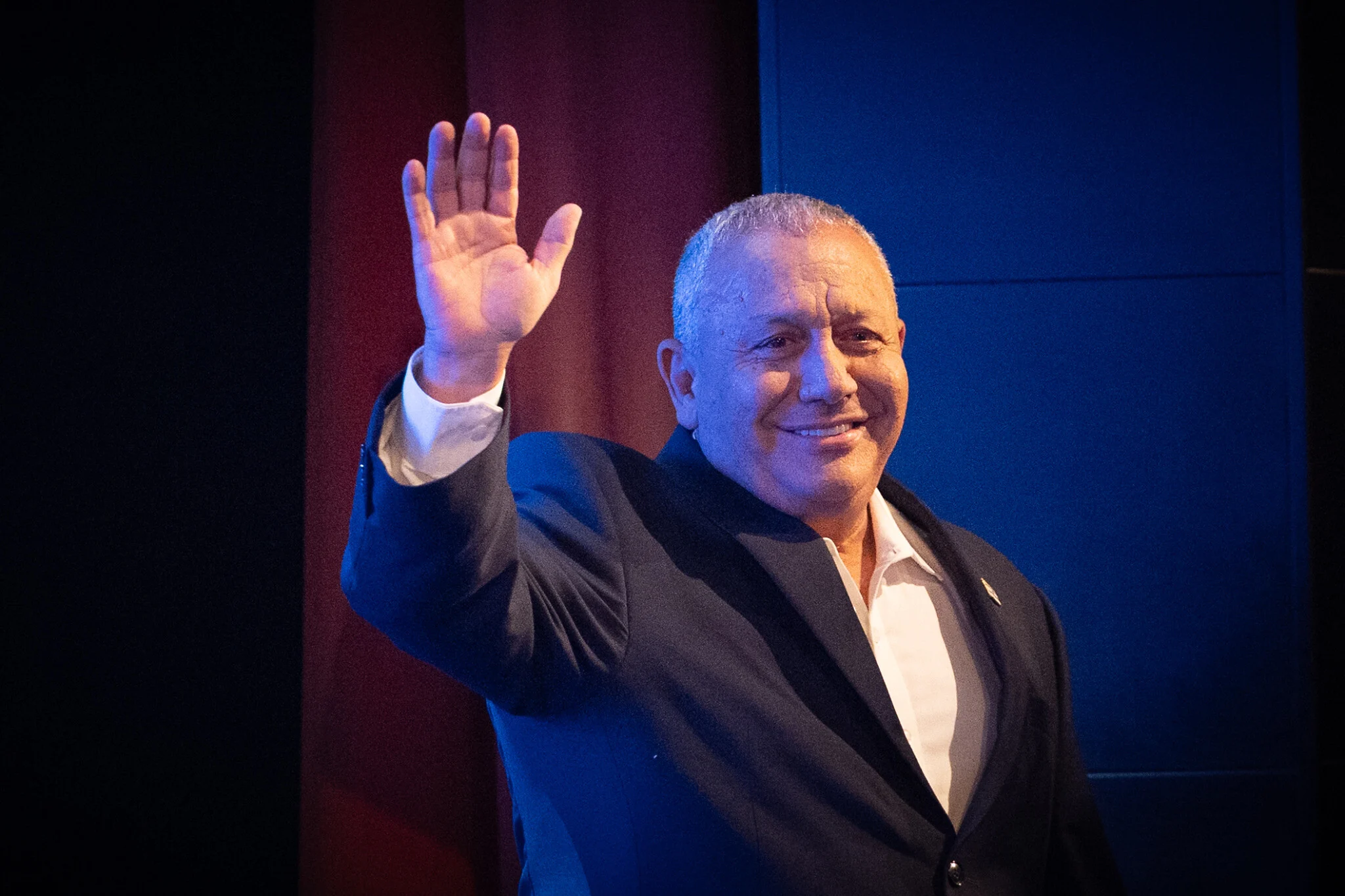
JTA — If you believe the polls, Prime Minister Benjamin Netanyahu — Israel’s dominant political player and media maestro since 2009 — will see his Likud outscored in the October 27 election by a party founded by a relative political neophyte with relatively limited communications skills and a nondescript platform.
How is that possible?
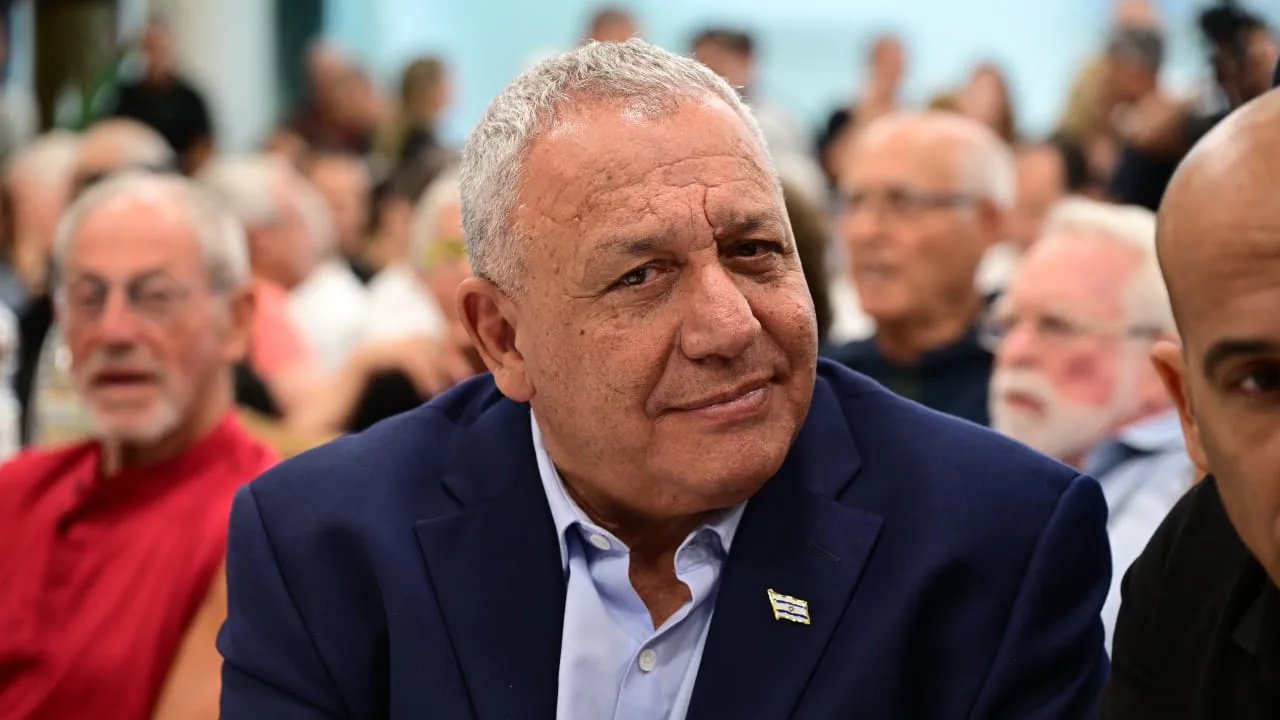
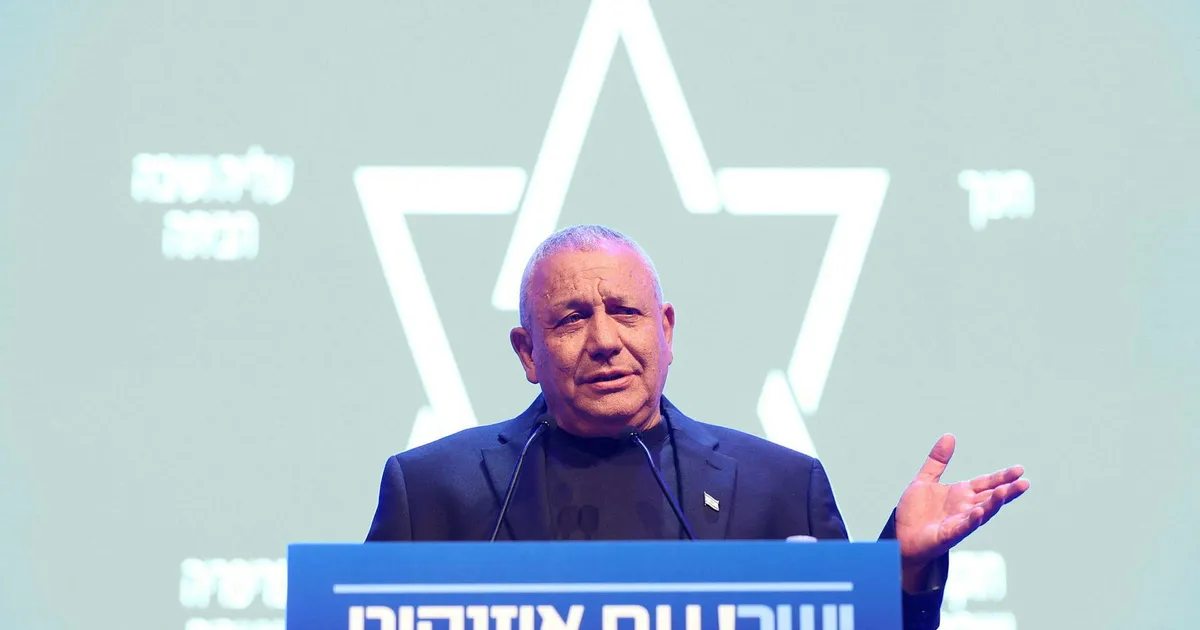
The rise of the potential usurper, former Israel Defense Forces chief of staff Gadi Eisenkot, who has emerged as the (uncrowned) leader of the Zionist opposition bloc pushing to oust Netanyahu and his allies next month, is remarkable. He only formed his party, Yashar (Hebrew for “straight” or “honest”), less than a year ago, in September 2025. He lacks the political resume of many of his rivals within the opposition. He served as a member of Knesset for just three years in Benny Gantz’s National Unity party and for just eight months in Netanyahu’s war cabinet.
His party platform also doesn’t stand out — it positions itself somewhere in the political center, with its stated goals neither distinct nor specific: “Seeking truth, rehabilitating Israeli society after the war and strengthening the country in the long term.”
In a move designed to curb Eisenkot’s rise and end his bid to become prime minister, his main opposition rivals — former prime ministers Naftali Bennett and Yair Lapid — merged their parties in April to create what they hoped would be a new center-right political juggernaut. In doing so, Bennett seemed poised to take over as the sole candidate who could beat Netanyahu.