The year is 2019 and, after almost a full term in office, Benjamin Netanyahu’s coalition government of right-wing and religious parties heads to a general election. Opposing him is a former IDF chief of staff heading a new centrist party which quickly soars in the polls, making him the main challenger for prime minister.
That challenger was Benny Gantz. Gantz formed alliances, fought elections and got caught up in the paralysis of Israel’s 2019-20 governing crisis in which nobody was able to form a coalition. Facing the threat of the Covid-19 pandemic, Gantz agreed to a deal with Netanyahu where they’d take turns at being prime minister – with Netanyahu going first, of course. Nobody except Gantz believed his turn would come.
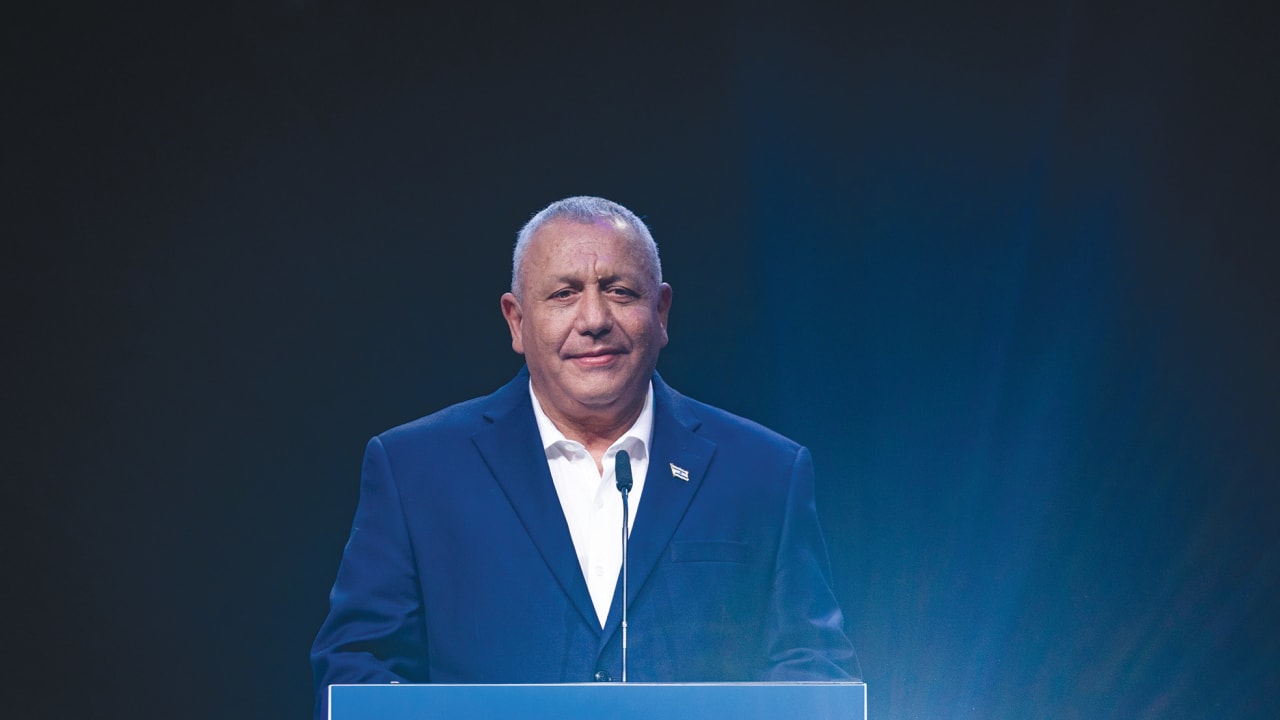
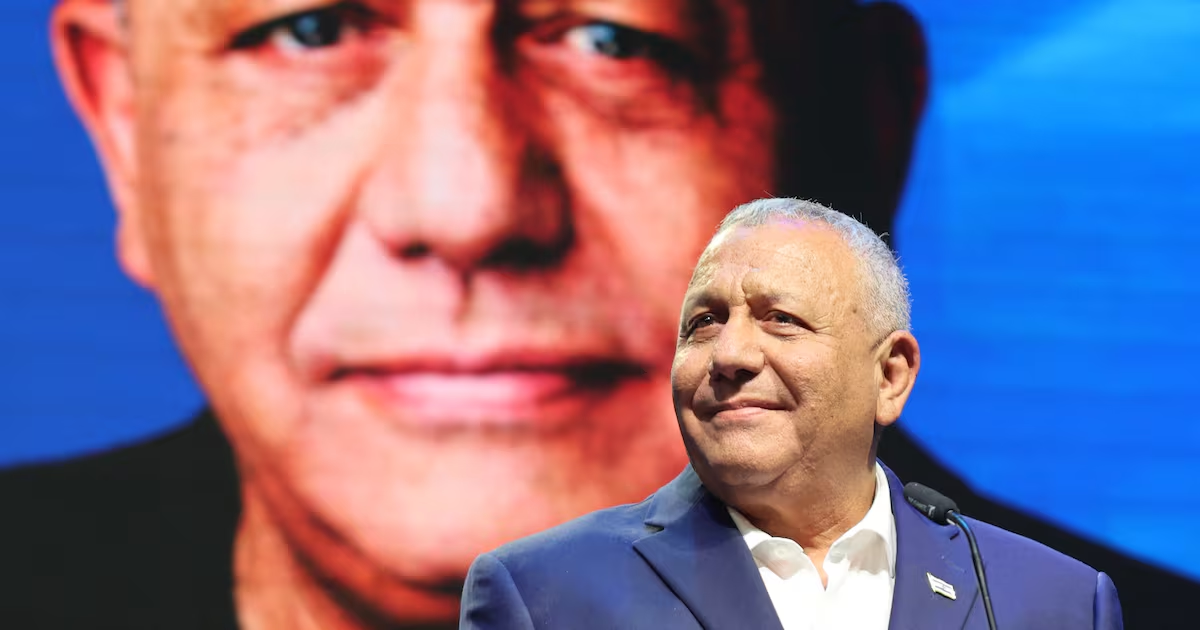
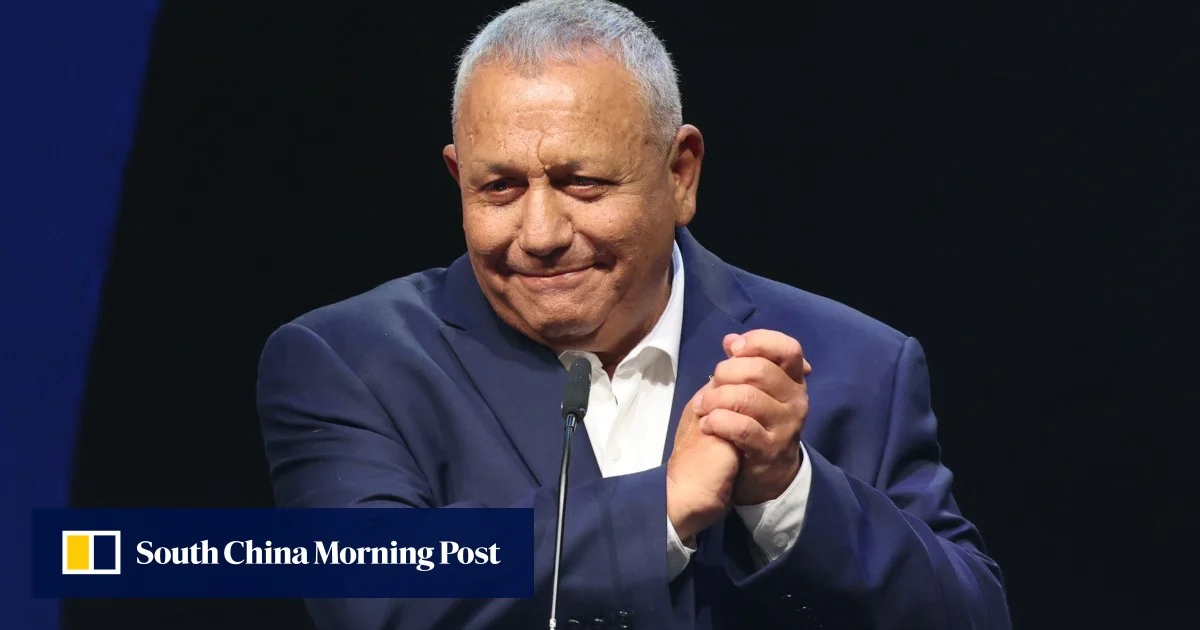
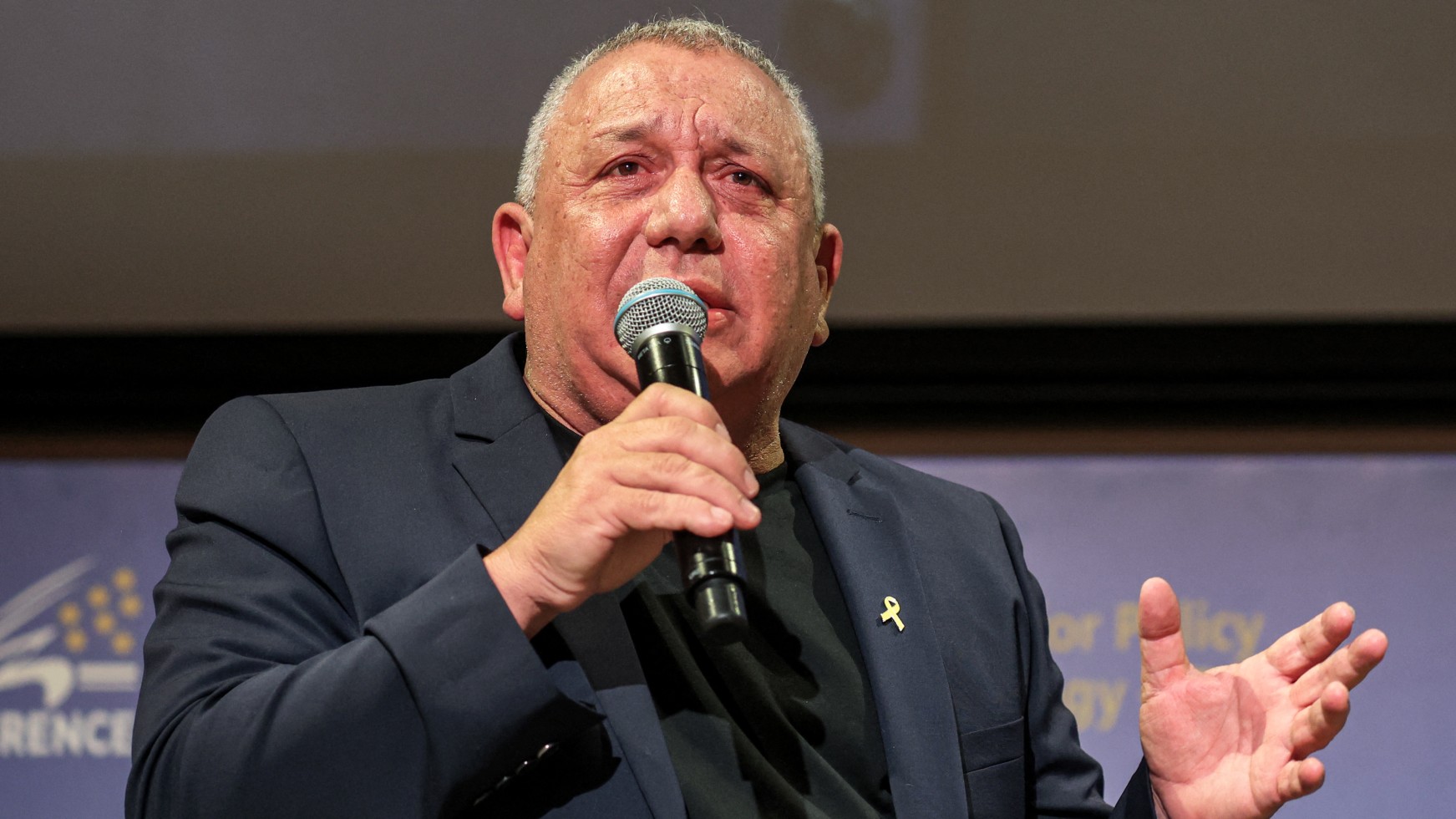
It is August 2026 now and, after a full term in office, Netanyahu’s coalition government of right-wing and religious parties is heading to a general election. Opposing him is a former IDF chief of staff leading a new centrist party as the main challenger for prime minister. It’s a cliché to say this time it’s different. It’s always different. But Gadi Eisenkot, Netanyahu’s main electoral rival, has a compelling background, a moving personal story and is now leading the polls.