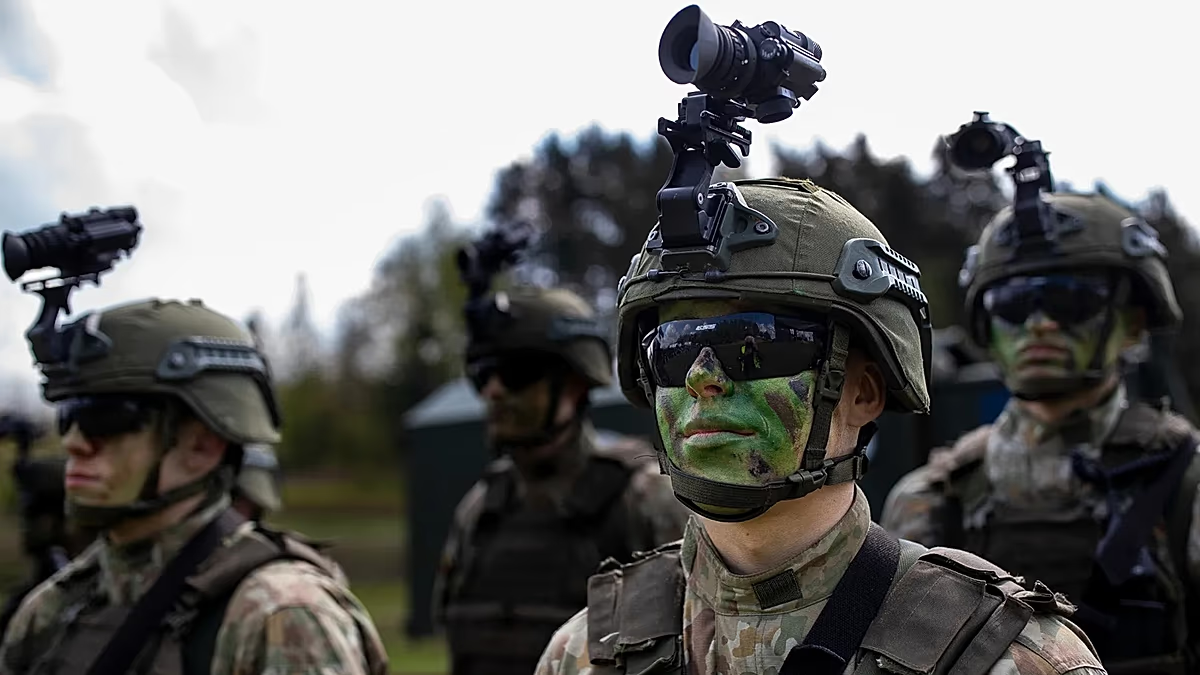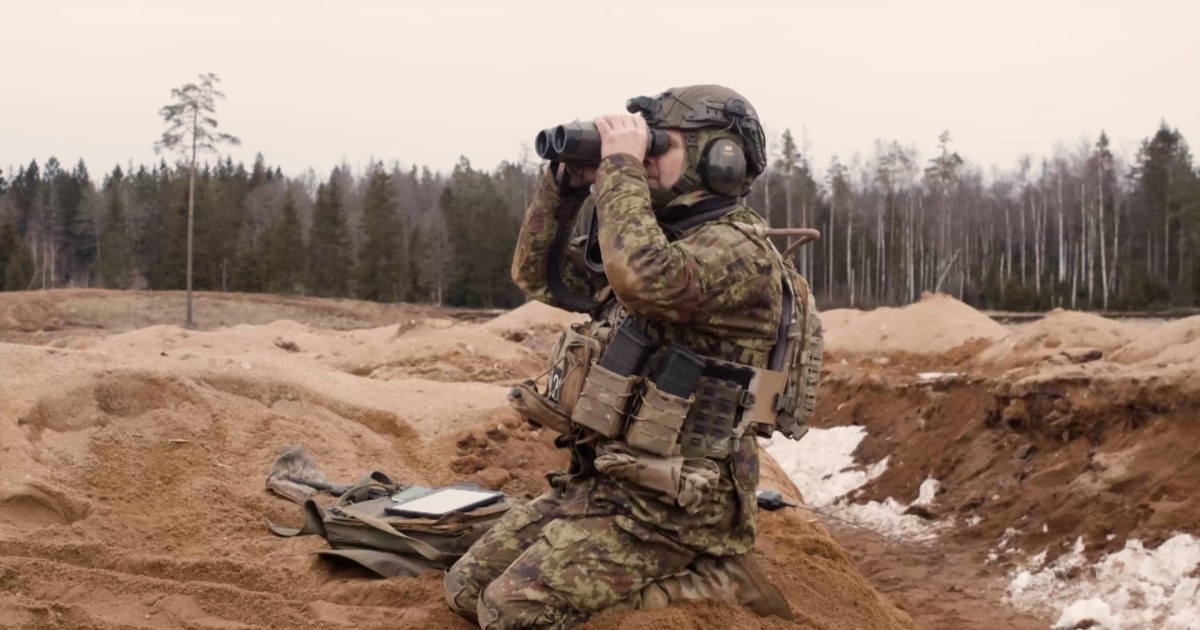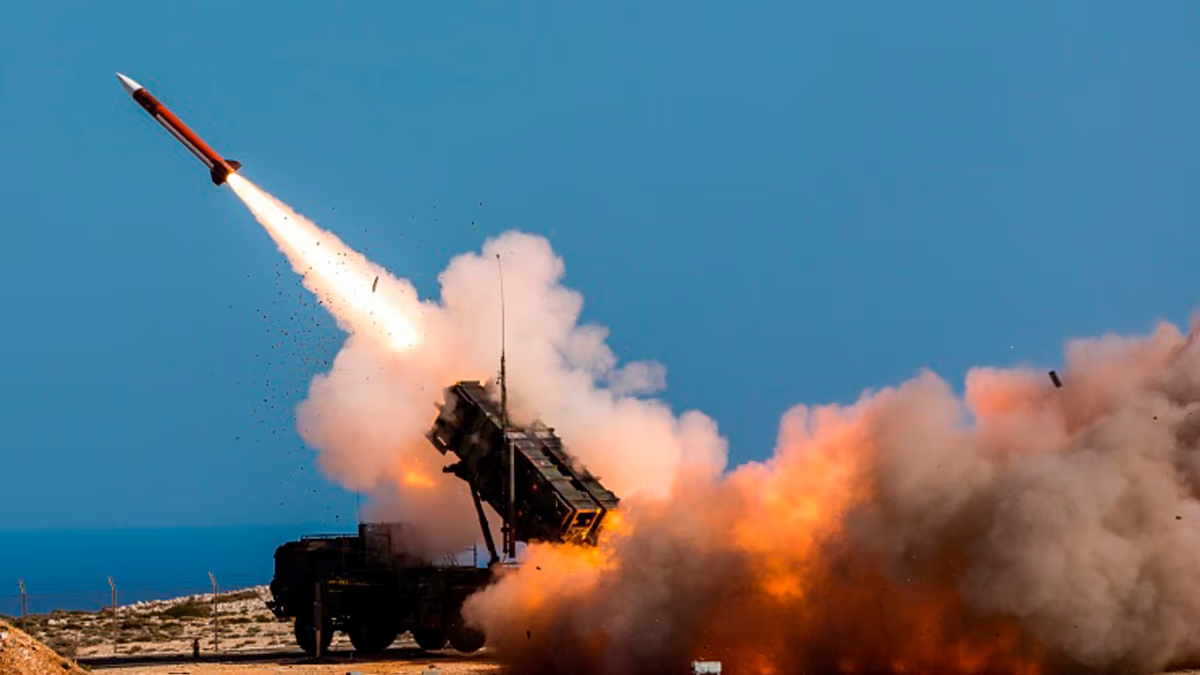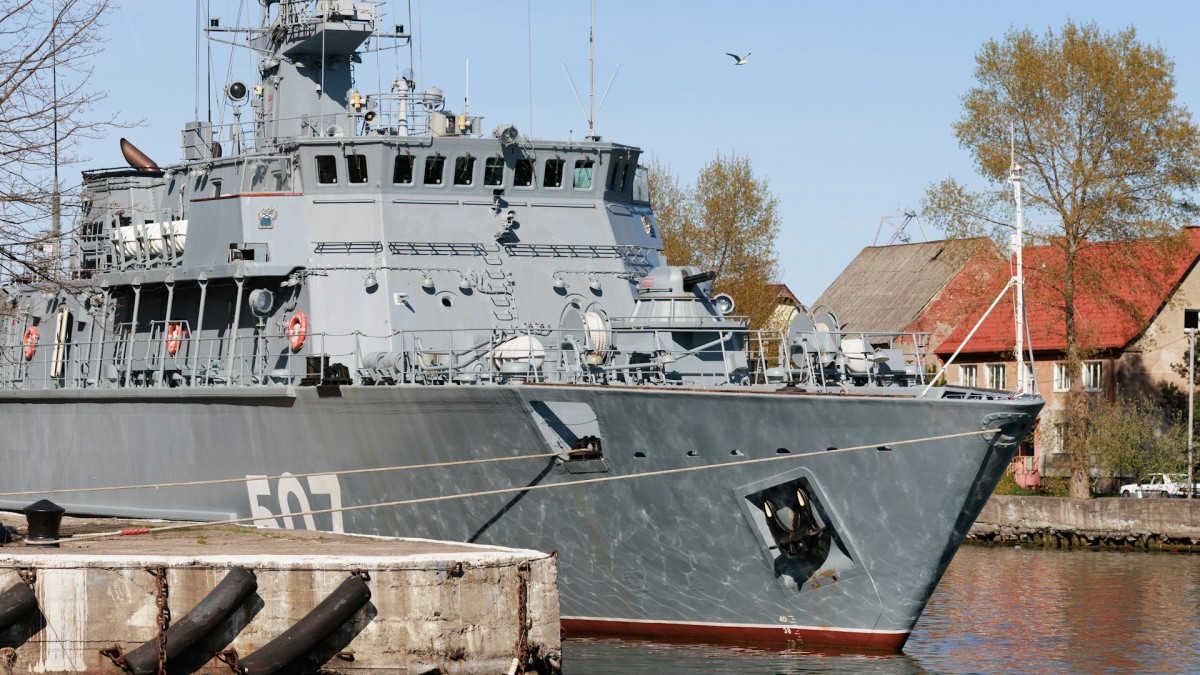
One thing is certainly clear from the conversations I’ve had with diplomats in the city’s old town to drone producers in the countryside. The small Baltic nation is preparing — and has been preparing for decades — for Russia’s worst case scenario, while continuing its unwavering support for Ukraine.
This was made abundantly clear while walking past the Russian embassy in the city centre. The building is located on a 65-metre long street that in 2022 was renamed Ukrainas neatkarības iela, which in English means Ukrainian Independence Street. The embassy itself is surrounded by buildings showing unflattering illustrations of Russian President Vladimir Putin.
For Latvians, this heightened security reality is ever present, with the country's prime minister Andris Kulbergs reiterating on Wednesday the frontline country needs billions of extra EU funds to support its defences.
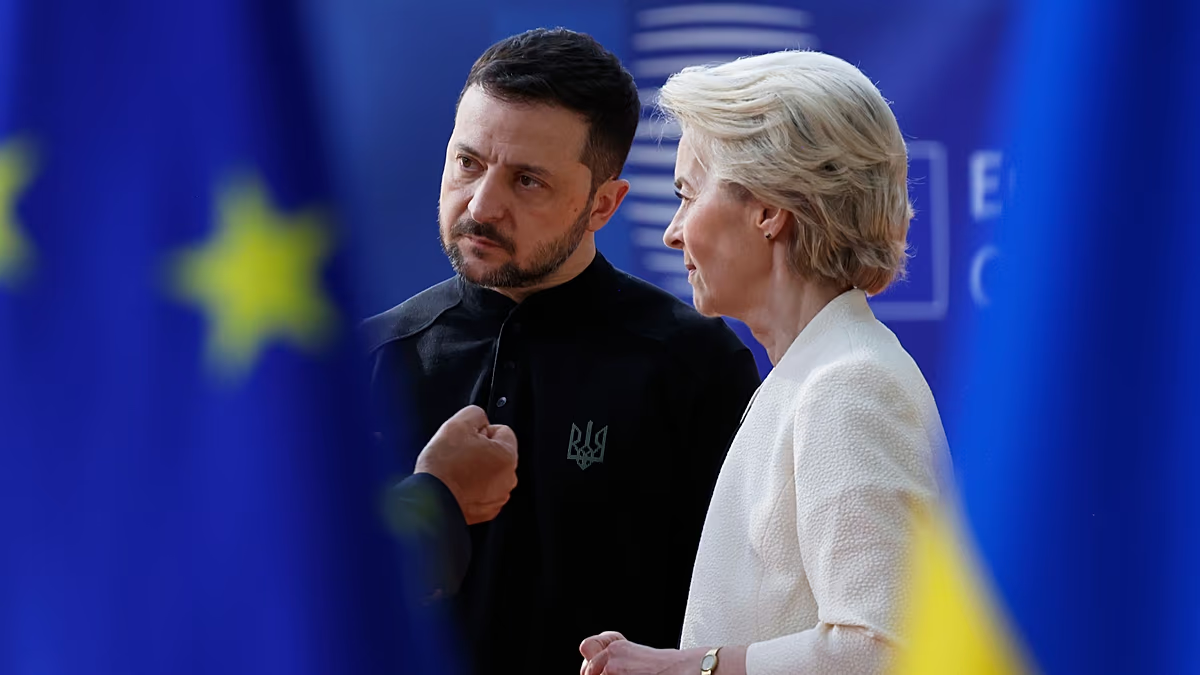
A near miss: This threat was underscored when a plane carrying Ukrainian President Volodymyr Zelenskyy from Moldova to Oslo was nearly hit by an unmanned aerial vehicle late Wednesday night. This is according to comments made by Norwegian Prime Minister Jonas Gahr Støre.
But the threat isn't simply physical, it is also manifesting in political spheres.