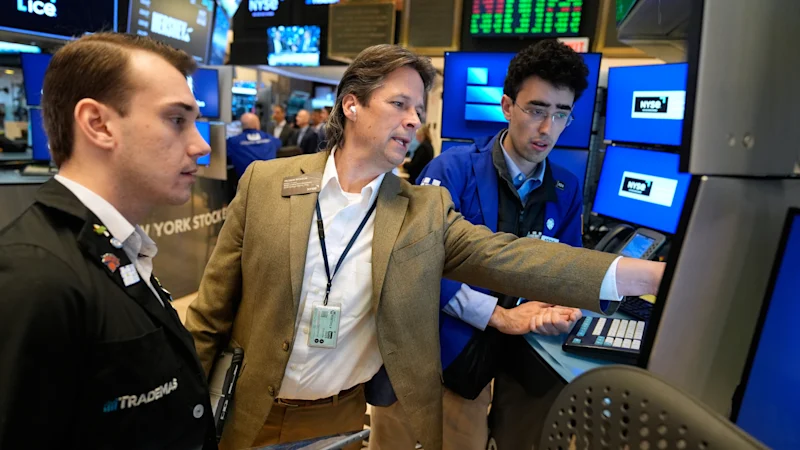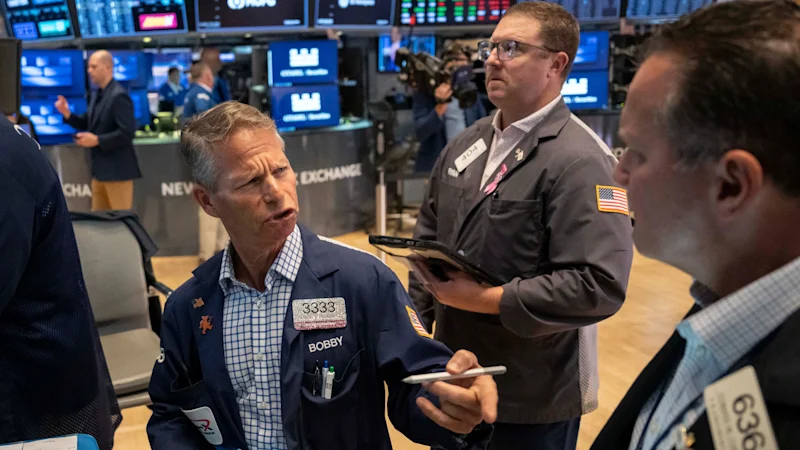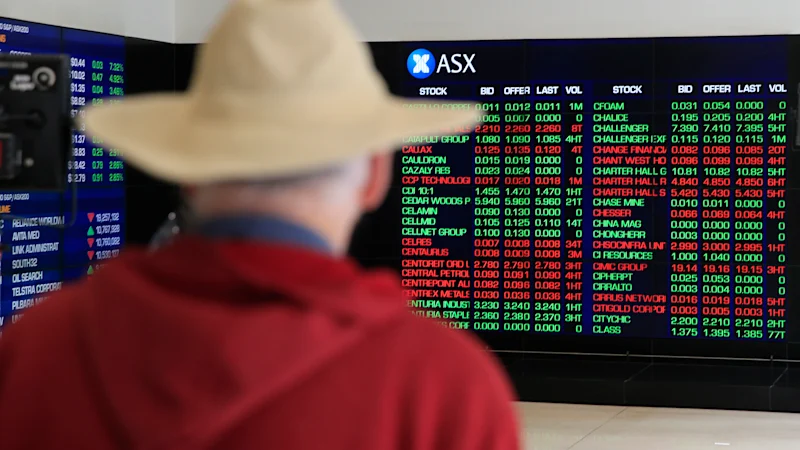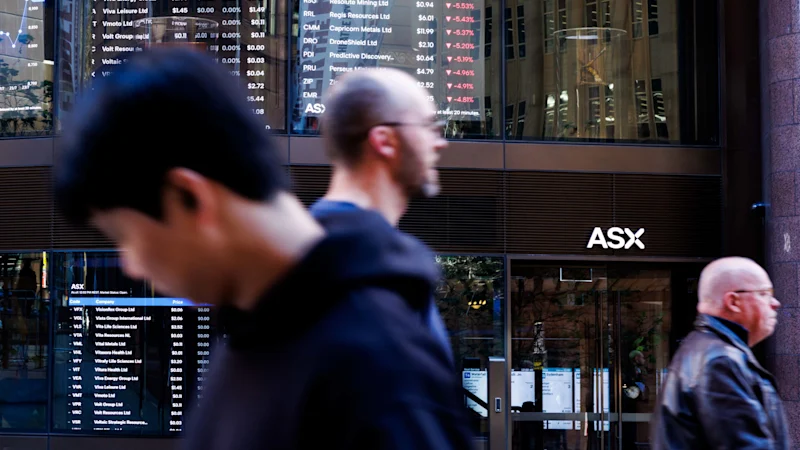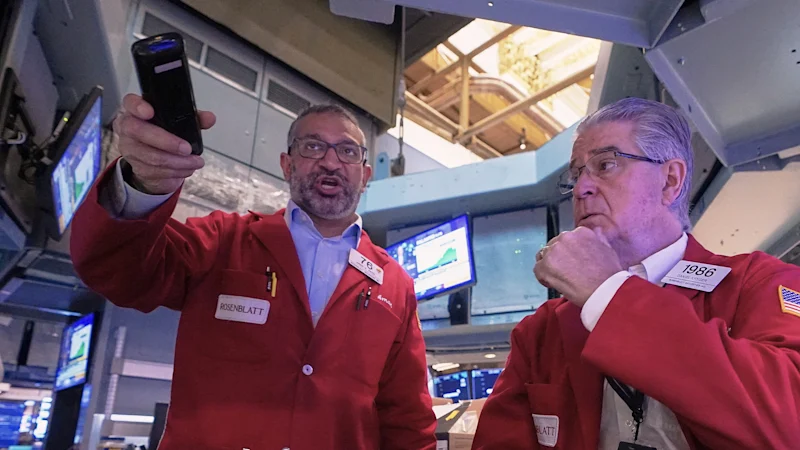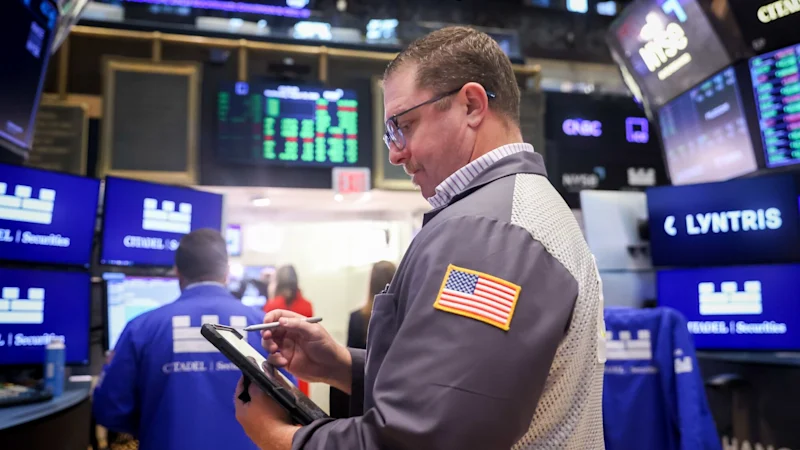
Staff writersUpdated September 10, 2026 — 5:44pm,first published September 10, 2026 — 5:27amThe Australian sharemarket slumped to a fresh six-week low on Thursday as crude oil traded above $US100 a barrel amid further escalation in the US war with Iran, adding to concern that inflation will accelerate and prompt higher interest rates.Falling for its third-straight session, the S&P/ASX 200 lost 92 points, or 1 per cent, to close at 8819.40, its lowest level since late July. All 11 sectors finished in the red, with miners, banks and tech stocks leading the declines. The Australian dollar was trading at US72.16¢.Wall Street’s losses were broad, and the Australian sharemarket didn’t fare much better.APBrent crude rose to almost $US102 a barrel after Iran vowed it was prepared for a more intense war and US President Donald Trump said prices will remain elevated until after the midterm elections in November. Prices eased over the session to a tick above $US100 at the time of the ASX close.“The temperature just got turned up again,” said Kenny Polcari at SlateStone Wealth. “The risk premium is alive and well, and the risk to energy supplies coming out of the Gulf is real.”At the same time, US Treasury 10-year yields held near Wednesday’s high of 4.85 per cent after the US government’s plan to buy up to $US6 billion of longer-dated debt failed to impress investors, while Australia’s 10-year bond yields jumped to 5.25 per cent.The combination of elevated oil prices and bond yields leaves markets particularly sensitive to Friday’s US inflation report, which may determine whether the US Federal Reserve raises interest rates next week. A stronger-than-expected reading may reinforce bets on further tightening and put additional pressure on stocks and bonds.Australia’s Reserve Bank is also under increasing pressure to resume rate hikes as soon as this month, following strong inflation and economic growth. Money markets and economists reckon it will hike the cash rate to 4.6 per cent, a 15-year high, either in three weeks’ time or in November.The inflation and rate concerns weighed on financial stocks, with all big four banks finishing in the red: Commonwealth Bank 1.3 per cent, National Australia Bank 1.4 per cent, Westpac 1.6 per cent and ANZ Bank 0.4 per cent.Mining stocks fell sharply, with iron ore heavyweights weakening as the price of the key steel-making ingredient dropped below $US100 per tonne. BHP fell 1.8 per cent, Fortescue 2.4 per cent and Rio Tinto 2.7 per cent. Losses for gold stocks were more muted, with the price of the precious metal pushing back above $US4400 an ounce as traders awaited the US inflation data due for clues to whether the Fed will hike interest rates – which usually hurts the investment appeal of non-yielding gold. Northern Star lost 1.4 per cent and Evolution Mining 0.5 per cent.Energy stocks were mixed, even as oil prices continued to advance. Speaking before the Republican convention in Texas, President Trump downplayed concerns about fuel prices and a war he said will end after the midterm elections, though hostilities show little sign of easing. A senior official from the Islamic Republic said Iran will escalate its counter-strikes if the US continues attacking its territory and infrastructure.“Right after the election, oil prices are going to be tumbling downward,” Trump said. “I think the war’s going to end immediately after the election because they can’t hold out any longer.”Woodside Energy dipped 0.7 per cent and Ampol 0.3 per cent, while Santos edged up 0.1 per cent.Technology stocks posted the biggest losses in Thursday’s session, following their Wall Street peers lower, with WiseTech falling 1.6 per cent, Xero 4 per cent and AI data centre operator NEXTDC 3.8 per cent, amid concerns rising borrowing costs will hit the debt-heavy sector.Overnight on Wall Street the S&P 500 index fell 0.5 per cent, the Dow Jones Industrial Average 0.8 per cent and the Nasdaq composite 0.6 per cent.Wall Street’s losses were broad, with retailers among those leading the market lower. Amazon fell 1.8 per cent and Starbucks 1.9 per cent. Nearly every sector within the S&P 500 lost ground but oil companies pushed higher. ExxonMobil rose 2.2 per cent and Chevron 1.9 per cent.Oil prices drove much of the action on Wall Street, with the price of crude climbing over $US100 for the first time since July. The conflict that began in February has essentially shut down traffic in the Strait of Hormuz, where a fifth of the world’s oil supply passed before the war began.Inflation was already stubbornly high when the US started its war against Iran because of Trump’s ongoing trade war with the rest of the world. That trade war is also heating up, especially between the US and its close ally and trade partner Canada.The rising Treasury yields in the bond market were also weighing down Wall Street overnight. The US Treasury Department said it would buy back up to $US6 billion in long-term debt. That follows an announcement in August previewing plans for an unusually large buyback in an effort to contain rising yields, which make it more expensive for US companies to borrow money and also weigh down other investments, such as stocks.“The simplest version here is that market interventions have a long history of not working very well,” said Guy LeBas, chief fixed income strategist at Janney Montgomery Scott.Bond yields have an inverse relationship to prices. Yields rise as bond prices fall. Rising yields signal that investors are demanding a higher return from putting their money in government debt.Elsewhere on Wall Street, shares of Meta Platforms rose 6.6 per cent as the parent company of Instagram and Facebook launched a personal artificial intelligence agent, Muse, for people 18 and over who are looking for help with day-to-day tasks like schedules and shopping. Apple lost 0.3 per cent after unveiling its latest batch of products, including a foldable iPhone.From our partners
Miners and banks send ASX tumbling as oil prices, bond yields rise
The Australian sharemarket has slumped to a fresh six-week low as crude oil traded above $US100 a barrel amid further escalation in the US war with Iran.
977 words~4 min read