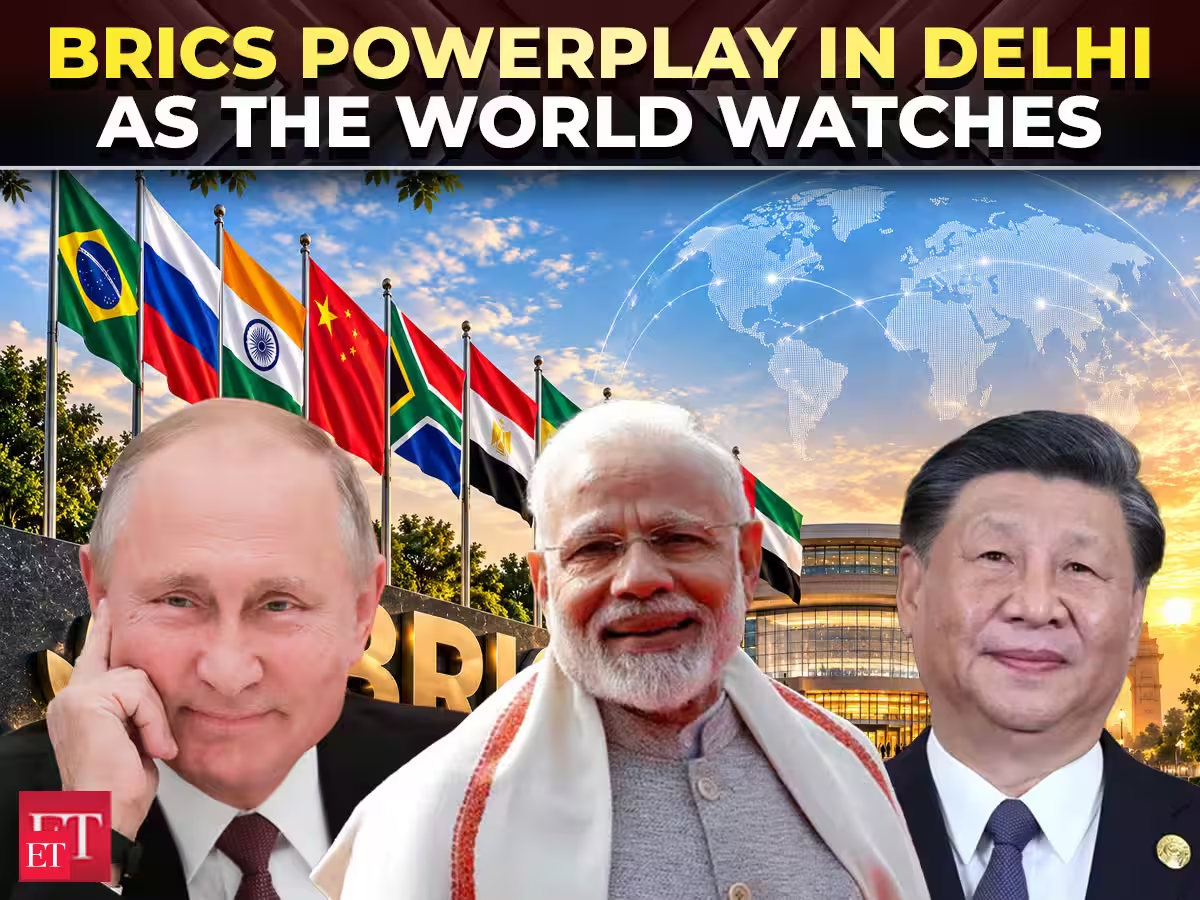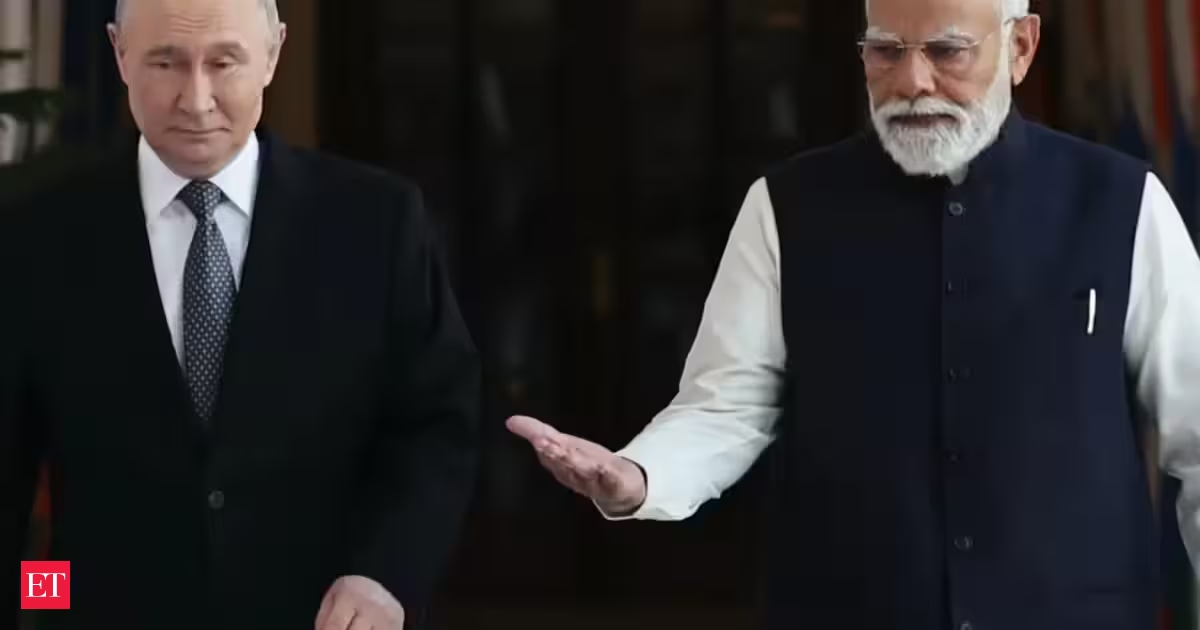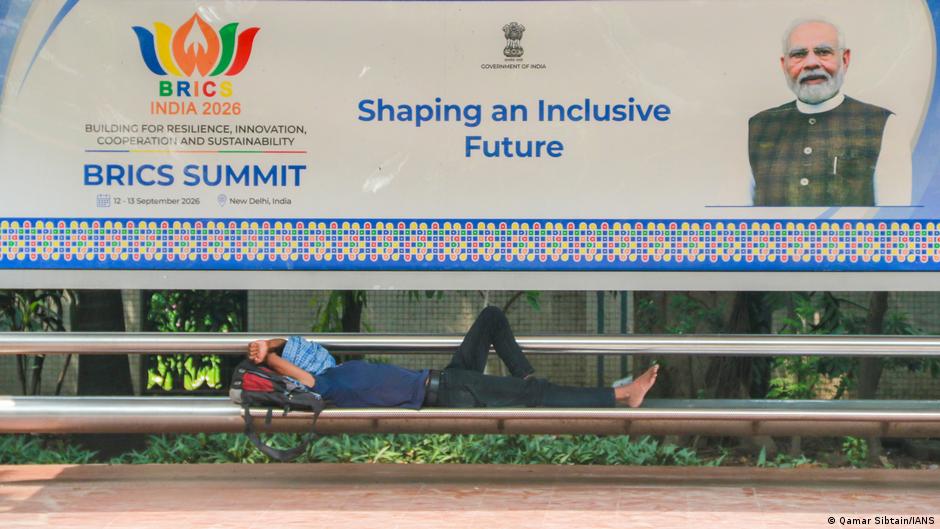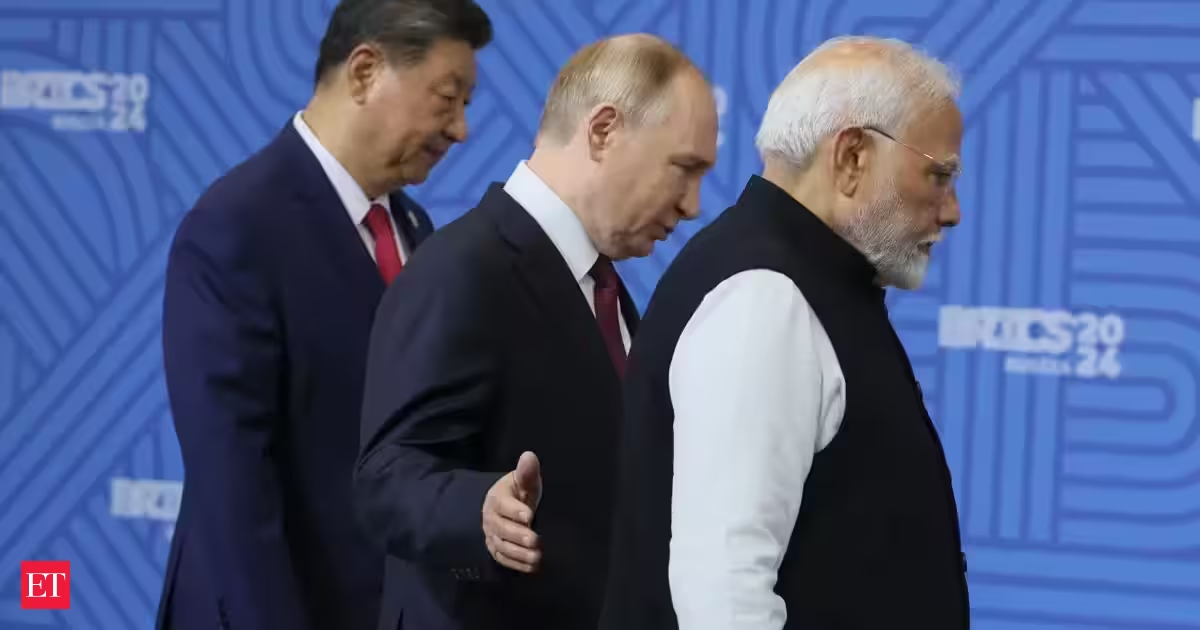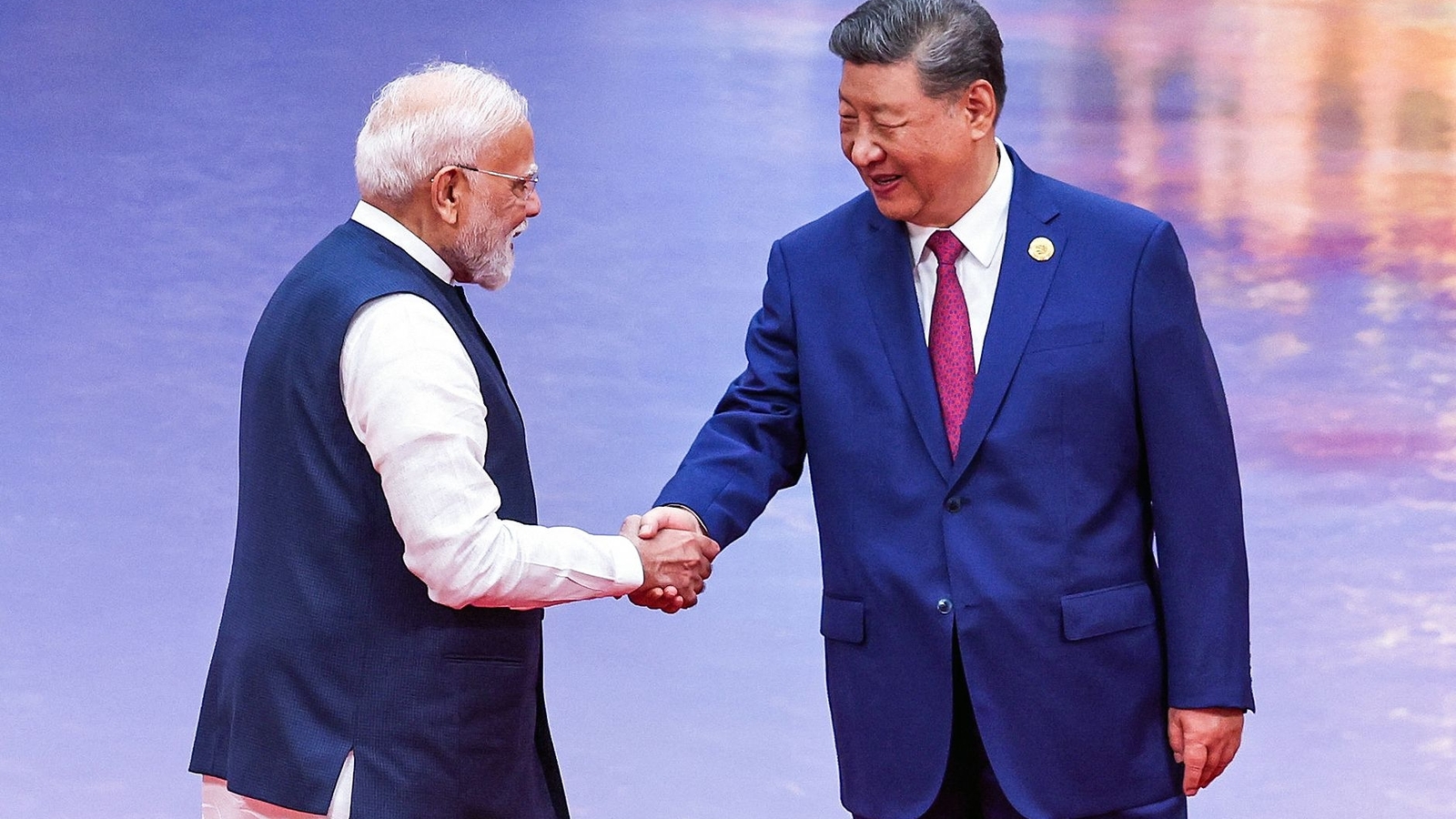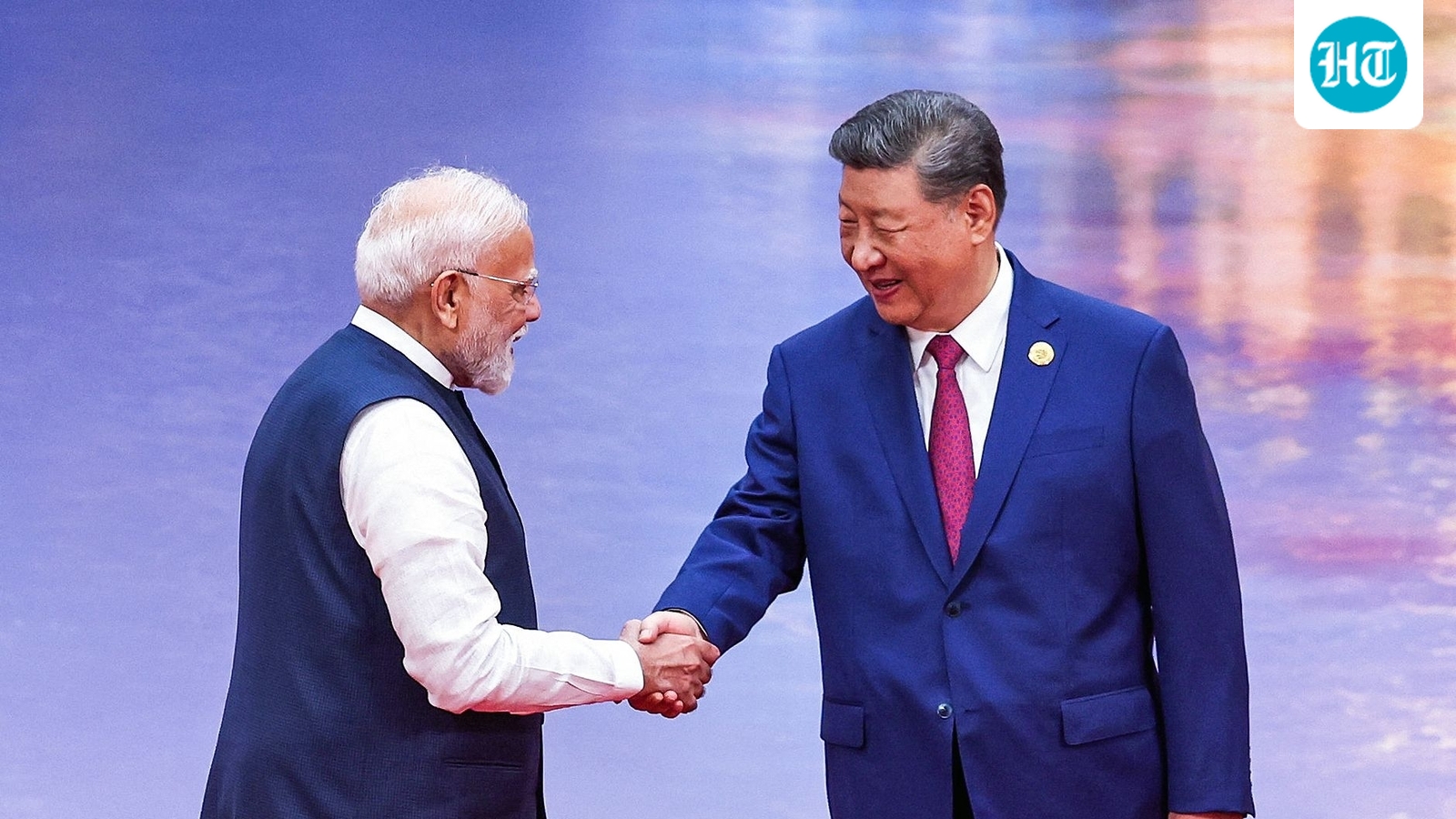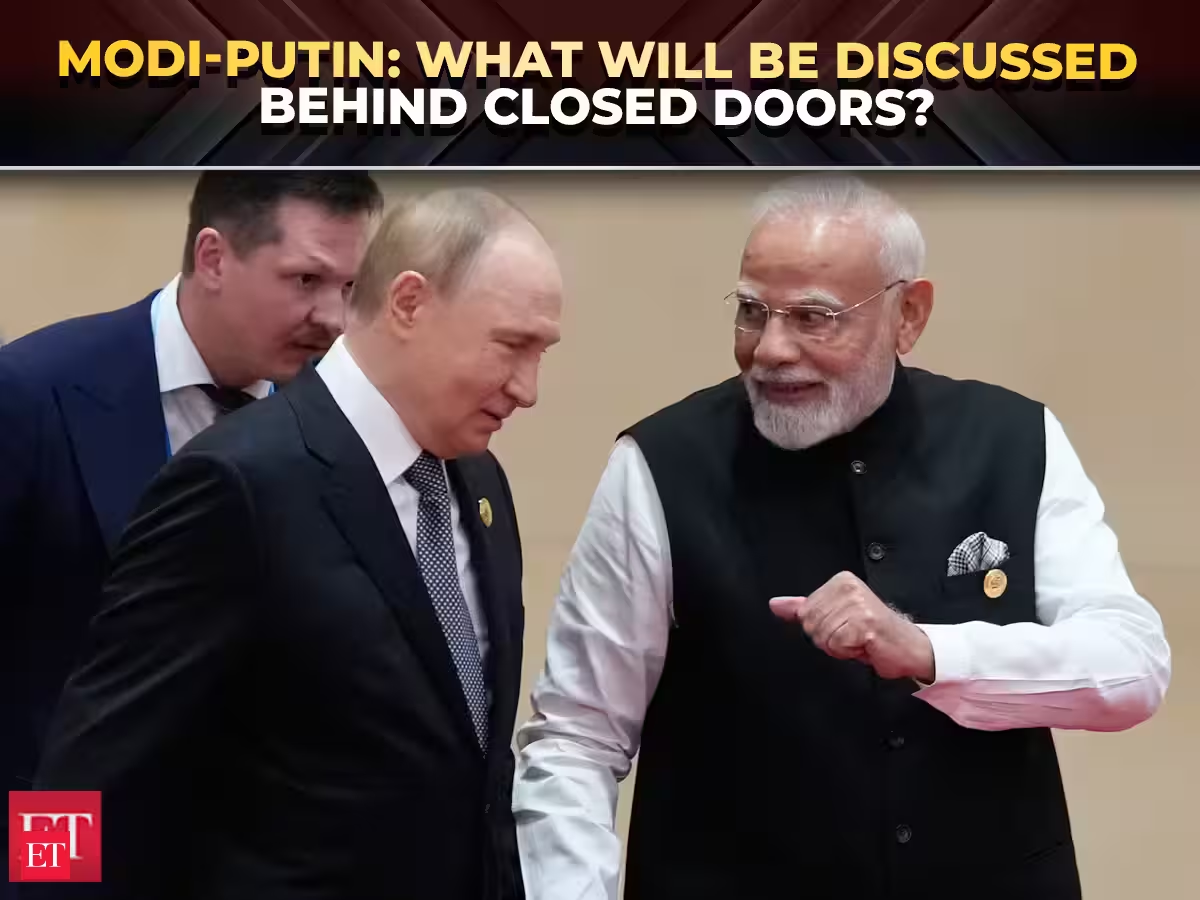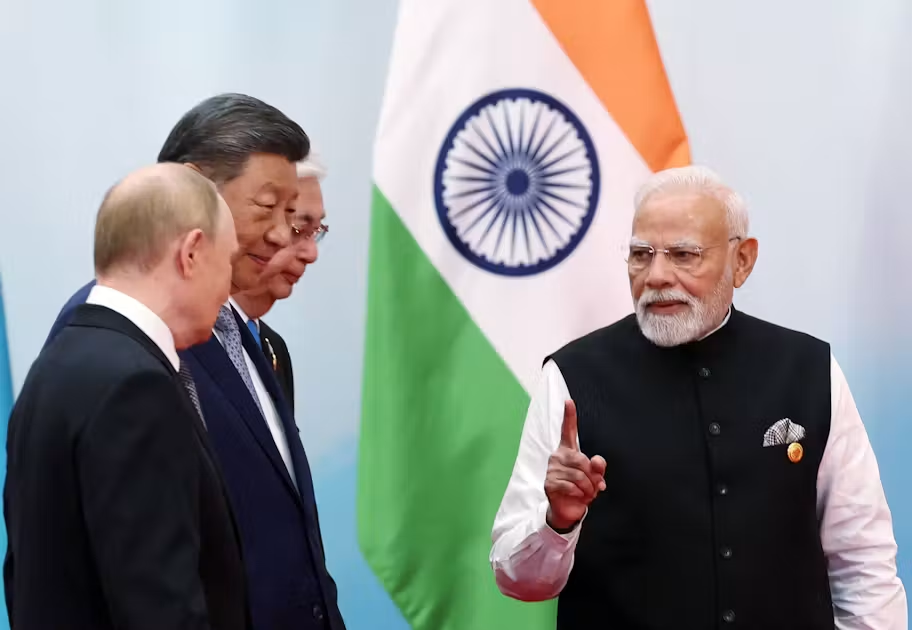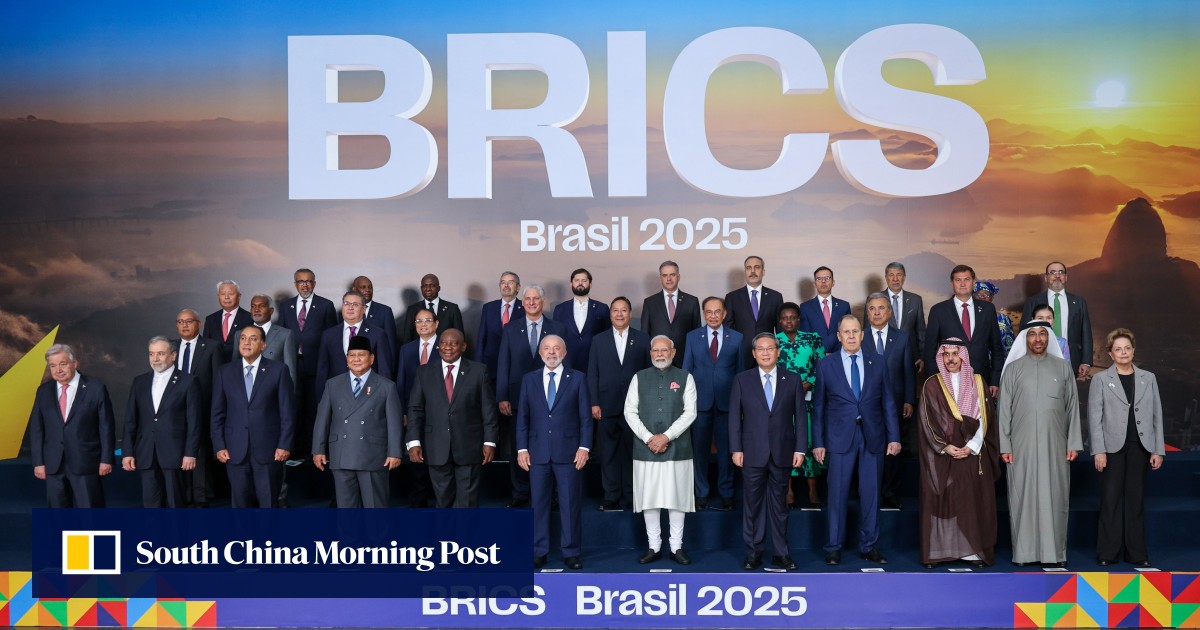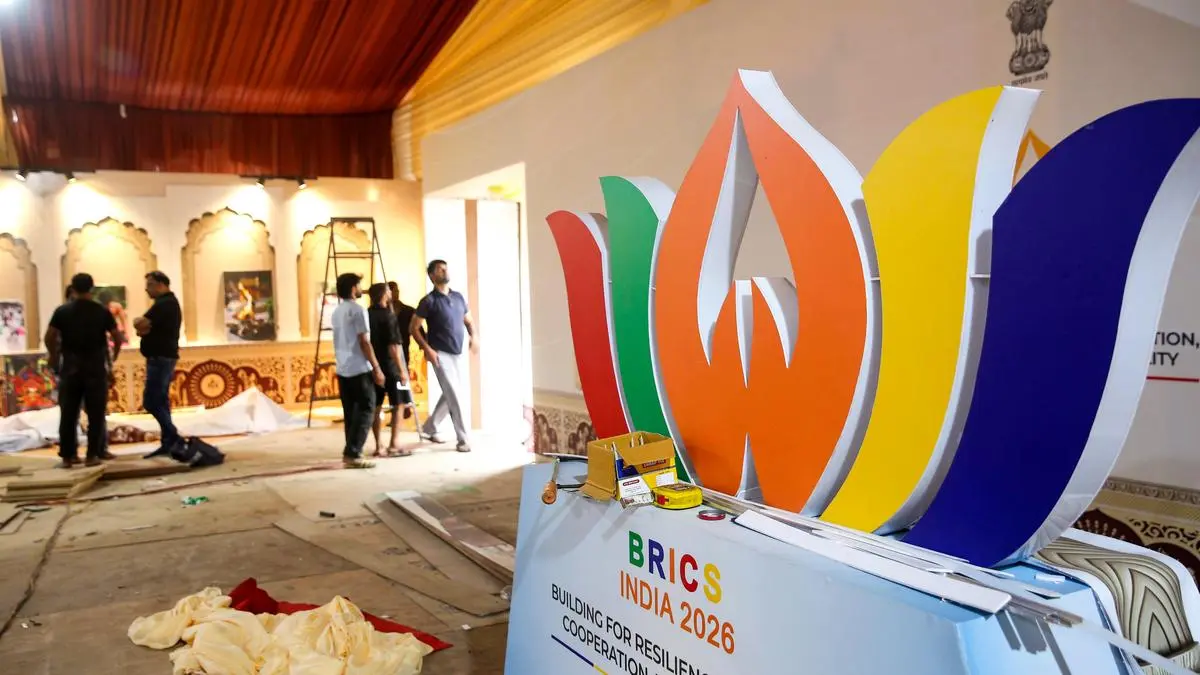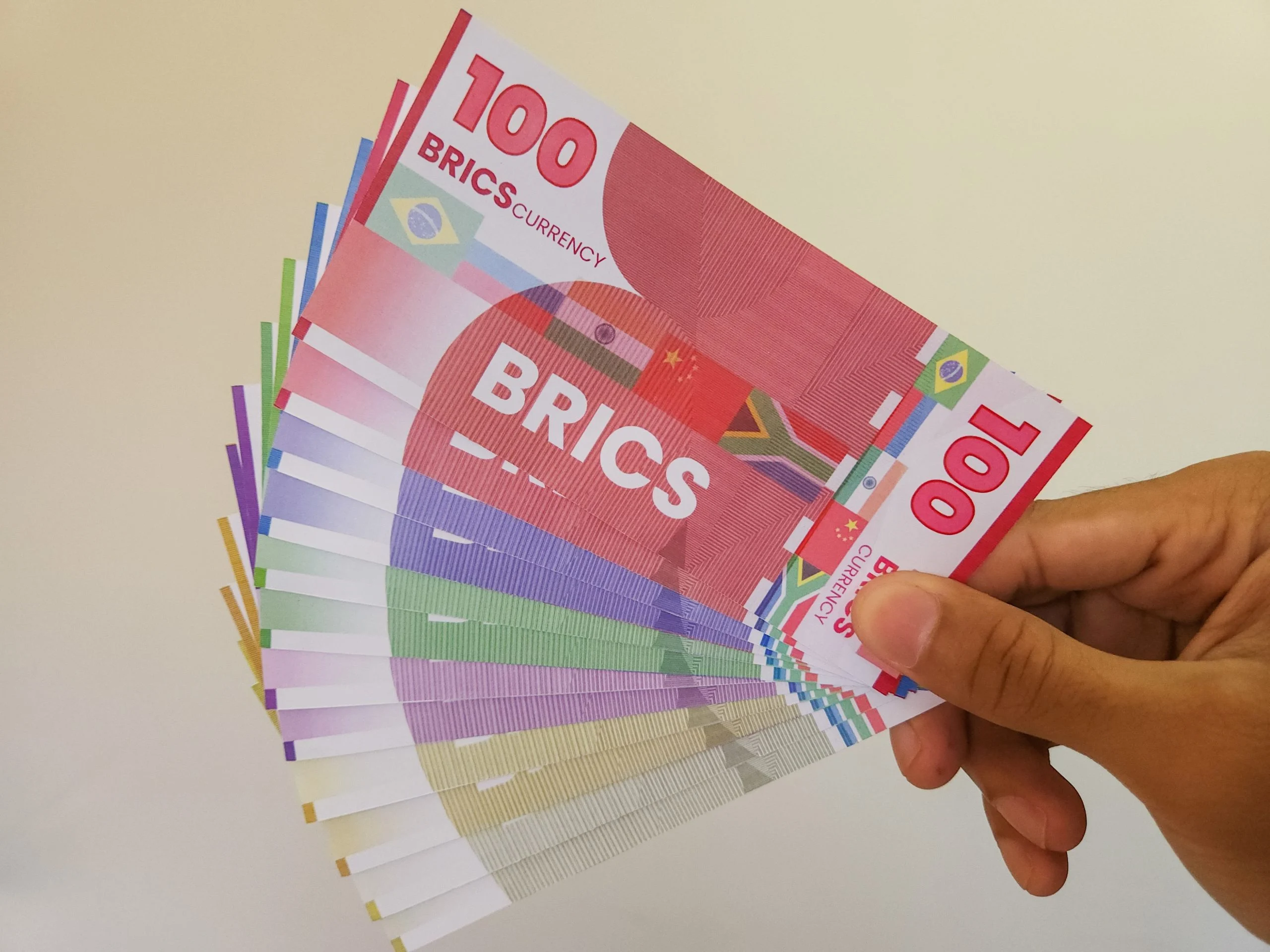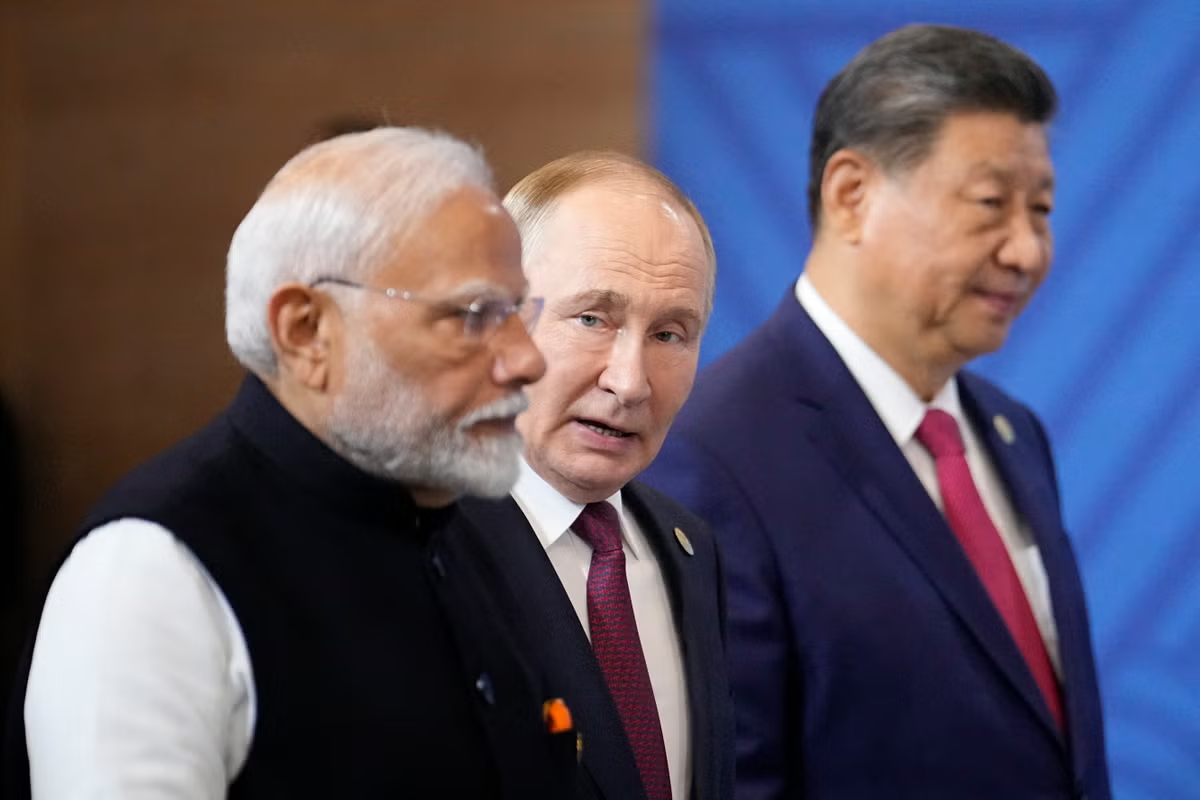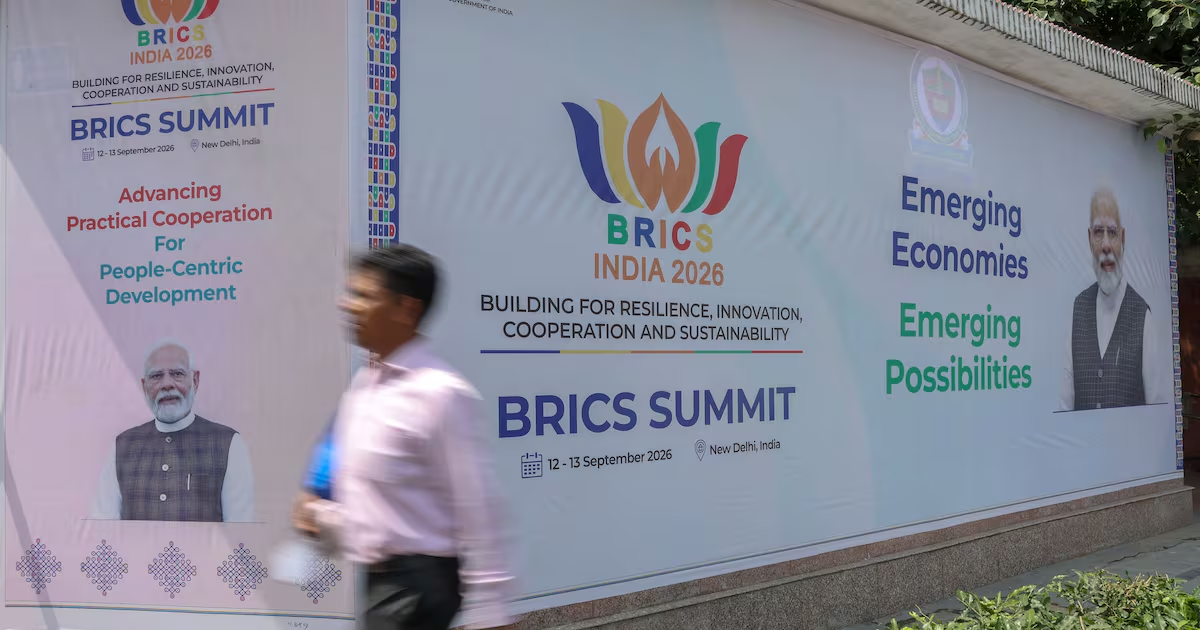
Xi Jinping and Vladimir Putin will soak up much of the attention at this weekend’s Brics summit in New Delhi. But the most important news could be about the plumbing of the international financial system.Can Brics Pay threaten the dollar?When Narendra Modi hosts a meeting of Brics leaders in New Delhi this weekend, much of the attention will be on the presence of China’s Xi Jinping and Russia’s Vladimir Putin. It will be Xi’s first visit to India since 2019 and his arrival with a large delegation is a sign of the recent thaw in relations between Beijing and New Delhi, despite an ongoing border dispute.Putin will not have to worry about the threat of arrest on foot of a warrant from the International Criminal Court because India is not a signatory to the court’s founding statute. And his presence will highlight the deep, long-standing relationship between Russia and India that has remained largely unaffected by the Ukraine war and the threat of tariffs from the United States.Brics emerged at the beginning of the century and was formally established in 2006 with Brazil, Russia, India and China as its original members, who were joined by South Africa in 2011. The group expanded in 2024 to include Egypt, Ethiopia, Iran, Saudi Arabia and the United Arab Emirates, and Indonesia joined the following year.Including its 10 partner states, Brics represents nearly half of the world’s population and about 40 per cent of the global economy on a purchasing power basis. But it is an informal group with no treaty, no budget and no permanent secretariat and it is run by a rotating annual chairmanship.This weekend’s summit will offer numerous opportunities for diplomatic engagement on the margins, with Iran’s president Masoud Pezeshkian in the same room as representatives from Saudi Arabia and the United Arab Emirates. But the focus of the summit agenda itself will be on economic, technological and financial co-operation, notably through the launch of Brics Pay, an independent payments system that will not require the use of the US dollar.India has been at pains to stress that the move is not part of an effort at de-dollarisation, something Donald Trump has warned against with the threat of steep tariffs. Brazilian foreign minister Mauro Vieira made the same assertion this week when he insisted that Brics was not an anti-western group.“It’s not going away from the dollar; it’s creating new ways to promote trade and to have a fast system, direct system, and, of course, also a cheaper system of bilateral trade among countries,” he told the Straits Times.It’s true that Brics is not planning a common currency and none of its member states’ currencies, including the Chinese yuan, represents a threat to the dollar’s dominance. The dollar accounts for 57 per cent of global central bank reserves and most international transactions are conducted in dollars.This dominant position in the international monetary system gives the US what Valéry Giscard d’Estaing famously described as an “exorbitant privilege”. The weaponisation of the dollar to restrict access to the financial system for states including Russia and Iran in recent years was one of the spurs for Brics to develop its own payments system.The system will include Brics Pay, a secure, decentralised messaging network similar to Swift; Brics Clear, a financial settlement system similar to Euroclear; and Brics Bridge, which will allow central banks to trade directly in their own digital currencies. Although this payments regime will not replace the dollar as the world’s reserve currency, it could enable Brics member states to continue trading with one another even if the US imposes large-scale sanctions in the future.Please let me know what you think and send your comments, thoughts or suggestions for topics you would like to see covered to denis.globalbriefing@irishtimes.com
Can Brics Pay threaten the dollar?
India’s Narendra Modi hosts a meeting of Brics leaders this weekend, with China’s Xi Jinping and Russia’s Vladimir Putin attending
626 words~3 min read