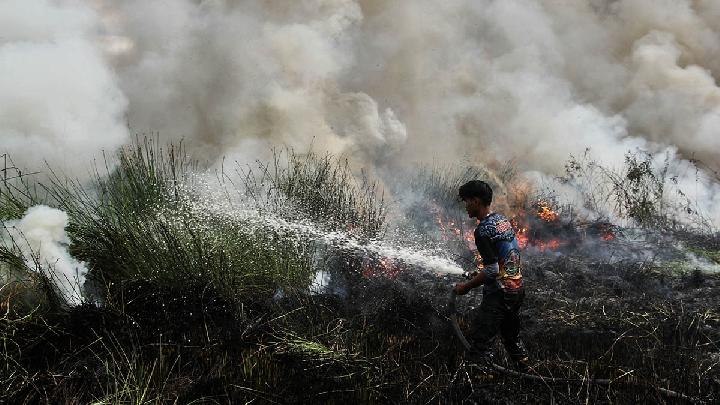
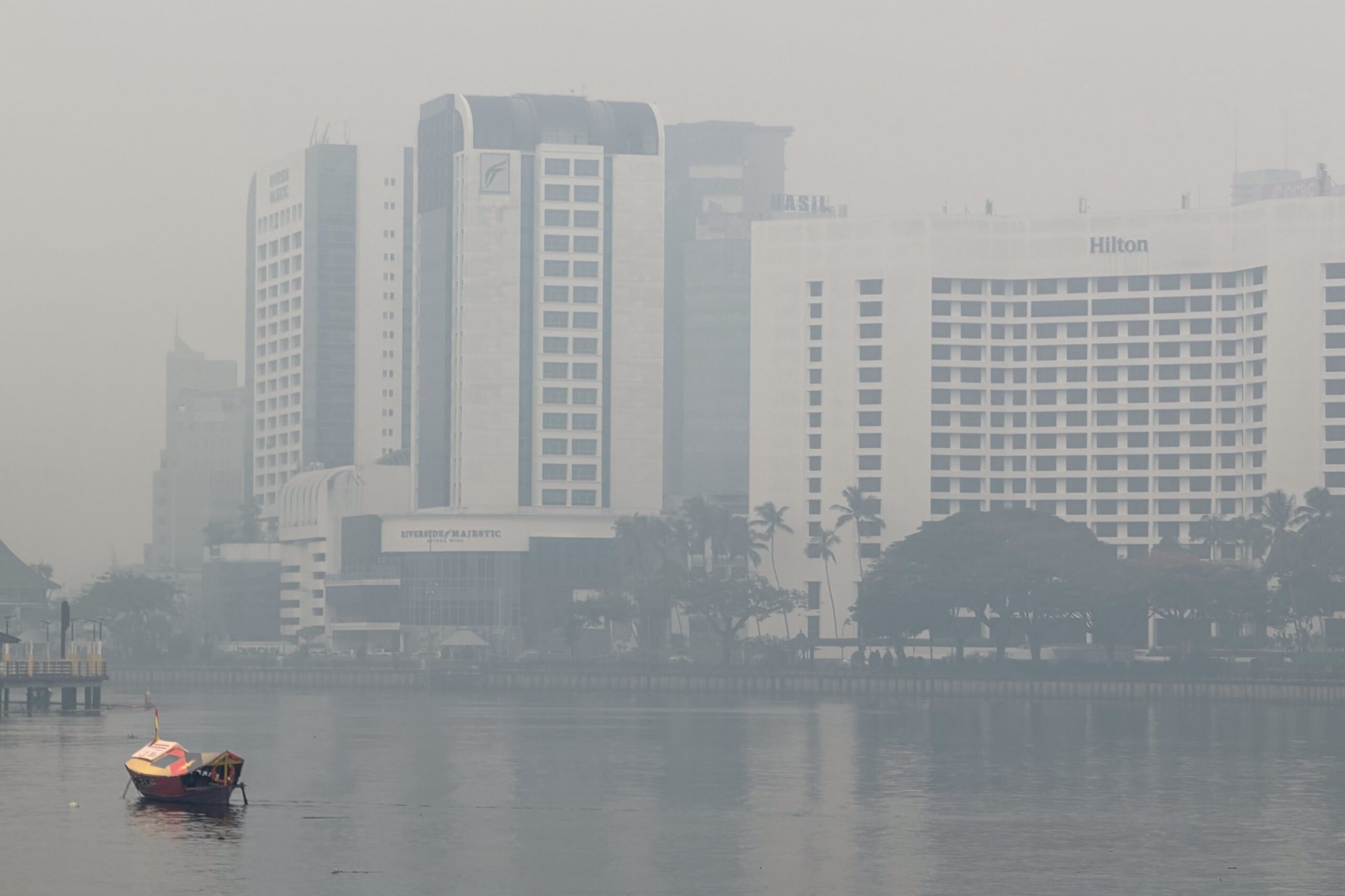
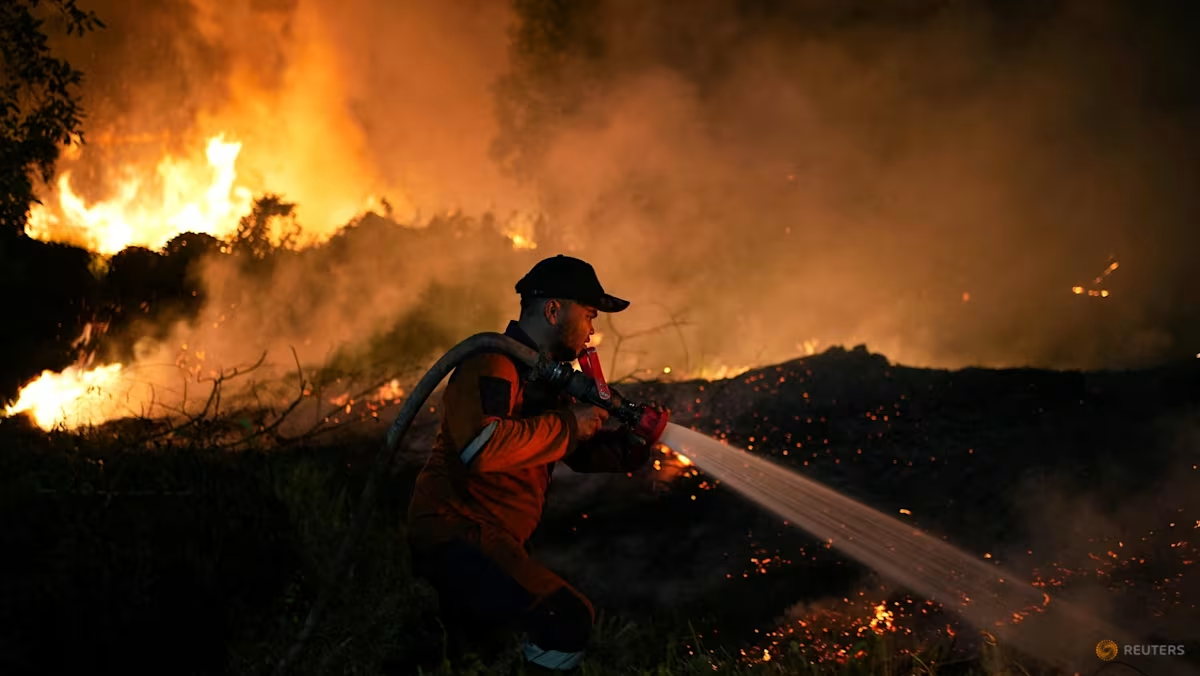
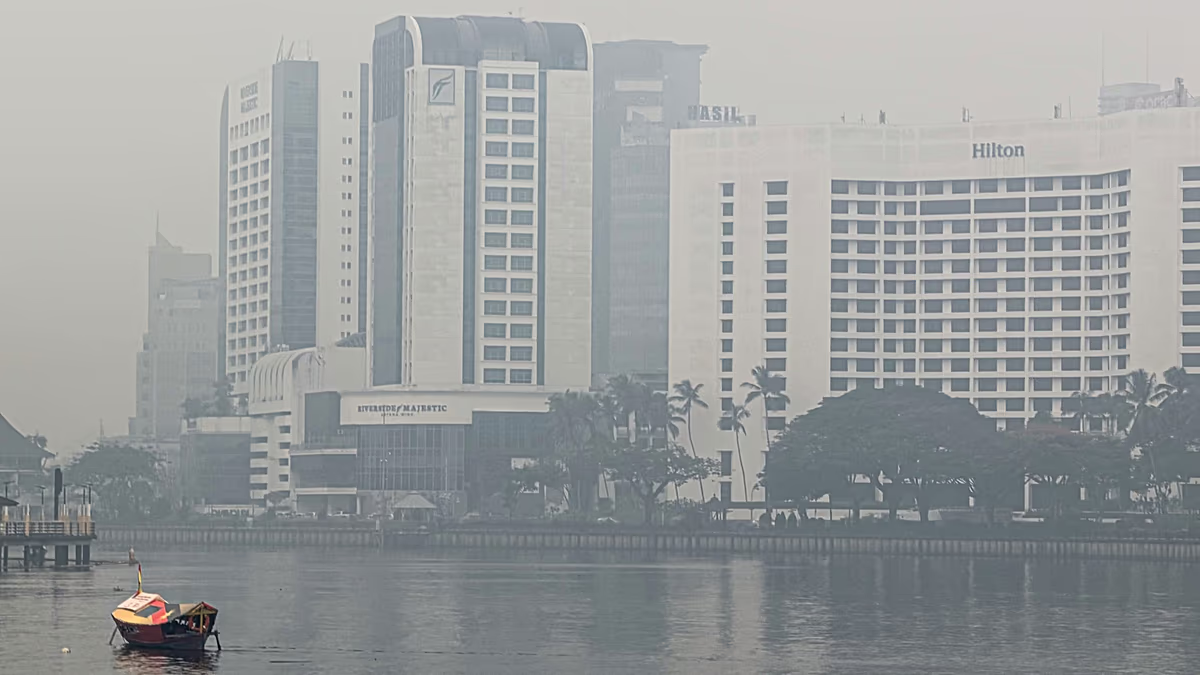
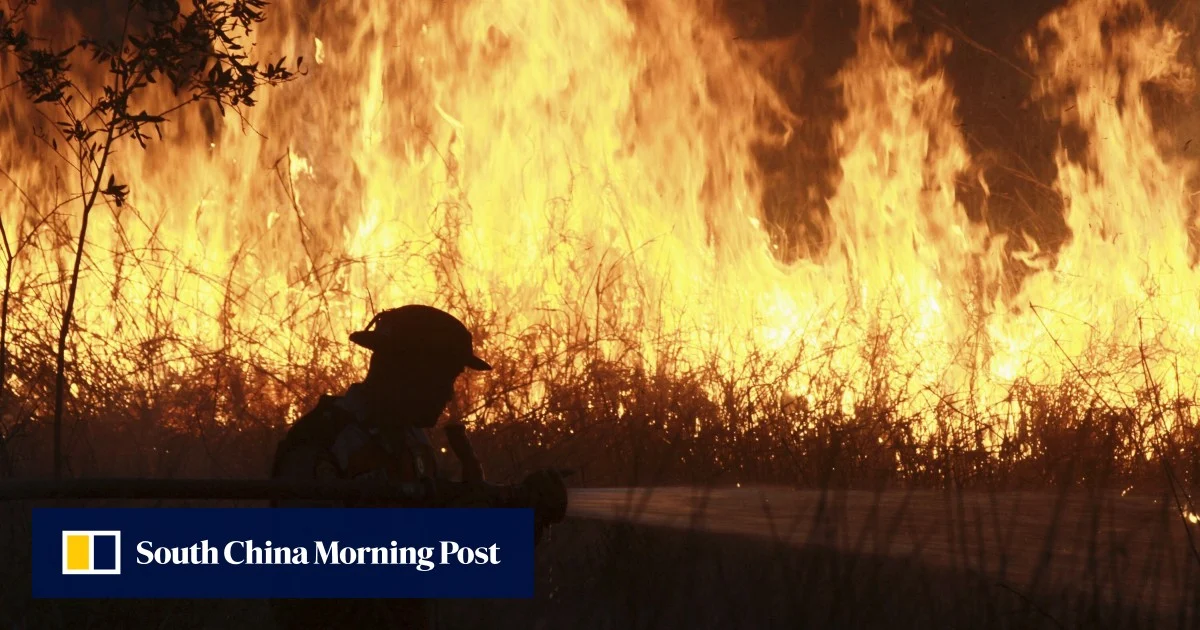
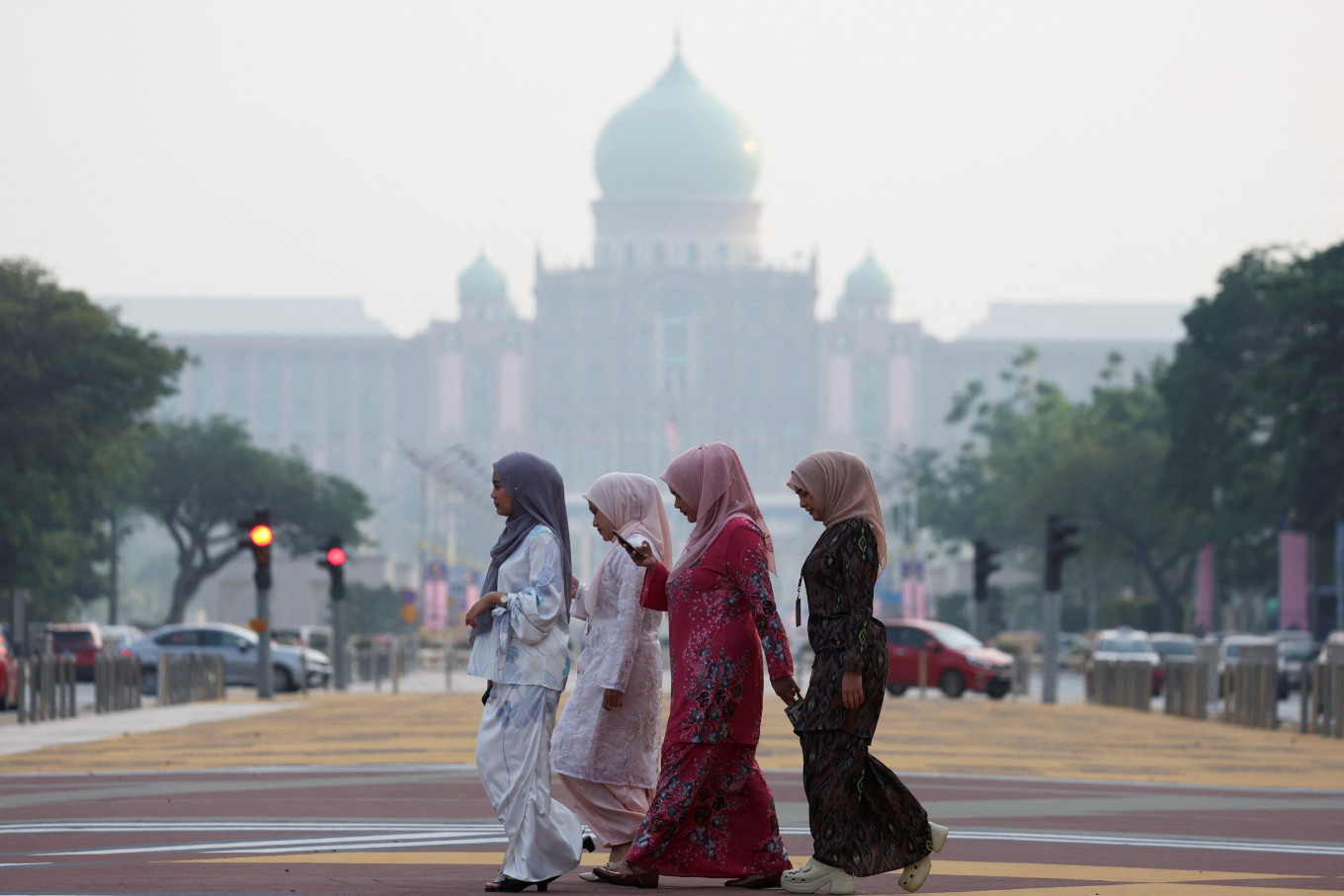
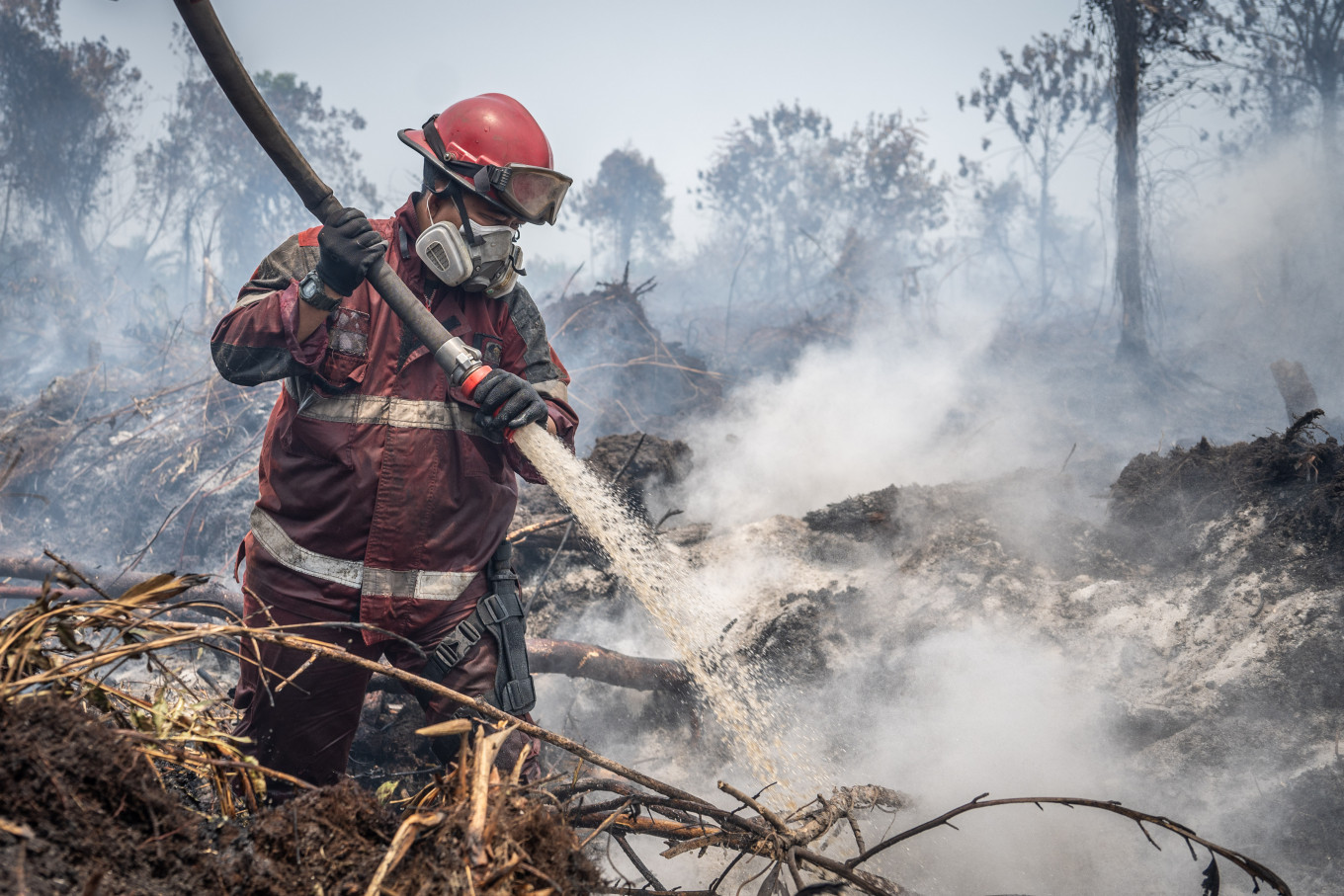
Southeast Asia has spent decades trying to tackle haze from forest fires. Yet every few years, the region finds itself breathing it again. The transboundary environmental problem has become a recurrent phenomenon in the region.The latest episode is no exception. Forest and peatland fires in Indonesia have sent smoke across parts of Malaysia, Brunei Darussalam and other parts of Southeast Asia. On Aug. 26, the ASEAN Specialised Meteorological Centre raised the regional haze alert to Level 3 as smoke from hot spots in Kalimantan spread across borders.
Indonesia bears the primary responsibility for preventing and fighting fires on its territory. But once the smoke crosses national borders, haze becomes more than a domestic environmental problem. Malaysia and Brunei Darussalam have agreed to take this matter to the ASEAN level.
This issue has now become a test of whether ASEAN can help its members manage problems that no country can contain alone.
Historical records show that smoke from fires in Indonesia has affected neighboring countries since at least the 1970s. The 1997 and 2015 fires were among the region’s most severe.
Scientific research points to a combination of human activity and environmental conditions. Land clearing through burning can ignite fires, while drained and degraded peatlands are particularly vulnerable. Once dry, peat can burn underground and produce thick, persistent smoke that is difficult to extinguish.