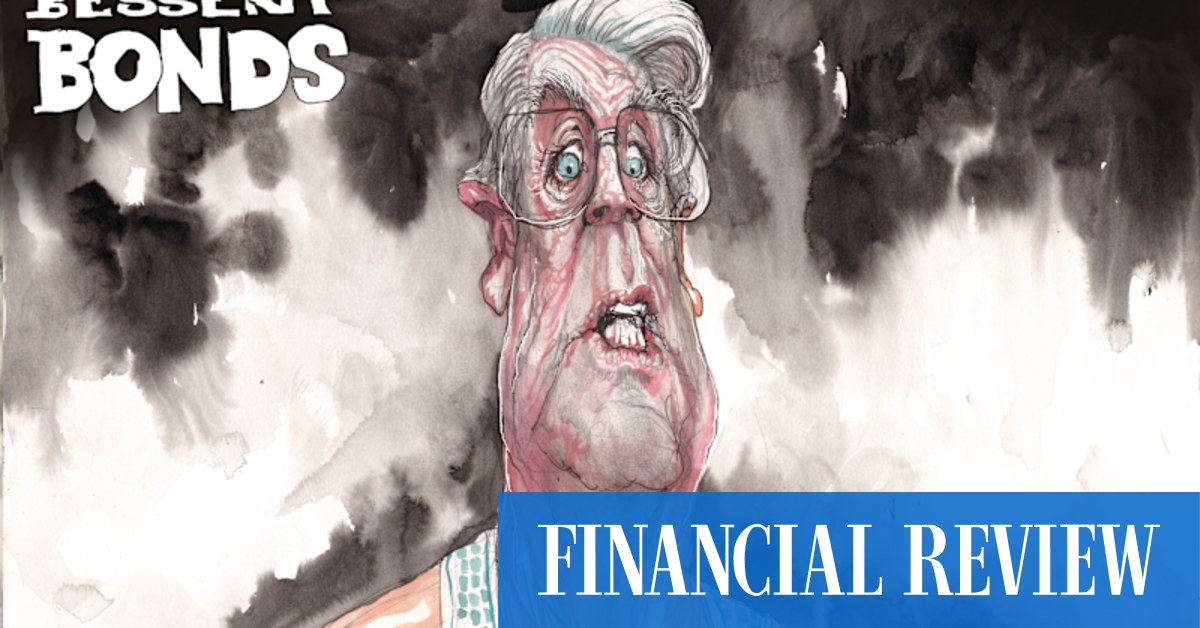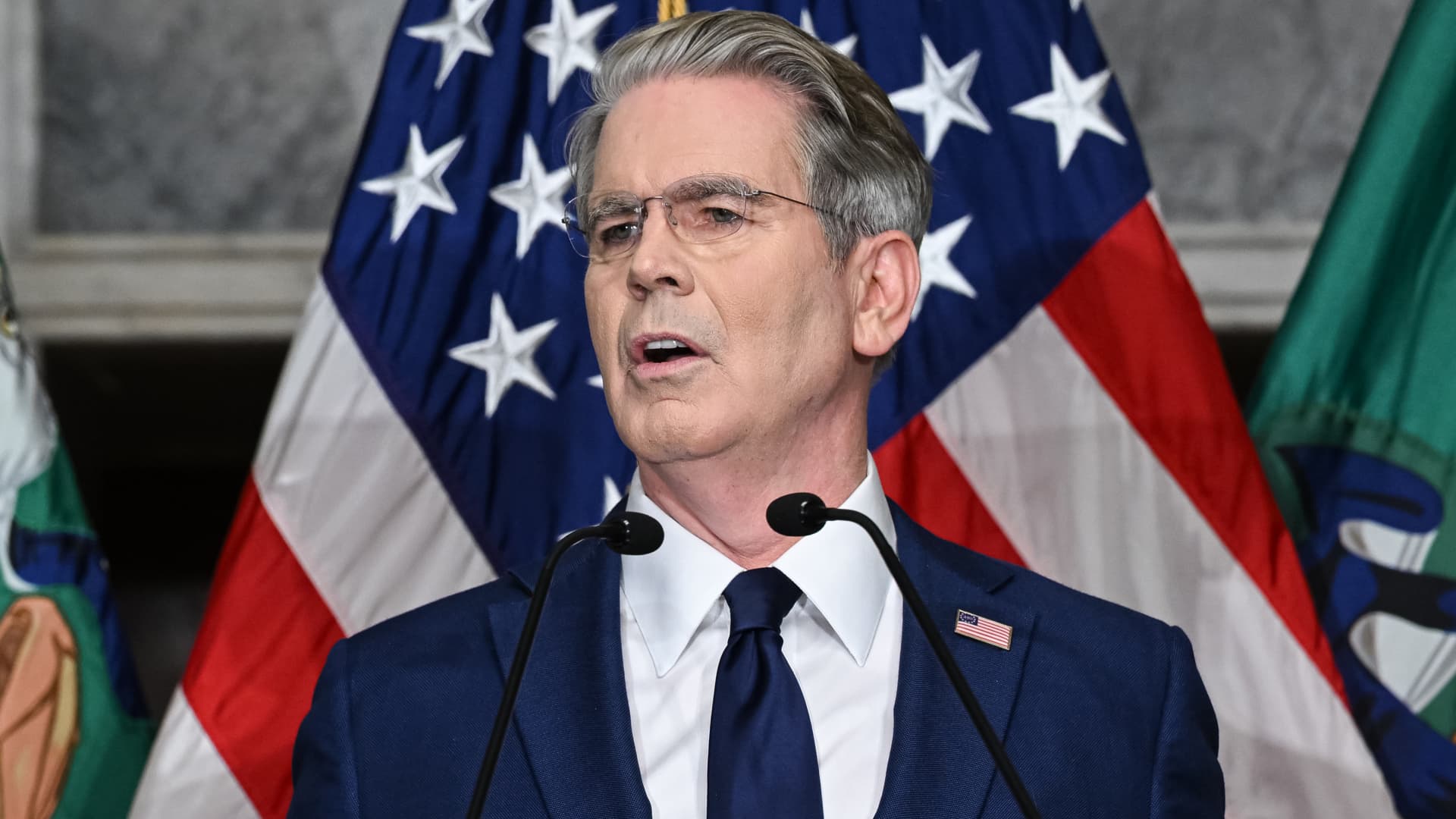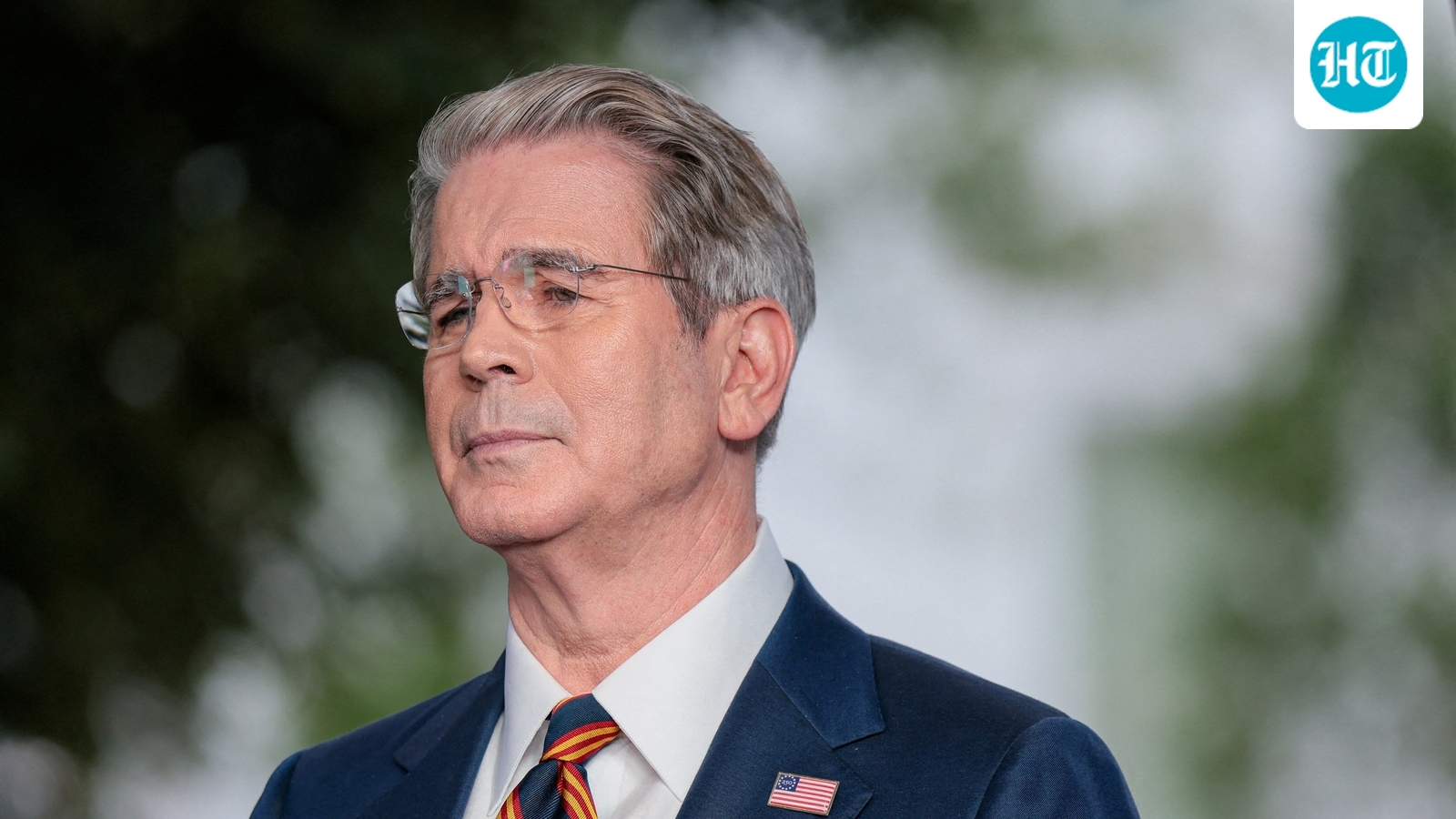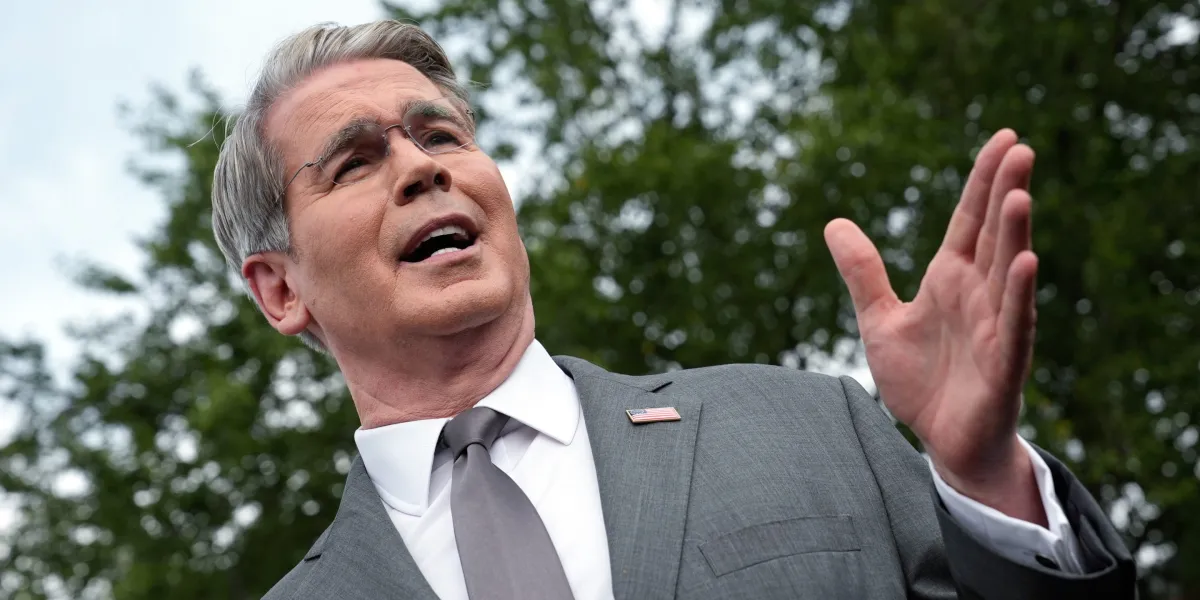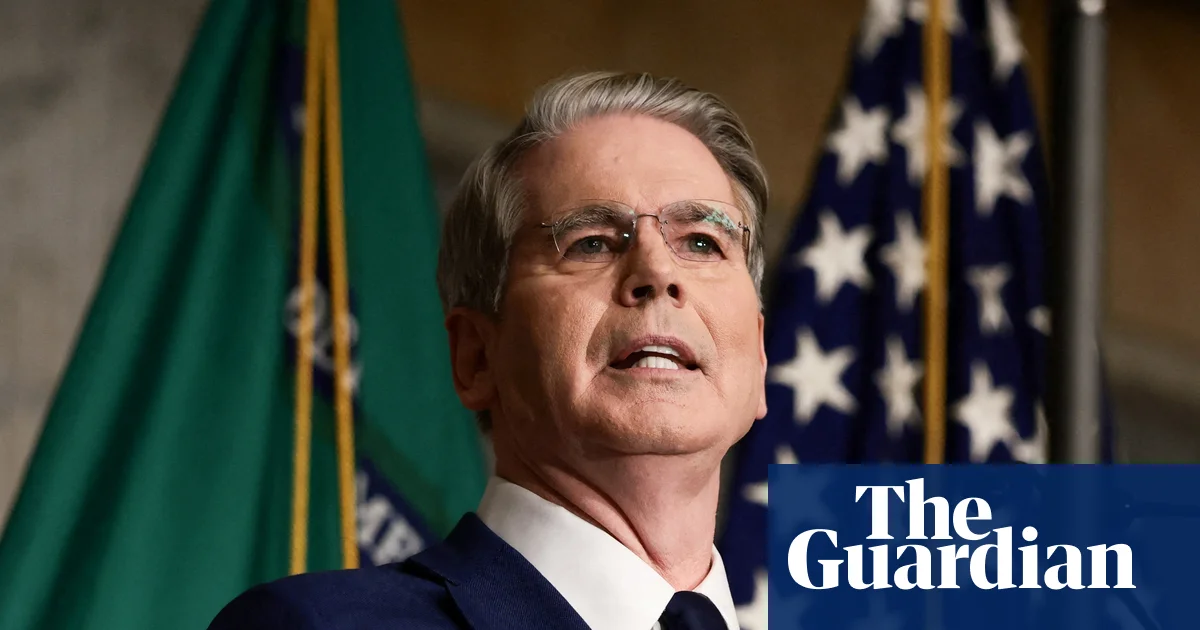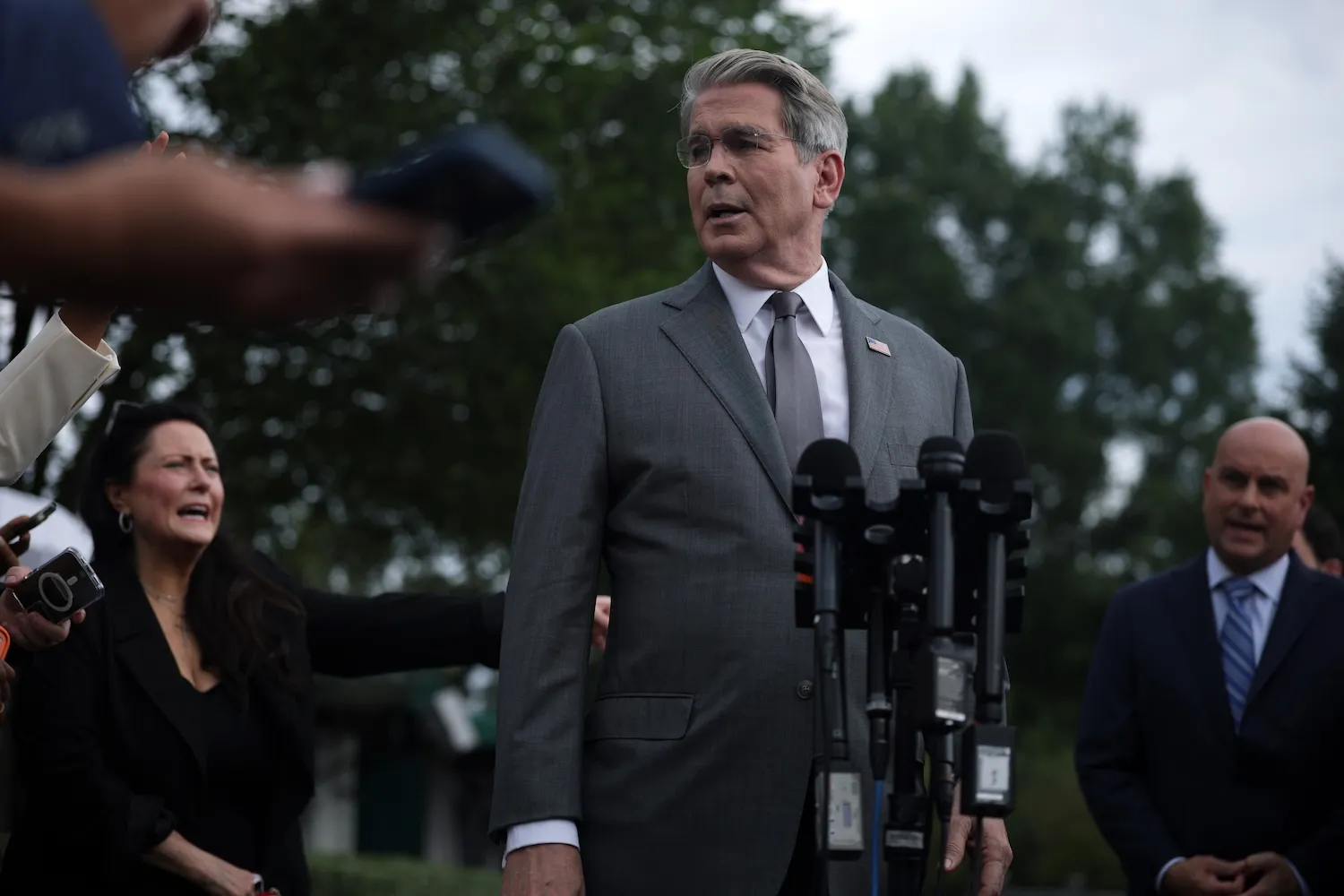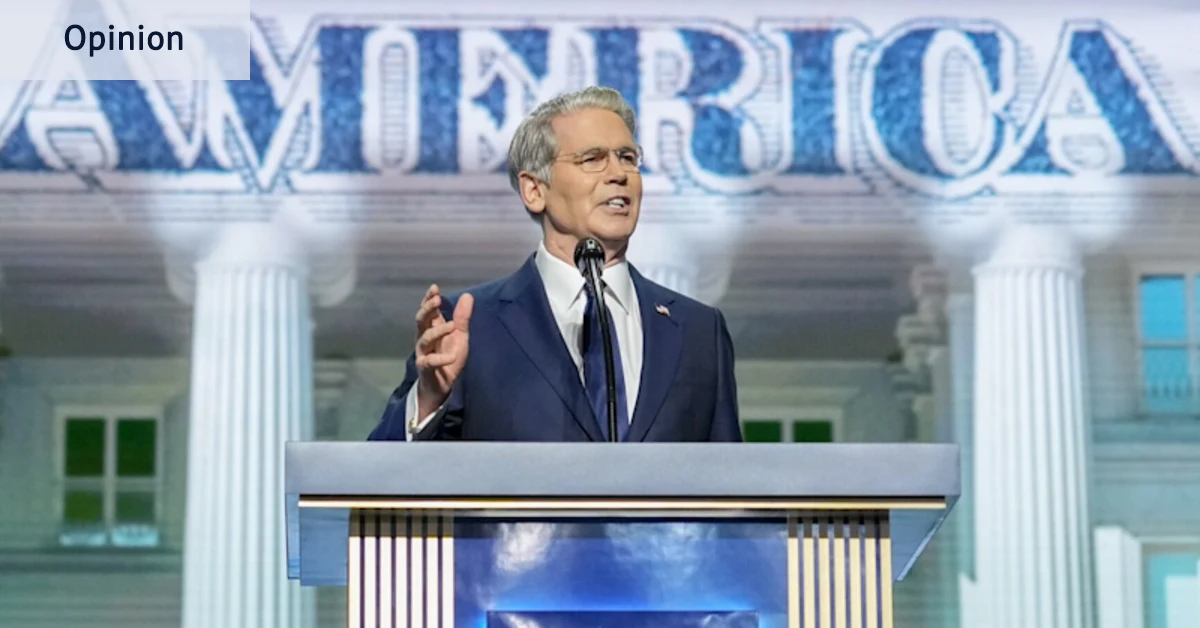
OpinionSeptember 10, 2026 — 12:12pmWall Street brought “America’s top bond salesman” down a peg on Wednesday, reminding Donald Trump’s Treasury Secretary Scott Bessent that not even the US government can fight the bond market.Bessent, who has claimed that title, last month announced plans for the US government to buy back $US2 billion ($2.8 billion) of longer-dated bonds. He subsequently doubled the target to $US4 billion and then, on Wednesday, raised the buyback, which is planned to happen on Thursday US time, to “up to $US6 billion”.If the increase was supposed to impress the market and depress bond yields, it failed.Scott Bessent at the Republican Midterm Convention in Dallas on Wednesday.BloombergThe yield on the benchmark 10-year bonds jumped from 4.79 per cent to 4.85 per cent. Apart from a brief moment in 2023, when the yield on the bonds almost hit 5 per cent, that’s the highest yield since 2007, before the global financial crisis.Bessent’s buybacks are, he has said, designed to increase liquidity at the less liquid end of the market.He’s also claimed the surge in bond yields this year – which started the same day that the Trump administration and Israel launched their attack on Iran – doesn’t “reflect the underlying fundamentals of the market”. The yield on the 10-year bonds was 3.94 per cent on February 27, the eve of the attacks.The unpleasant reality for Bessent is that the rising yields in the market (two-year yields have jumped from 3.38 per cent on February 27 to 4.43 per cent and 30-year yields from 4.61 per cent to 5.29 per cent) in fact do reflect the fundamentals.It’s not just the war in the Middle East and its impact on energy prices and America’s inflation rate that, at 3.4 per cent, remains well above the US Federal Reserve Board’s 2 per cent target.As the year has progressed, bond investors have become increasingly focused on the actual underlying fundamentals: US government deficits and debt that have blown out at an accelerating rate.The deficit is about 6 per cent of GDP, and gross government debt just passed $US40 trillion within a $US32.5 trillion economy.The ‘knife to a gunfight’ analogy doesn’t come anywhere close to capturing the futility of Bessent’s efforts to manipulate the market.The market knows that America is on an unsustainable fiscal trajectory, and has begun pricing in that risk.The problem for Bessent is that the interest costs on that debt, already more than $US1 trillion and the third-largest expenditure item in the government’s budget behind social security and Medicare, are rising rapidly.Every time those longer-dated 10- and 30-year bonds, which were issued within a lower-rate environment, mature and have to be refinanced, they attract a higher interest rate and drive the overall interest cost to the government higher.That increased cost of “old” debt is occurring even as the Trump administration has added new debt, increasing the total amount of debt on issue by about $US4 trillion since Trump regained office last year.Bessent’s attempt to cap yields via the buybacks might, at best, influence a day or two’s trading, but is destined to fail. His buybacks, even if he were to significantly increase their size, are inconsequential when set against the scale of a $US32 trillion market that trades $US1 trillion a day.The “knife to a gunfight” analogy doesn’t come anywhere close to capturing the futility of Bessent’s efforts to manipulate the market.His intervention to try to prop up the Japanese yen might be more successful, but only because the fundamentals in Japan are shifting, with its bond yields, previously suppressed by decades of the Bank of Japan’s raft of unconventional monetary policies, rising.The modest US involvement in a large-scale BoJ yen-buying splurge was also motivated by Bessent’s efforts to protect the US market, with fears that Japan might have to offload its vast US bondholding to fund its defence of its currency, adding to the pressure for higher US yields.Similarly, Bessent’s support for the Genius Act – which would provide the first legislative and regulatory framework for the issuance of stablecoins, and create a large new source of buying for US bonds – can be viewed in the context of his efforts to suppress the upwards trend in US yields, as could his relaxation of some big bank capital regulations.What’s developing in the bond market could be, and has been, regarded as a normalisation of US yields after nearly two decades of abnormal monetary policies.Yields have been far higher in the past – they were above 5 per cent leading into the global financial crisis – without it threatening US economic growth or corporate stability.However, the difference between then and now is what happened in the aftermath of the financial crisis to the economic settings of not just the US, but most of the developed countries.To stave off deflation, and even a depression, governments embraced aggressive fiscal stimulus and their central banks, borrowing from Japan, embarked on unconventional monetary policies. Quantitative easing – central bank buying of bonds and mortgages to suppress interest rates – and other measures to control yield curves were widespread.The bond market could respond and take matters into its own hands if Trump’s appointed chair Kevin Warsh doesn’t follow his recent hawkish words with action.APThe yields on government debt were driven down to near or even below zero – investors were, in fact, paying some central banks to keep their funds safe – which made the build-up in government debt near costless.The Fed, and its peers, left those novel monetary policies in place for the best part of a decade. The Fed didn’t start its “quantitative tightening” – the running down of the piles of bonds and mortgages it had acquired – until 2017.Until the pandemic, there were negligible inflation rates in the developed economies (economists were debating how to increase inflation), so interest rates remained low, encouraging debt-issuance and debt-driven investment strategies.Sharemarkets boomed and non-banks – hedge funds and private equity – and ordinary investors made effectively riskless gains on their leveraged trades.The pandemic saw central banks again slash interest rates and governments open the debt spigots wide.Once the worst of the pandemic was over, and the disruptions to global supply chains ignited inflation rates, the central bankers began reversing course, but governments kept expanding their balance sheets in what was still a low-rate environment.That’s why the “normalisation” of bond yields towards historic levels is a threat to US and other economies’ stability. Today’s normal doesn’t look like the pre-financial crisis past.In 2007, the US had about $US9 trillion of debt in a $US15 trillion economy. Today, it has $US40 trillion debt in a $US32.5 trillion economy. On the International Monetary Fund’s numbers, global government debt in 2007 was about 44 per cent of global GDP; today it’s 94 per cent.Next week, the Fed’s Open Market Committee meets, with the benefit of inflation data that will be available later this week, to decide whether to raise the Fed’s policy rate. An increase might only validate what’s already occurred within the market, but it might also shift the yield curve up a notch.While continued Fed inaction might be rationalised, the bond market could respond and take matters into its own hands if Trump’s appointed chair Kevin Warsh doesn’t follow his recent hawkish words with action.An increase in the federal funds rate (the equivalent of the Reserve Bank’s cash rate) would infuriate Trump and, more particularly, have Warsh and Bessent’s policies not just diverging, but colliding.If there is a conflict between Warsh’s policies and Bessent’s, the Fed, with the support of the bond market, would inevitably prevail.Even without the Fed’s encouragement, the bond market “vigilantes”, having emerged from almost two decades of relative dormancy in response to the explosive growth of US debt and deficits, will determine the future of US rates.Bessent might boast that “I am the house now” while warning traders not to bet against the yen because, he says, he has “asymmetric” information about what the BoJ and Japanese government plan to do. With Japan gradually moving in a direction that investors advocate and support, he might not be challenged on that assertion.In America, however, his inside information means little because the rising tides of deficits and debt and a rediscovered awareness, by bond investors at least, of the need to price for risk will overwhelm any attempts by the US Treasury to game the market.The Market Recap newsletter is a wrap of the day’s trading. Get it each weekday afternoon.More:BondsInterest ratesInflationFederal ReserveGovernment debtDonald TrumpGlobal economyFor subscribersJapanOpinionFrom our partners
Trump’s ‘top bond salesman’ is getting a reality check
US Treasury Secretary Scott Bessent has a strategy for capping US bond yields. It’s not working.
1,415 words~6 min read