Two spies meet in a white-tiled bathroom in Tehran. One large chap is perched on a creaking laundry basket, while his host, seated on the toilet, pours good-quality vodka into a pair of glasses. Water gushing from the taps and the radio playing prevents any officers of the Islamic Revolutionary Guard who might have bugged the place from overhearing their conversation. It is 1981, two years after the Iranian revolution, when ‘the world’s oldest empire folded and plummeted like a kite in a hurricane’, Macintyre tells us in true Bond-baddie style. Then comes an astounding confession, words that Bond has never uttered, and ‘by the time it took to run a bath, the KGB spy had become a double agent’. It’s the perfect meet-cute to set up the action, the context and the preoccupations that drive this enjoyable caper.
Enter a disaffected spook, a few hardline clerics, many bloodthirsty terrorists and a lot of weaponry
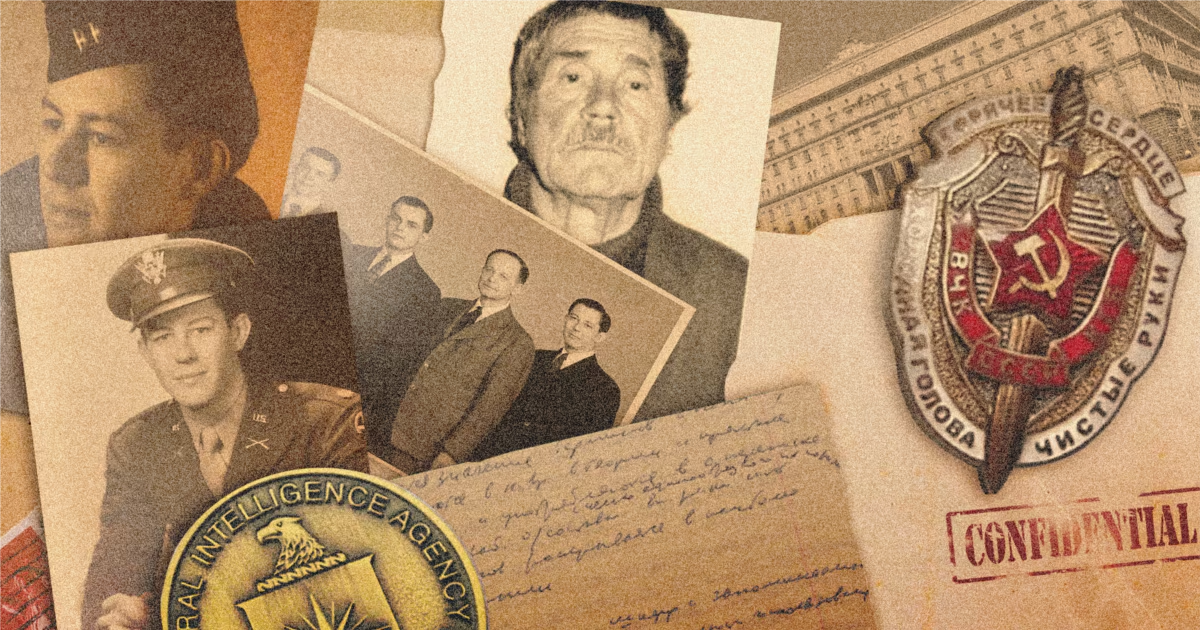
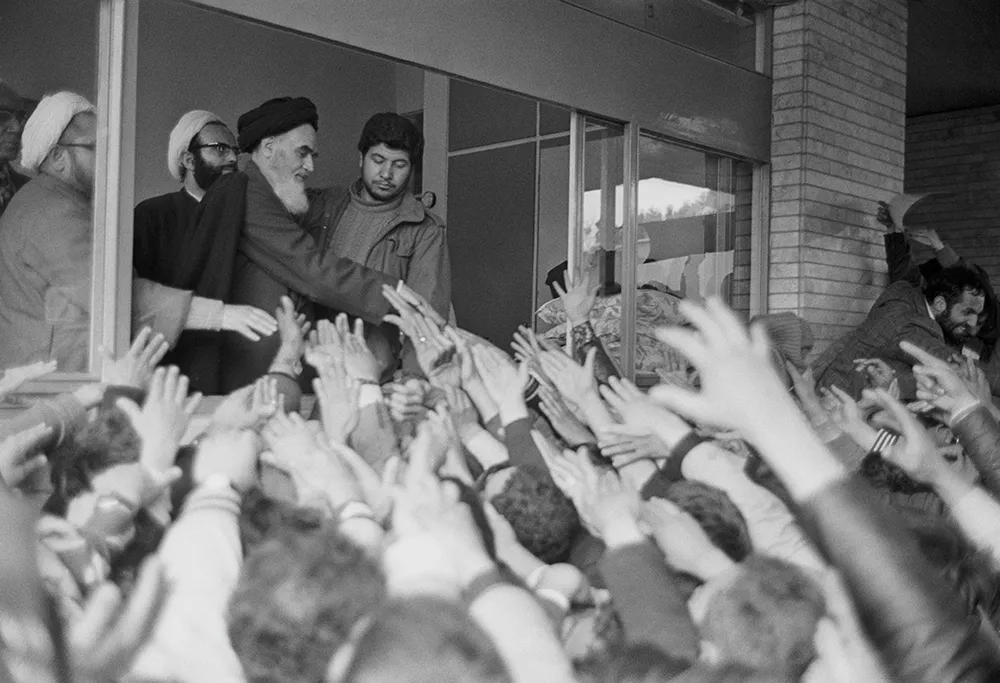
At the height of the Cold War, Iran was a crucial intelligence battleground between East and West. In 1978, as the British embassy in Tehran was still holding tea parties, the Iranian revolution began to erupt with cataclysmic speed and brutality. MI6, the CIA and the KGB all chose to interpret events through the lens of Cold War politics. Almost overnight the West not only lost access to Iranian oil but feared that this prize might fall to the USSR. Moscow, considering the regime change to be the precursor to communist revolution, quickly increased its support for the Iranian Communist party and, in late 1979, invaded Afghanistan. None of the dominoes fell as expected. As fears of nuclear confrontation soared, the rule of unintended consequences began to assert its authority. Enter a disaffected spook, a few hardline clerics, many bloodthirsty terrorists and a lot of weaponry and you have a recipe for both high drama and the potential end of the world as we know it.