Academia
Prabowo promised to chase corrupt actors to Antarctica, but passing the asset forfeiture bill without democratic safeguards risks handing the state a weapon against its own people.
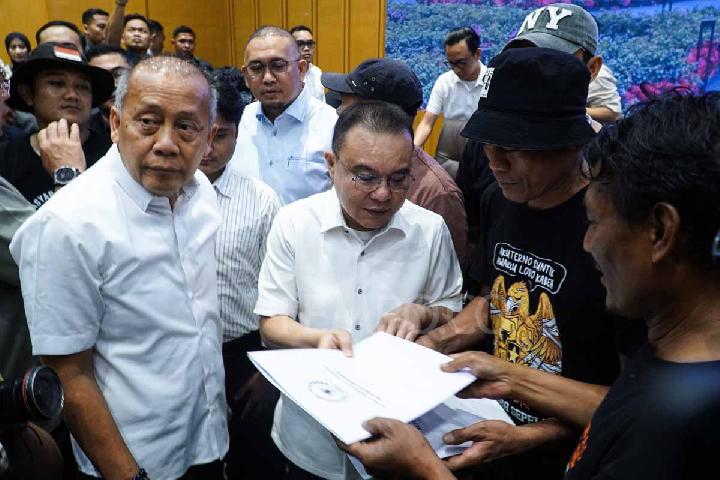
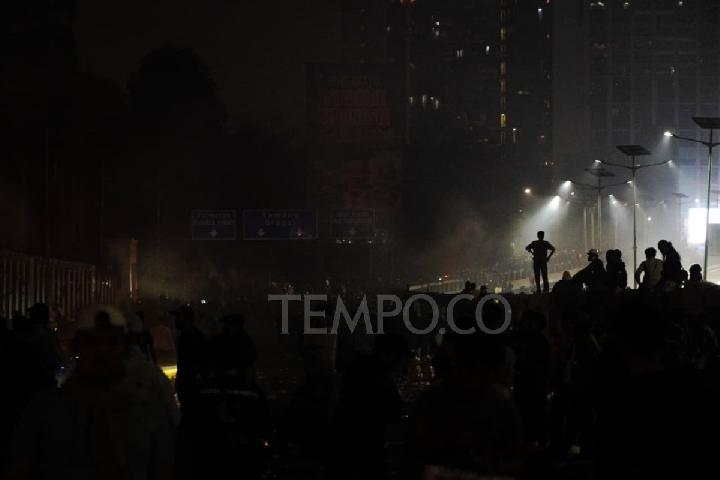
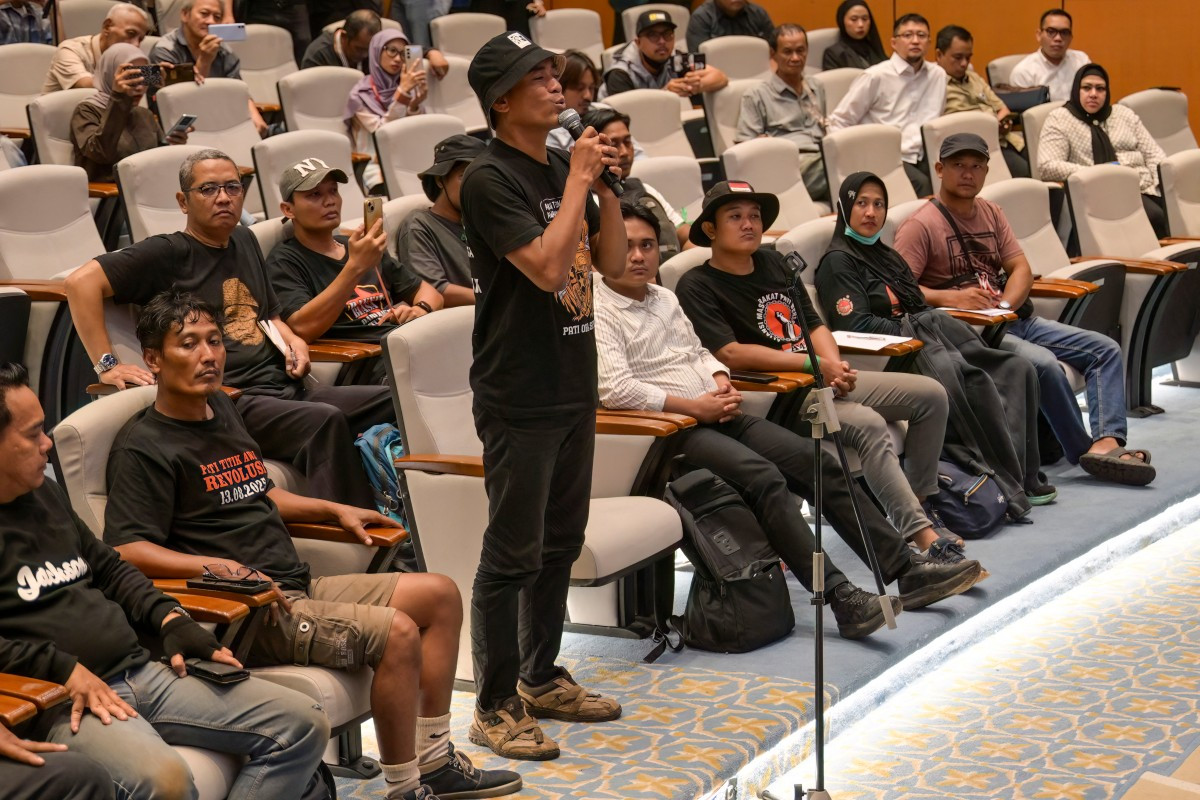
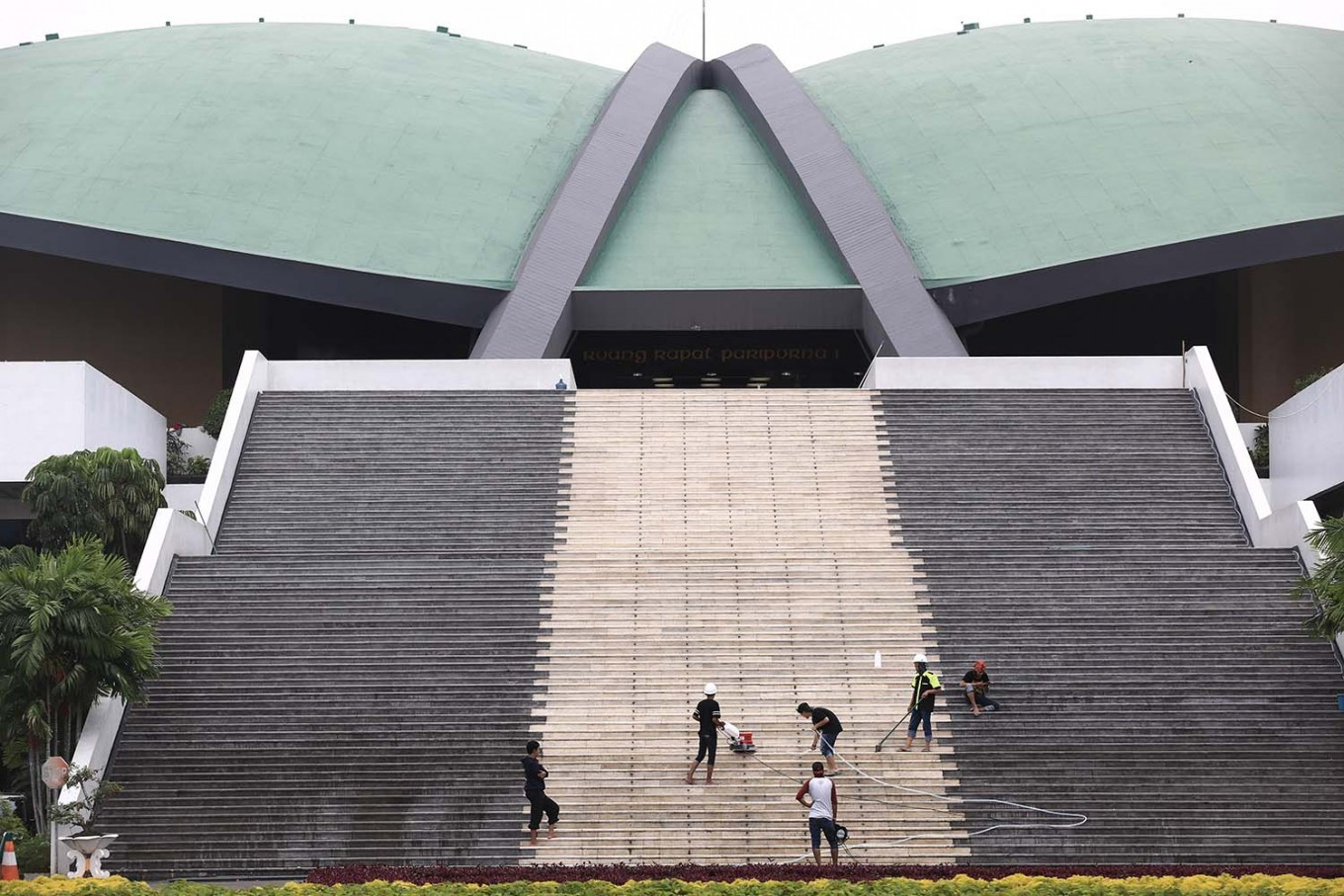
People gather in front of the Parliament Complex in Jakarta on Aug. 26, 2026, in preparation for a peaceful protest by the United Pati Community Alliance, or AMPB. The group held a peaceful protest that Thursday over corruption eradication and the passage of the Asset Forfeiture Bill. (JP/Iqro Rinaldi)
On the campaign trail, Prabowo Subianto vowed to hunt down corrupt officials “even if they flee to Antarctica.” It was tailor-made for a public exhausted by decades of impunity: punchy, uncompromising, and reassuringly simple. Yet barely two months into his presidency, that posture softened.Addressing Indonesian students in Cairo on Dec. 18, 2024, Prabowo struck an unexpected tone, urging state money embezzlers to repent and return what they had stolen in exchange for possible forgiveness. His allies scrambled to spin the pivot as hard-nosed pragmatism, a calculated strategy to claw back state losses.
The pivot matters because it exposes a familiar malaise in Indonesian politics: The gulf between populist bluster and the institutional machinery required to back it up. A president can promise pursuit to the ends of the earth, but reclaiming stolen wealth demands independent courts, transparent rules, professional investigators, and the forensic grit to trace illicit capital through labyrinthine networks.