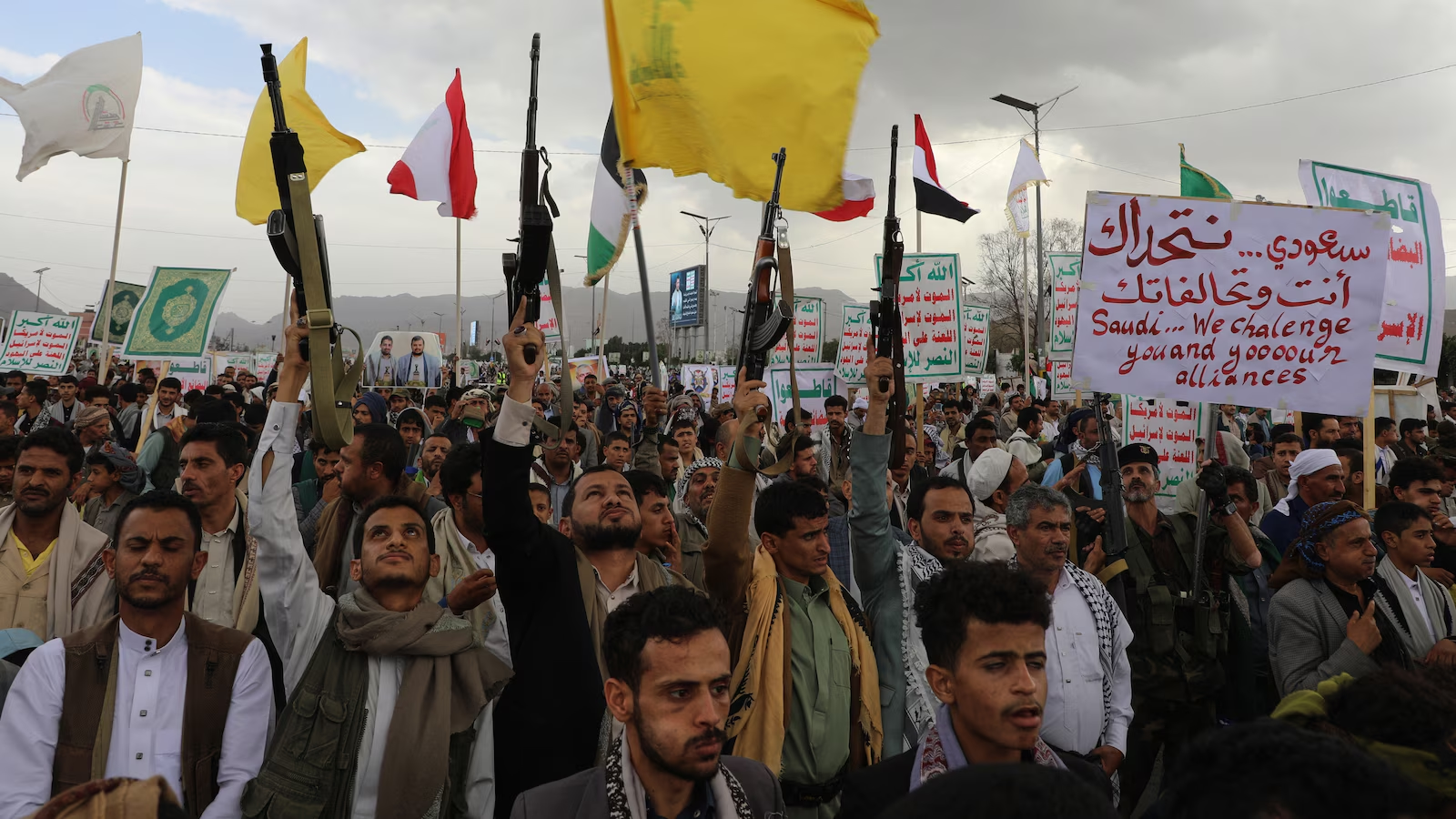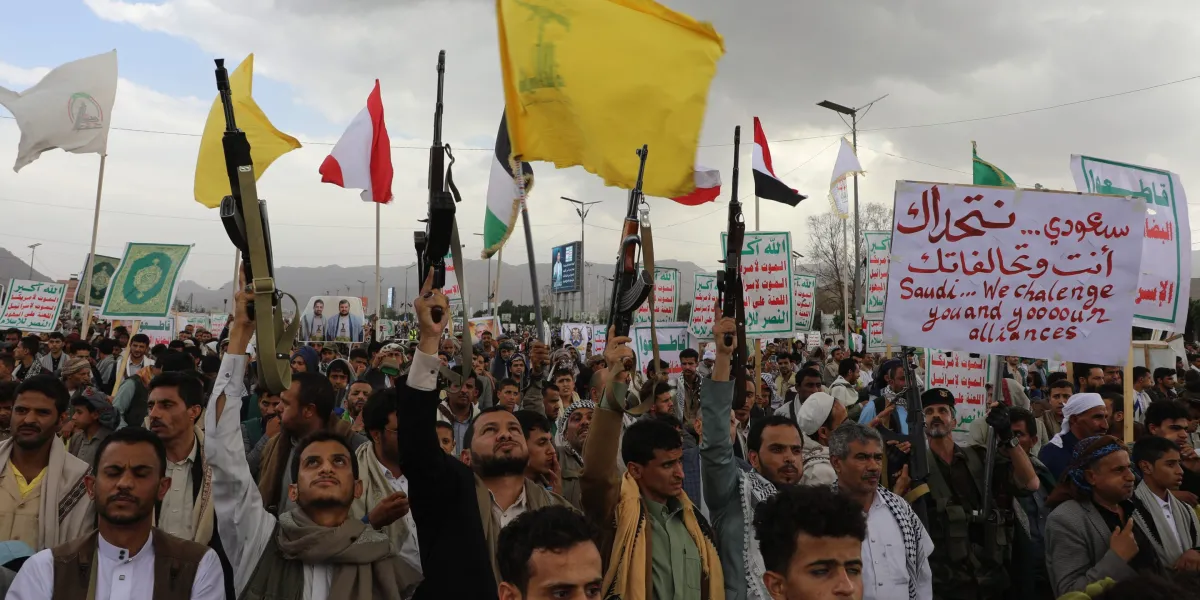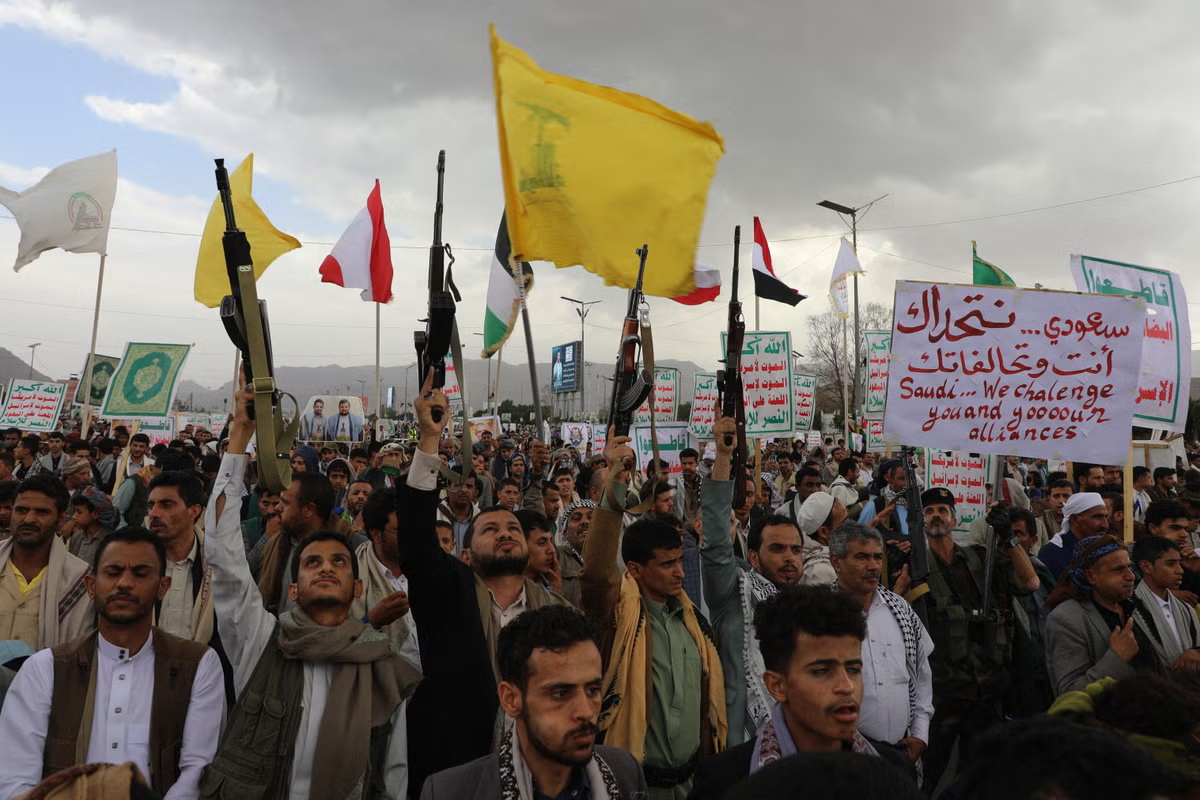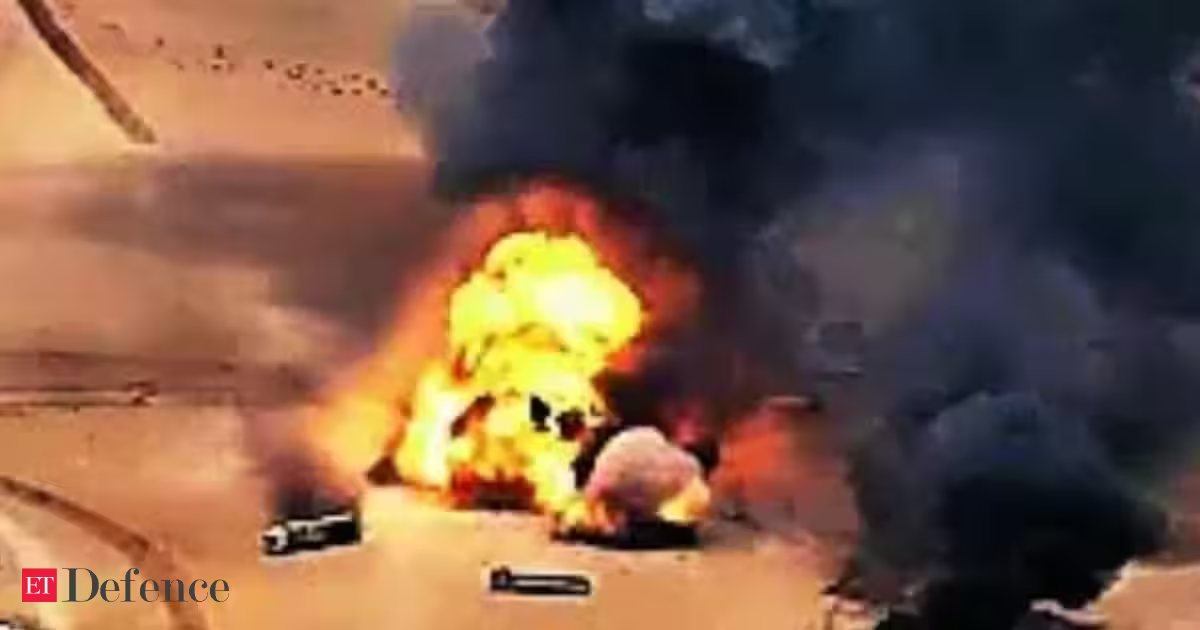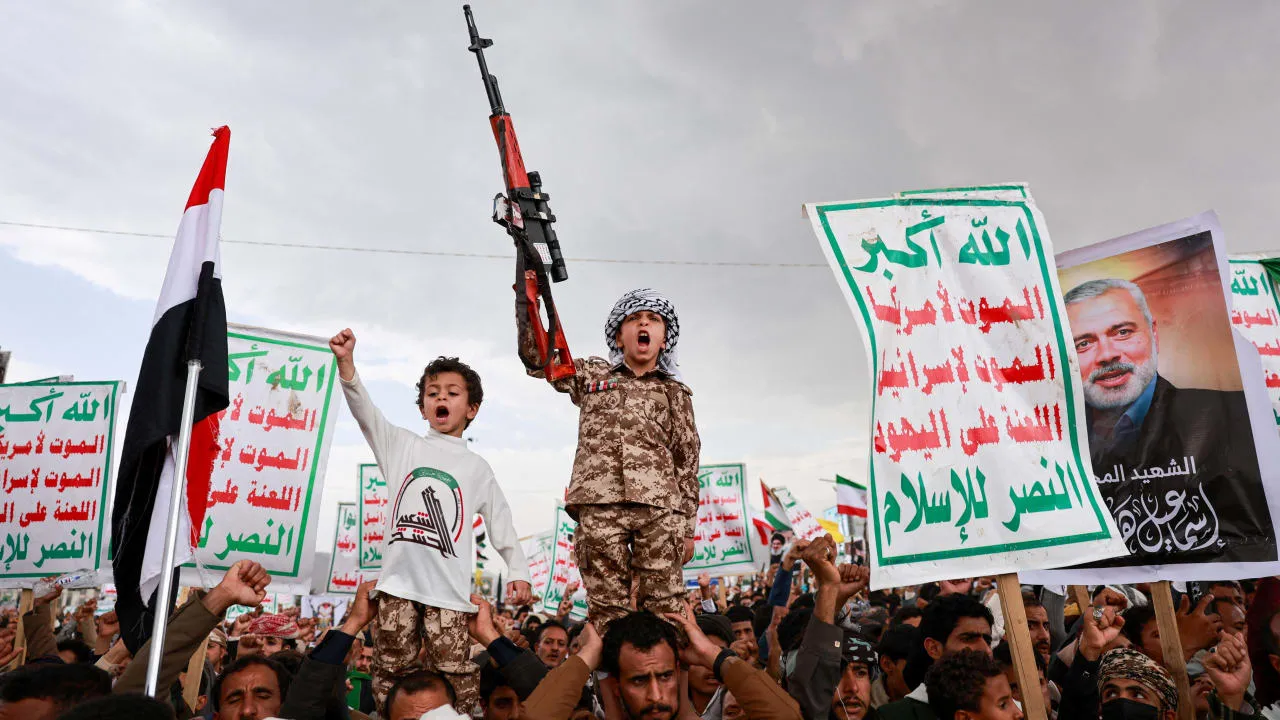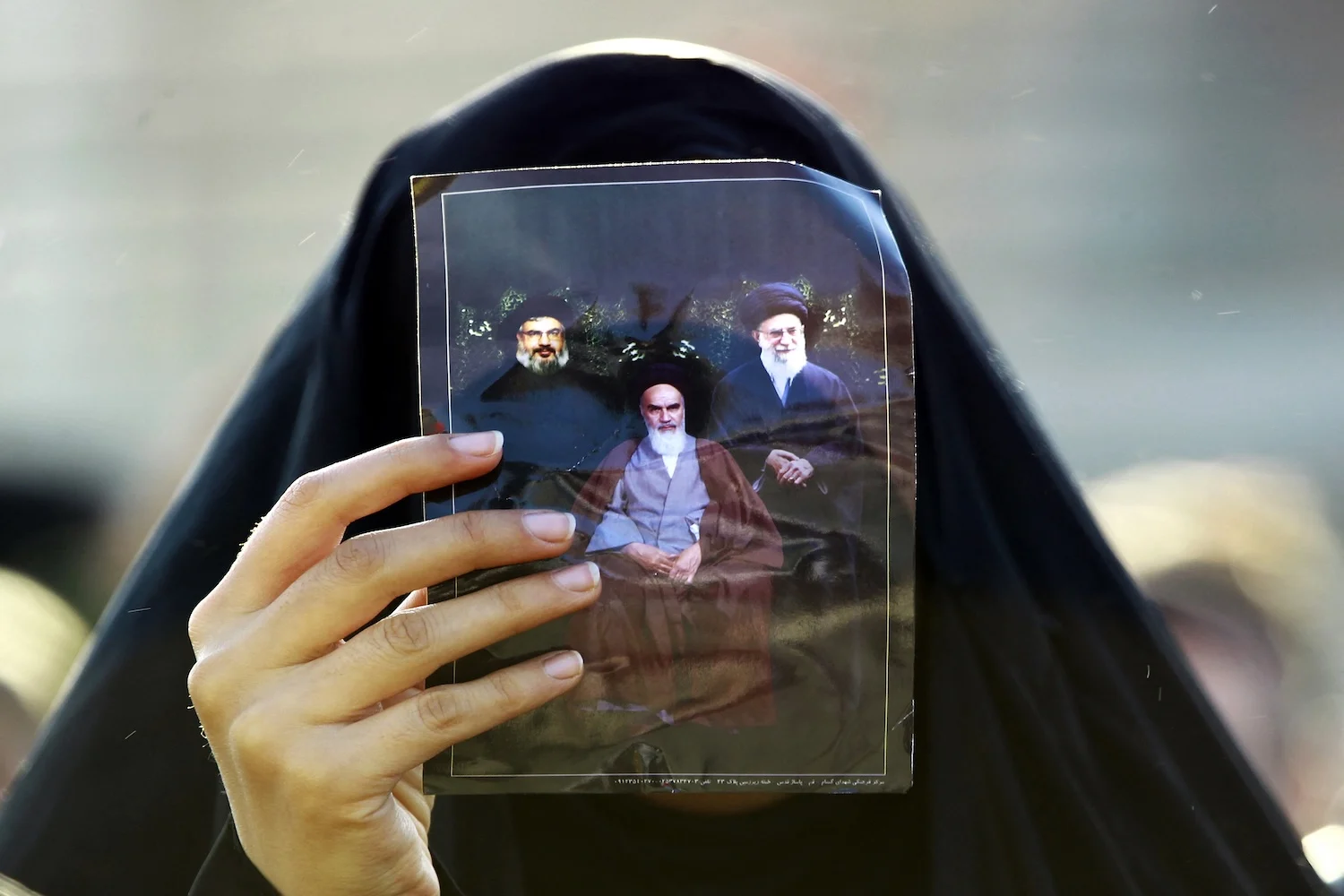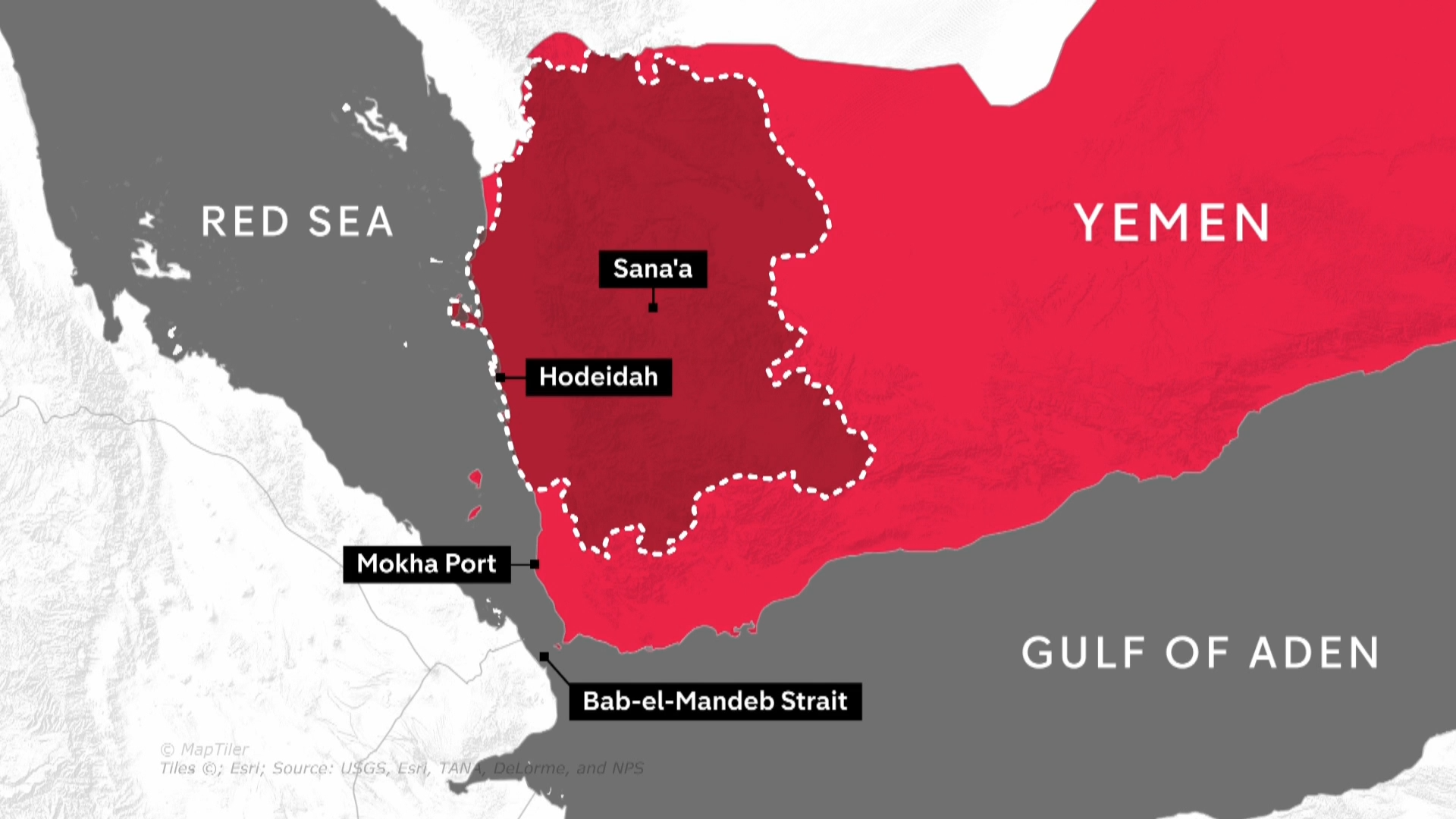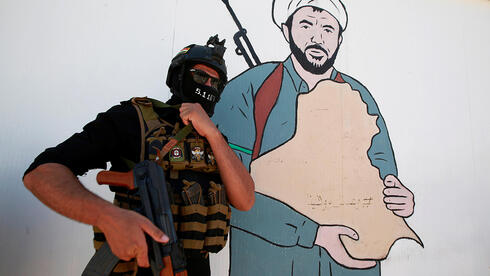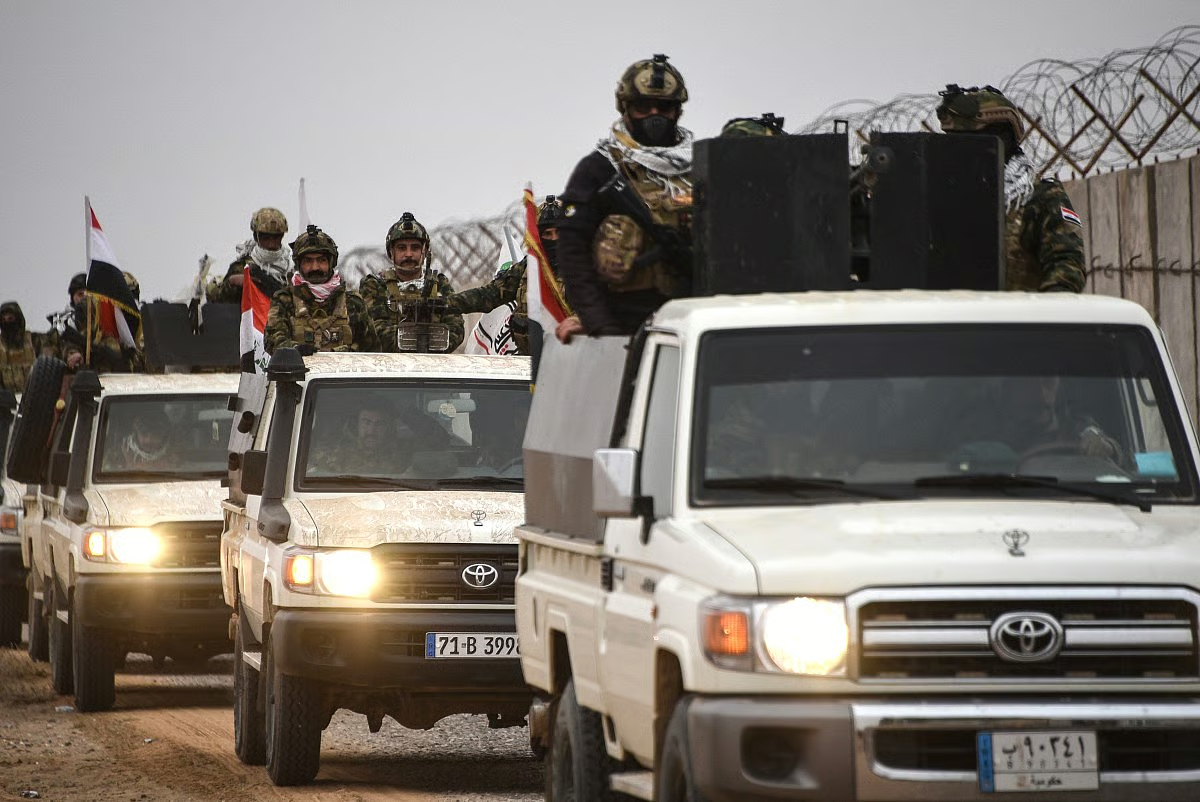
Iran leans on Houthis, Iraqi militias as Hezbollah and Hamas emerge weakenedLast updated: September 10, 2026 | 05:116 MIN READMembers of Iraq’s Popular Mobilization Forces drive along the Syrian border in northwestern Iraq in January.AFP Dubai: Iran is reshaping its network of armed allies across the Middle East, increasingly relying on groups in Iraq and Yemen after Hamas and Hezbollah suffered major losses — and there are signs that these forces are now coordinating more closely as the US-Iran conflict spreads across the region.The latest sign of the growing threat came on Tuesday, when Houthi missile and drone attacks on Saudi Arabia and hit oil facilities. But the clearest evidence of deeper coordination with Iraqi militias emerged from a series of attacks on Saudi oil facilities in July.Houthi operatives helped Iran-backed Iraqi militias plan and carry out the two-day swarm attack, according to two Saudi officials and a senior Iraqi security official cited by The Associated Press.The officials said Houthi emissaries had worked inside an operations room run by Iraqi militias — pointing to a level of cooperation that goes beyond groups simply pursuing parallel campaigns.Saudi Arabia and the United States subsequently launched joint air strikes against the militias, killing at least 20 Iraqi fighters, six Iranian advisers and at least one Houthi official, AP reported.Two officials from Iraq’s Popular Mobilization Forces denied involvement in the attacks and denied that Houthis were operating under the group’s auspices.The development points to a broader change in Iran’s regional network.For decades, Tehran built much of its deterrence around armed groups close to Israel, particularly Hezbollah in Lebanon and Palestinian militants including Hamas.But those groups were badly weakened in the wars that followed the October 7, 2023 Hamas attack on Israel.Now, with Iran itself at war with the United States and Israel, groups in Iraq and Yemen are assuming greater importance.From Israel’s borders to Iraq and YemenThe change did not happen overnight.Cooperation between Iraqi militias and the Houthis grew during the Gaza war, when the groups coordinated attacks against Israel, according to officials cited by AP.Houthi leader Abdul Malek Al Houthi had even spoken at the height of that conflict about a joint operations room.But the US-Israel attack on Iran on February 28 changed the strategic environment.Iran and allied groups subsequently began targeting Gulf countries as Tehran sought to widen the costs of the conflict and put pressure on states hosting American forces.Mahdi Mohammadi, an adviser to Iran’s parliament speaker, described Tehran’s approach in June as a “hybrid strategy”, saying Iran was neither fighting on a single front nor relying on a single tool.The Houthis’ growing military capabilities have made them particularly significant.Ahmed Nagi, a senior Yemen analyst at the International Crisis Group, told AP that the Houthis’ prominence during the Gaza conflict had generated greater interest among Iraqi armed groups.In return, he said, the Houthis began sharing military expertise with Iraqi militias.Why the Houthis matter more nowThe Houthis are no longer a force whose reach is confined largely to Yemen.They possess ballistic and cruise missiles, drones and unmanned underwater systems, and have demonstrated the ability to strike targets hundreds of kilometres from territory they control.Their latest attacks have again demonstrated that reach.On Tuesday, the Houthis launched a major wave of attacks against southern Saudi Arabia, hitting oil and other facilities and wounding 73 people, according to Saudi authorities.It was one of the largest Houthi attacks on the kingdom since the US-Israel war with Iran began in February.Since late July, the group has also carried out more than a dozen attacks against Saudi oil facilities and tankers in the Red Sea, according to conflict-monitoring group ACLED, as cited by AP.That puts the Houthis at the intersection of two conflicts: Iran’s confrontation with the United States and their own long-running struggle with Saudi Arabia.Houthis have their own agendaThat distinction is important.Iran backs the Houthis, but the Yemeni movement has its own political and territorial ambitions and does not necessarily act simply on Tehran’s instructions.The Houthis seized Yemen’s capital Sanaa in 2014, prompting Saudi Arabia to intervene the following year alongside Yemen’s internationally recognised government.The conflict killed at least 150,000 people before a 2022 ceasefire largely halted major fighting.That truce is now unravelling.Saudi-backed Yemeni forces are fighting the Houthis on several fronts, including around Hodeida and Taiz, while the Houthis have attacked Mokha, the main Red Sea port still held by the internationally recognised government.Renewed fighting could also allow the Houthis to pursue control of energy-rich territory in eastern Yemen.That means escalation involving the Houthis could take on a momentum of its own, even if the wider US-Iran confrontation eases.Iraq presents a different problemIran’s Iraqi allies face their own constraints.The Popular Mobilization Forces are formally part of Iraq’s security establishment, but the umbrella organisation includes powerful Iran-backed factions that have at times operated independently.Baghdad has ordered militias to disarm by the end of September, but some powerful groups have resisted.That puts the Iraqi government in a difficult position as it seeks to prevent its territory from becoming another battlefield in the regional confrontation.The reported presence of Houthi operatives alongside Iraqi militias adds another dimension.It suggests Iran’s allied groups are not merely operating on separate fronts but may increasingly be exchanging expertise and coordinating operations across national borders.A replacement for the old ‘Axis of Resistance’?Not quite.Hezbollah remains a major armed organisation, Hamas has not disappeared, and Iran retains relationships with several other groups across the region.Nor are the Houthis and Iraqi militias interchangeable with the network Tehran built around Israel over several decades.Each has its own leadership, interests and domestic pressures.But the balance within Iran’s network appears to be changing.The Houthis bring long-range missiles, drones and experience attacking commercial shipping. Iraqi militias provide another geographical front and operate in a country where American forces and interests have long been present.Together, their growing cooperation gives Tehran additional ways of applying pressure beyond its own borders.It also introduces another risk: The more actors that participate in the conflict, the harder escalation becomes to control.An attack by a militia in Iraq can trigger US or Saudi retaliation. A Houthi strike can reopen the Yemen conflict. An assault on a tanker can affect global energy prices.Iran’s proxy network may therefore be evolving — but the groups within it are also pursuing interests of their own.That makes the emerging configuration potentially more unpredictable than the one it is replacing.Why Gulf oil routes matterThe changing proxy map is unfolding around two of the world’s most important energy corridors.To the east lies the Strait of Hormuz, through which roughly a fifth of global oil and liquefied natural gas moved before the war. Shipping through the strait remains severely disrupted by the US-Iran conflict.That has made Saudi Arabia’s Red Sea route increasingly important.After disruption in Hormuz, the kingdom redirected more crude towards its western coast and north towards the Suez Canal and Egypt’s SUMED pipeline.According to Kpler figures cited by AP, flows along that route rose from about 650,000 barrels a day in June to more than 1.9 million barrels a day in August.But Houthi attacks have now put pressure on the western route as well.The group has declared a blockade against Saudi shipping in the Red Sea and has attacked tankers and energy infrastructure.Last month, the Houthis struck a Saudi tanker in the northern Red Sea after it reportedly travelled from Yanbu towards the Suez Canal — around 1,000 kilometres from Houthi territory.Meanwhile, shipping through Hormuz remains far below normal levels. Only six commodity vessels were recorded crossing on Tuesday, according to preliminary Kpler data cited by Reuters, compared with about 125 large commercial vessels a day before the war.The result is that instability involving Iran’s allies in Yemen and Iraq is no longer only a security issue.It has become part of the wider struggle over the routes that keep Gulf energy moving to the world.A Senior Associate Editor with more than 30 years in the media, Stephen N.R. curates, edits and publishes impactful stories for Gulf News — both in print and online — focusing on Middle East politics, student issues and explainers on global topics.
From Iraq to Yemen: How Iran is rebuilding its proxy network
Iran is reshaping its proxy network from Iraq to Yemen as Houthis and Iraqi militias coordinate attacks, threatening Gulf oil routes and regional stability.
1,411 words~6 min read