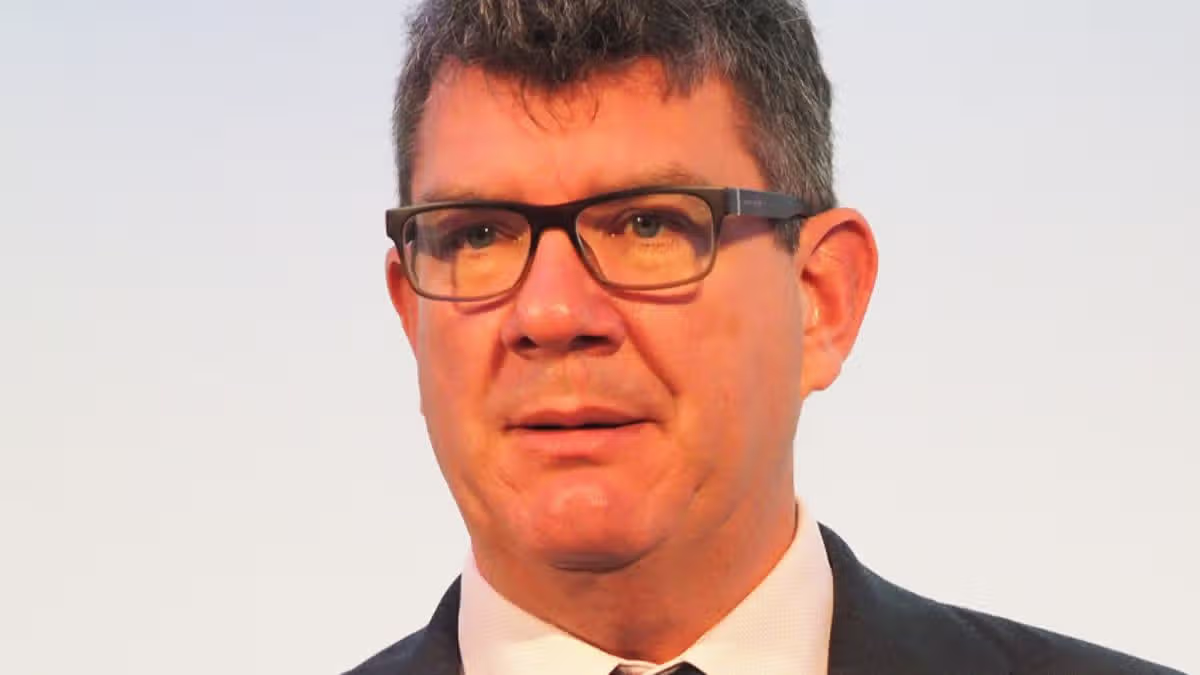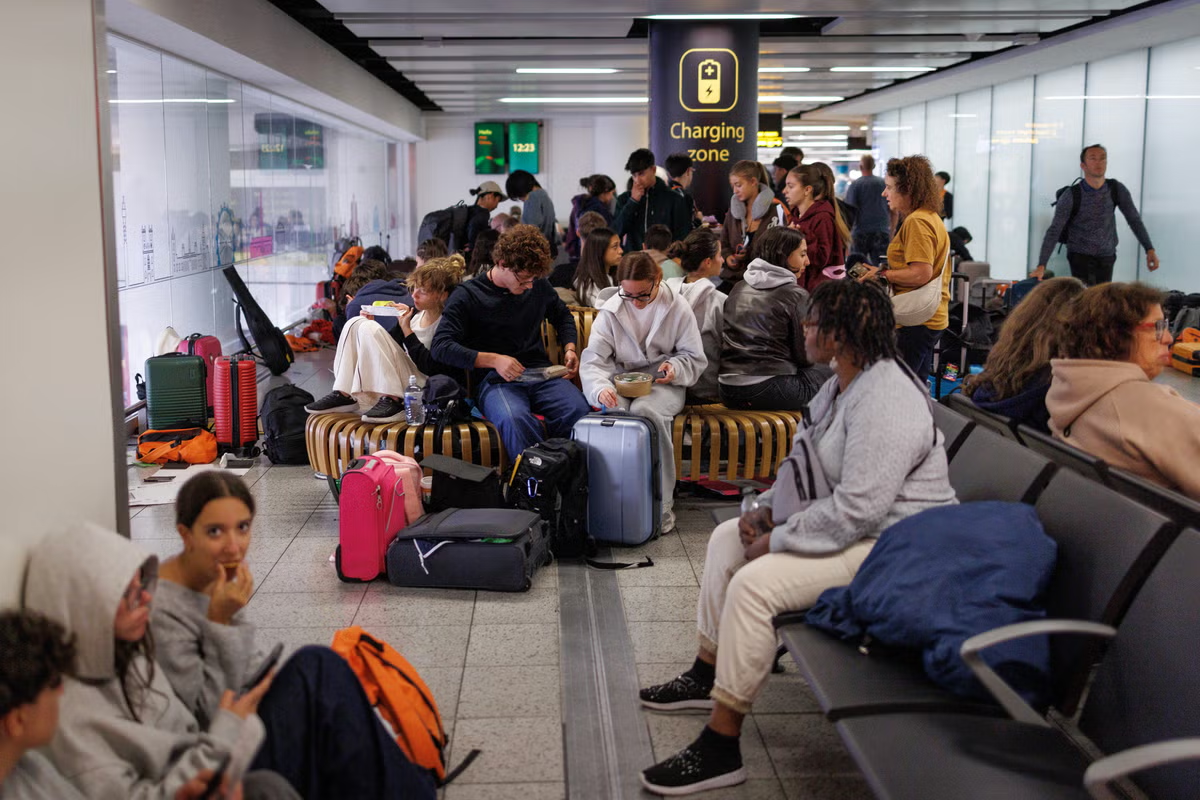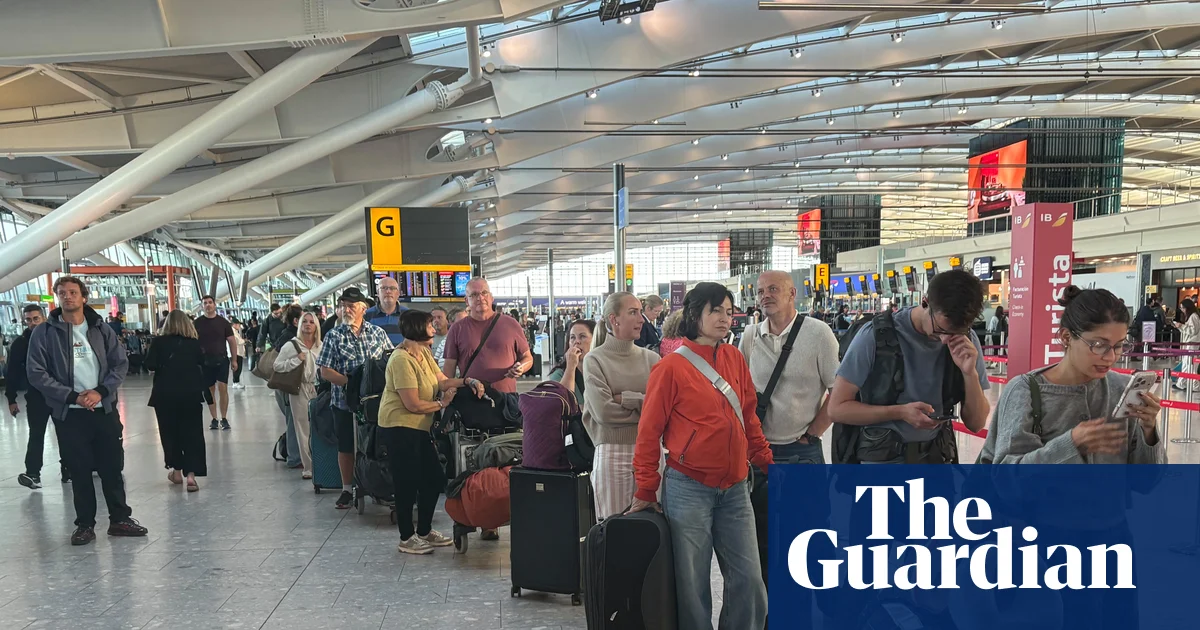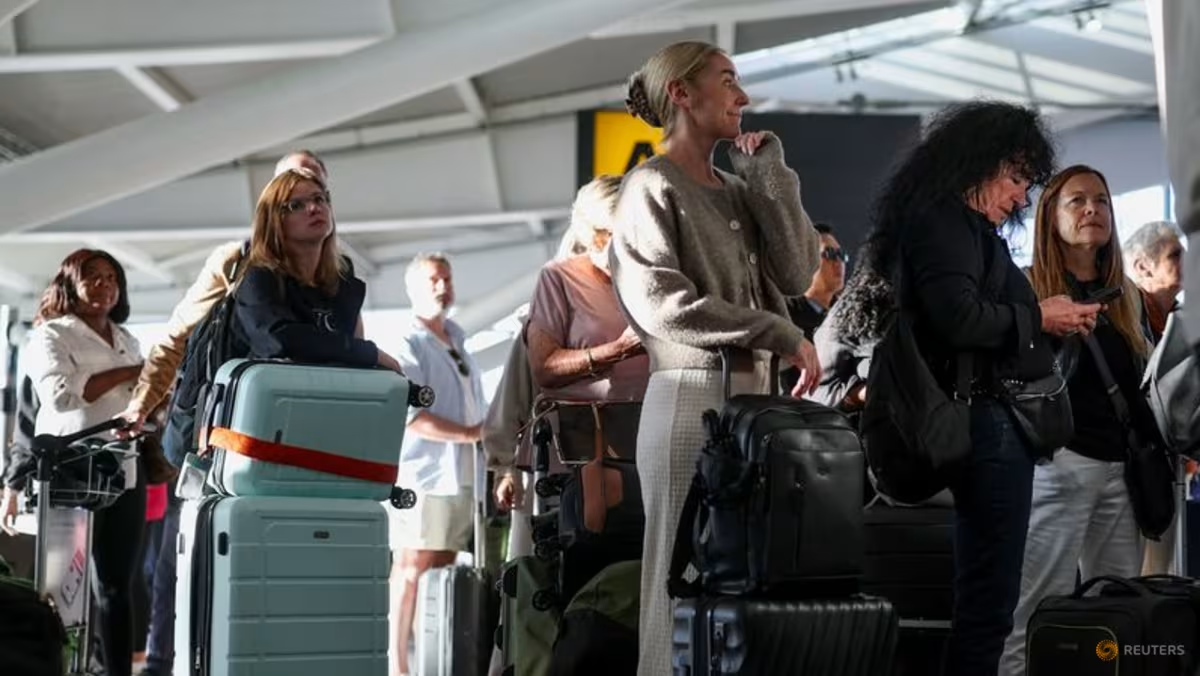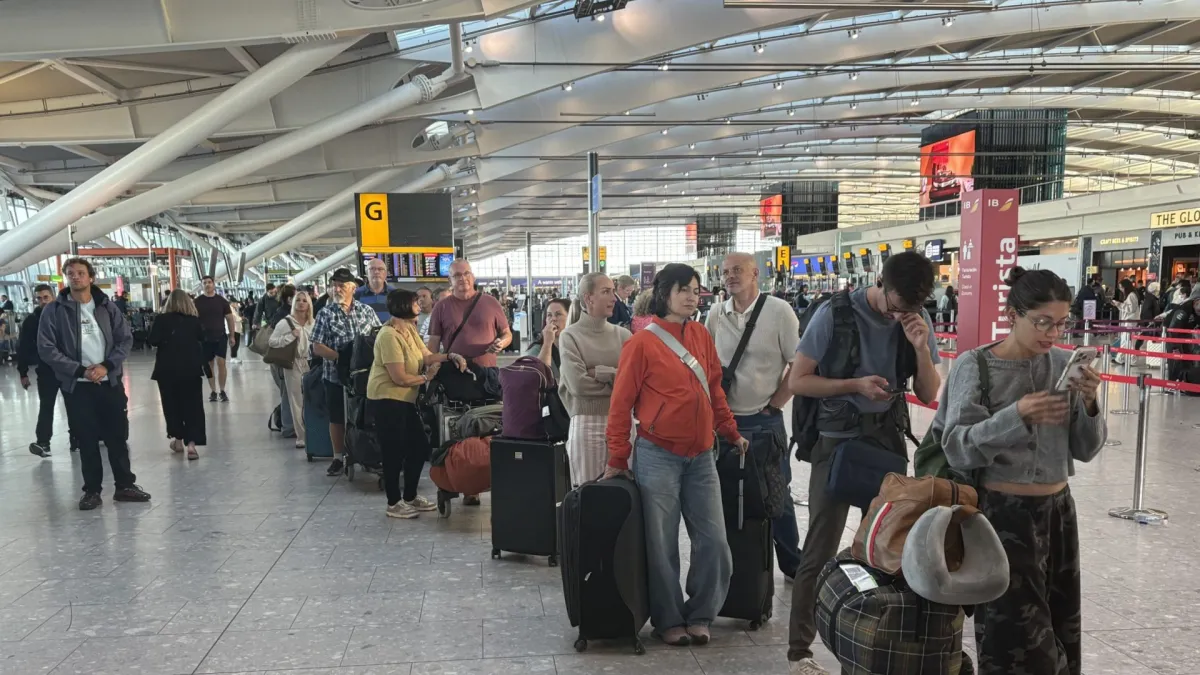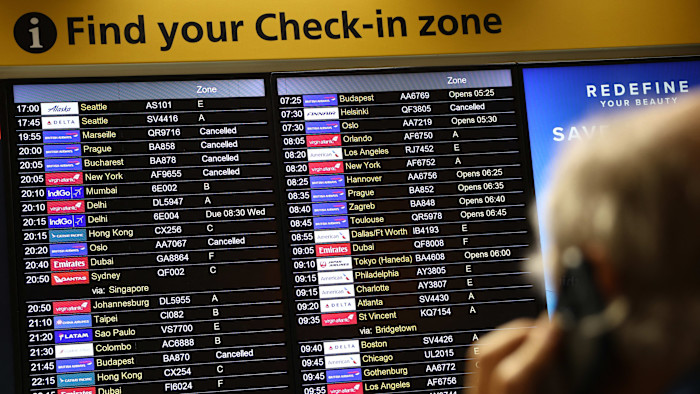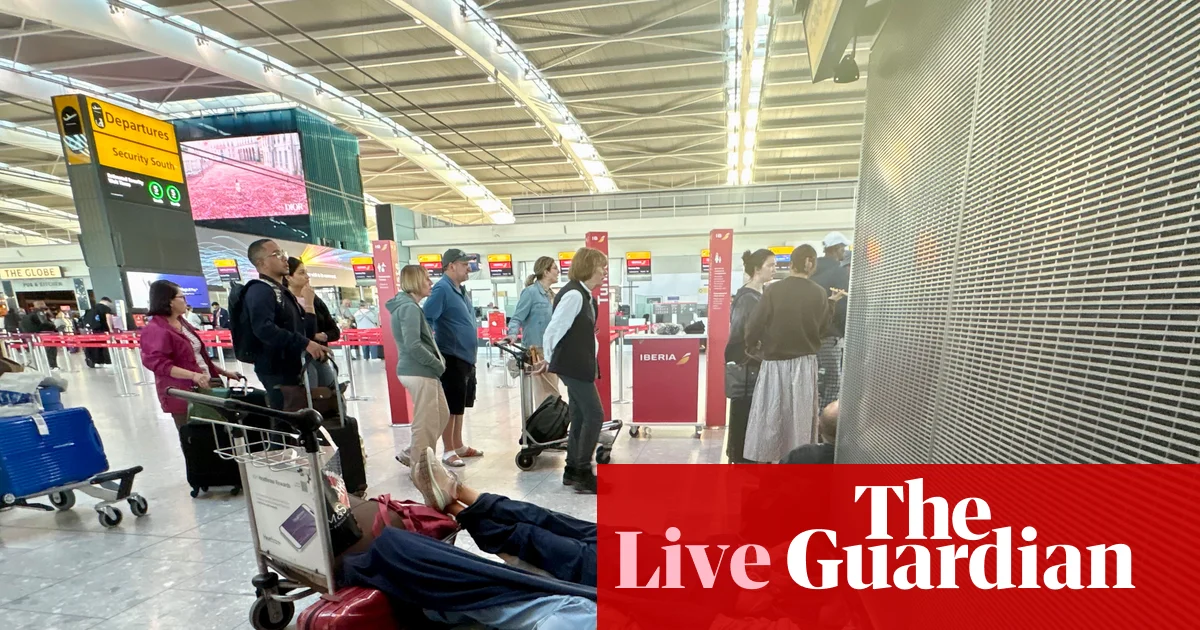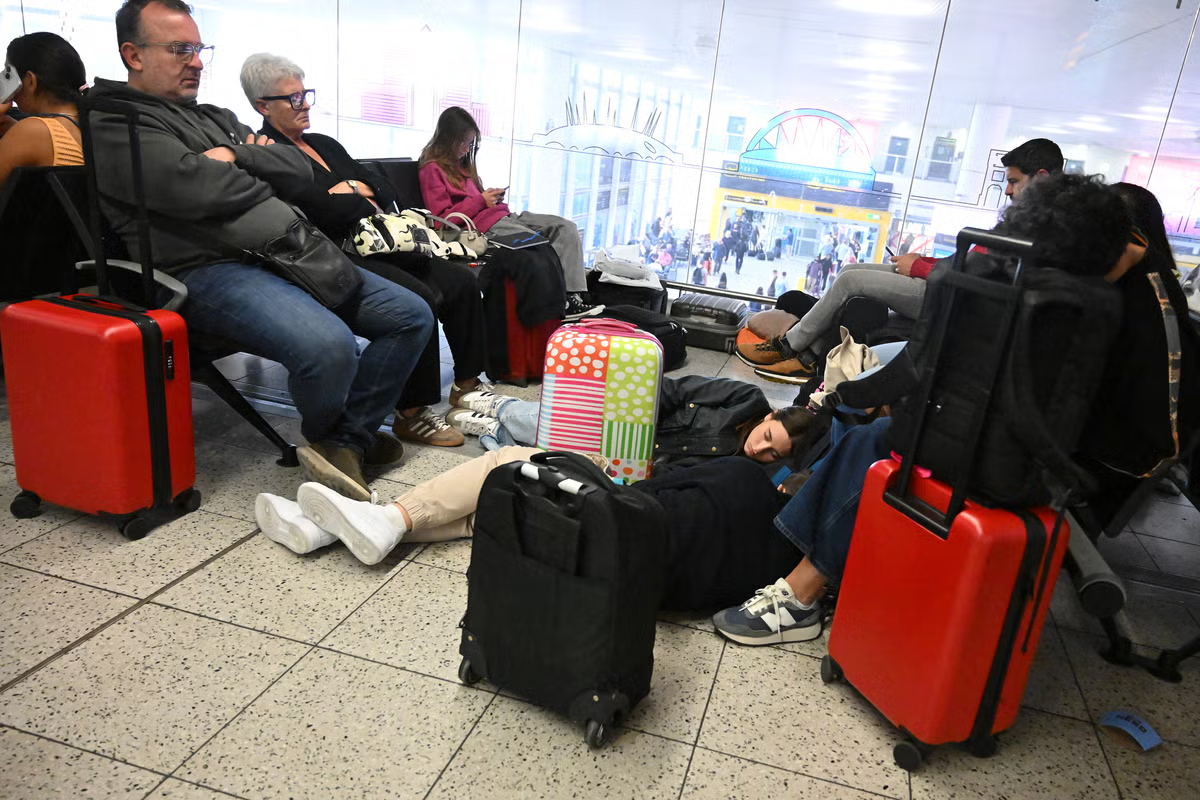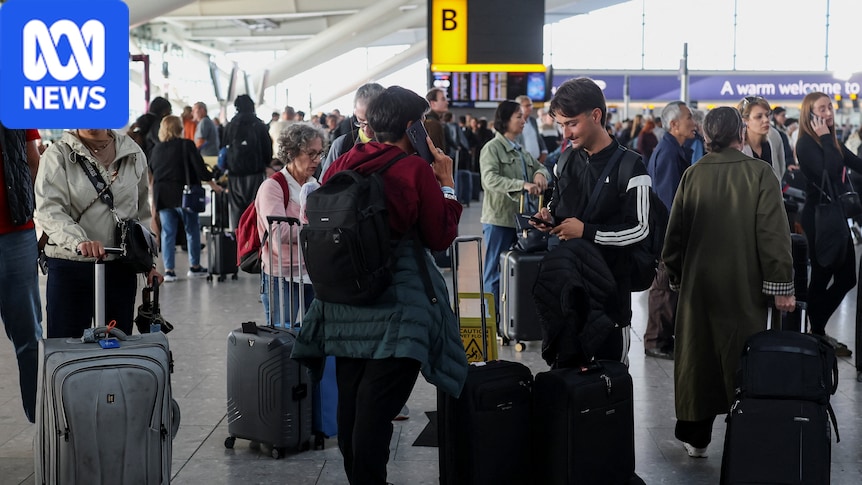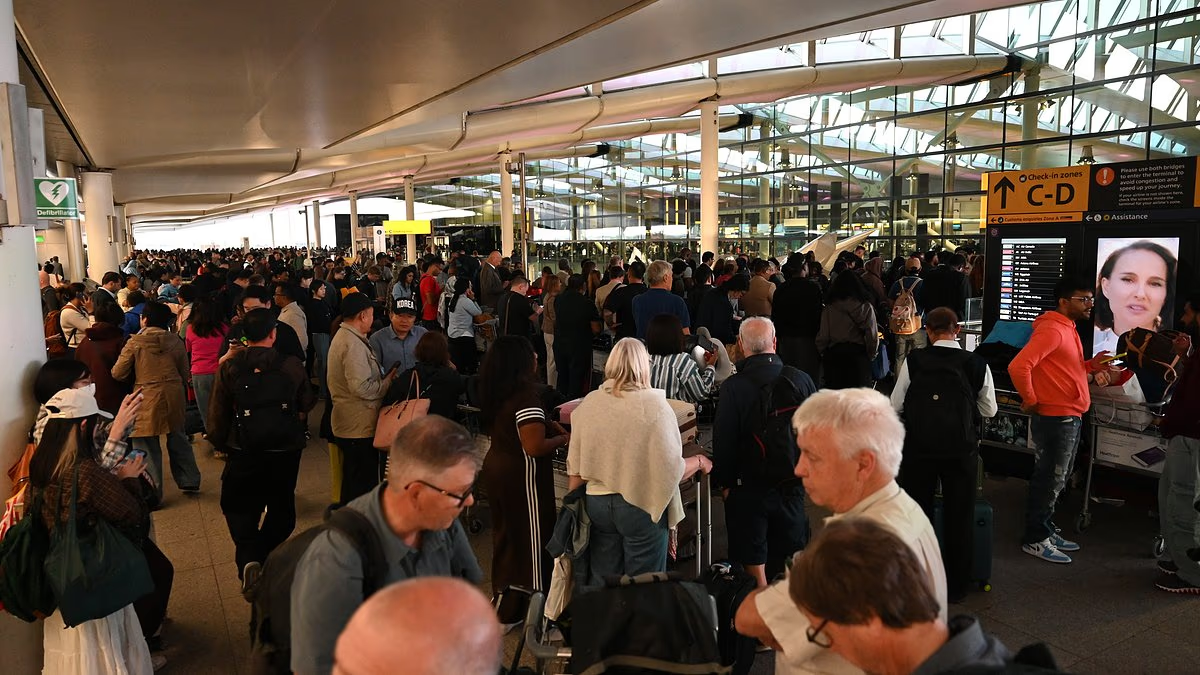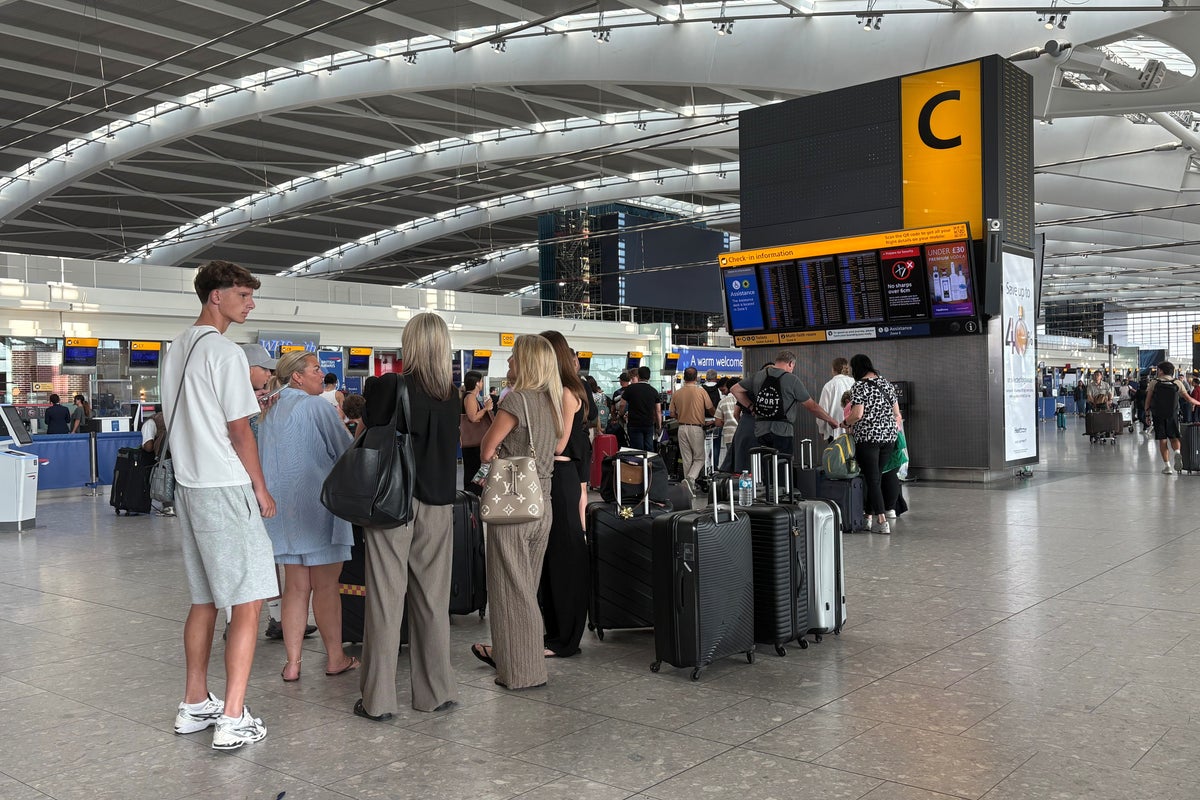
Martin Rolfe has, as they say, got one job. As head of National Air Traffic Services, he's responsible for making sure an average of 8,000 scheduled flights take off and land safely at 15 of Britain's airports every day.Some liken Rolfe's role to running a sort of motorway in the sky. So long as staff turn up to work and computers don't crash, travellers and freight shipments generally reach their destination on time and few people give NATS a second thought.For performing this generally dull role, Rolfe is paid very handsomely indeed. Last year, he trousered £1.418million in pay and bonuses; the year before £1.493million. In his past five years in the job, which he's held since 2015, the 54-year-old aerospace engineer has earned a whopping £6.187m.To put that in context, Rolfe's Dutch counterpart, Joost Meijs, is paid a mere €262,000 (£225,000) a year. Given this huge – some might say grotesque – disparity in remuneration, you might expect him to run Britain's skies with ruthless efficiency. Yet the exact opposite appears to be true.In the first half of 2025, for example, UK air traffic control was responsible for 2,770 flight delays. For the Netherlands, the figure was just 284. Ryanair, which dug out those figures a few months back, duly described Rolfe's pay as 'a vastly excessive package for a glorified bureaucrat who doesn't do a particularly good job'. National Air Traffic Services boss Martin Rolfe earned £1.418m in pay and bonuses last year A 'technical issue' brought chaos to the nation's airports this week with nearly 2,000 flights cancelled by Wednesday night and a quarter of a million passengers strandedThis week's events will add grist to that mill. On Tuesday, a 'technical issue' involving NATS' flight processing system – a computer crash, in other words – brought chaos to the nation's airports, with nearly 2,000 flights cancelled by Wednesday night and a quarter of a million passengers stranded. Rolling news bulletins were filled with images of passengers sleeping on floors or confined like cattle on runway-bound planes for hours on end. Various airports resembled homeless encampments.It wasn't the first, or even second time in recent years that Rolfe has overseen this kind of disaster. Another computer crash, in July last year, saw 150 flights cancelled, while a third, during the August Bank Holiday of 2023, saw Britain's entire airspace closed on one of the busiest weekends of the year, affecting 700,000 passengers and costing the industry at least £65million.Each time, Rolfe has sought to characterise the incident as a freak occurrence, claiming lessons will be learnt (he described 2023's meltdown as a 'one in 15million' event). Yet his organisation's technology keeps breaking. Little wonder that patience in the industry, which must count the cost of NATS failures, is now paper thin.British Airways called this week's events 'incredibly frustrating'. Wizz Air boss Yvonne Moynihan called for Rolfe to resign, dubbing his organisation 'not fit for purpose'. She said: 'In any industry, when you have had three failures you need to consider three strikes and you are out.'Ryanair accused Rolfe of an 'abhorrent failure' to learn lessons of previous crises. Its chief operations officer Neal McMahon said of NATS: 'They have a crap system and they don't invest in it. Instead they pay big bonuses to management and they pay huge dividends to the shareholders.'Rolfe did at least face some music, telling interviewers he 'understands the frustration' of travellers and will 'take accountability and responsibility'. He also met Transport Secretary Heidi Alexander yesterday, and according to Downing Street retains the confidence of the Government.Yet whether that position is tenable remains to be seen. Rolfe has been in his job for more than a decade. Stranded passengers were forced to sleep on airport floors during the disruption caused by the NATS system failureHe cannot exactly blame NATS' creaking infrastructure or accident-prone tech platform on his predecessor. And his status as one of Britain's best-paid quangocrats adds to his vulnerability.That £1.4million package, made up of a salary of £650,000 plus a pension and bonus, is almost ten times what the Prime Minister commands, and far more than any civil servant is able to justify. Yet since 49 per cent of shares in NATS are publicly owned, he is effectively half a state employee.Rolfe's pay, which allows him to live in splendour with his firefighter wife Anna in a mansion in Hampshire that boasts a swimming pool and tennis court, would of course be easier to justify were his organisation a model of ruthless efficiency. But evidence suggests that is not the position.NATS employs more than 5,000 staff at a cost of £585million a year, meaning its average salary and pension package is a whopping £115,000. Even so, it has for years failed to employ sufficient numbers of air traffic controllers.In 2024, Ryanair suffered a series of cancellations due to NATS' 'staff shortages', prompting boss Michael O'Leary to say: 'They bunk off. Through the summer on Saturday mornings there's always a reduction in NATS capacity. 'And when there's a big English soccer match there's a big reduction in capacity the morning after.'Thanks to the fees it levies on every ticket sold, which equates to just over £2 a passenger, NATS makes a hefty profit, of £165.9million last year, down from £174.6million the year before.Yet rather than investing this in making its computer systems fit for purpose, it has paid huge sums in dividends to shareholders, including Government and airlines. Last year it paid £70million; the year before, £170million. From 2010 to 2020, £550million went out the door.'The main problem is its core computer in Southampton is decades old: part of it still operates on Cobol, one of the original coding languages,' says aviation security expert Julian Bray. 'They bolt on smart new front-end systems, but what they need to do is go back to square one and replace it.'But NATS has a very entrenched board that doesn't want to spend the cash despite this being a major national strategic asset. If it fails it can devastate the economy.'Employment practices are famously woke, with Rolfe taking great pride in a so-called 'agile working' regime that allows many highly paid staff to work remotely.This exacerbated 2023's disaster, since the on-call engineer supposed to sort out the system when it crashed, was working at home.He struggled to log in remotely, and had to drive to the office, which took an astonishing 90 minutes. He then tried a 'full system re-start', which didn't work. It wasn't until four hours had passed that someone thought to phone the system's German manufacturer, who sorted it all out.An official report into the incident sparked wide criticism, with O'Leary saying engineers were 'sat watching Football Focus in their jim-jams'. Yet three years on, NATS continues to endorse home working 'where possible'.As hundreds of thousands of passengers endured the chaos that has cost the sector, and Britain's economy, tens of millions of pounds, the NATS website yesterday declared to potential recruits the virtues of 'agile working'.To put it another way, Rolfe has failed to learn from his mistakes, and travellers are paying the price. Could it be long before Britain's best-paid quangocrat becomes a former quangocrat?
The head of air traffic - who earns almost 10x the PM and loves WFH
Last year, Martin Rolfe, boss of National Air Traffic Service, trousered £1.418million in pay and bonuses; the year before £1.493million. In his past five years, he has earned a whopping £6.187m.
1,194 words~5 min read