The authorities must do more to contain the growing problem
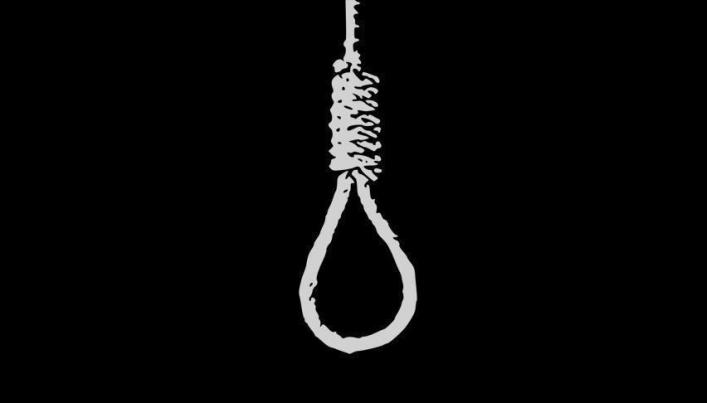
As Nigeria joins other countries today to mark the 2026 World Suicide Prevention Day (WSPD), it is important for critical stakeholders to join the ongoing conversation on how we can collectively address what has become a major public health challenge. Last month (August), the Federal Executive Council (FEC) approved a proposal to amend the National Mental Health Act with the aim of removing criminal penalties for attempted suicide, officially shifting Nigeria’s legal framework from punishment to care and psychological support. Currently, both Section 327 of the Criminal Code Act (Southern Nigeria) and Section 231 of the Penal Code (Northern Nigeria) criminalise suicide attempts. But beyond the executive bill being prepared for the National Assembly to amend those colonial laws still in operation, Nigeria must do more. Changing the narrative on suicide, according to the World Health Organisation (WHO), “is about transforming how we perceive this complex issue and shifting from a culture of silence and stigma to one of openness, understanding, and support.”
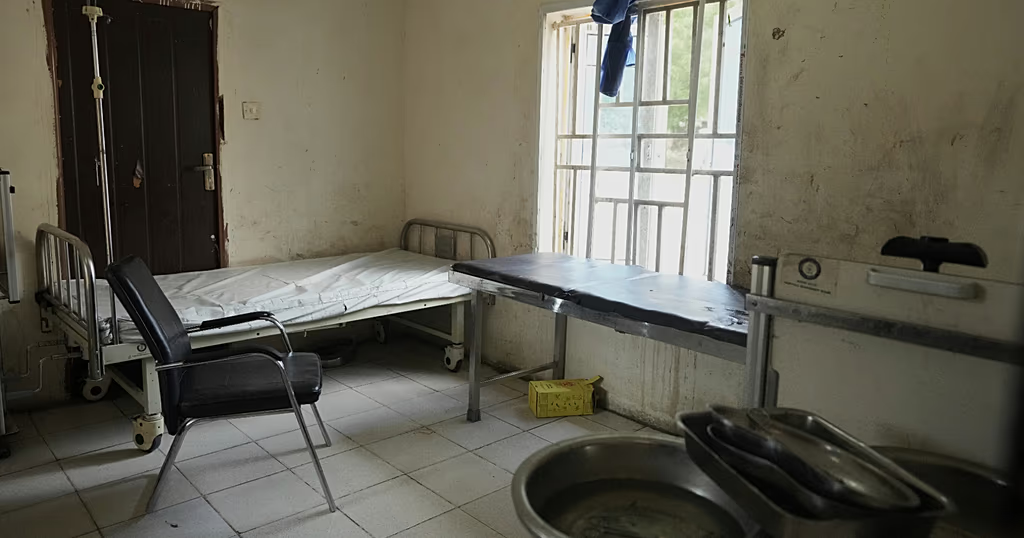
With only nine federal neuropsychiatric hospitals in the country, ignorance, serious budget constraints, and the exodus of many experts in the field who seek greener pastures abroad, it comes as no surprise that suicides are on the increase in the country. According to the WHO, one in four Nigerians suffer from some sort of mental illnesses. Unfortunately, there is nothing to suggest that there are efforts to tackle this health challenge. In recent years, reports on suicide have moved to a very disturbing trend, and it is not restricted to any demographic group as both the young and the old are killing themselves.