Jensen Huang, CEO of Nvidia, calls that the “two exponentials” driving the price of AI compute; models are growing more complex, and more people and agents use them. Either way, the idea is that the labs capture that surplus and send it back through the ecosystem to cover their debts. There’s just one problem: as impressive as the new model releases are, they don’t seem to be causing sustained spikes in the price of AI compute—in fact, the AI token is getting cheaper, fast.
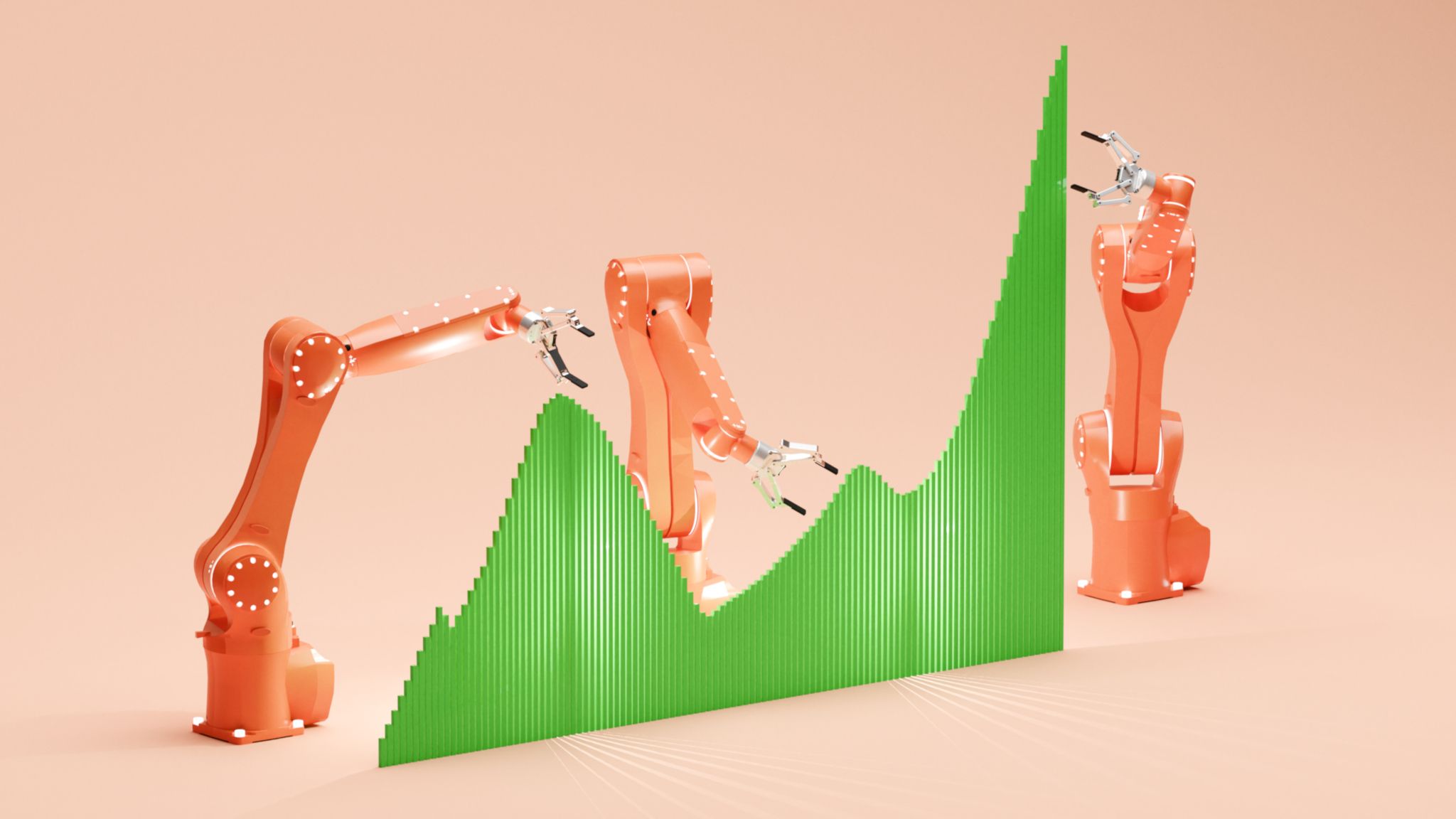
That’s according to new data from Ramp, the corporate spending platform, published Wednesday, showing the effective price that American businesses pay per a million tokens has fallen about 41% from its peak in March, from $1.15 to 68 cents. The share of usage going to frontier models is dropping, too; about 53% in early August to 45% by September. And the top 1% of spenders, the cohort that drives about 80% of OpenAI and Anthropic’s enterprise revenue, cut per-employee spend by nearly 10% in August.
It’s not a disaster or the bubble bursting but it is a “crack in the AI thesis,” Ara Khazarian, the Ramp chief economist who runs the Index, told Fortune. Rather than unleashing a gush of demand for the best models, tokens are starting to be priced more like a commodity– as interchangeable as salt or wheat. And commodity owners aren’t valued at $2 trillion. Morgan Stanley has flagged vulnerability for up to $300 billion in bonds financing neocloud buildouts—CoreWeave-style companies that borrowed to build data centers before signing tenants—if token prices don’t keep up.