The ghost of a 19th century English economist may be haunting yet another part of the AI boom.
In 1865, William Stanley Jevons observed that when the Watt steam engine made coal use more efficient—decreasing the amount required to a task—coal consumption actually skyrocketed. More than 150 years later, one economist is citing this phenomenon, dubbed Jevons paradox, to explain why the cost of AI will continue to creep up.
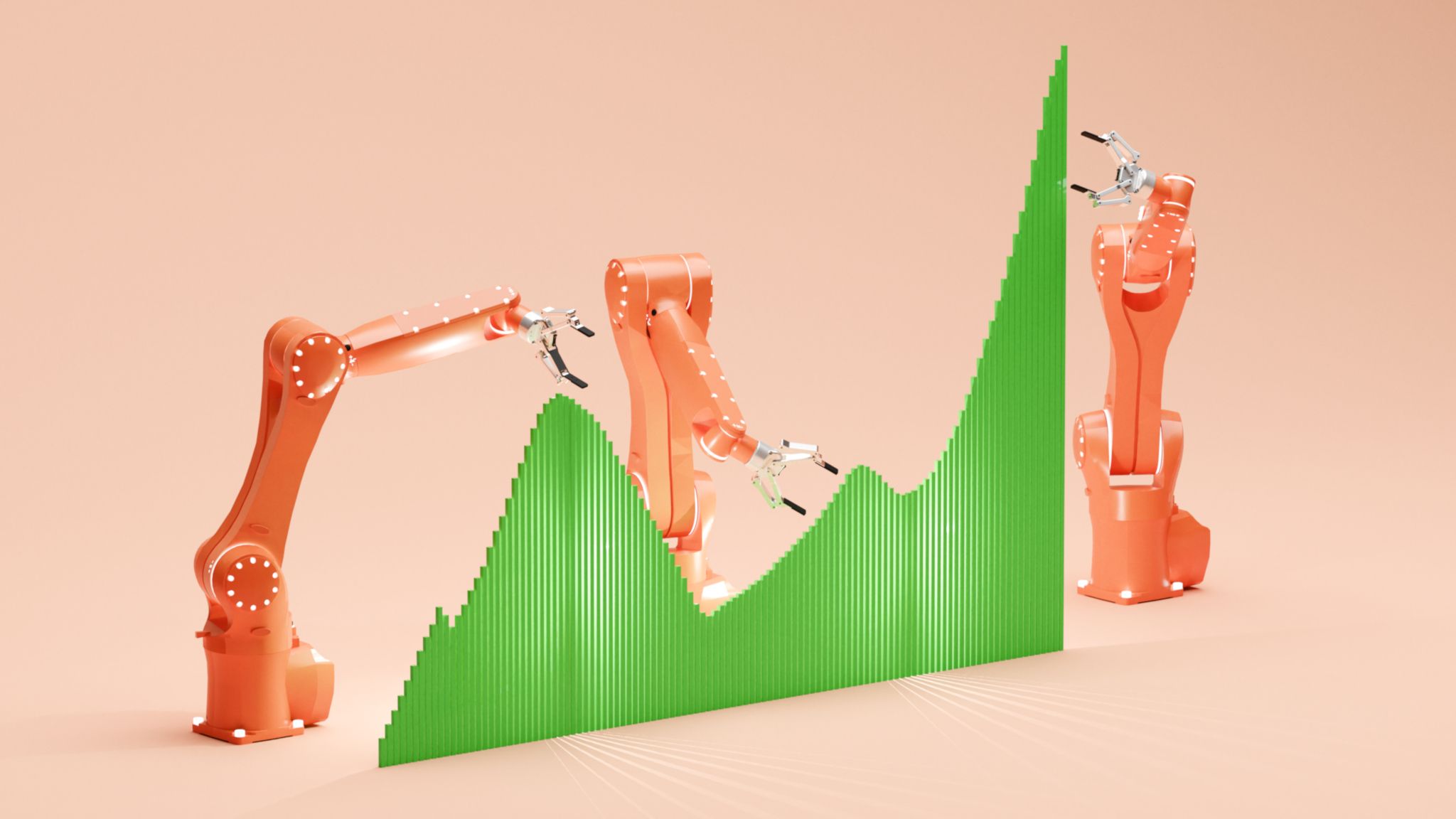
Despite the price of a single token dropping more than 90% since 2023, spending on large language models has doubled since late last year, according to the Silicon Data Token Expenditure Index. Essentially, token price—or the cost to process the most basic unit of AI—has gone down, but companies are spending more than ever on AI. Apollo chief economist Torsten Slok said it’s yet another example of “Jevons paradox in action.”
“As tokens get cheaper, companies don’t spend less but instead run more AI agents, automate more workflows and generate more code, pushing aggregate expenditure higher even as the unit cost of intelligence collapses,” Slok wrote in a recent blog post.
The cost of tokens has become a major concern for companies racing to leverage AI. The trend of “tokenmaxxing,” in which employees blitz to increase their AI use, has emerged as companies like Meta and Amazon incentivize the technology’s use. However, the deployment of AI just for the sake of it is proving unsustainable. Uber president and chief operating officer Andrew Macdonald recently said the rideshare company burned through its entire AI budget in the first four months of the year amid the company’s increasing use of Claude Clode. Bloomberg reported the company has now capped monthly AI spending to $1,500 per employee.