Operation Inherent Resolve will soon be resolved. On September 30, the final US troops are slated to withdraw from Iraq as the campaign to defeat the Islamic State of Iraq and al-Sham (ISIS) comes to an official end. The withdrawal closes a chapter of US military presence in Iraq that began with the 2003 invasion that toppled Saddam Hussein. It also raises several pressing questions. Below, we turned to our top experts on Iraq and the region for answers.
1. What is the significance of the end of Operation Inherent Resolve?
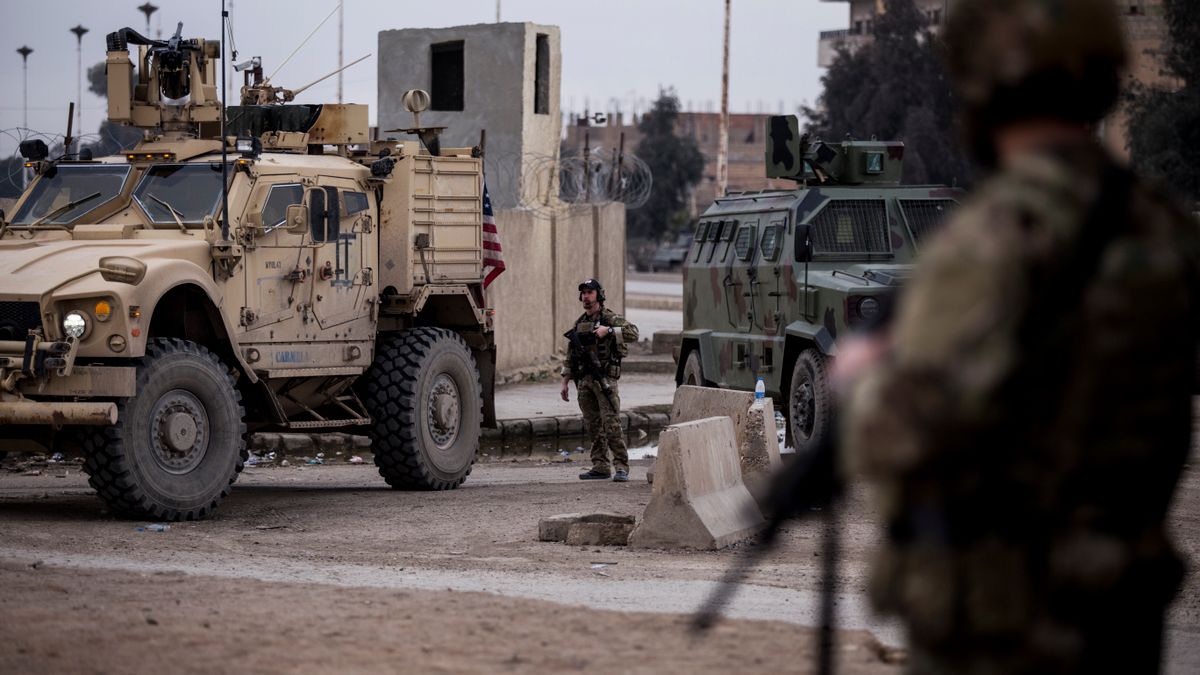
The end of the Defeat ISIS Coalition’s military mission and the departure of US troops from Iraq mark the conclusion of over two decades of US military engagement in Iraq. Since the 2003 invasion, the US military presence has been a defining feature of the US-Iraq relationship. The withdrawal in 2011 was followed by the return of US troops in 2014 after ISIS occupied nearly a third of Iraqi territory. Even as Operation Inherent Resolve (OIR) helped liberate Iraq from ISIS and included a degree of early cooperation with Iran-backed militias, the ongoing US troop presence became a target for militias and an irritant for Iraq’s Shia political leaders. The departure of US troops fulfills a core demand of Iraq’s militias and the Iraqi government. It also achieves a Trump administration priority to reduce US military engagement in the Middle East. The Iraq War is a prime example of the “forever wars” that President Donald Trump and a majority of Americans believe were mistakes. Even as Iraq has disappeared from the headlines, the legacy of the US military presence in Iraq has and will continue to shape American views on the Middle East and the use of US military force.