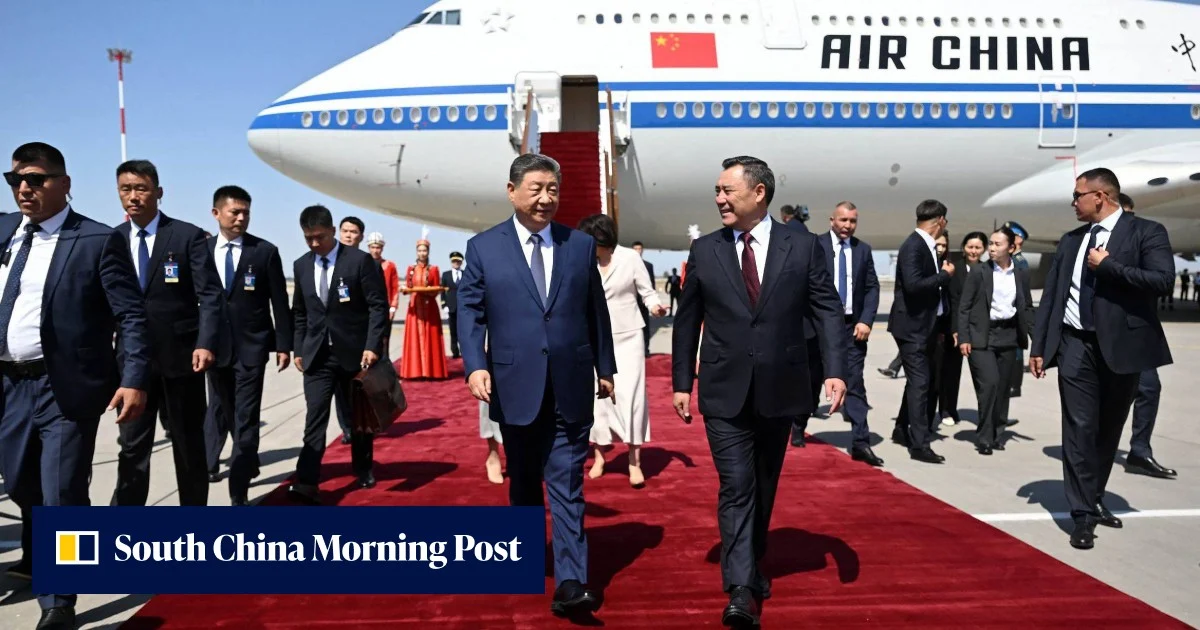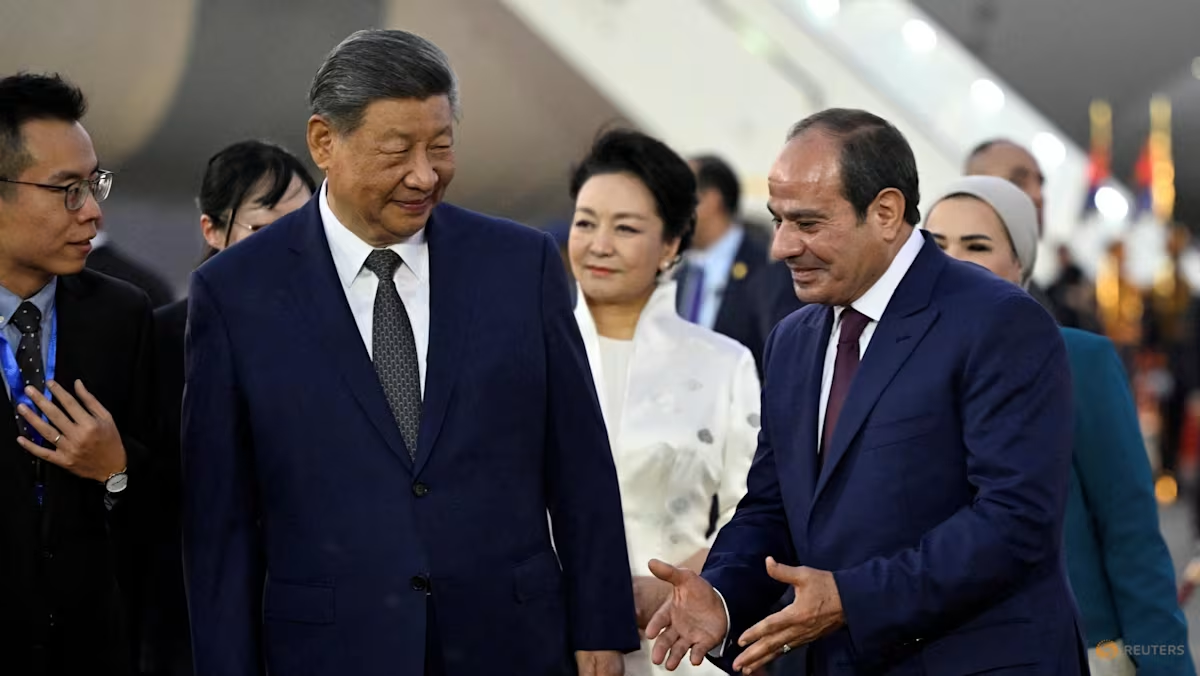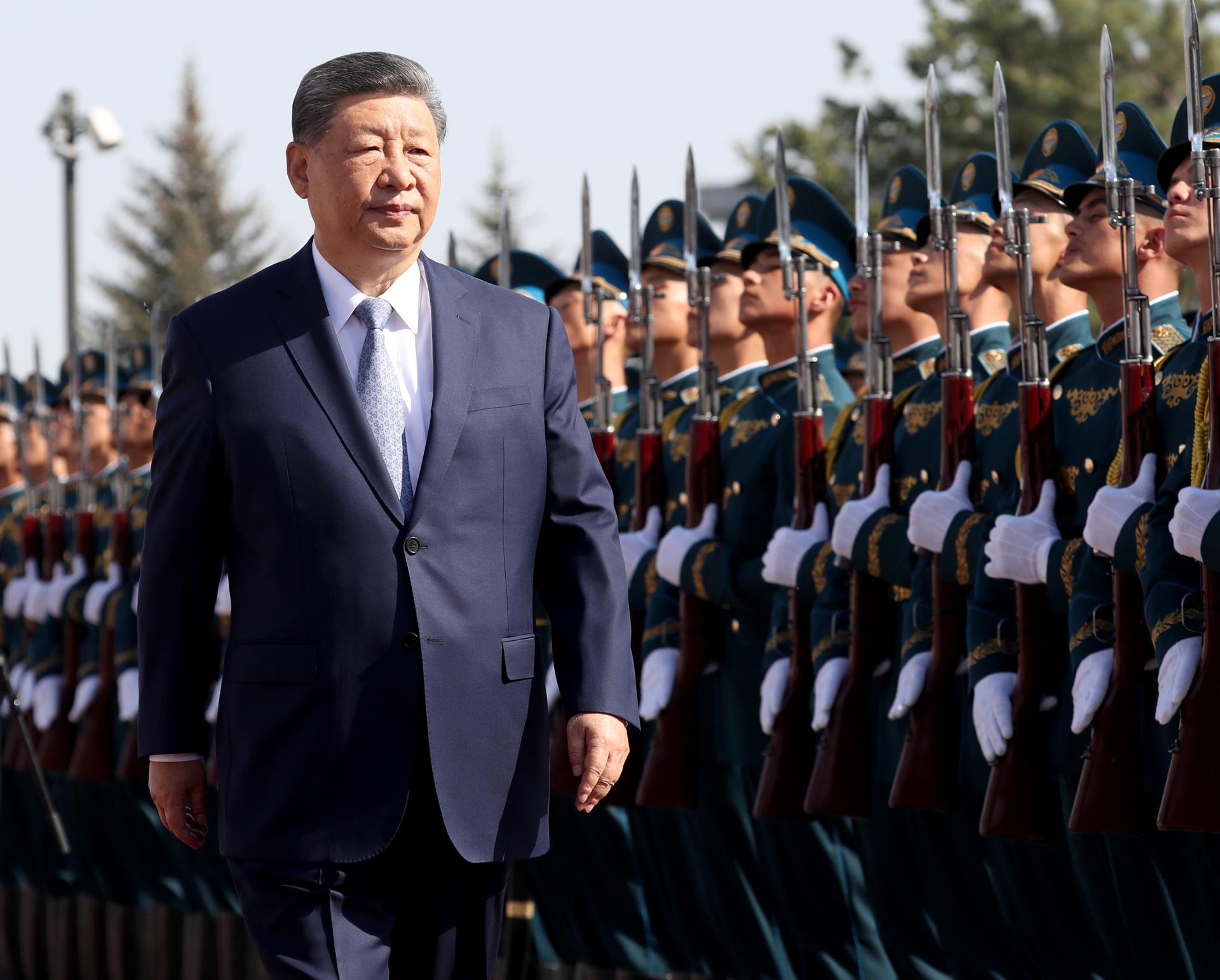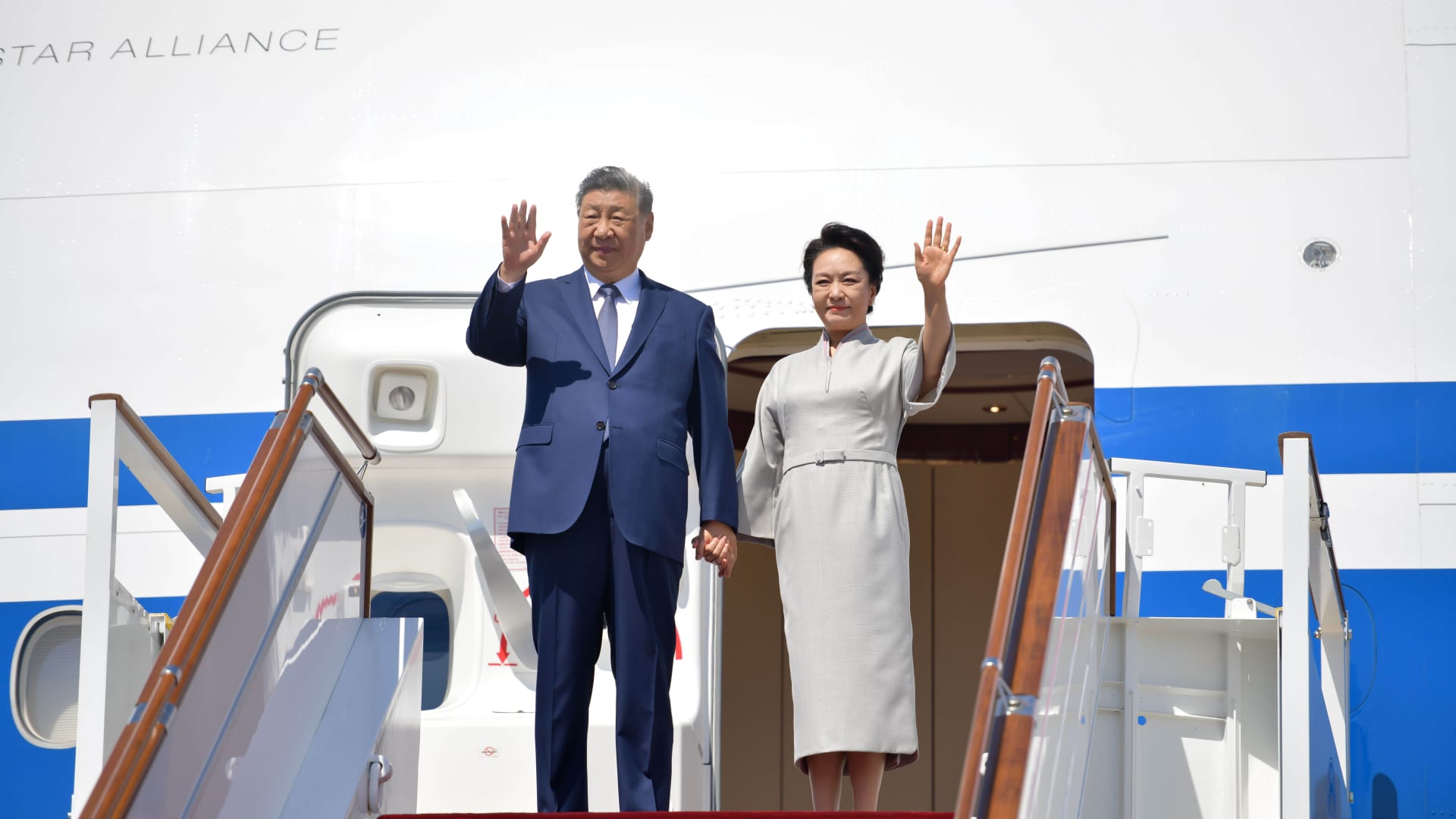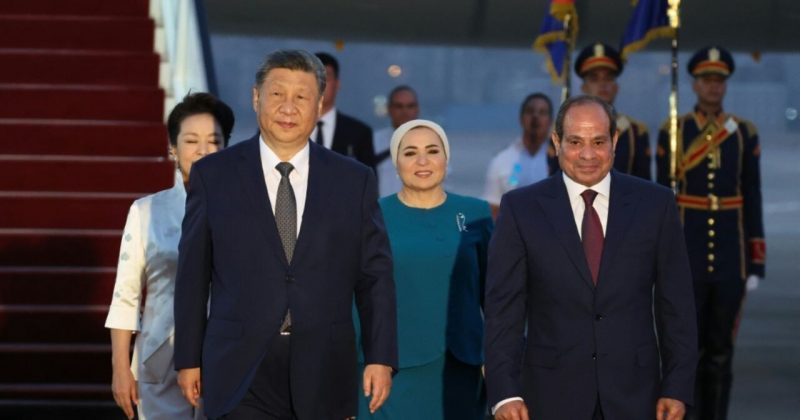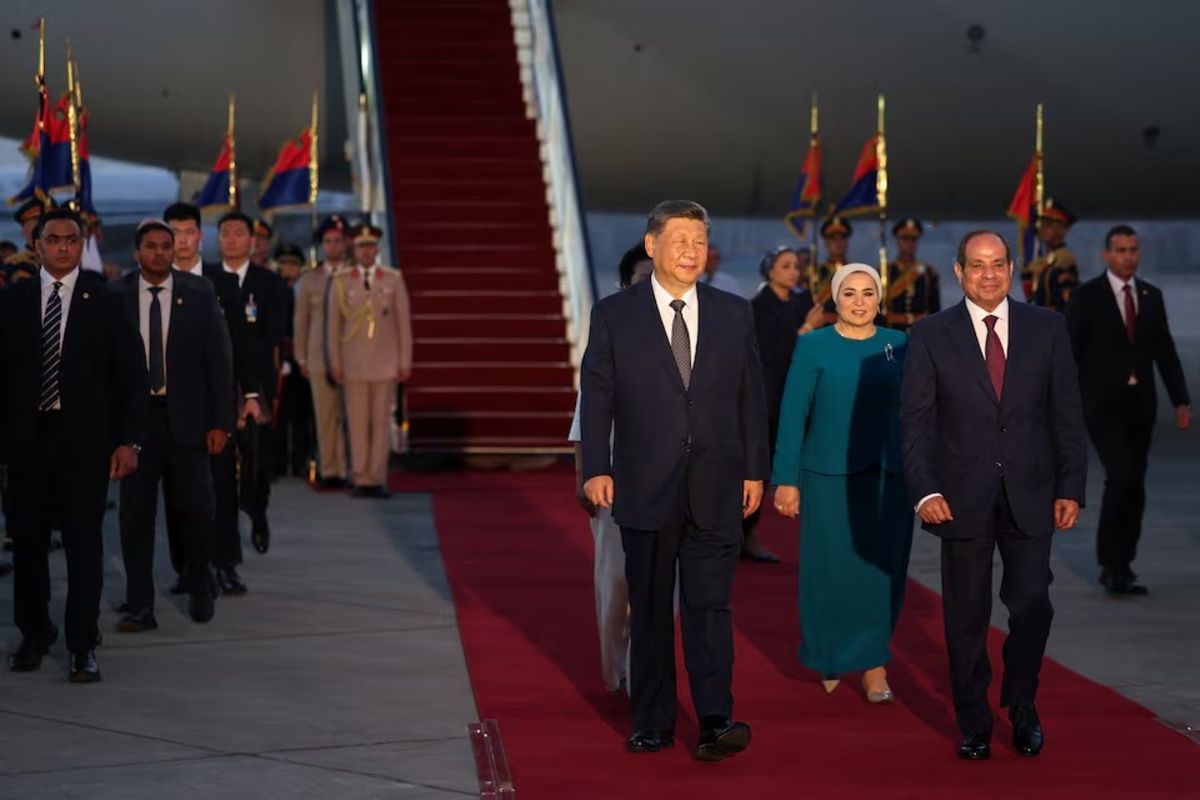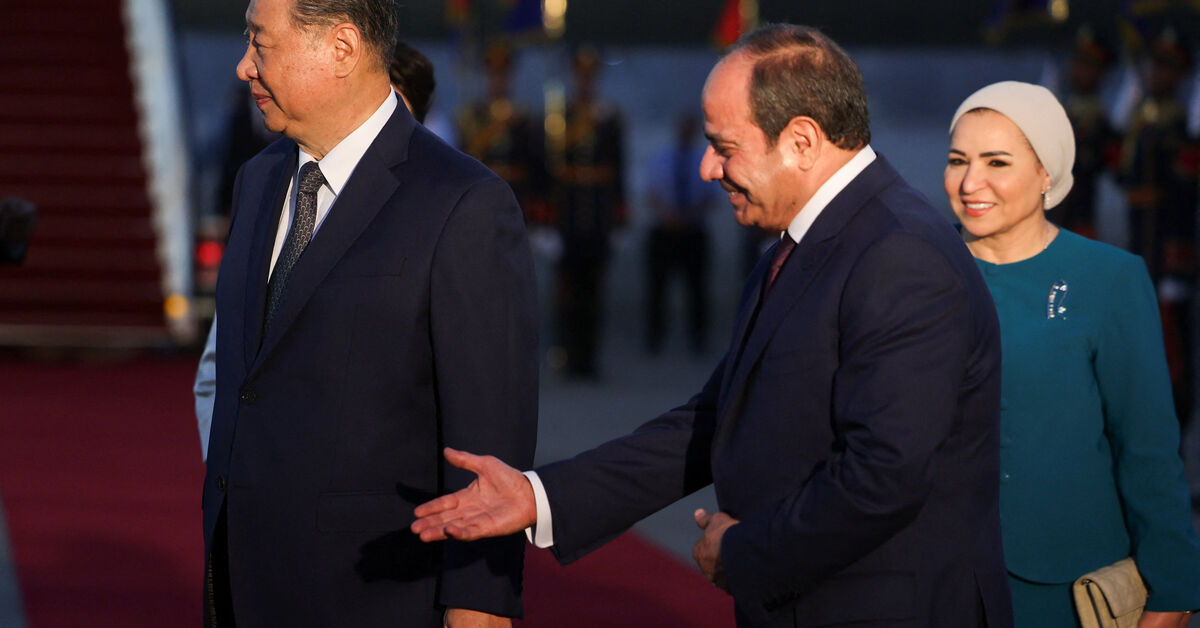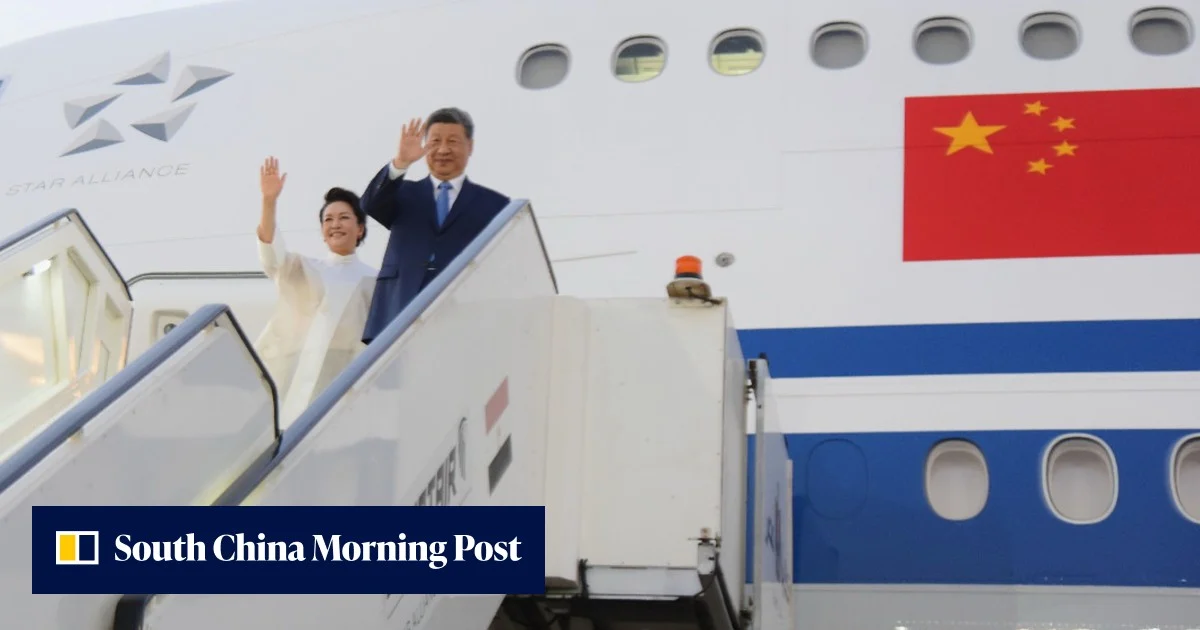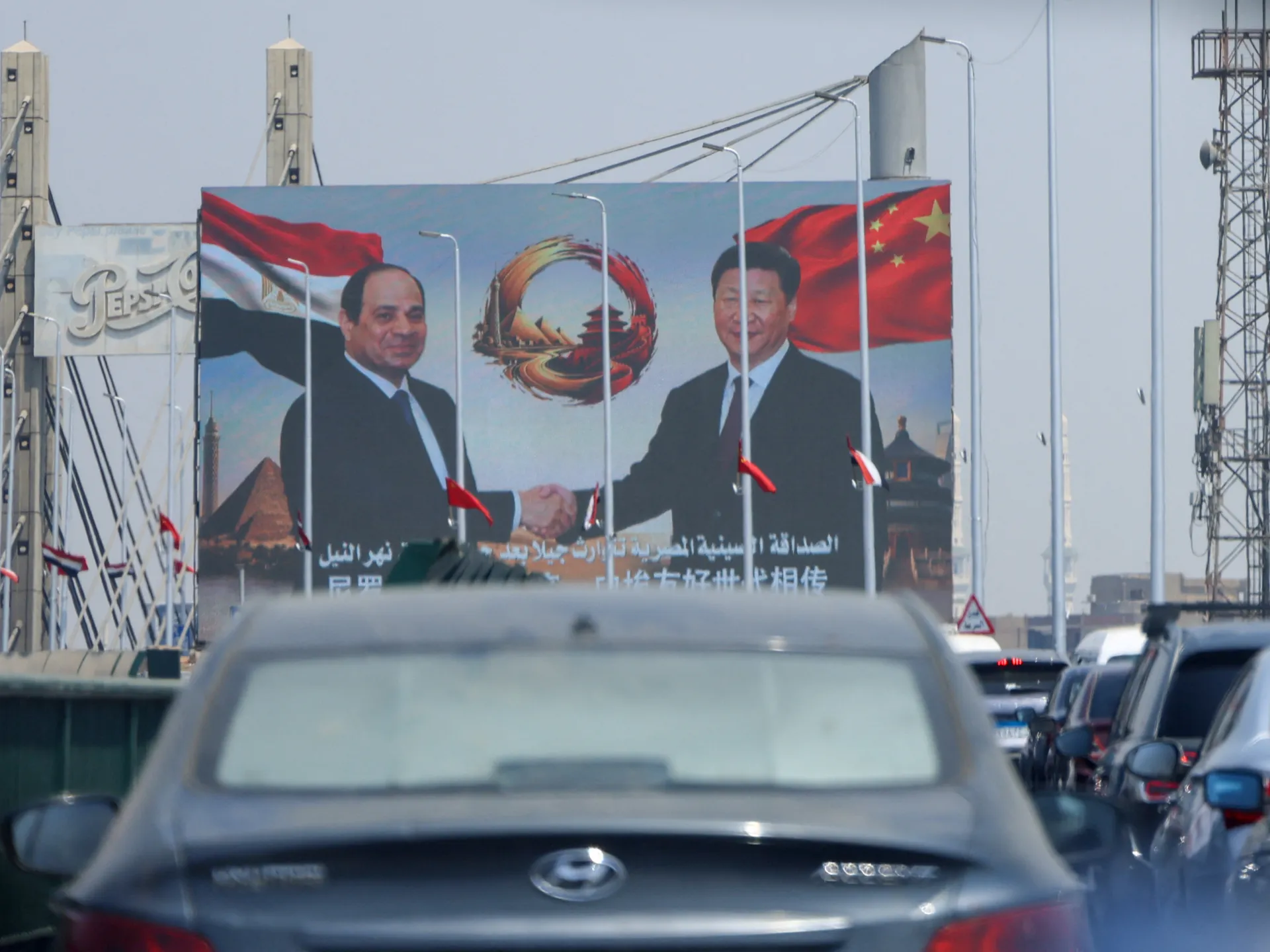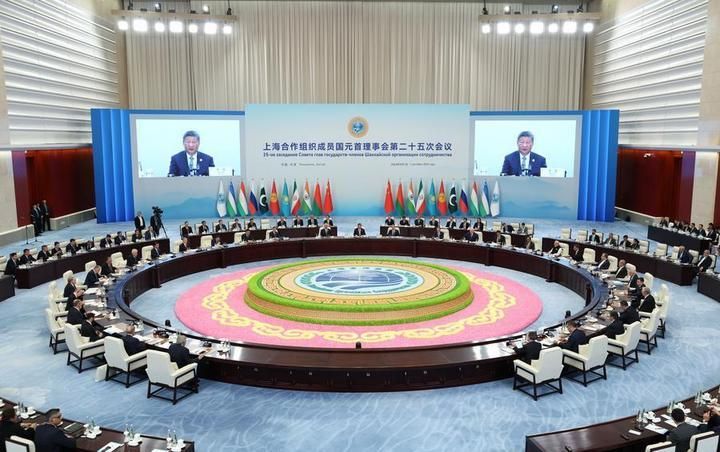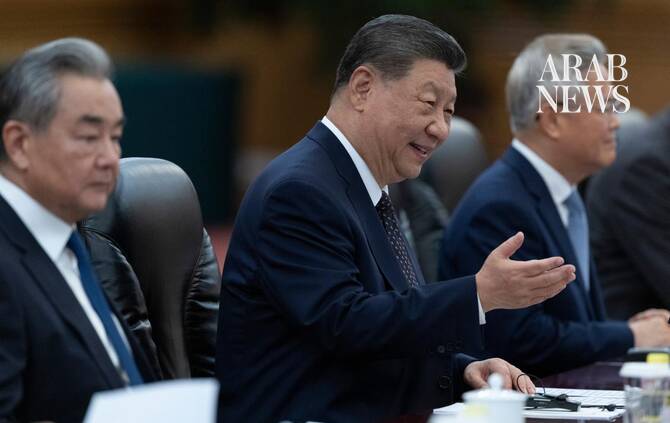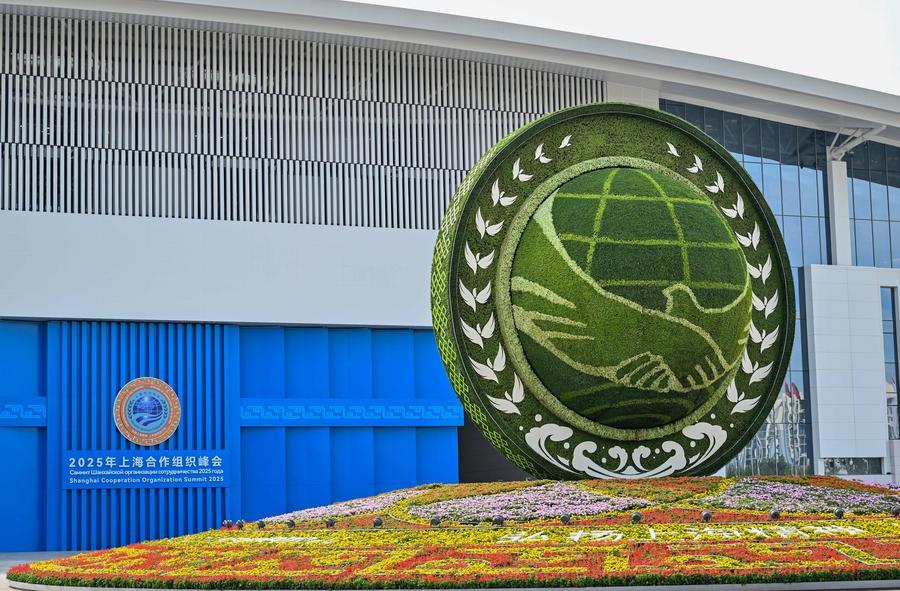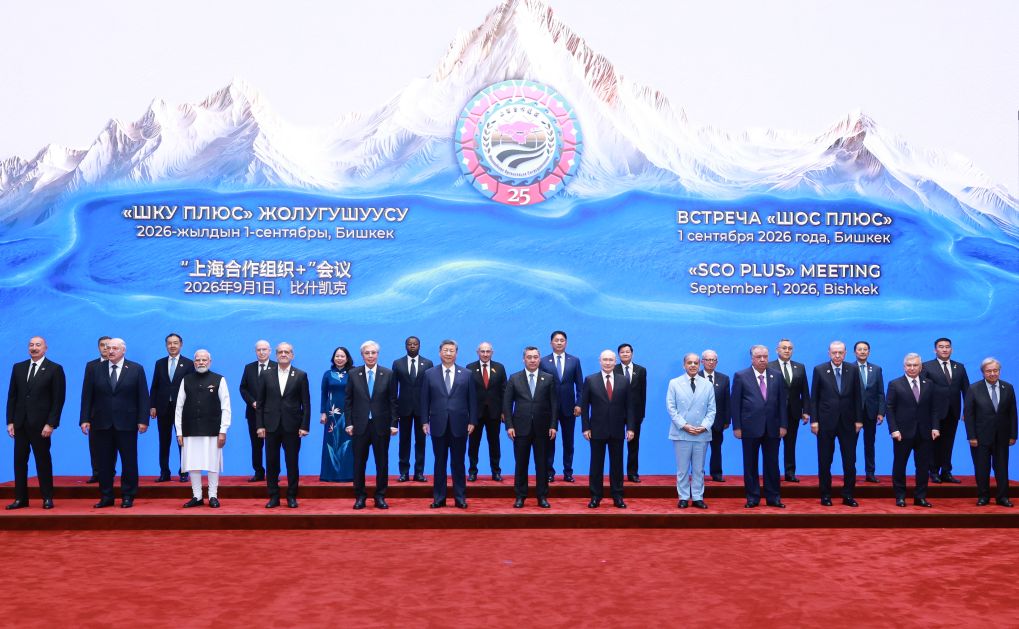
Between August 30 and September 3, 2026, Chinese President Xi Jinping attended the 2026 Shanghai Cooperation Organization summit and paid state visits to Kyrgyzstan and Egypt. Against the backdrop of accelerating profound changes unseen in a century, and amid intertwined shifts and turbulence in the international landscape, President Xi Jinping’s tour of Central Asia and the Middle East responded to the international community’s aspirations for peace, stability and development. It also presented to the world the image of a major country that courageously shoulders its historical responsibilities and takes the initiative in helping steer the course of history.President Xi Jinping’s visit to Egypt, his first in 10 years, marked an important diplomatic initiative by China toward the Middle East following the China-Arab States Summit held in Riyadh in 2022. The visit coincided with the 70th anniversary of the establishment of diplomatic relations between China and Egypt, as well as the 70th anniversary of the beginning of diplomatic relations between China and Arab countries. This injected strong new momentum into carrying forward the traditional friendship between China and the Arab world, strengthening exchanges and cooperation across various fields, and advancing the building of a higher-level China-Arab community with a shared future. At present, the Middle East is experiencing a new round of turmoil, while the repercussions of conflicts spilling beyond their original boundaries continue. How can the Middle East’s security dilemma be resolved? And how can lasting peace and stability be achieved in the region? President Xi Jinping put forward a four-point initiative in this regard, stressing China’s support for regional countries in developing relations based on good-neighborliness and friendship, upholding a concept of common, comprehensive, cooperative and sustainable security, and establishing a new security framework in the Middle East. Following his four-point proposal for promoting peace and stability in the Middle East and his four principles on the Palestinian issue, President Xi has once again offered, through this initiative, a Chinese solution to help the Middle East and Gulf region emerge from the shadow of conflict and chart a new direction toward lasting peace and stability.First, activating the internal momentum for common security in the region. In April this year, President Xi Jinping stressed during a phone call with Saudi Crown Prince Mohammed bin Salman that China supports regional countries in building a shared home based on good-neighborliness, development, security and cooperation, and in determining their own future and destiny.The Middle East belongs to the peoples of the Middle East, and the affairs of the region should be decided independently by its countries. China believes that the path to resolving regional flashpoints is based on mutual respect, respect for the sovereignty and territorial integrity of the countries concerned, and adherence to the principle of non-interference in internal affairs. Middle Eastern countries can find a path to security that is compatible with regional realities and takes into account the legitimate concerns of all countries only through dialogue and consultation among themselves, by independently exploring solutions to regional flashpoints that suit local conditions, and by adopting objective and fair positions.Second, advancing integrated governance of common security in the region. The Middle East has multiple flashpoints that are closely interconnected, and any continued deterioration in one of them could trigger a chain reaction with consequences extending beyond its borders. Achieving peace and stability in the region cannot be based on addressing each problem in isolation, much less on applying double standards. Instead, efforts must begin from the perspective of the region’s overall security and stability, addressing both symptoms and root causes and adopting comprehensive measures. The Palestinian issue remains the central issue in the Middle East and must never be ignored or marginalized.In August this year, President Xi Jinping put forward four principles on the Palestinian issue, stressing the need to uphold a political settlement, follow the principle of “Palestinians governing Palestine,” uphold humanitarian principles, and adhere to fairness and justice. He also called for a comprehensive, just and lasting solution to the Palestinian issue at an early date on the basis of international law, with the aim of addressing both the symptoms and the root causes of the issue through practical action. Without a just solution to the Palestinian issue, the Middle East will not enjoy lasting peace and stability.Third, consolidating the development foundations of common security in the region. Achieving lasting peace and stability in the Middle East fundamentally depends on development. Security is a prerequisite for development, while development is a guarantee of security. It is therefore necessary to promote peace through development and reinforce security through cooperation.The countries of the Middle East and Gulf are neighbors that cannot be separated from one another and are mutually dependent. The more tense the situation becomes, the more important it is for regional countries to uphold and safeguard peace.All parties should work to create an environment conducive to the development of countries in the Middle East and Gulf region. China is ready to work with regional countries to safeguard the security of international maritime routes, strengthen development cooperation and deepen the integration of interests among regional states, thereby gradually enhancing mutual trust. China is also ready to share with Middle Eastern and Gulf countries the development and economic opportunities created by Chinese modernization, helping strengthen the foundations of regional development and security.Fourth, strengthening international coordination for common security in the region. Issues in the Middle East affect the entire world, and the international community has a responsibility to play a constructive role in advancing political solutions to crises. The United Nations Charter and international law are the fundamental references for handling Middle Eastern affairs, and the international community, particularly major powers outside the region, should reject double standards.China has consistently formulated its positions and policies based on the merits of each issue, distinguishing right from wrong and adhering to the settlement of differences and disputes through political and diplomatic means. No matter how complex disagreements become or how intense conflicts grow, China always stands firmly on the side of peace, on the side of dialogue and on the right side of history. It will work alongside countries that share this vision and make tireless efforts to advance lasting peace and stability in the Middle East, contributing China’s efforts to peace, stability, prosperity and development in the region and demonstrating the responsibility of a major country.At present, the international community is paying increasing attention to China’s voice and Chinese solutions, and expects China to assume greater responsibility amid turbulence, uphold fairness and justice, and play a larger role. This expectation stems from the fact that China does not pursue selfish geopolitical interests or engage in bloc confrontation. Instead, it places the fundamental interests of the region’s peoples first, takes both security and development into consideration, and accounts for the legitimate security concerns of different countries. More importantly, China continues to inject momentum for stability and de-escalation in the Middle East through concrete actions.China and the Arab countries are important members of the Global South and a significant force for safeguarding world peace and promoting common development. Against the backdrop of accelerating profound changes unseen in a century and amid intertwined shifts and turbulence in the Middle East, China and the Arab world need more than ever to strengthen solidarity and cooperation and work hand in hand to confront common challenges. September 1 this year marked the first anniversary of President Xi Jinping’s proposal of the Global Governance Initiative. China will continue to firmly uphold the international system with the United Nations at its core, support the flourishing development of various regional and multilateral cooperation mechanisms, and work with all parties to implement the Global Governance Initiative. China is ready to work with Saudi Arabia and other Arab countries to continuously enrich the foundations of a China-Arab community with a shared future, promote the building of a more just and equitable system of global governance, and move forward together toward a community with a shared future for humanity.Iran and the US: Always on the edge of wider warTrump policy shifts from military action to economic ‘D-Day’ sanctions: Will Iran endure?
Building a new security architecture in the Middle East
Between August 30 and September 3, 2026, Chinese President Xi Jinping attended the 2026 Shanghai Cooperation Organization summit and paid state visits to
1,346 words~6 min read