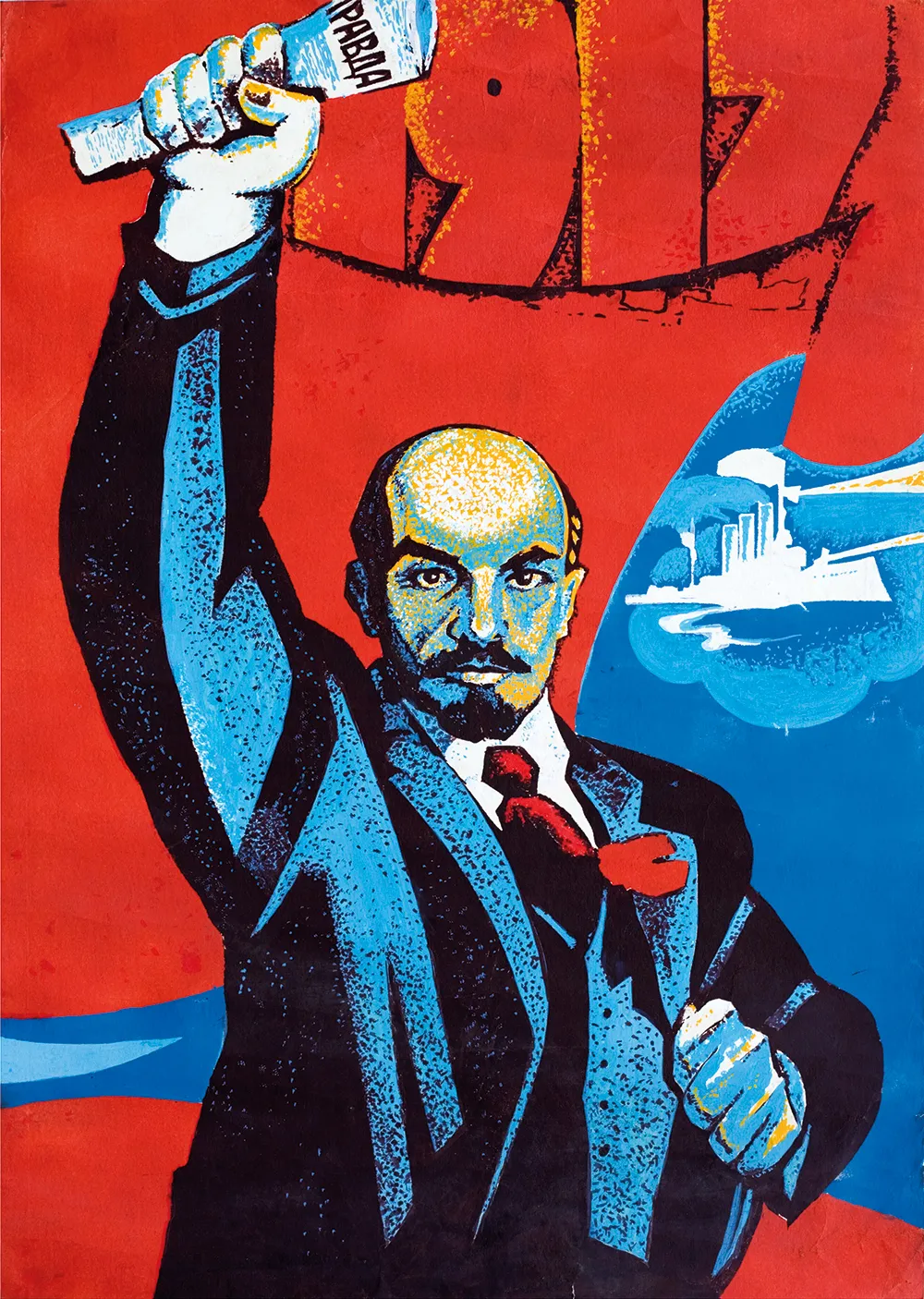
Immediately after the Berlin Wall came down and the Soviet Union collapsed, during the brief ‘end of history’ period, there were several books, from the right and the left, that covered similar territory to Paul Mason’s surprising and provocative Reds. But there has been almost nothing of the kind – a comprehensive narrative history of the ideology and the politics of communism – for a couple of decades.
Communism had seemed so dead, so defeated, so apparently unable to rise again, even to those who once purported to believe in it, that interest became minimal, confined to a few university history departments offering courses on the Cold War. As Mason writes: ‘To everyone born after 1989… communism seems like a distant nightmare.’
A generation of the left moved away from utopian socialism and Marxism – the ‘progressive’ causes of the past century – to environmentalism or gender and identity politics of various kinds. But as the political centre in the West has hollowed out and the extremes have expanded, things have begun to change. Even in Britain and the US, where communism was never as popular as it was elsewhere, booksellers have seen rising sales of the classic texts by Marx, Lenin and Trotsky, and much more interest from the young, which is why this book is so well-timed.