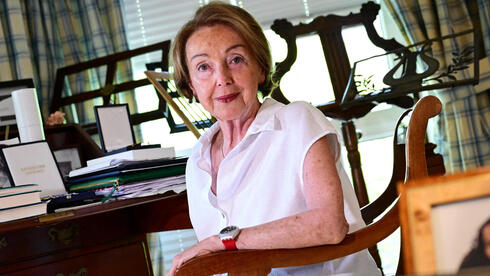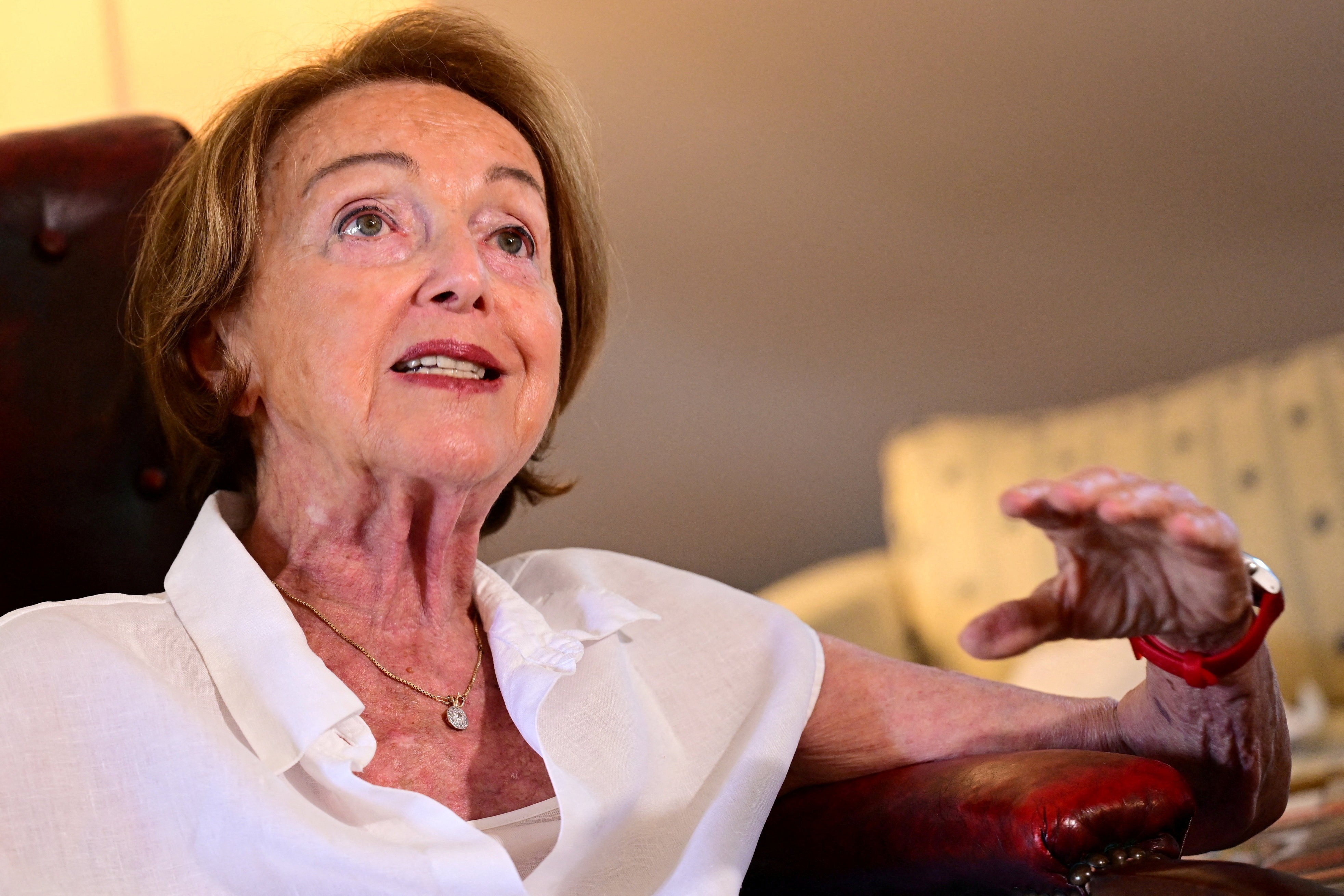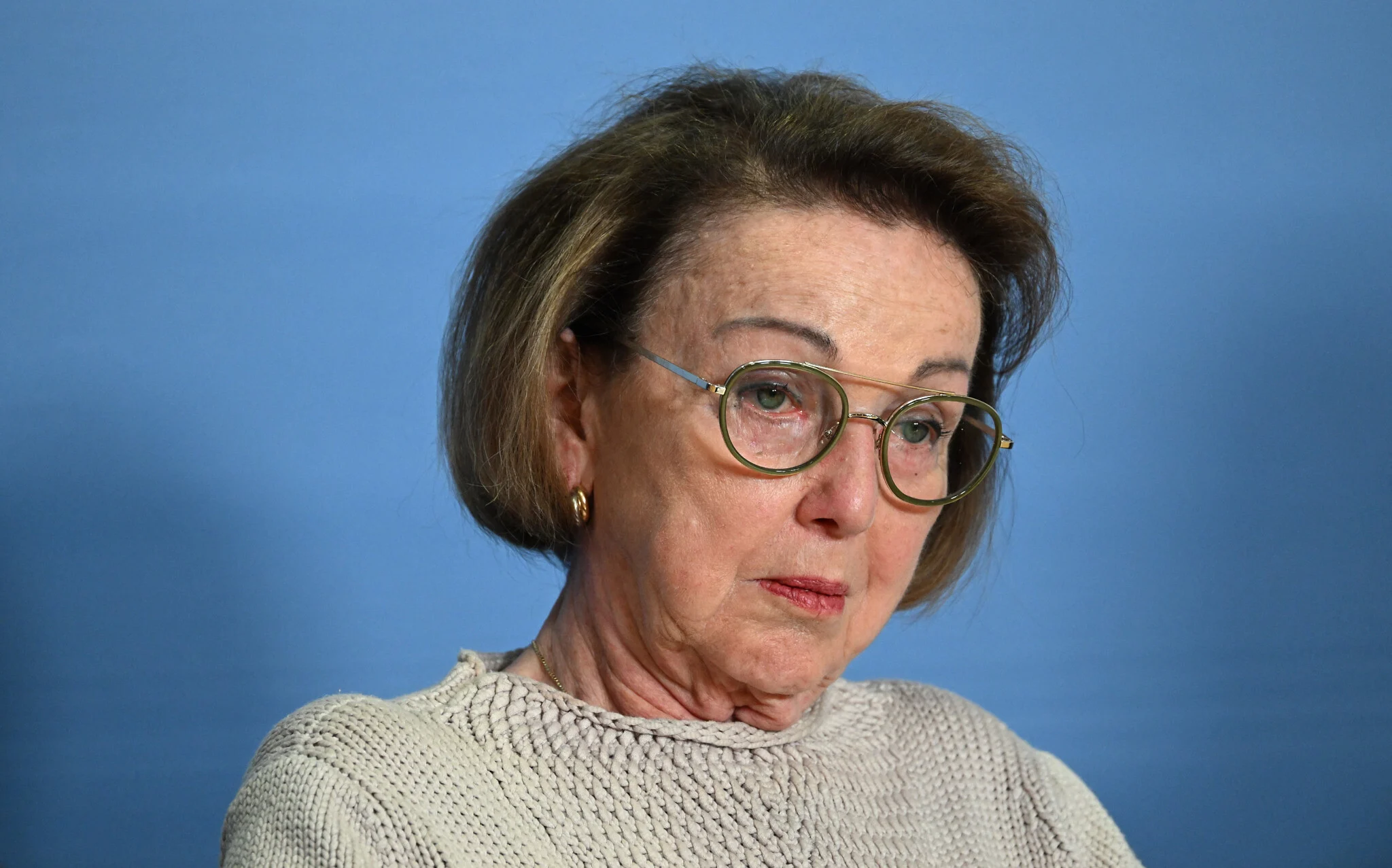
MUNICH (Reuters) — Eva Umlauf was two years old when she and her mother were freed from the Nazi death camp Auschwitz in January 1945. She says she is horrified to see that more than 80 years later, the far-right is once again on the rise in Germany.
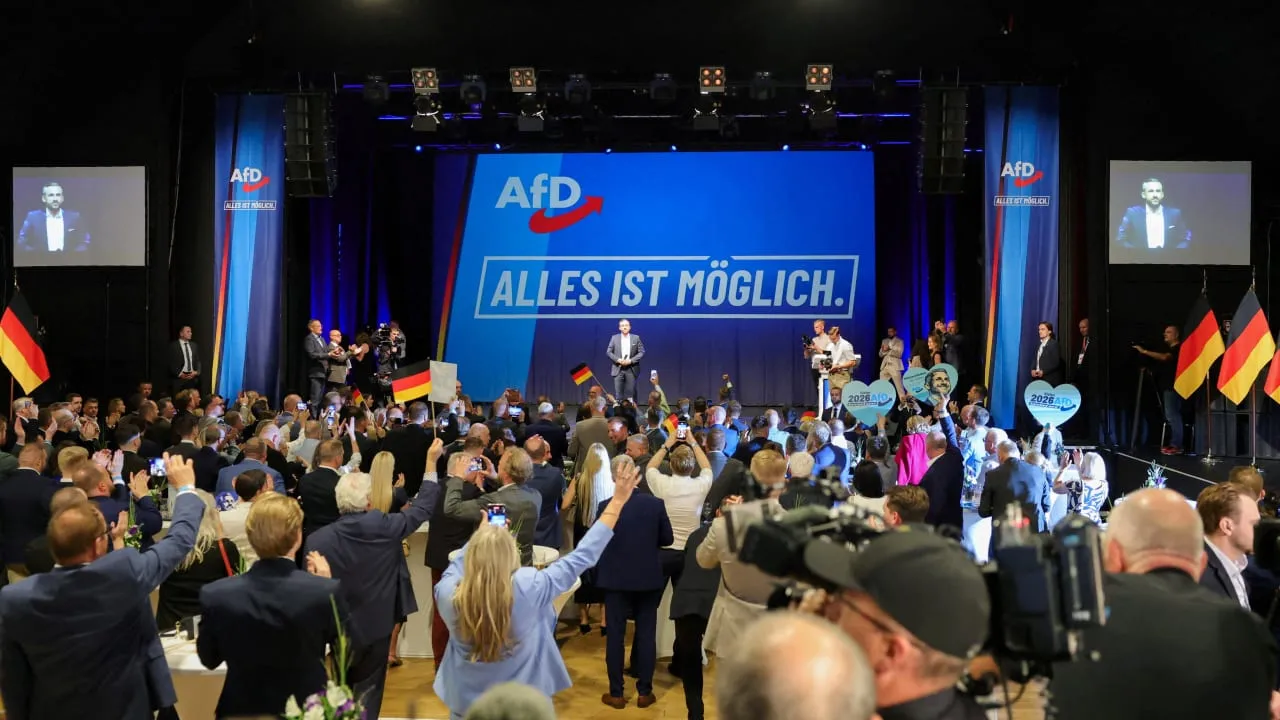
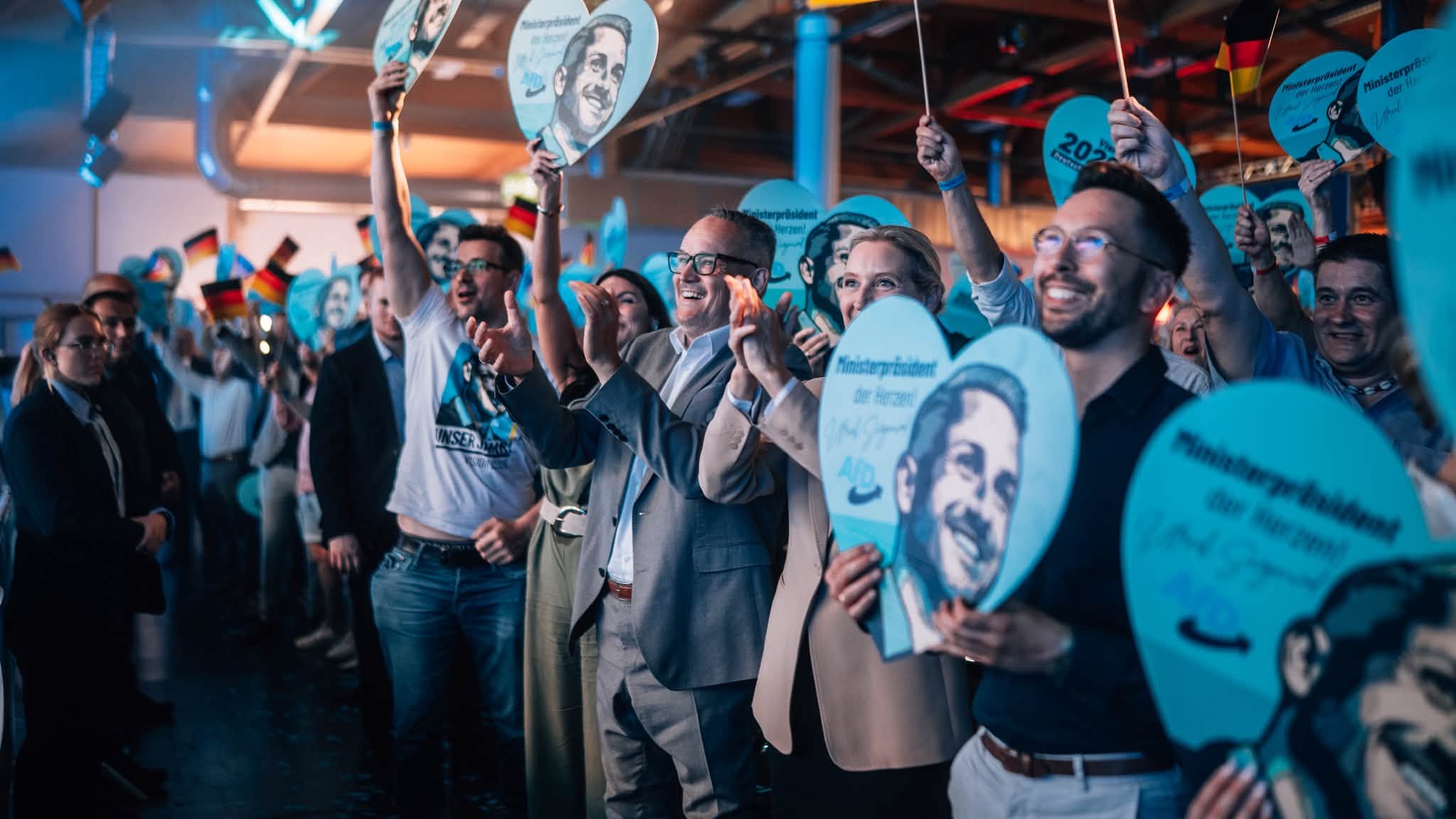
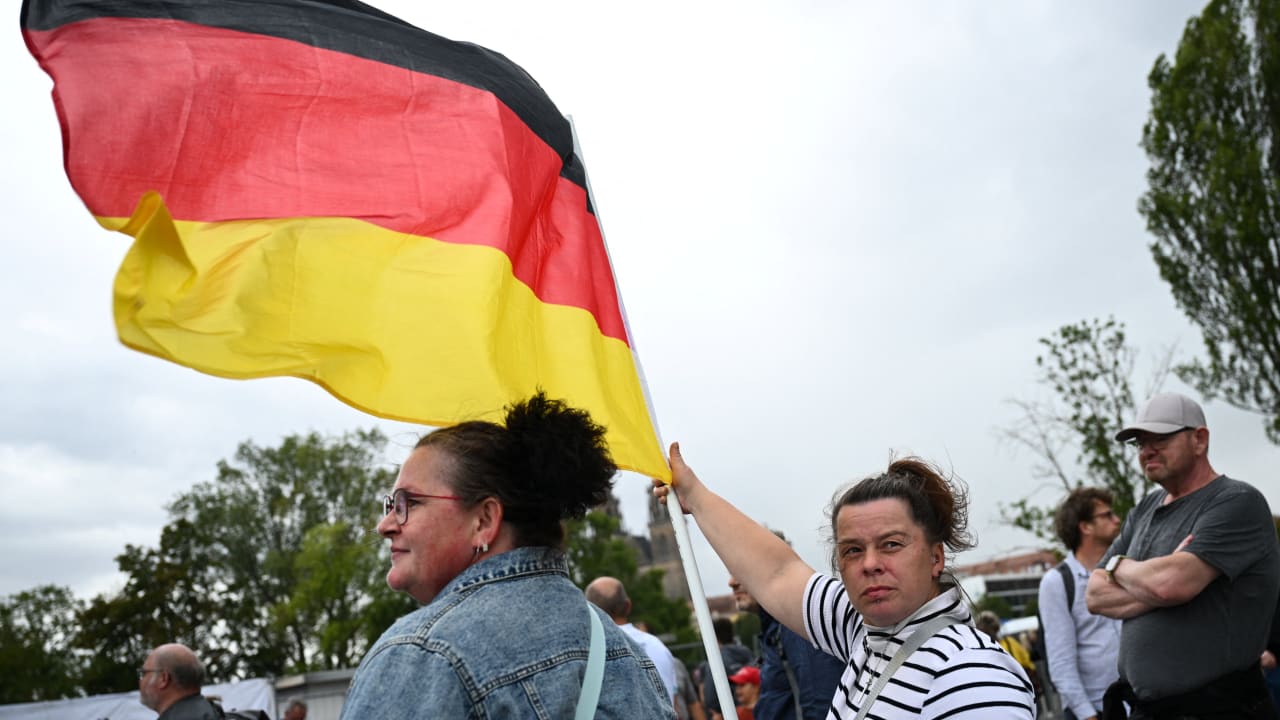
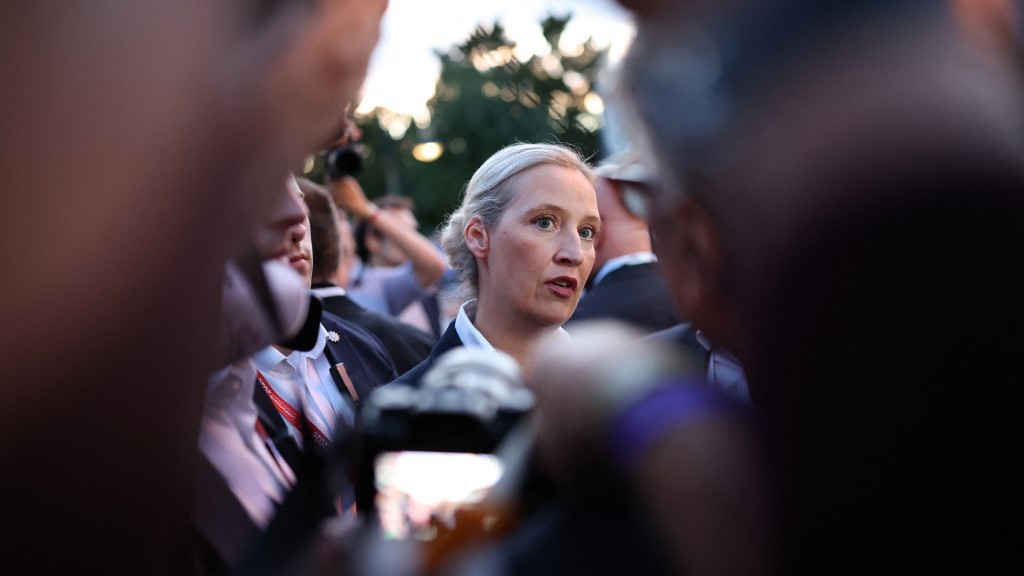
The Alternative for Germany (AfD) party’s victory in the eastern state of Saxony-Anhalt on Sunday has left a far-right party within reach of power in a German state for the first time since the end of World War II.
“What can I say? I expected this, and yet I’m appalled,” she told Reuters in an interview after the election. “I am appalled, I am saddened; I don’t know what drives people to vote for this party.”
Umlauf, a Slovakian-born pediatrician and psychotherapist who lives in Munich, visits schools to educate children about the Holocaust and serves as president of the International Auschwitz Committee.
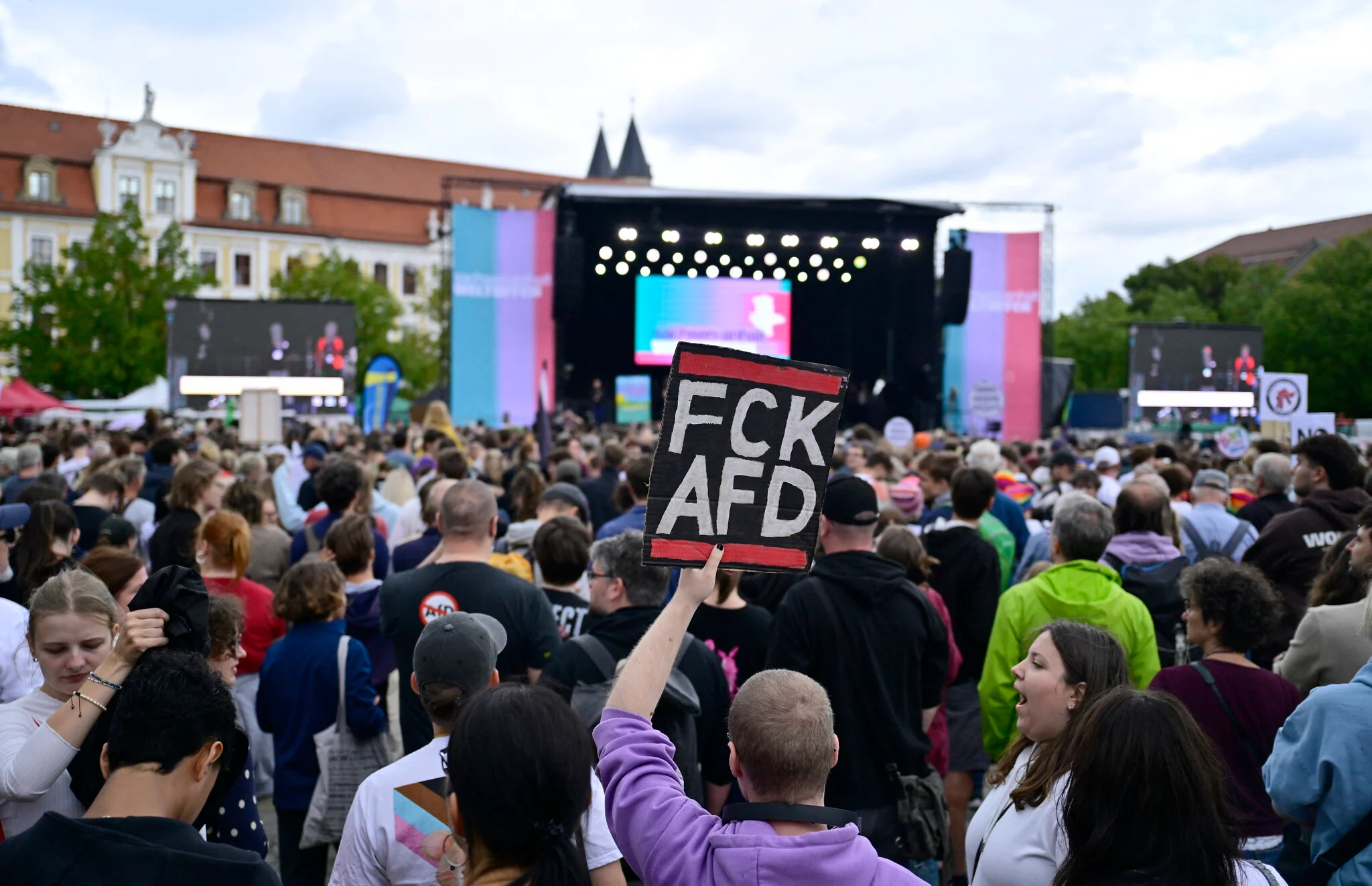
Her comments reflect the alarm that many representatives of minority groups have expressed over recent months as opinion polls pointed to the advance of the far right in Saxony-Anhalt as well as in Berlin and the eastern state of Mecklenburg-Western Pomerania, which both vote on September 20.