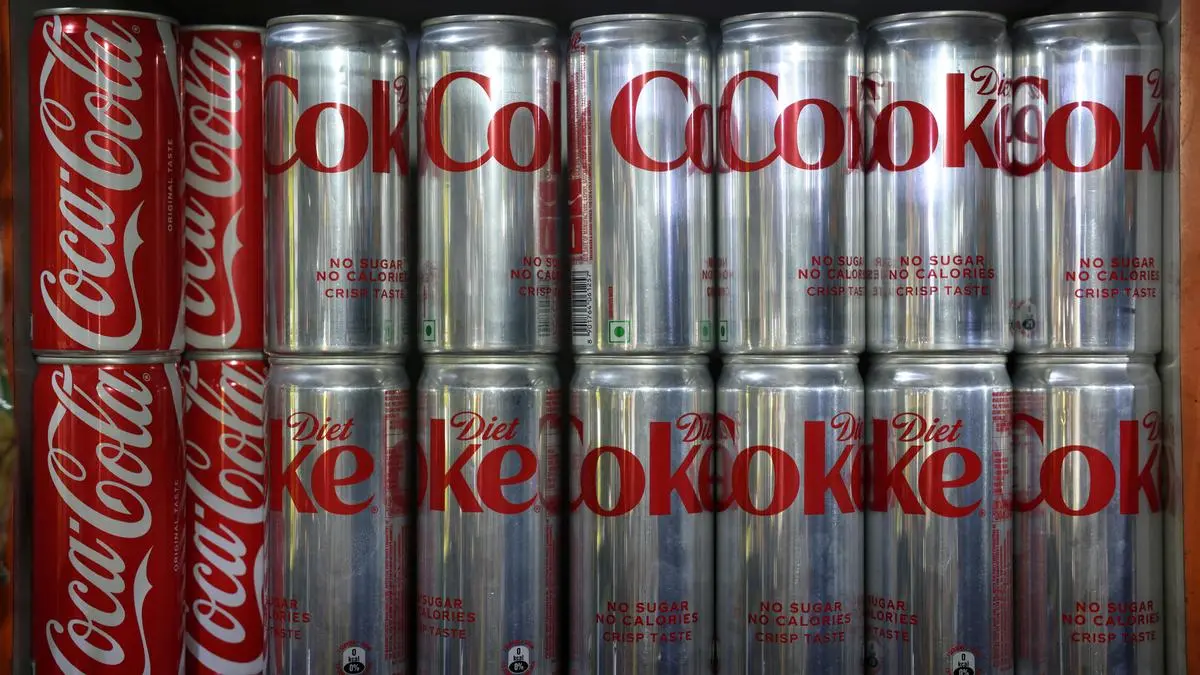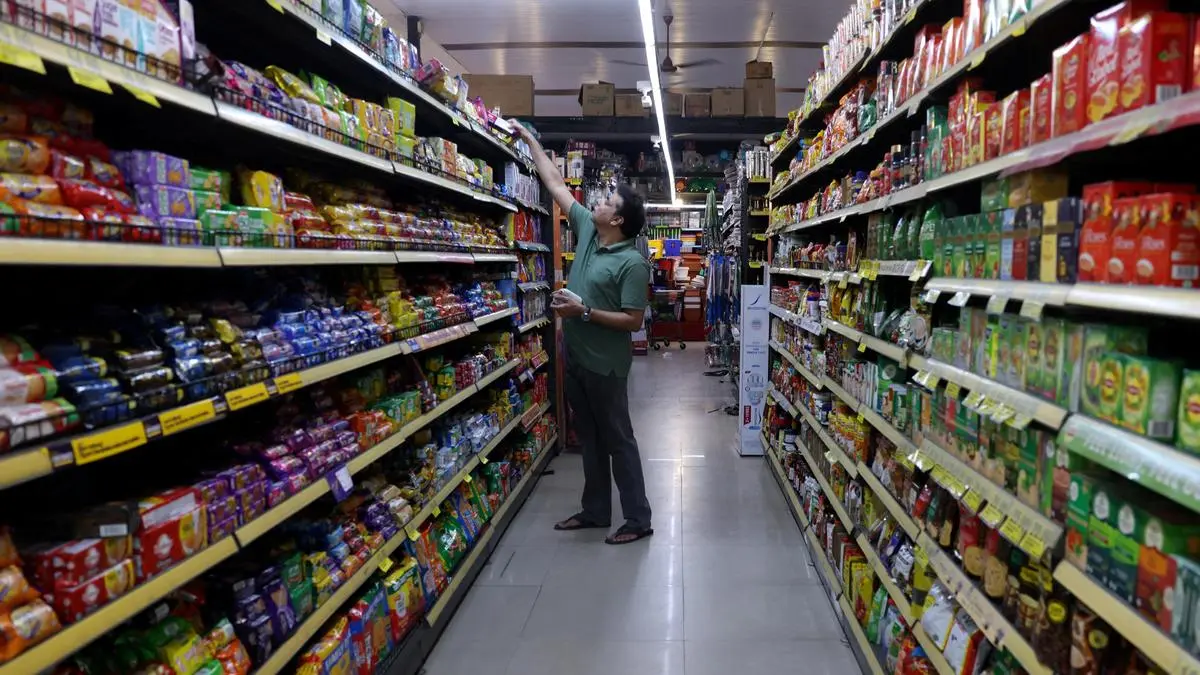
Processed food will soon have labels on their sugar, saltand fat content
| Photo Credit:
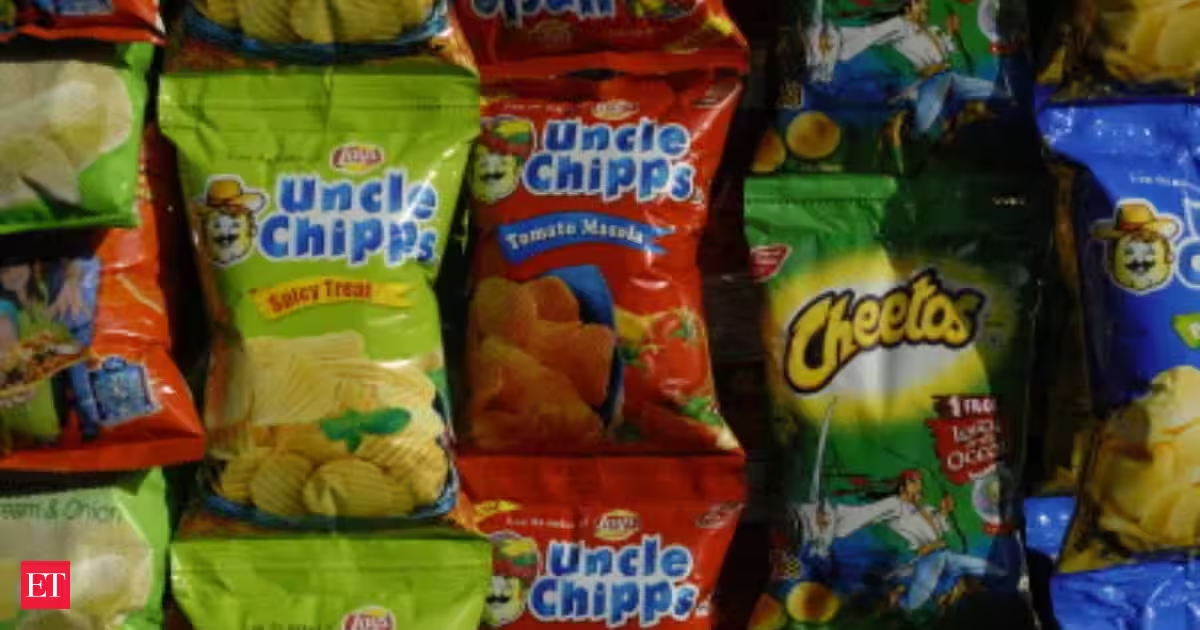
There’s some good news for India’s population which eats on the move — the packaged noodles, chips, biscuits and pre-cooked meals they rely on will be soon packaged differently, with prominent contra-indications at the front of the packet for excessive sugar, salt or saturated fat. This marks a shift from the manner in which such important information is put out now — at the back of the pack in a font size that invariably makes you squint.The Supreme Court, which has been hearing a PIL (3S and our Health Society vs Union of India) has pulled up the FSSAI for dragging its feet on introducing ‘front of the pack nutrition labelling’. The FSSAI has presented a plan of action, to be implemented in two phases so that industry and consumers can adjust to it. In a recent hearing, the FSSAI has said that snack food producers will have to prominently display a red hexagonal sign on the front of the pack if two of three indicators are out of line (sugar, salt or saturated fat). But so far, it has not indicated any deadline. Meanwhile, consumer advocates have said that the two-indicator formula lets off those products where one of the three ingredients is way above recommended levels — based on the 2024 guidelines laid down by the Indian Council of Medical Research and National Institute of Nutrition.The threshold for defining excess is not clear. These need to be clearly stated in the rules — the maximum permissible serve of salt, sugar or fat as a percentage of recommended (daily) dietary allowance (RDA), beyond which the hexagon becomes mandatory. The level should be a range to pre-empt evasion. It should also be clarified that the danger level so defined should include not just the added ingredient, but also include the naturally occurring levels of the same — for example, the total sugar in fruit juice or the total fat in potato chips. FSSAI must show that it means business and finally move towards a single-product warning. Snack food giants, which comply with sterner packaging norms in countries such as Chile, Israel and Canada, should respond responsibly to the new reality of rising health disorders related to ultra processed food.As Economic Survey of FY26 and FY25 have observed, consumption of ultra processed foods is correlated to obesity, diabetes, hypertension and heart disease. The Parliamentary Standing Committee report on ‘sugar content in baby products and other food products’ notes that sugar thresholds (now vague) must be arrived at by aligning the WHO and ICMR guidelines, with limits clearly defined for infants and younger children. A February 2022 ‘direction’ by FSSAI acknowledges the need for the same, but compliance is a grey area. The Centre’s ‘eat right’ campaign must also be supported by availability of quality products. The Indian Institute of Millets Research and Central Food Technological Research Institute, for example, can roll out products that are tasty, nutritious and, above all, organic — setting a benchmark.Published on September 9, 2026