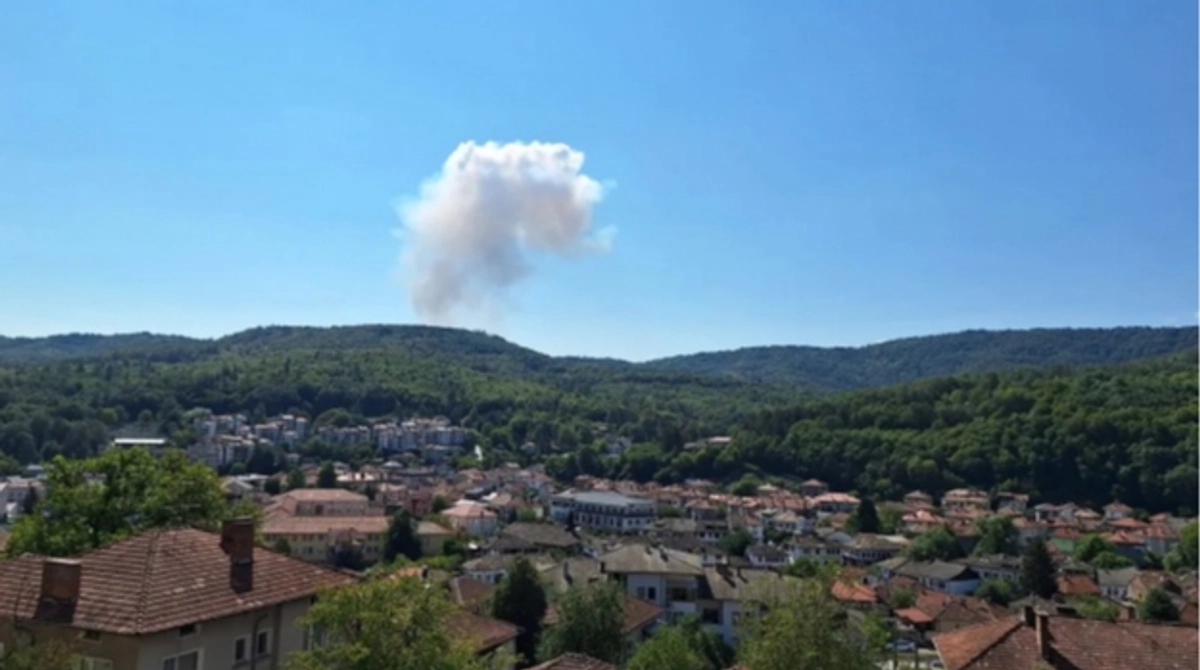
Explosions at an Italian shell factory. Jammed signals around the Baltic Sea. Drones and munitions found at a German airport. Disruptions in transportation, trade, and commerce.With diminishing gains on the battlefield of an increasingly unpopular war, Moscow has turned its attention towards soft targets in Europe. With the diminishing returns of strikes on military and civilian targets in Ukraine, the Russian military and security services are leveraging the openness of European democracies to attack civilian and military targets through sabotage operations. Leveraging a large network of spies and criminal network accomplices, Russia is deploying saboteurs to disrupt the infrastructure and production centers critical to Ukraine’s war effort as well as unrelated civilian infrastructure in an effort to raise the cost of supporting Ukraine. Putin’s theory is that these attacks will erode support for Ukraine and position Russia for better prospects in the war or future peace negotiations.JOIN US ON TELEGRAMFollow our coverage of the war on the @Kyivpost_official.This isn’t a new trend. The practice called “active measures” dates back to the heights of the Cold War and has revived and grown since the start of the full-scale invasion in 2022. Now with Russia’s military prospects on the decline, Russian active measures have surged. European law enforcement bodies and counter-intelligence agencies have been uncovering and dismantling networks of Russian agents for the last four and a half years - however, the scale of activities in the last six months has triggered major concerns over potential escalation. These activities were likely the cause behind CIA Director John Ratcliffe’s recent trip to Moscow.
Russian Sabotage Ops in Europe
As the Russian war machine sputters in eastern Ukraine, Moscow turns to active measures to warn-off European support
1,106 words~5 min read