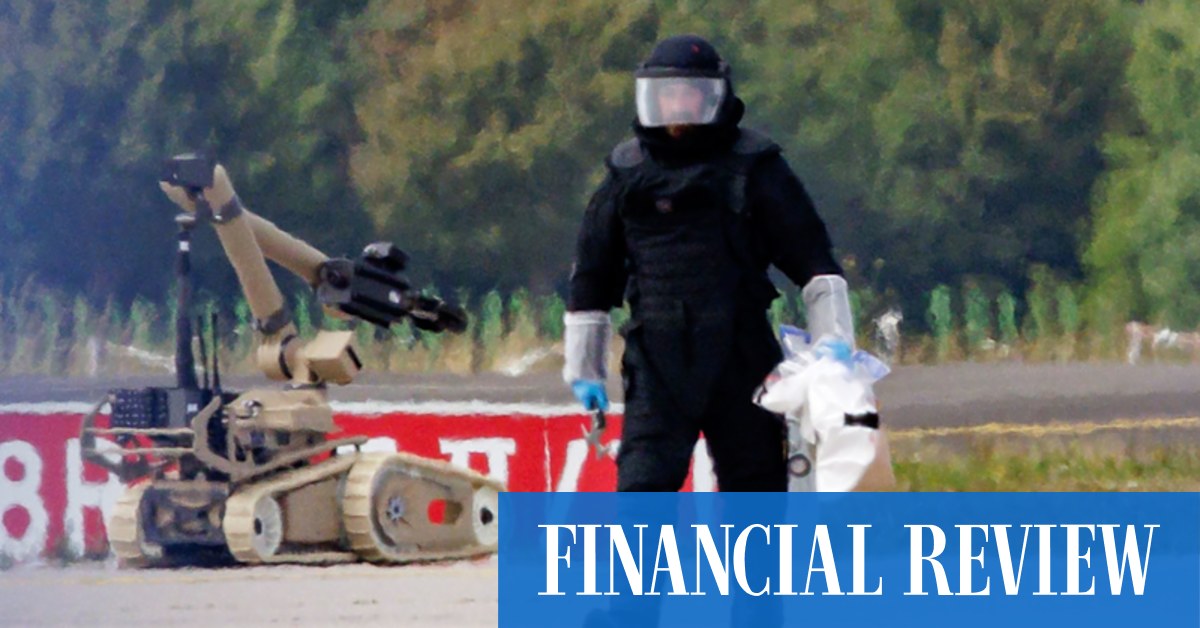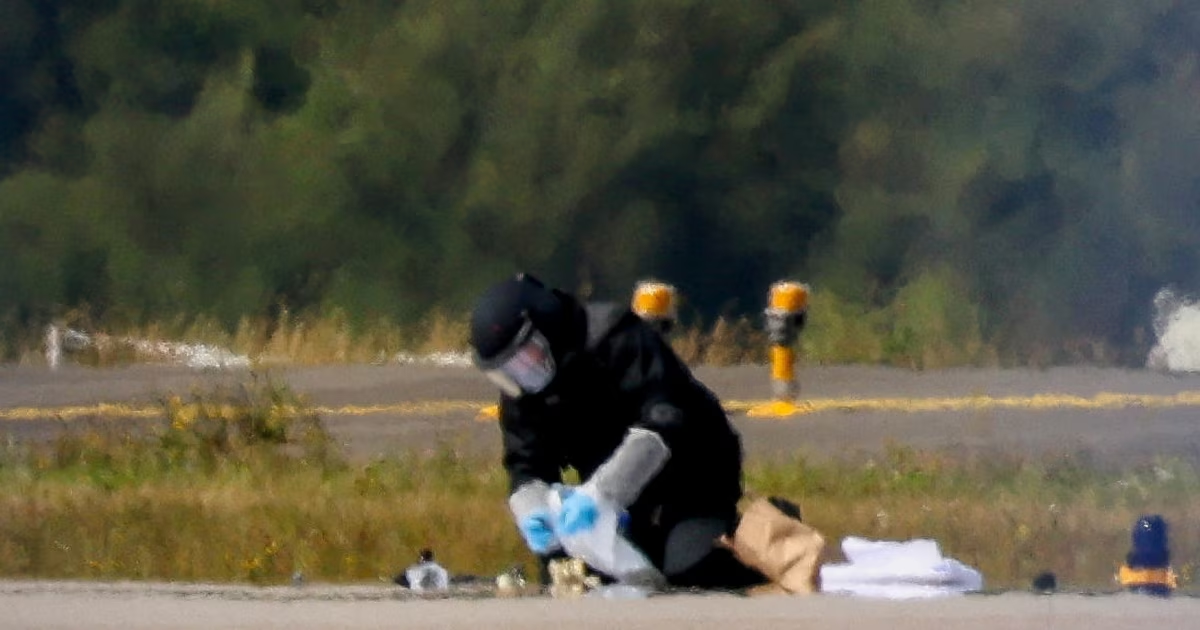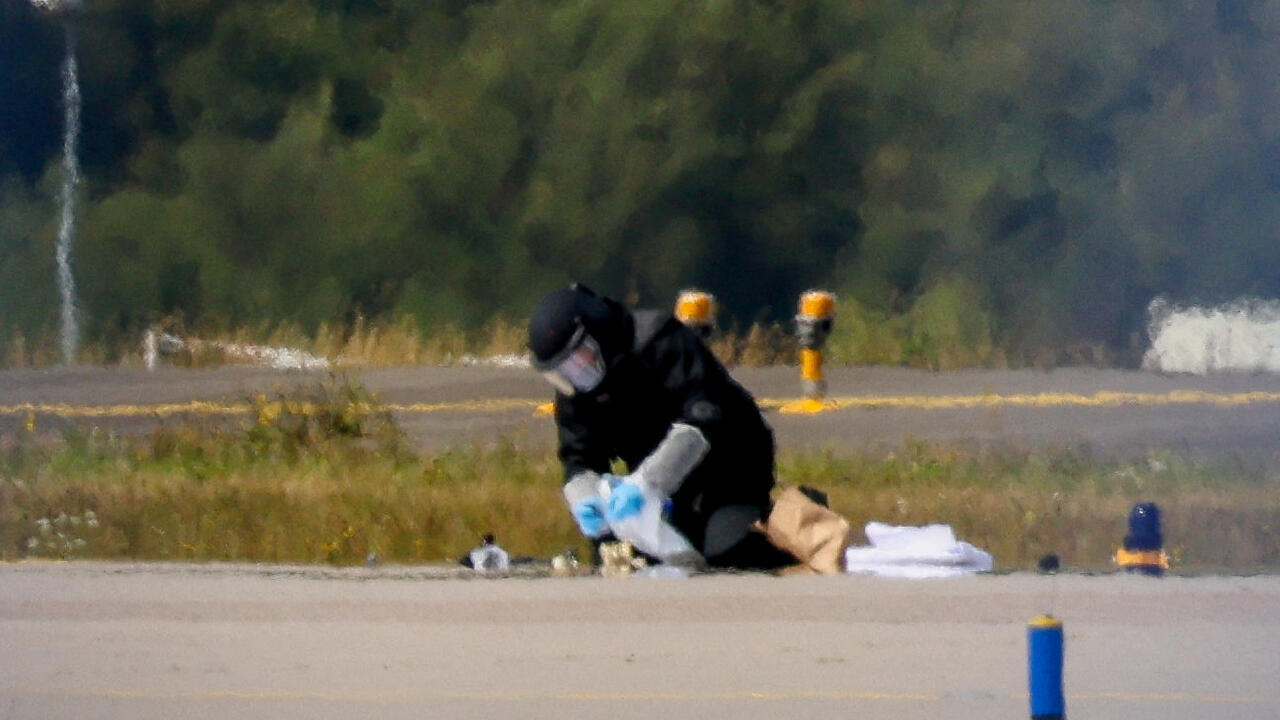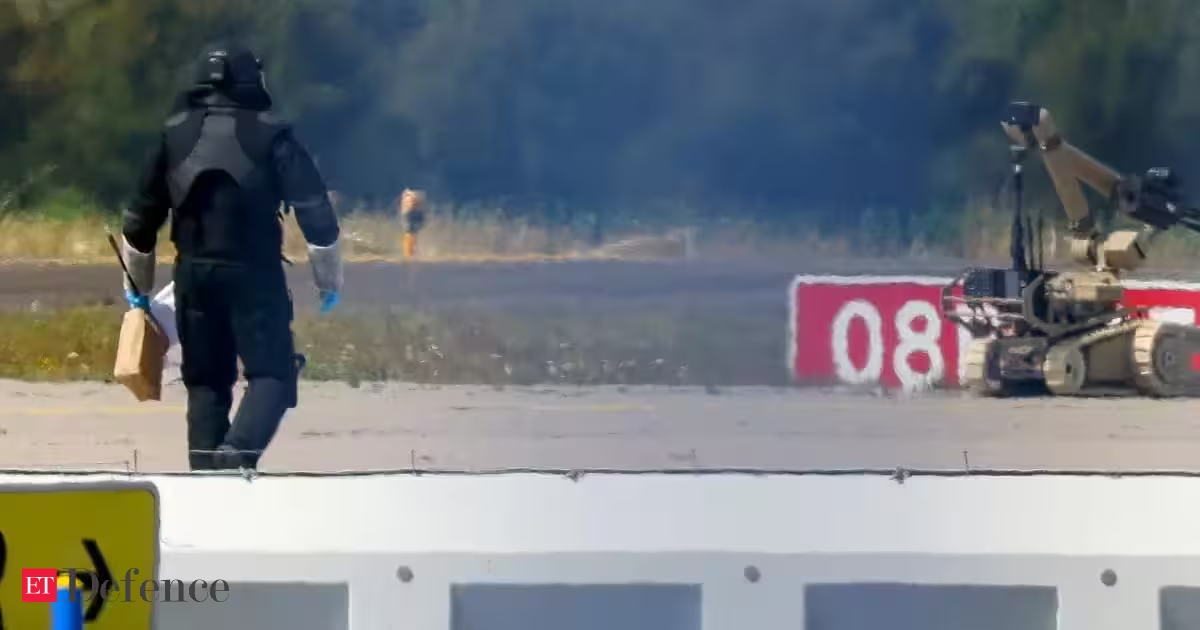
An explosive-laden drone that failed to detonate near Ukrainian cargo planes at a German airport has become the catalyst for Europe’s most aggressive diplomatic counterpunch against Russia in months. European officials announced sweeping new commitments to Ukraine and a fresh round of sanctions targeting Moscow’s military-industrial complex, framing the foiled sabotage as the clearest evidence yet that Russia’s shadow war has arrived on Western European soil.
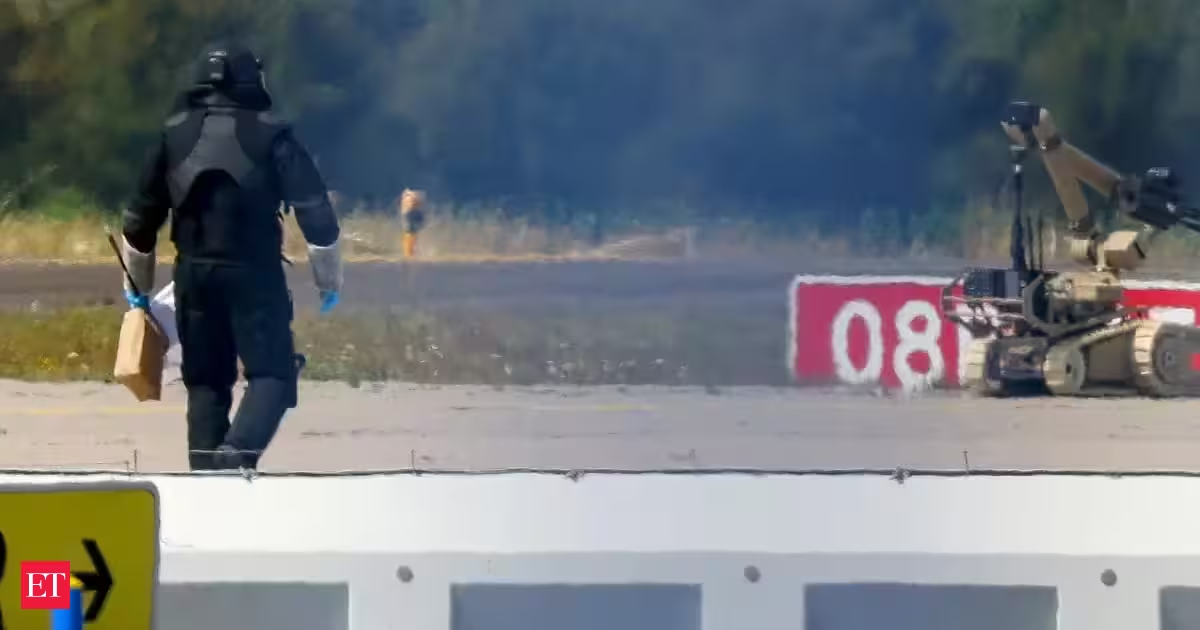
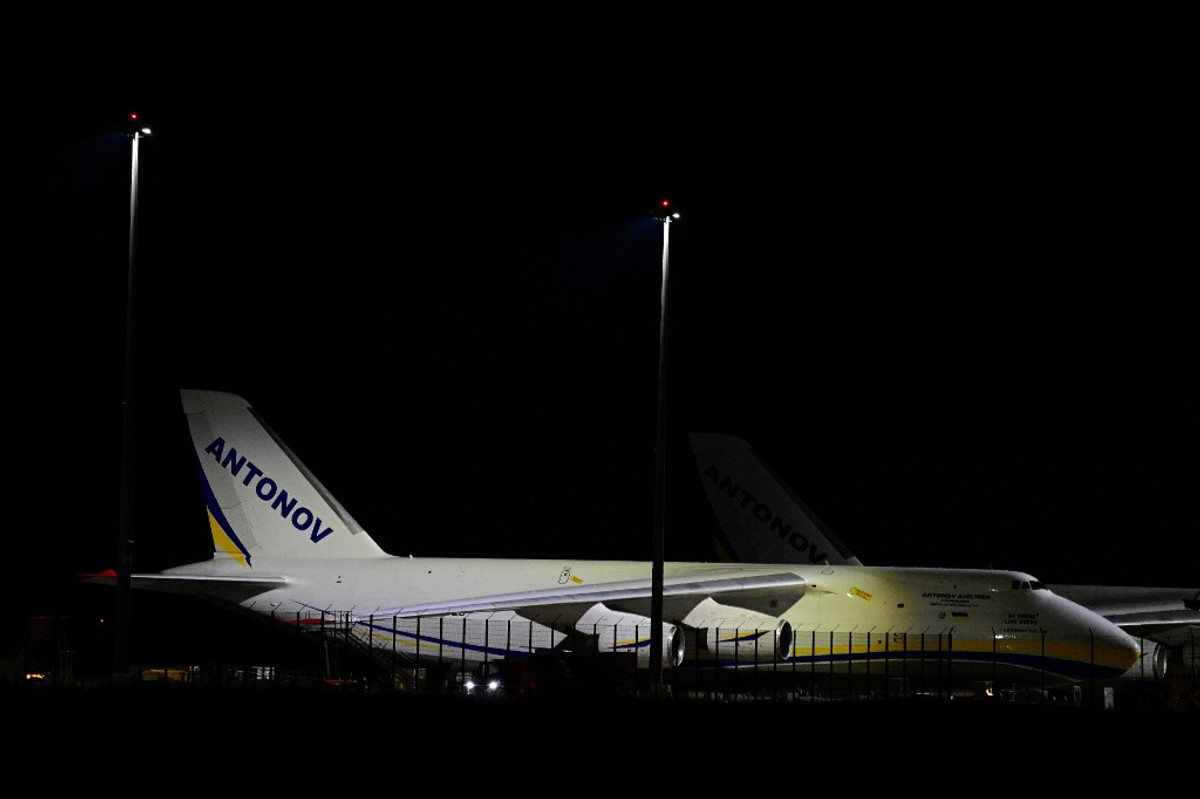
On September 1, the German government formally attributed the August 4 drone incident at Leipzig/Halle Airport to Russian operatives, citing forensic evidence that linked the device to Russian hybrid operations. The drone was discovered near Ukrainian Antonov An-124 cargo aircraft, the massive Soviet-era transports that have become workhorses for military logistics. It didn’t go off, thanks to a faulty trigger.
Germany’s response and the EU-NATO follow-through
Berlin announced the closure of the Russian consulate in Bonn, effective September 18, and canceled the lease for the Russian House in Berlin.
The day after Germany’s formal blame, on September 2, EU Commission President Ursula von der Leyen and NATO Secretary General Mark Rutte jointly pledged to ramp up military and financial assistance to Ukraine while tightening the sanctions regime around Russia.