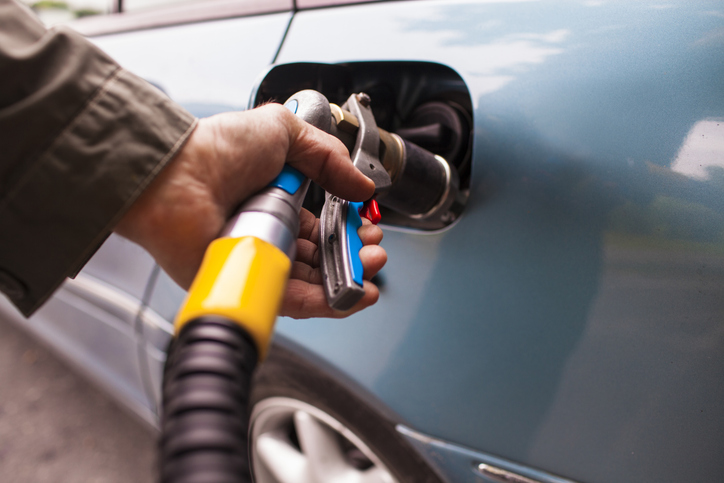
From transport to industry, liquid gases could help decarbonise sectors where electrification remains challenging
Europe’s energy transition is often discussed through the lens of electrification. Electric vehicles, heat pumps and renewable electricity have become central pillars of the EU’s decarbonisation agenda, but many parts of the economy remain difficult to decarbonise quickly.
From agriculture and manufacturing to transport and rural communities, businesses still face practical constraints, from limited grid access and high upfront investment costs to equipment that may remain in service for decades.
Against this backdrop, liquid gases are increasingly being presented as one of several complementary technologies that could help bridge the gap.
Although most commonly associated with heating and cooling homes, liquid gases already play a role in transport, agriculture, manufacturing and other industrial activities across Europe.