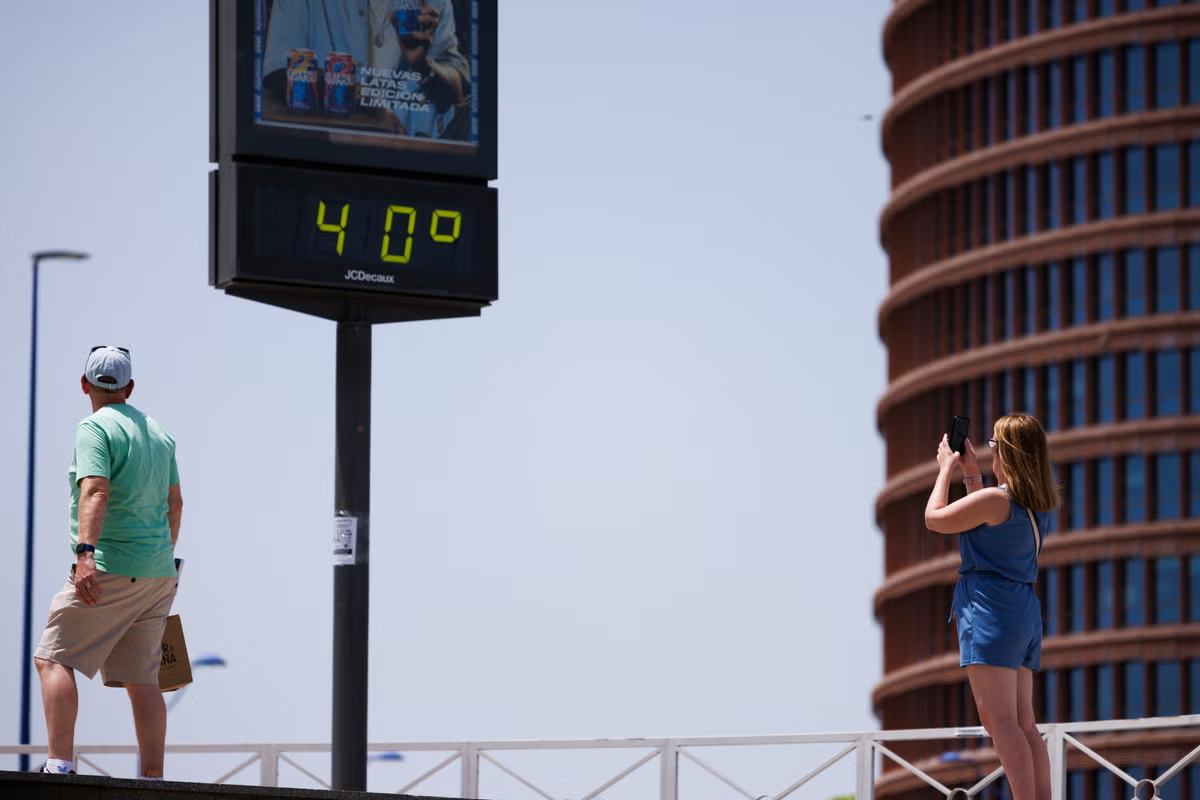
Harvard Business Review LogoSeptember 2, 2026Patrícia de Melo Moreira/Getty ImagesEurope’s household air-conditioning market has remained stubbornly small despite increasingly severe heatwaves. The window units prevalent in much of the word are typically incompatible withEvery summer, Europe gets hotter. Heatwaves arrive earlier, last longer, and grow more intense. Keeping homes cool is increasingly becoming a necessity. The U.N. World Health Organization estimates that 200,000 people have died from heat-related illness across the Europe over the past four years alone.
Is the European Market Ready for Air Conditioning? Inside Midea’s Blue Ocean Strategy.
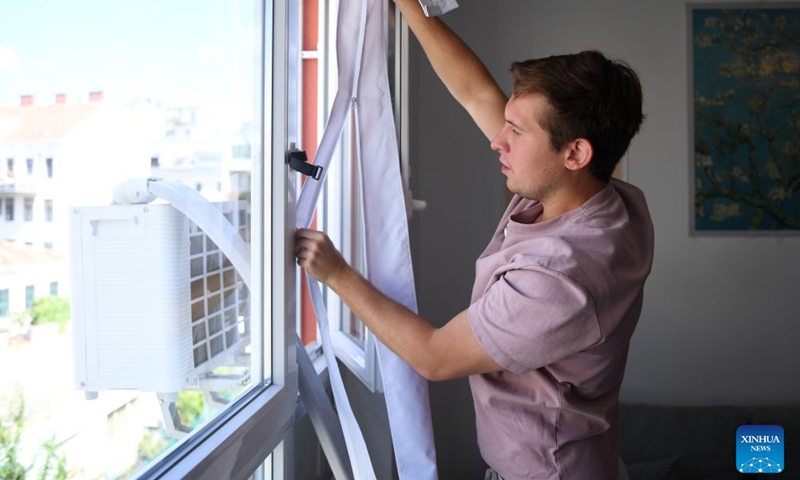
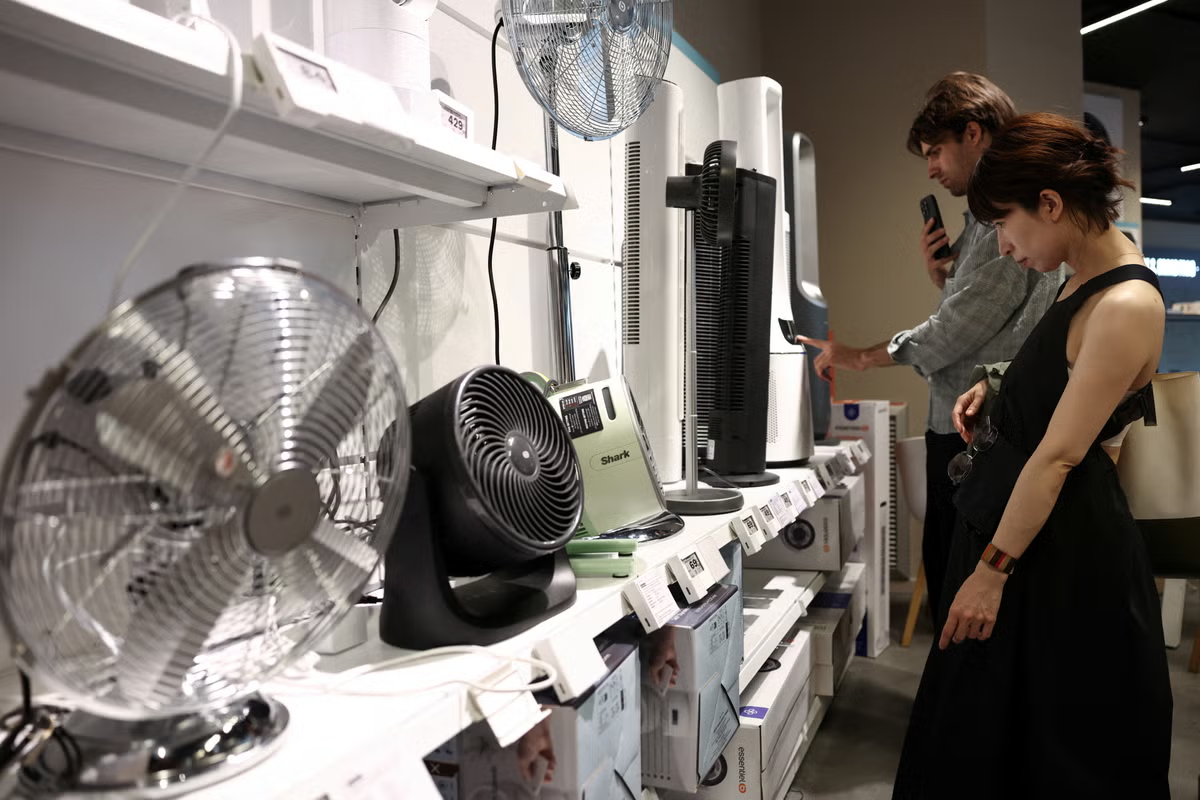
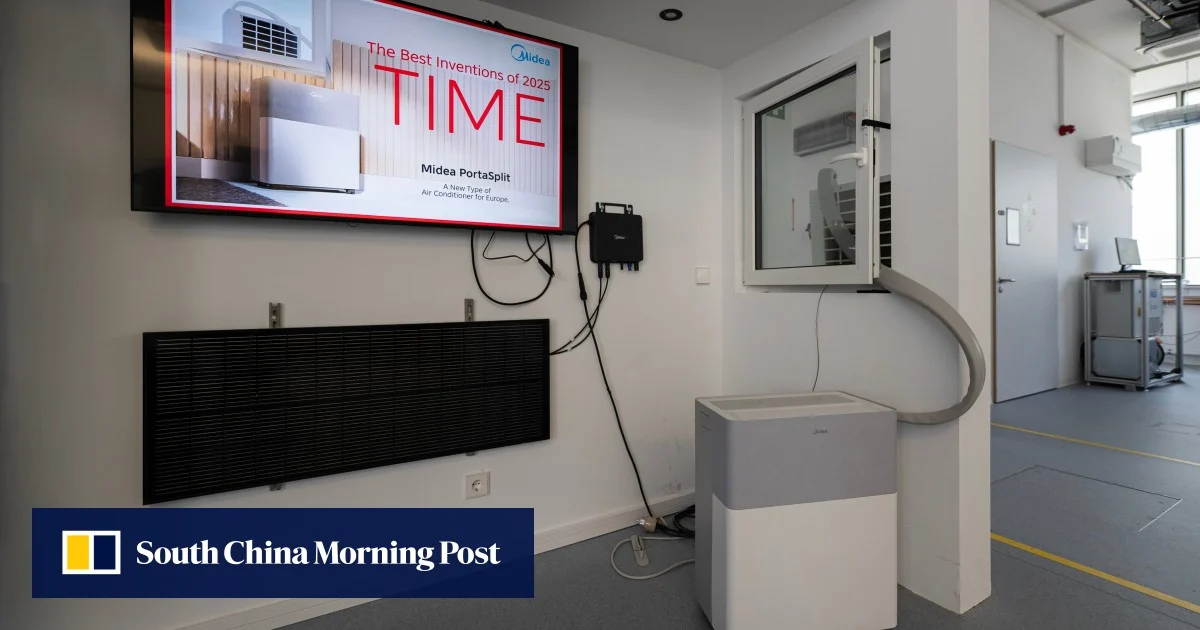
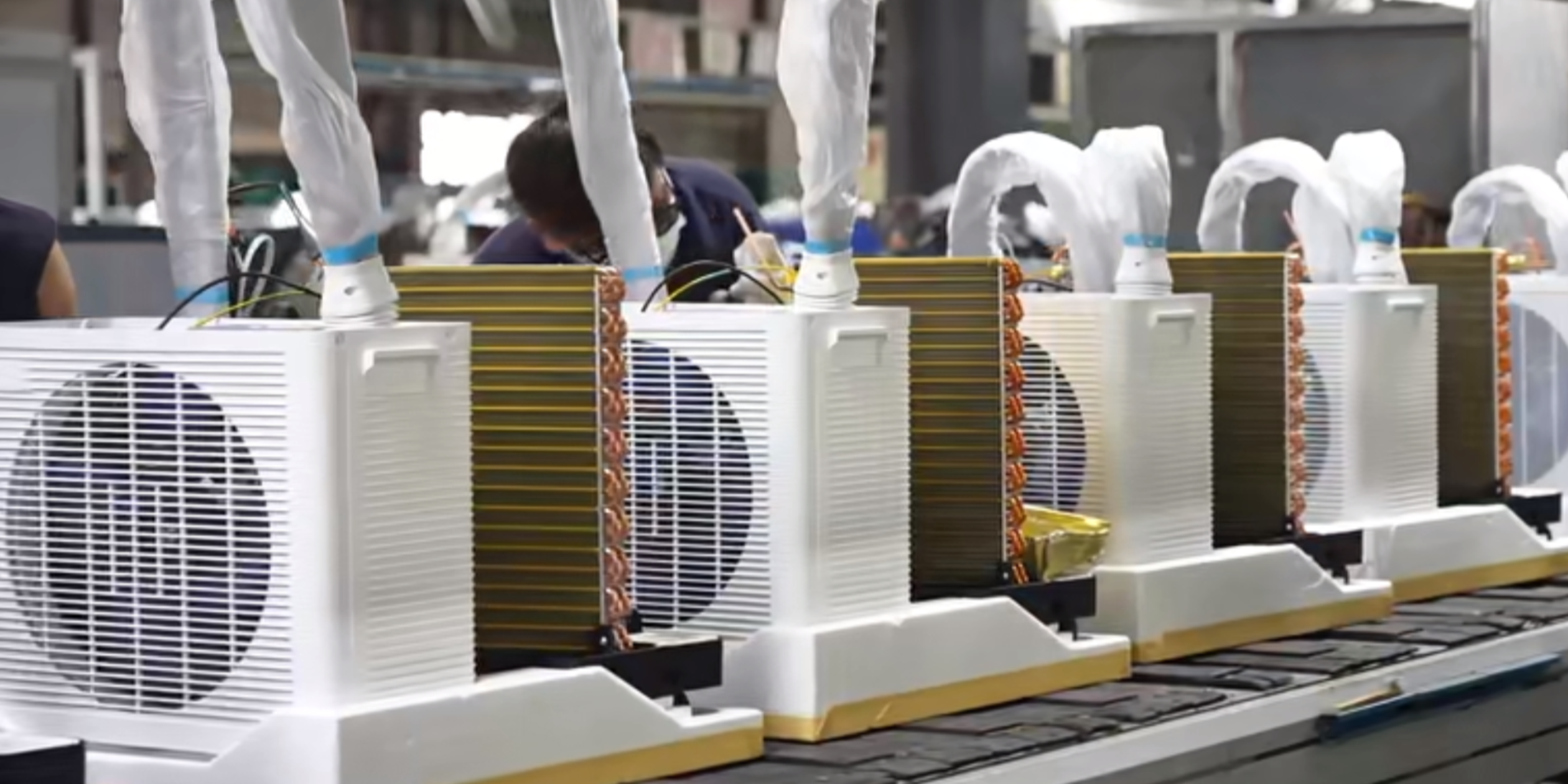
Europe’s household air-conditioning market has remained stubbornly small despite increasingly severe heatwaves. The window units prevalent in much of the word are typically incompatible with European windows. Split systems are expensive and difficult to install, while portable monoblock A/C units are loud and sacrifice efficiency and performance. For years, manufacturers strove to outcompete one another in these two categories; however, the Chinese appliance maker Midea focused on the much larger population of noncustomers. Its PortaSplit combined the strengths of both categories while eliminating their biggest drawbacks, creating a blue ocean of new demand. AI was critical to the strategy: Midea used proprietary algorithms to deliver quiet, efficient cooling without sacrificing power, then relied on AI-enabled manufacturing to rapidly scale production as European demand surged. The case shows how companies can use AI not just to improve existing products, but to break through entrenched trade-offs, attract noncustomers, and create new markets.
78 words~1 min read