The Central Bank of Nigeria says the benefits of Nigeria’s economic stabilisation will soon begin to reach households and businesses. The bigger question is whether the financial system has enough affordable credit to make that promise real.
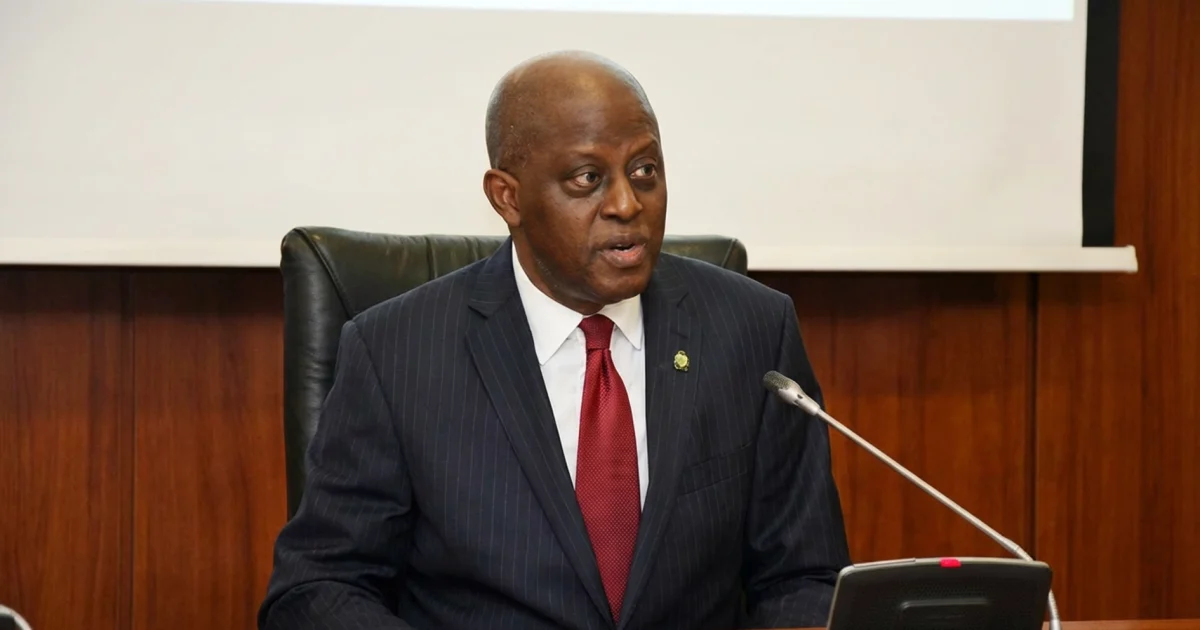
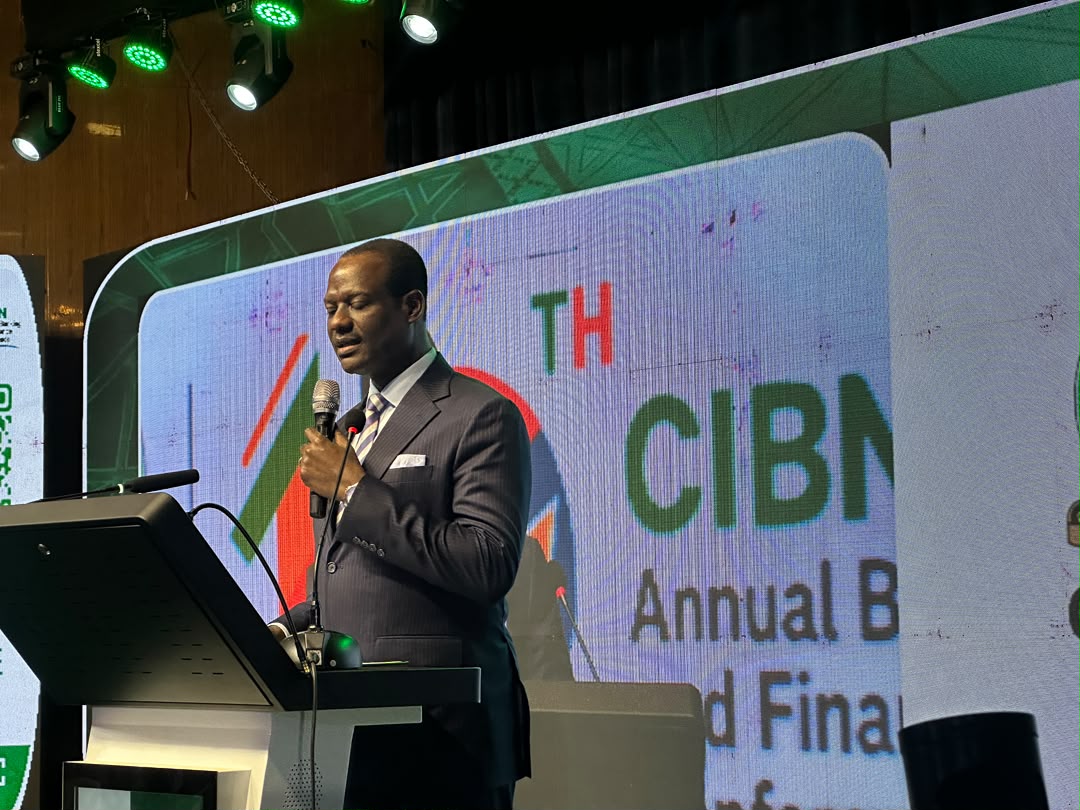
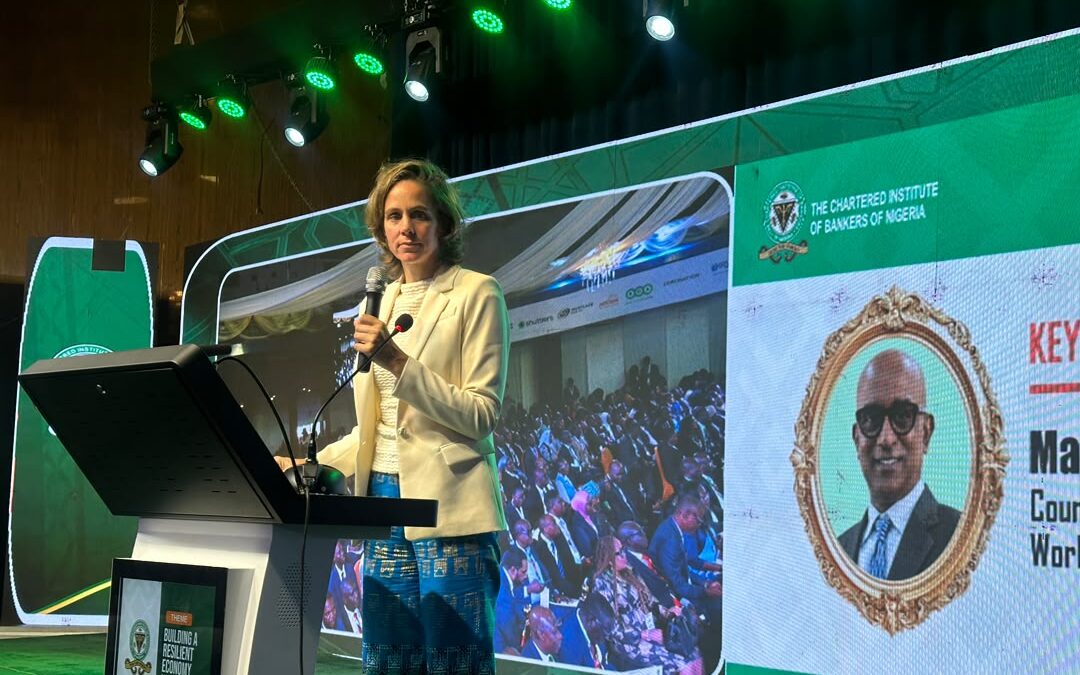
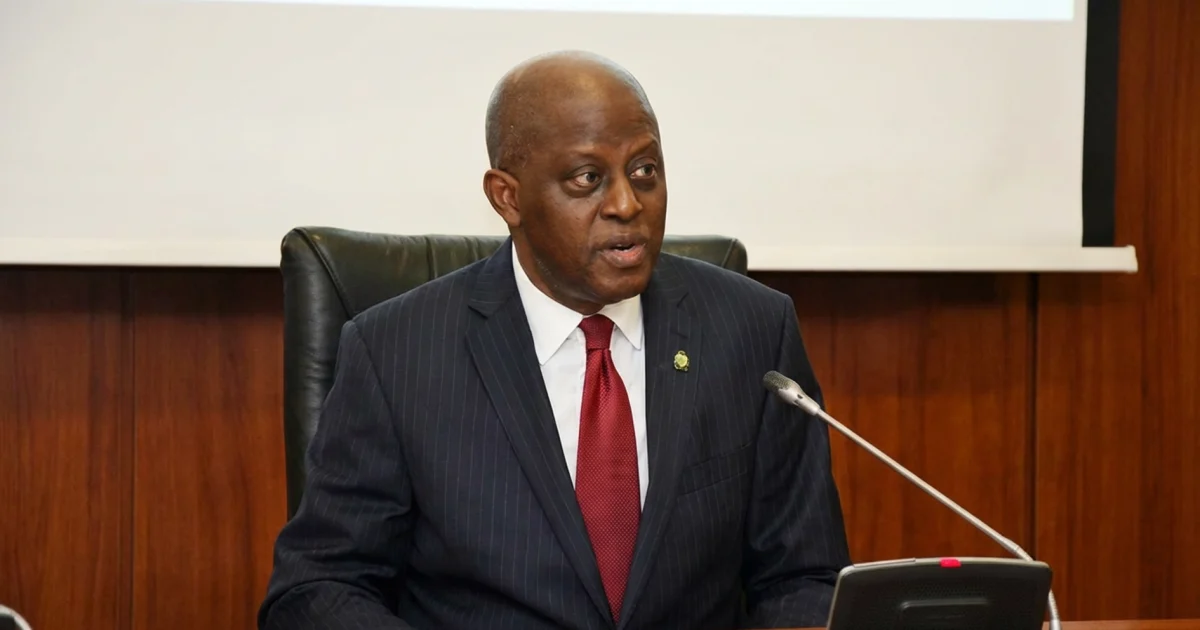
Olayemi Cardoso, CBN governor, said on Tuesday that improving macroeconomic conditions would increasingly translate into better outcomes for households and businesses as monetary and fiscal reforms take stronger effect. Cardoso, who was represented by Philip Ikeazor, the deputy governor, at the 19th Annual Banking and Finance Conference of the Chartered Institute of Bankers of Nigeria in Abuja, acknowledged that the improvement in economic indicators had yet to be fully reflected in living conditions.
That makes credit the next test of Nigeria’s recovery. Inflation has fallen sharply from the peaks that followed the removal of petrol subsidies and foreign-exchange reforms. The monetary policy rate stands at 26.5 percent, external reserves have strengthened, and real GDP grew 4.43 percent year-on-year in the second quarter of 2026. But macroeconomic stability does not automatically become cheaper capital.
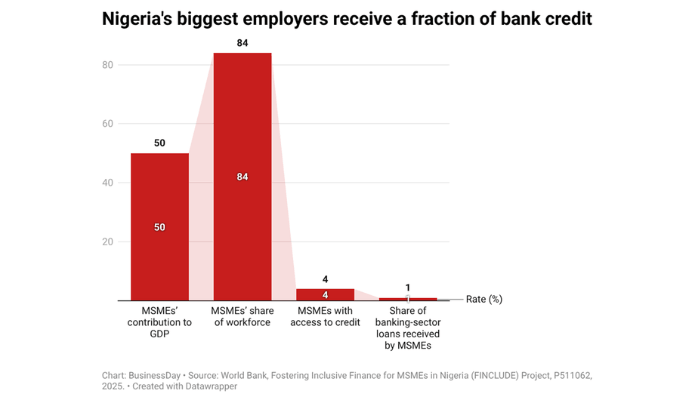
Private-sector credit rose to about N83.26trn in June 2026, showing that bank lending is expanding. Yet the distribution of that credit remains a much bigger concern than the headline volume. The World Bank says Nigerian MSMEs account for nearly half of GDP and employ more than 84 percent of the workforce, but only about 4 percent have access to credit, and they receive just 1 percent of banking-sector loans.