Meta just gave Wall Street something it’s been asking for: a reason to believe the company’s massive AI spending will actually pay off. After launching Muse, its new personal AI agent, on September 8, Meta’s stock climbed roughly 3-5% in premarket trading the following day, reversing a slight dip on launch day itself.
The timing matters. Meta has earmarked $130 to $145 billion in AI capital spending for 2026, a figure large enough to make even the most bullish investors squint. Muse is the company’s clearest attempt yet to show that spending can produce something beyond better ad targeting.
What Muse actually does
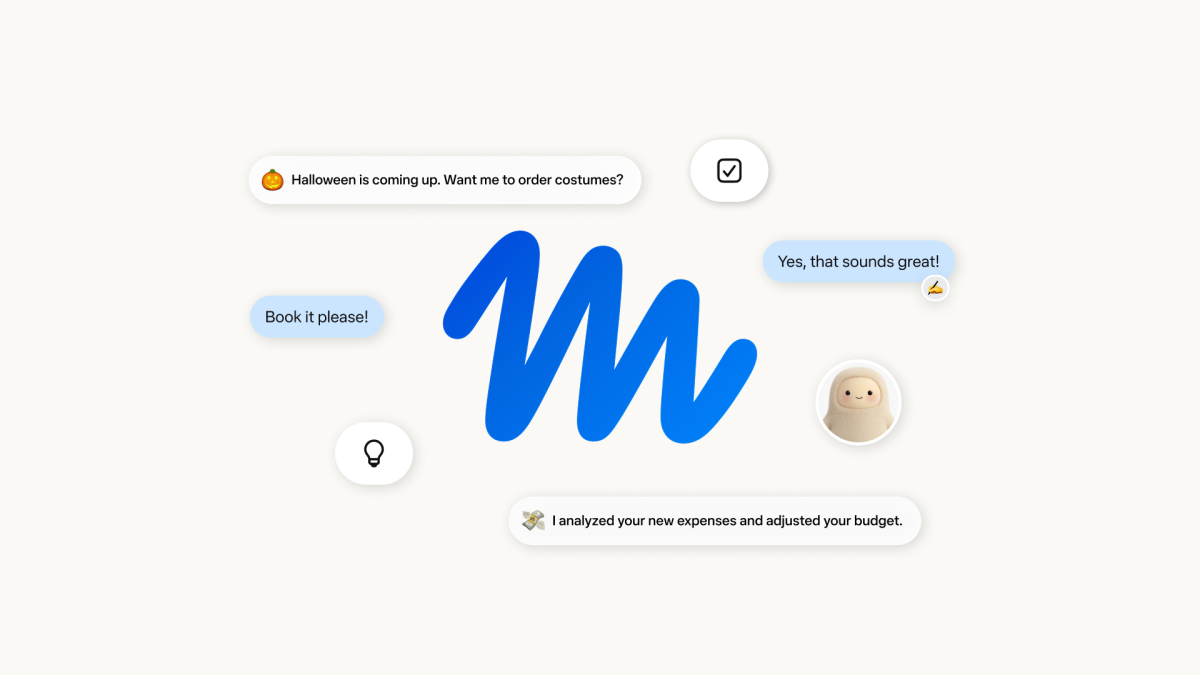
The agent can send emails, book travel, and manage long-term goals across a range of integrated services including Google Workspace, Spotify, OpenTable, and Apple Health.
Under the hood, Muse runs on the Muse Spark model family, developed under Chief AI Officer Alexandr Wang. Each instance operates inside what Meta calls a “Muse Secure VM,” a dedicated virtual machine designed to keep user data compartmentalized and require explicit approval before the agent takes sensitive actions.