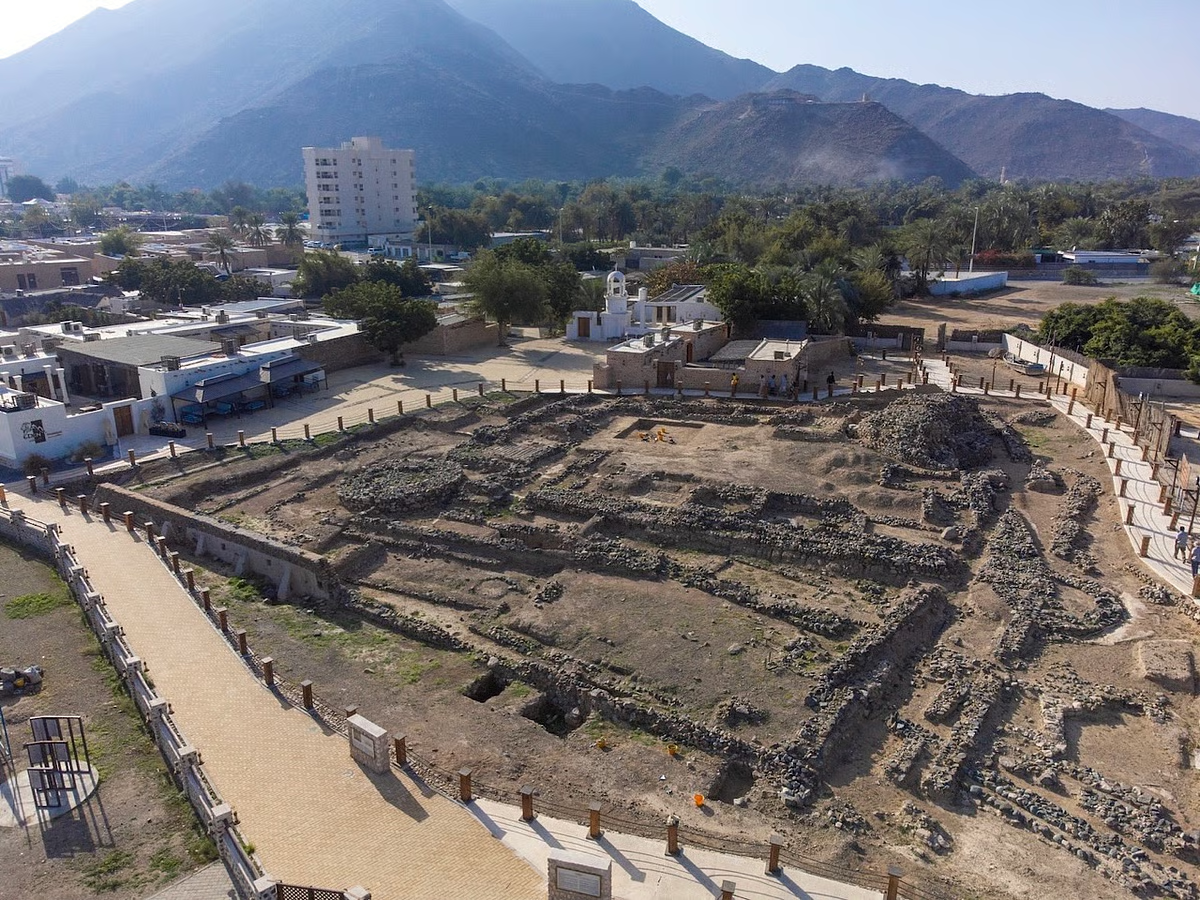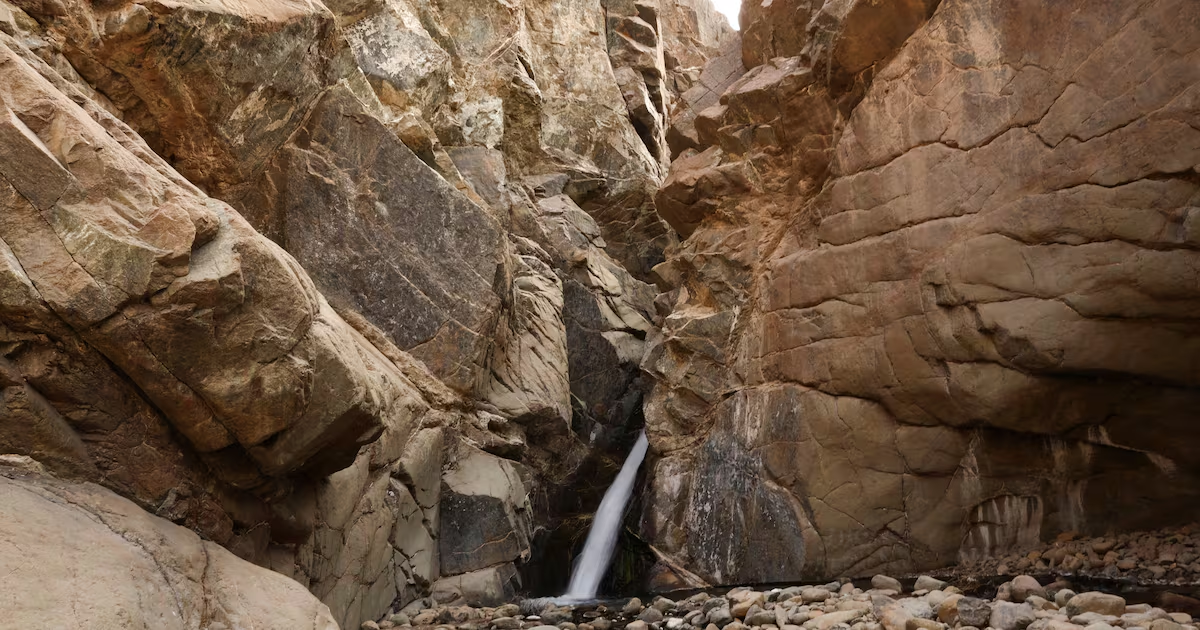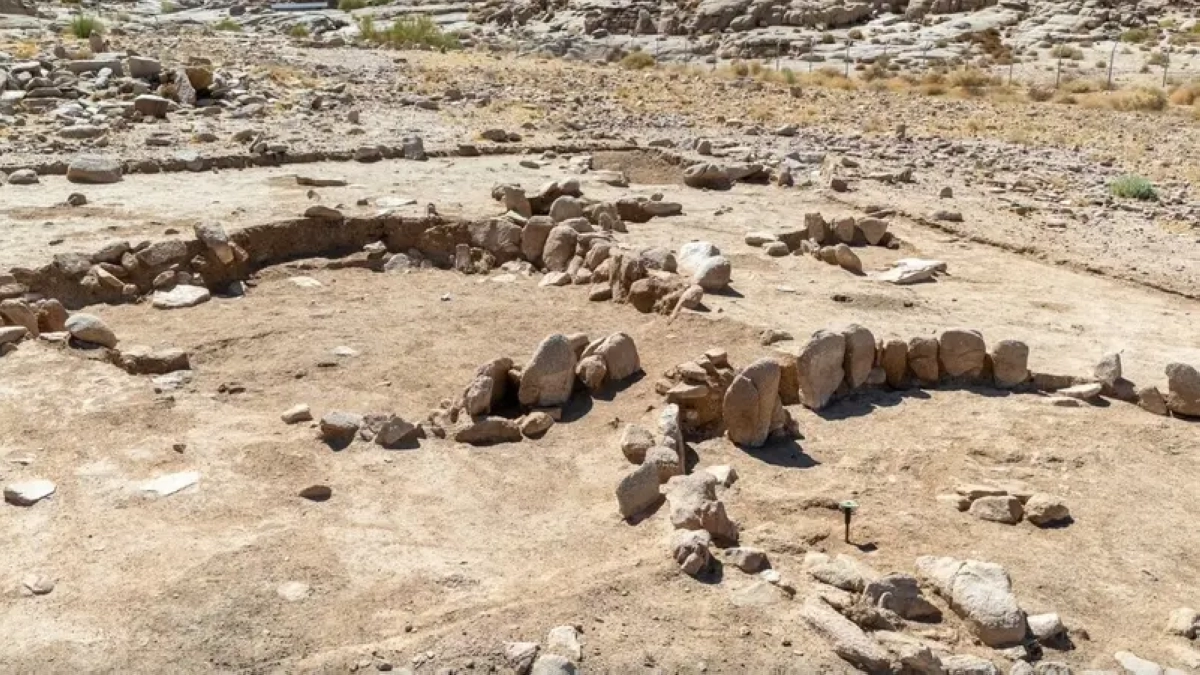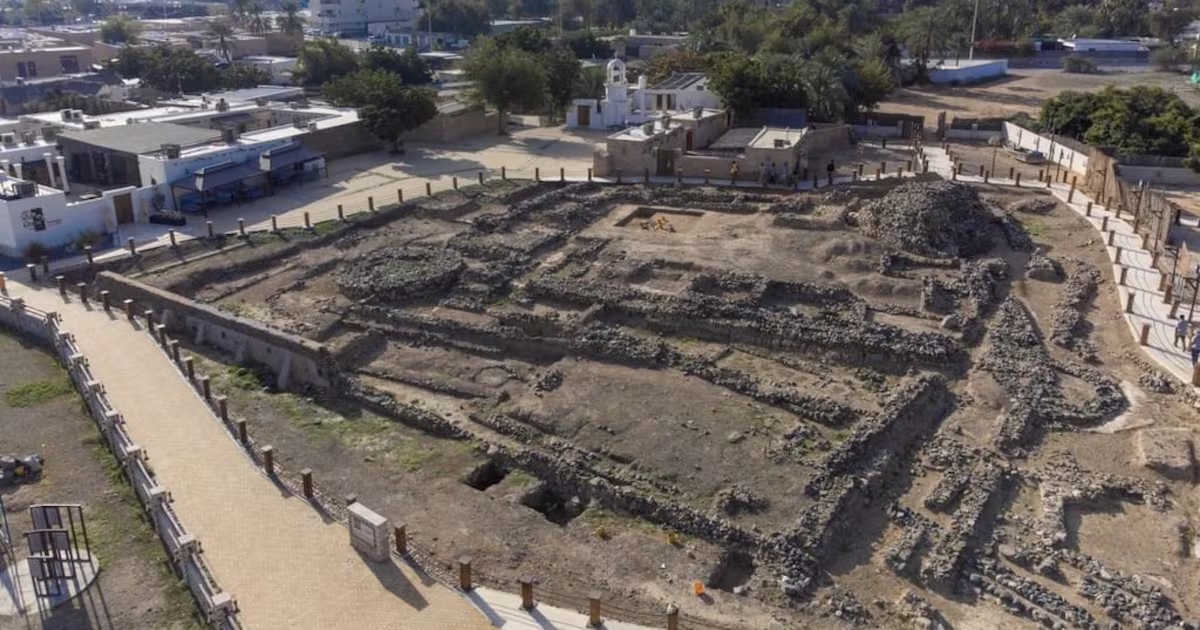
A trio of historic coastal sites in Sharjah have been added to Unesco's Tentative List for World Heritage, recognising their significance as a unified maritime network spanning more than two millennia, state news agency Wam reported on Wednesday.The Coastal Fortified Network of South Eastern Arabia comprises Dibba Al-Hisn, Khor Fakkan and Khor Kalba – three sites that formed a strategic maritime corridor along the Oman Sea. The addition brings the number of UAE sites on Unesco's Tentative List to 16, of which six are in Sharjah.The serial property – a term used to describe a cultural or natural heritage designation made up of two or more distinct, physically unconnected areas that share a unified value – documents a history stretching from early integration into Indian Ocean trade networks through the era of the Kingdom of Hormuz, Portuguese occupation in the 16th and 17th centuries, and eventual administration under Al Qasimi authority. “The inclusion of six sites from the emirate of Sharjah among the UAE's 16 sites on Unesco's Tentative List reflects an integrated cultural project that views heritage not merely as evidence of the past, but also as knowledge and a responsibility that extends into the future,” said Sheikha Bodour Al Qasimi, Unesco Goodwill Ambassador for Education and Book Culture, and Ambassador of the Faya World Heritage Property.“Every site we study, document and preserve adds a new chapter to our understanding of the history of this land, while offering the world a broader window into the region's role in trade, connectivity and cultural exchange across the centuries.“The significance of this achievement goes beyond the number of sites included on the Tentative List. It lies in building a sustainable system capable of studying, protecting and presenting our heritage to the world according to the highest scientific standards, ensuring that these sites remain part of humanity's shared memory, and that their knowledge and value are passed on to future generations.”Archaeological evidence across the three sites includes fortifications, settlement remains, harbours and surrounding coastal landscapes that together illustrate how the network functioned as a single integrated system.At Dibba Al-Hisn, excavations at the fort have uncovered settlement layers dating from the Neolithic period to the 20th century, including glass-working workshops, date-processing facilities and pearl-processing installations. Khor Fakkan preserves two principal fortified sites and a surviving section of the historic town wall stretching more than 155 metres, with successive phases of fortification reflecting Portuguese, Arab and Al Qasimi periods of control. At Khor Kalba, a Portuguese rammed-earth fortification built after 1624 has been excavated, featuring a quadrangular enclosure wall and two circular corner towers.Eisa Yousif, director general of Sharjah Archaeology Authority, said the next phase would focus on intensifying archaeological research to build a body of knowledge that could support a future full international nomination. The announcement follows the inscription of Sharjah's Faya Palaeolandscape on the Unesco World Heritage List in July 2025 – the second UAE site to receive the designation after the Cultural Sites of Al Ain, inscribed in 2011.
Sharjah's coastal heritage network added to Unesco World Heritage Tentative List | The National
Three interconnected sites recognised for their role in Indian Ocean trade and maritime history
497 words~2 min read