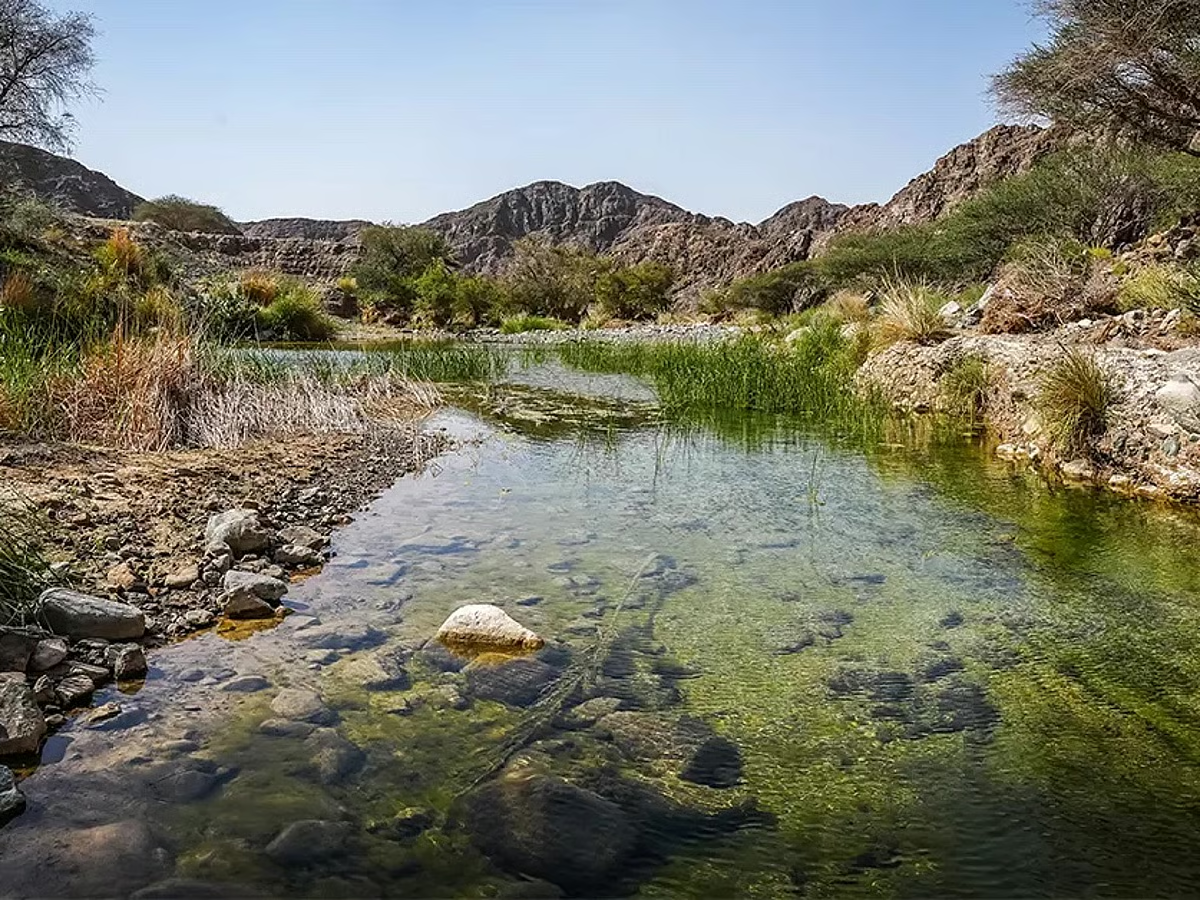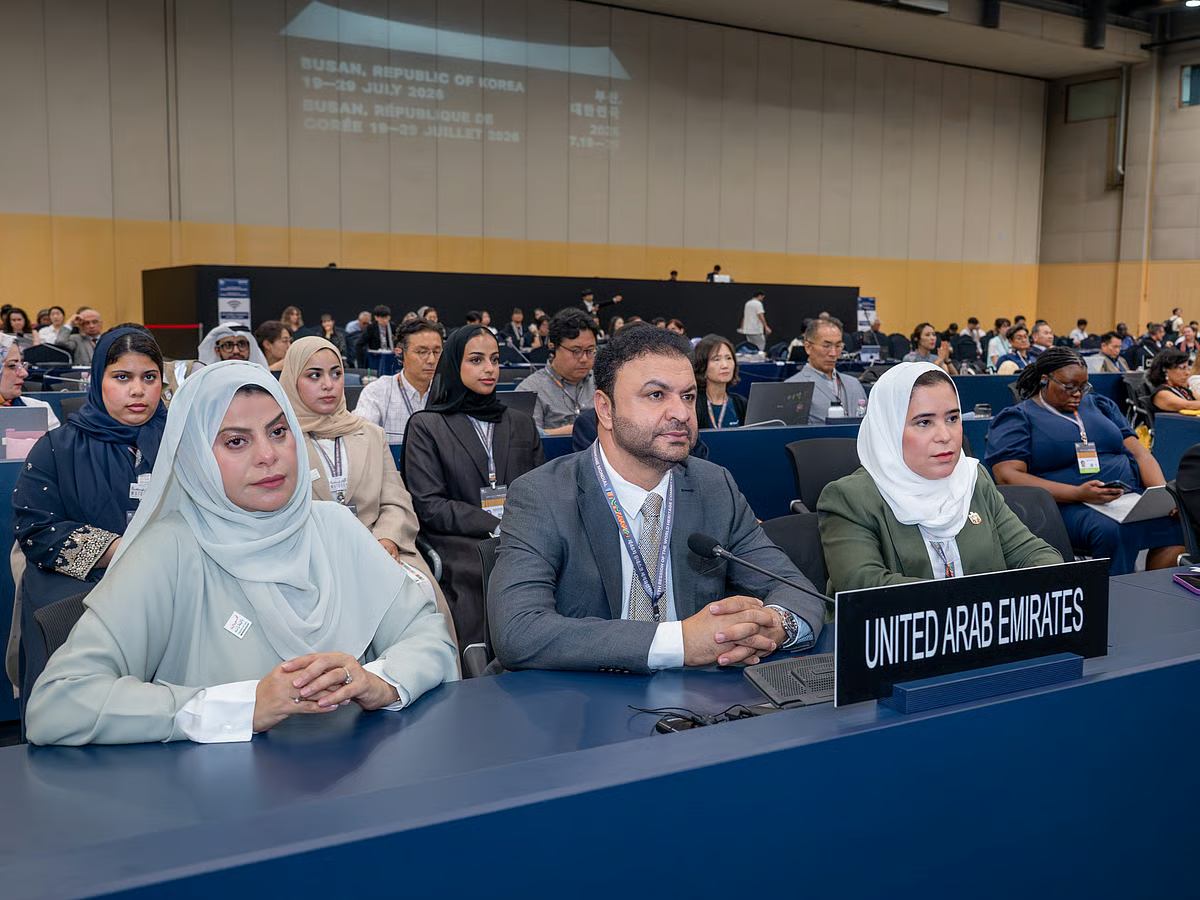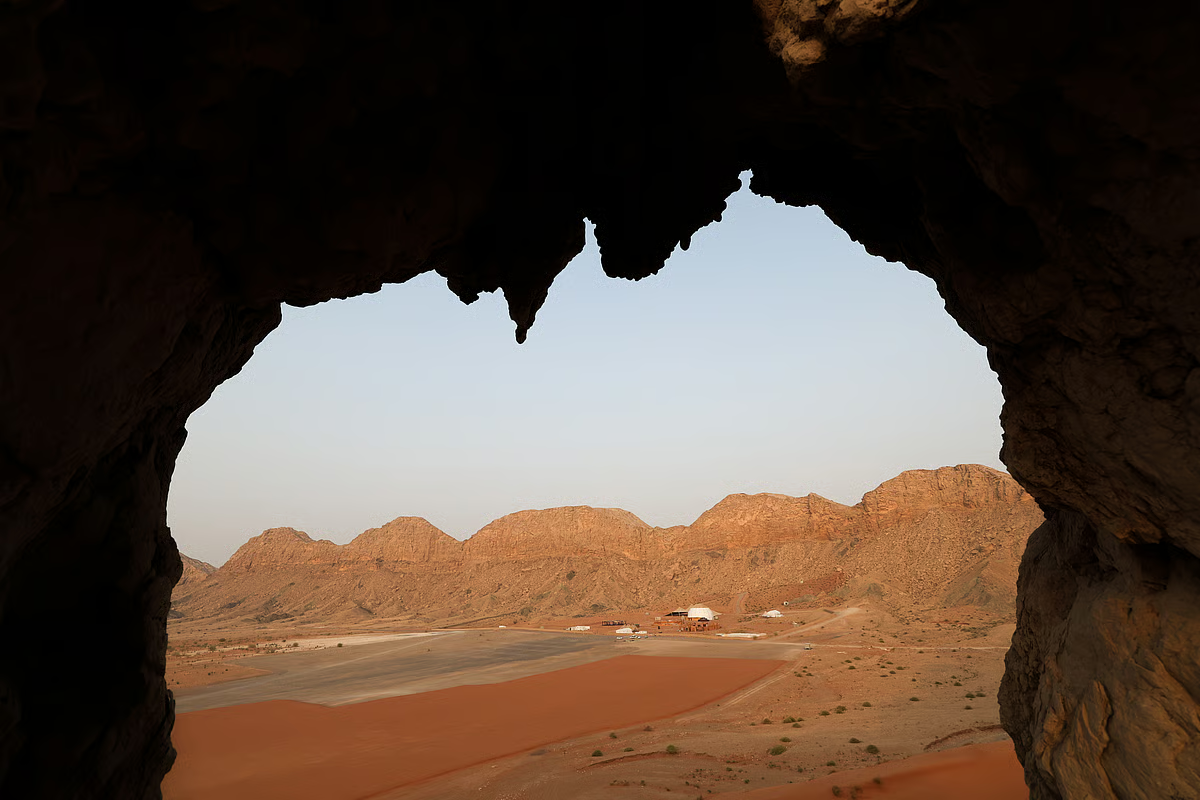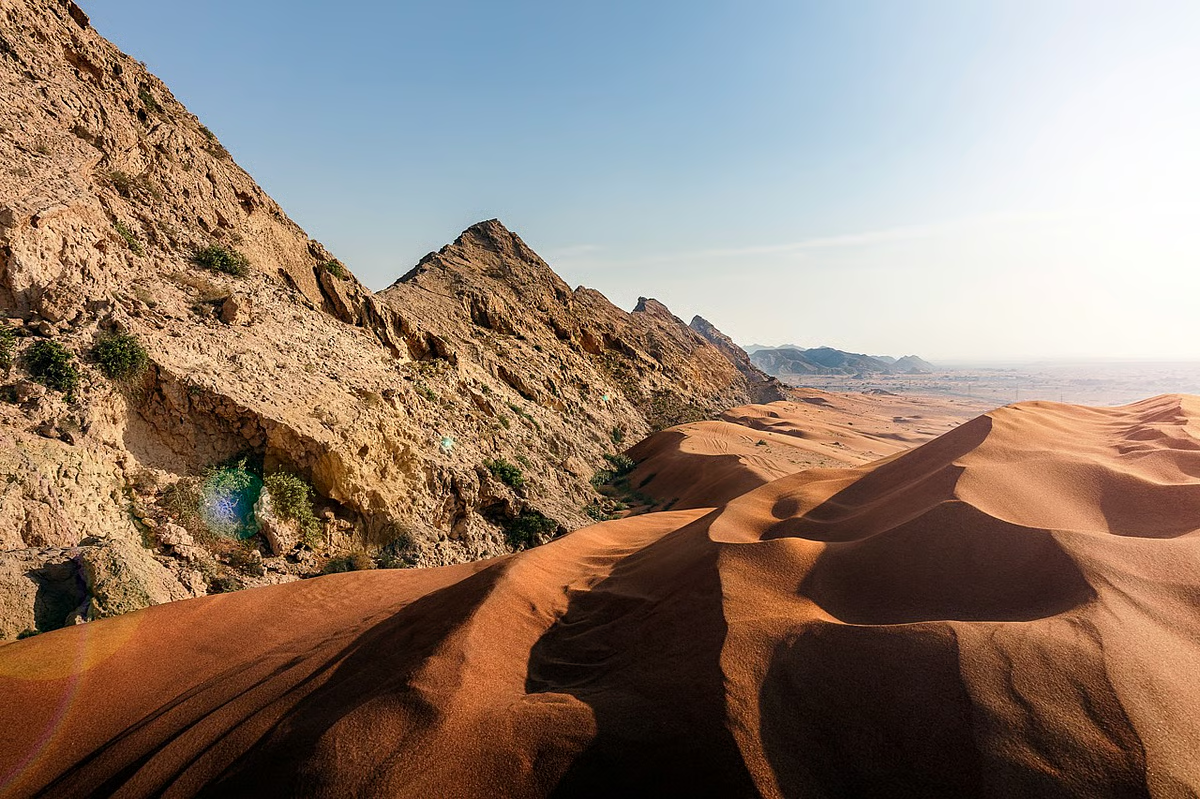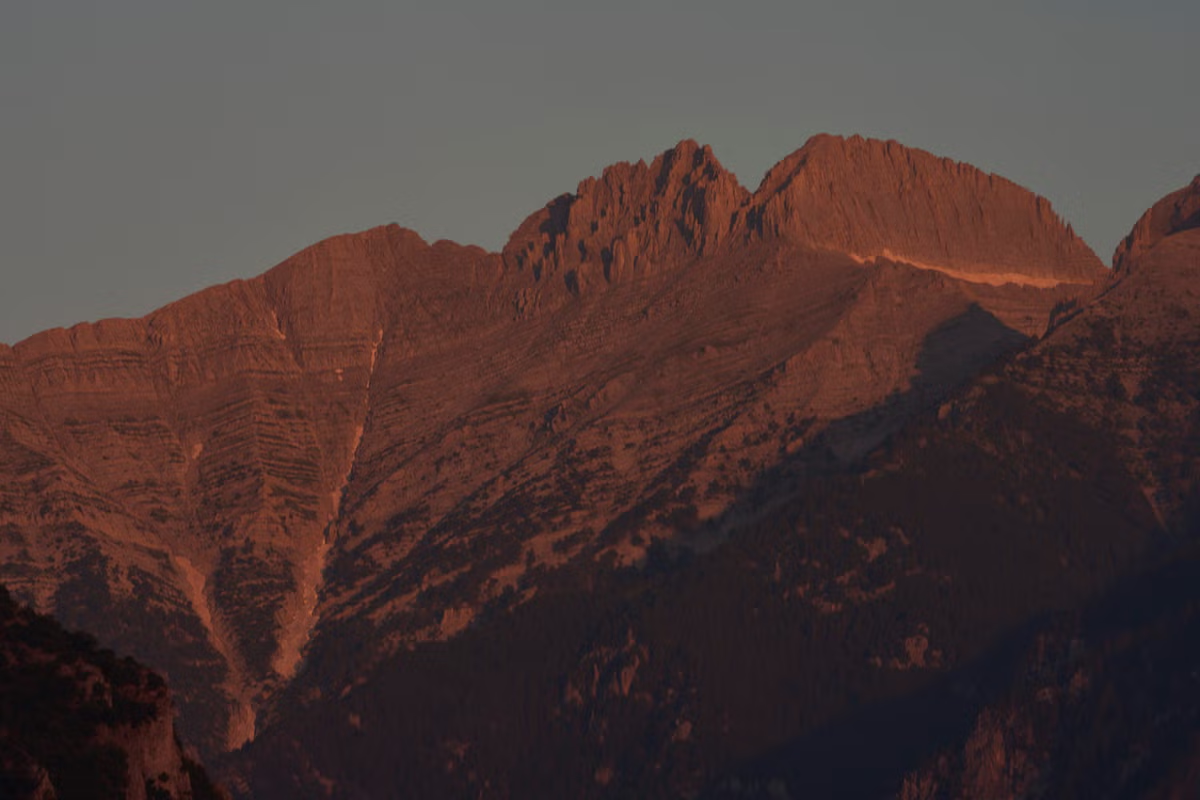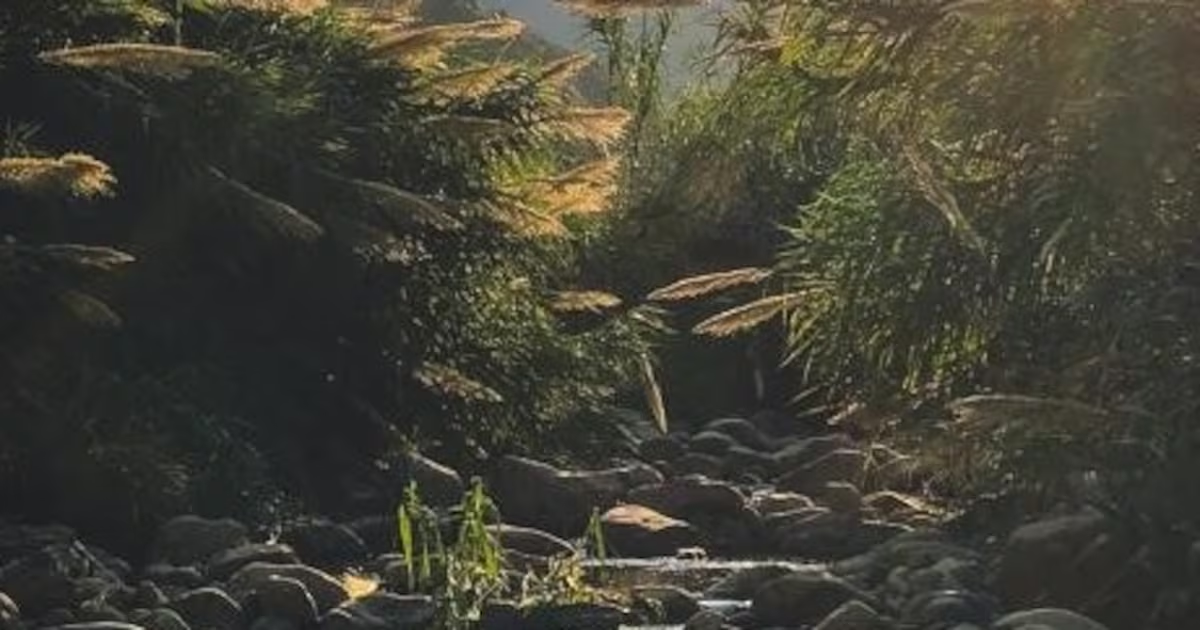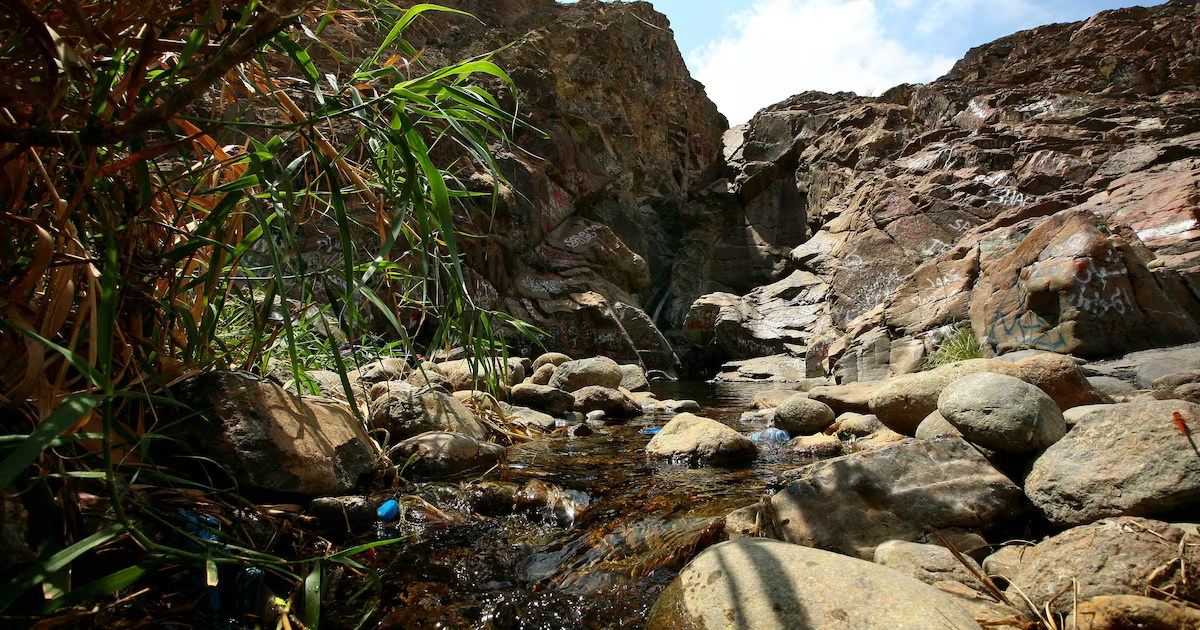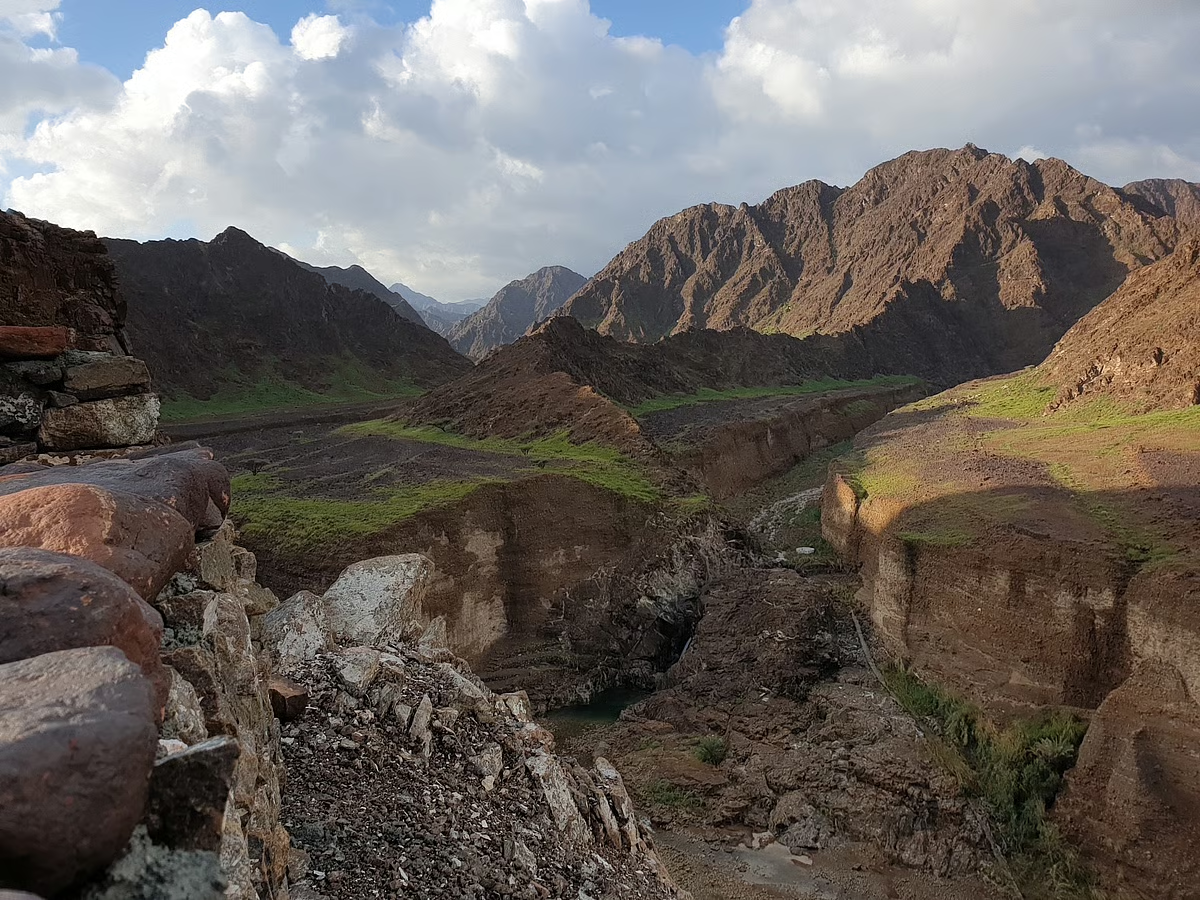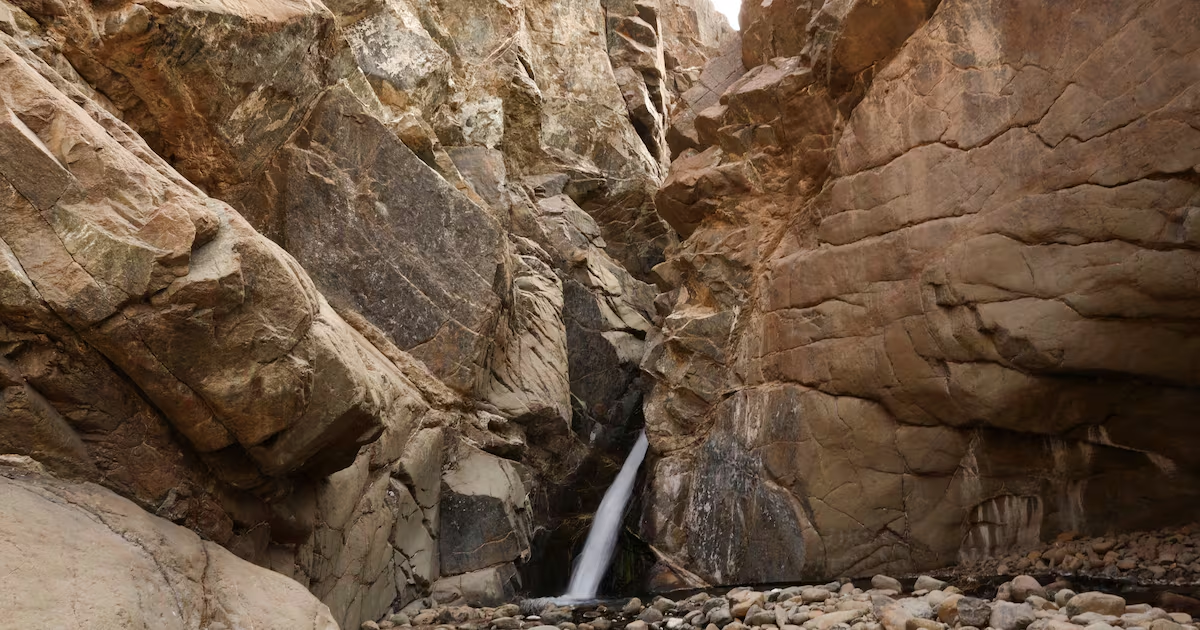
Wadi Wurayah National Park in Fujairah has been inscribed on the Unesco World Heritage List.The 220-square-kilometre site, which became the country’s first national park in 2013, was added to the prestigious list on Saturday by the World Heritage Committee during its 48th session in Busan, South Korea.It is the UAE’s third entry, following the cultural sites of Al Ain (inscribed in 2011) and the Faya Palaeolandscape in Sharjah (2025). The park is the first site in the UAE to be recognised for its "outstanding universal natural value".Sheikh Mohammed bin Hamad Al Sharqi, Crown Prince of Fujairah and ambassador for the Wadi Wurayah nomination to Unesco, spoke of his pride in the achievement. Sheikh Mohammed said in a statement that it "represented a significant milestone in the accomplishments of both the UAE and the emirate of Fujairah... an exceptional moment in the nation's journey and global standing, reflecting the UAE's commitment to preserving and protecting its natural sites".He added that Wadi Wurayah now stood as a global model, enjoyed international appreciation and helped enhance the UAE's reputation on the world stage.Gaining World Heritage status will transform Wadi Wurayah from a national park into a protected site of global importance, unlocking environmental, economic and institutional benefits.It will give the wadi added protection from threats such as climate change and provide open access to support from the World Heritage Fund. Inclusion is also likely to draw more research partnerships to the site, while strengthening the UAE's position as a leading destination for biodiversity conservation.Wadi Wurayah in Fujairah is known for being the last refuge of rare animals such as the Arabian tahr and caracal. Photo: Jeffrey E Biteng / The NationalInfoThe announcement was also welcomed by Sheikh Salem bin Khalid Al Qassimi, Minister of Culture. "The inscription of Wadi Wurayah on the Unesco World Heritage List represents a strategic national achievement," he said. "It embodies a national vision that places heritage at the heart of national identity, positions it as a driver of sustainable development, and recognises its preservation as a shared responsibility towards humanity and future generations."Wadi Wurayah in Fujairah has been inscribed on the Unesco World Heritage List. Photo: Fujairah Media OfficeInfoAseela Al Mualla, director general of the Fujairah Environment Authority, expressed her gratitude to the World Heritage Committee. "Wadi Wurayah is one of the few sources of permanent surface water in the UAE and is home to the country's only permanent natural waterfall," she said. "The reserve also shelters many rare and endangered species of animals, plants, reptiles and insects, along with several mammals and birds unique to the site. “This makes Wadi Wurayah a prime example of the vital ecological processes that have shaped, over centuries, the evolution of terrestrial, freshwater, coastal and marine ecosystems, as well as plant and animal communities."Year-round streams, springs and waterfallsSitting within the Hajar Mountains and about 45km from Fujairah City, Wadi Wurayah hosts a permanent freshwater ecosystem inside an otherwise arid area. Its unique hydrogeological structure allows underground water to emerge as year-round streams, springs and natural waterfalls, transforming the canyon into a biodiversity hotspot that is home to more than 1,000 species of living organisms.It is one of only three conservation areas in the world where wild Arabian tahr roam. The Arabian caracal, a critically endangered wild cat, was rediscovered in the park last year.The site is also home to Blanford’s fox – an elusive nocturnal predator that has adapted to living among steep, rocky cliffs – and a critically rare species of dragonfly long thought to be extinct until it was found in the wadi’s wetlands.The Arabian caracal was rediscovered in Wadi Wurayah National Park in 2025. Photo: FEAInfoAs a botanical and geological site, the wadi is significant. The only wild orchid species native to the UAE can be found there, as can the giant warrah reeds after which the park is named. It also features the world’s largest exposed ophiolite complex, offering scientists a window into the Earth’s oceanic crust and upper mantle.The ophiolite, regarded by geologists as the best-exposed fragment of an oceanic sheet in the world, was formed about 90 million years ago in the tectonic collision between the Arabian and Eurasian plates. When the ancient Tethys Ocean floor buckled, it was pushed upwards, which means the mountains in Wadi Wurayah offer a glimpse of an ancient deep ocean basin.
UAE's Wadi Wurayah National Park added to Unesco World Heritage List | The National
Geological site in Fujairah is recognised for its outstanding natural value
722 words~3 min read