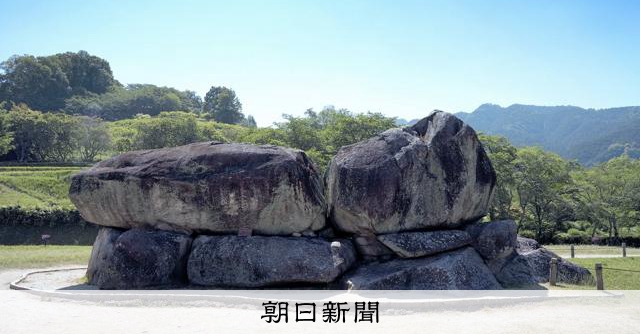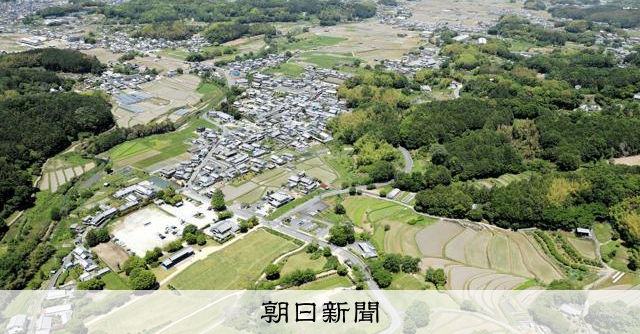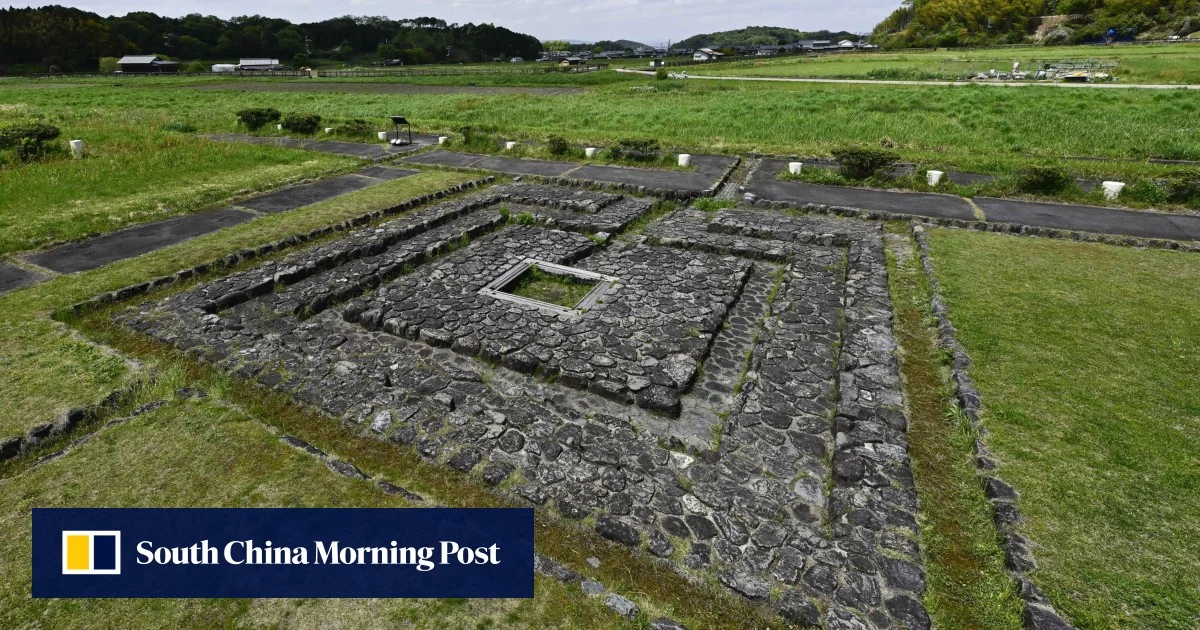
Unesco decided on Sunday to add a group of ancient sites in Nara prefecture that show the formation of Japan’s centralised state to the World Heritage list, marking the country’s 27th such site.The decision on the Asuka-Fujiwara: Archaeological sites of Japan’s Ancient Capitals and Related Properties was made during a meeting of the United Nations Educational, Scientific and Cultural Organisation World Heritage Committee held in Busan, South Korea.The ruins are highly regarded for showing the process by which the centralised state was established, against the backdrop of close interactions with China and the Korean peninsula.The Asuka-Fujiwara cluster consists of 19 archaeological sites dating from the late sixth century to the early eighth century.People celebrate in Kashihara, Nara prefecture, on Sunday after Unesco decides to add the ancient Japanese capitals of Asuka and Fujiwara to the World Heritage List. Photo: Kyodo/APThe major sites include the ruins of the Asuka Palace and Fujiwara Palace related to early state-building, the remains of Japan’s first full-fledged capital, Buddhist temple ruins and ancient burial mounds.
Unesco adds ancient Japanese capitals Asuka, Fujiwara to World Heritage list
With the addition, Japan now has 22 cultural and five natural World Heritage sites.
170 words~1 min read