Novartis and Bristol Myers Squibb have paused multiple trials evaluating their respective cell therapy programs against autoimmune conditions after observing inflammatory side effects in testing, the companies confirmed Monday afternoon.
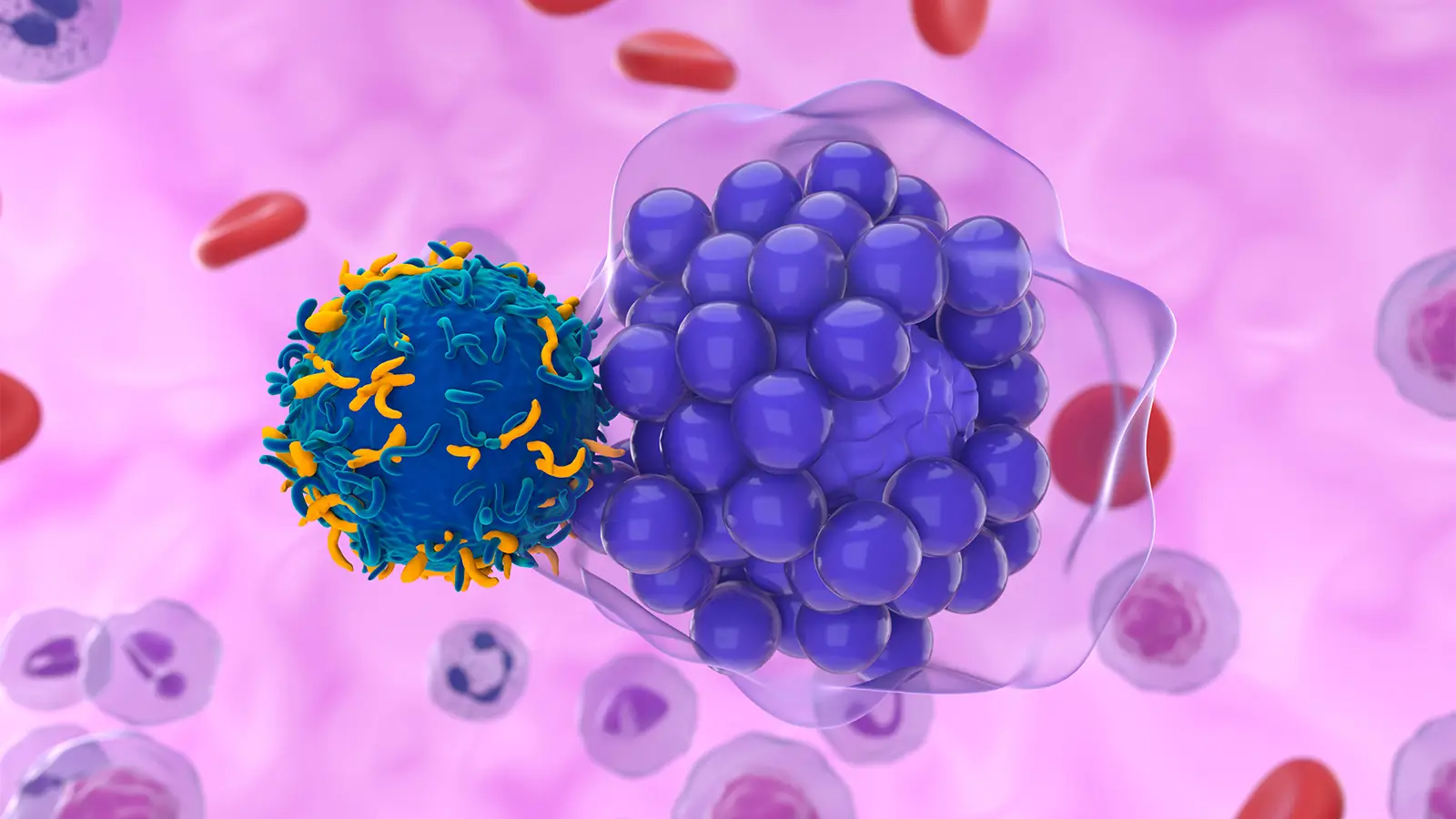
Novartis, which is testing a personalized cell therapy called rap-cel in a handful of autoimmune studies, found three cases of immune effector cell-associated hemophagocytic syndrome, a rare and possibly life-threatening reaction. Complications from those events led to “fatal outcomes,” according to a company spokesperson.
Novartis said it initiated holds on those trials — which are evaluating rap-cel in lupus, myasthenia gravis, multiple sclerosis and more — on Aug. 24. Novartis is “engaged” with regulators and is reviewing the findings, the spokesperson wrote in an email to BioPharma Dive.
“The temporary halt will allow for a more comprehensive review of the evolving clinical and safety data across the program,” the spokesperson added.
Bristol Myers has also voluntarily paused enrollment in autoimmune trials evaluating its own CAR-T treatment zolacabtagene autoleucel, or zola-cel. In an email to BioPharma Dive, a company spokesperson said the move was made “out of an abundance of caution” to “review clinical data across our zola-cel program,” noting that Bristol Myers detected “transient and reversible inflammatory events” during routine safety surveillance. The company aims to complete the evaluation and resume testing “as quickly as possible.”