Comments
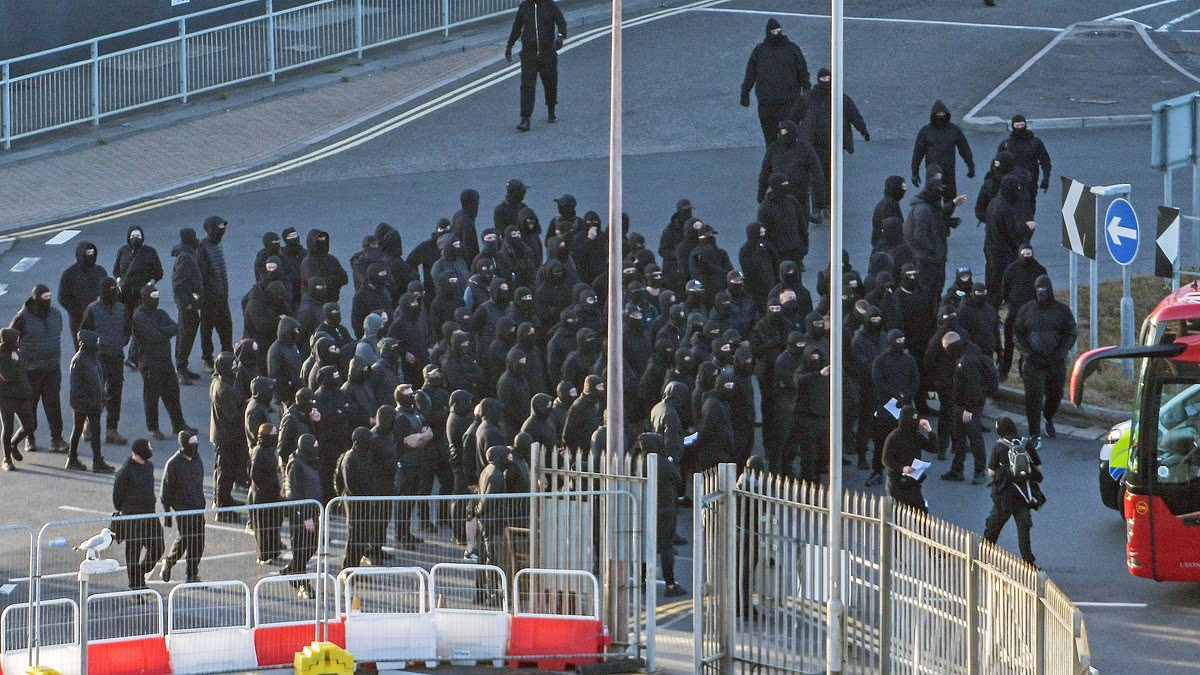
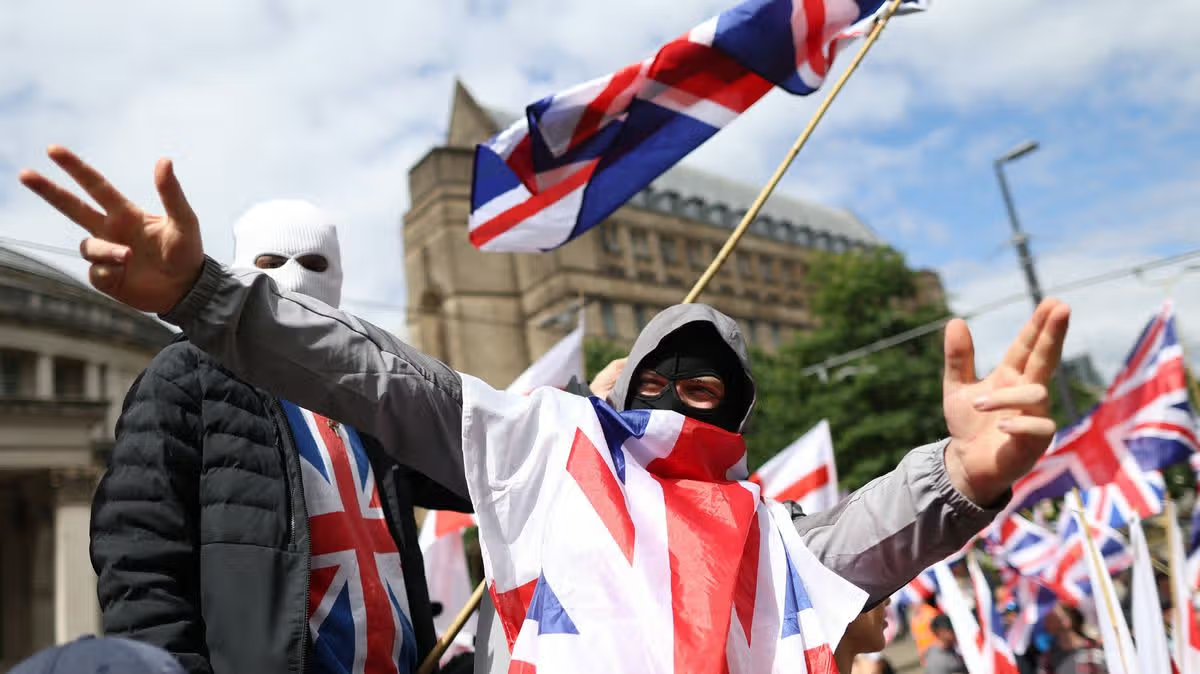
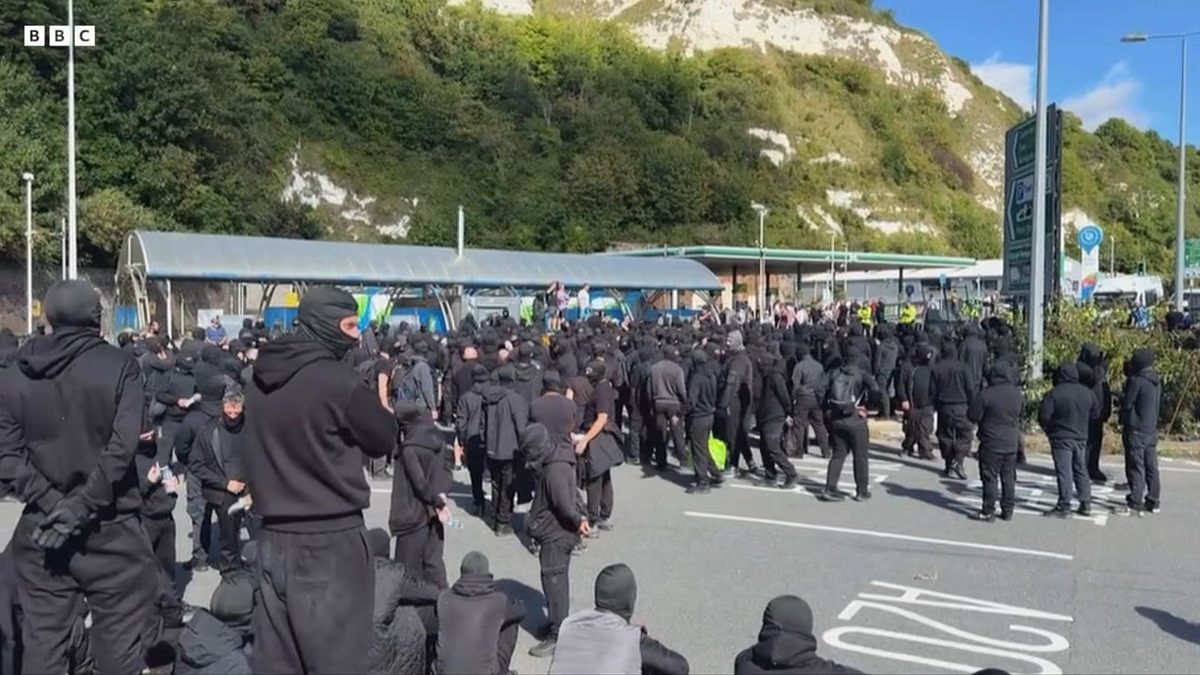
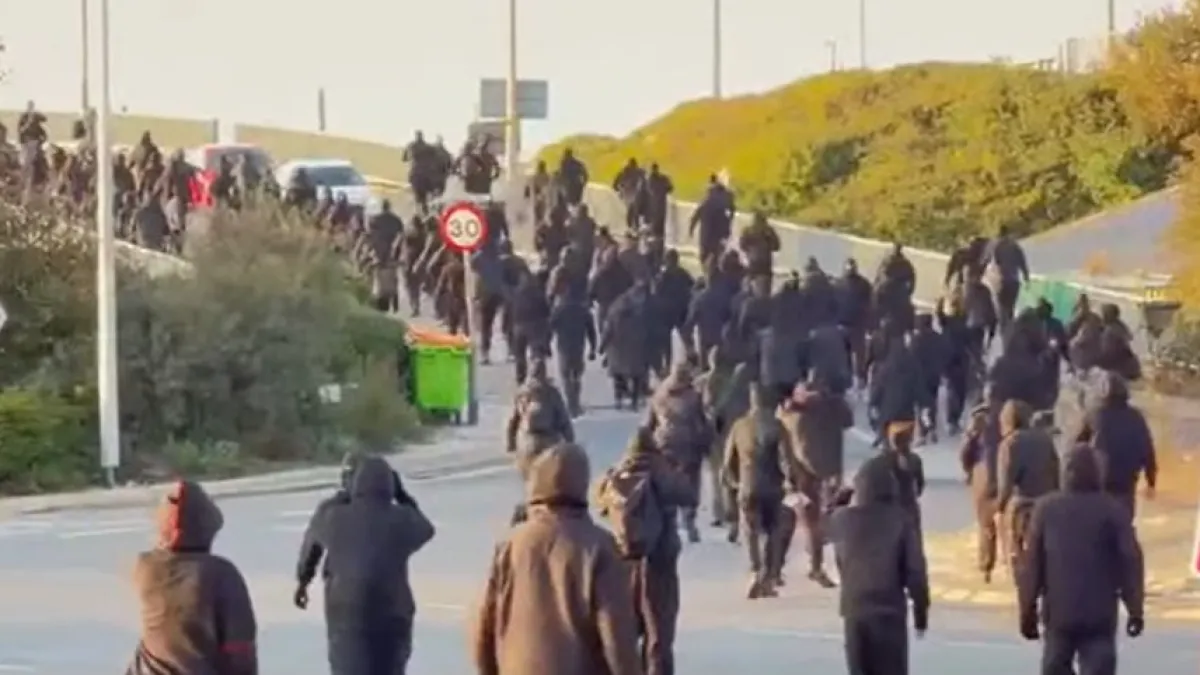
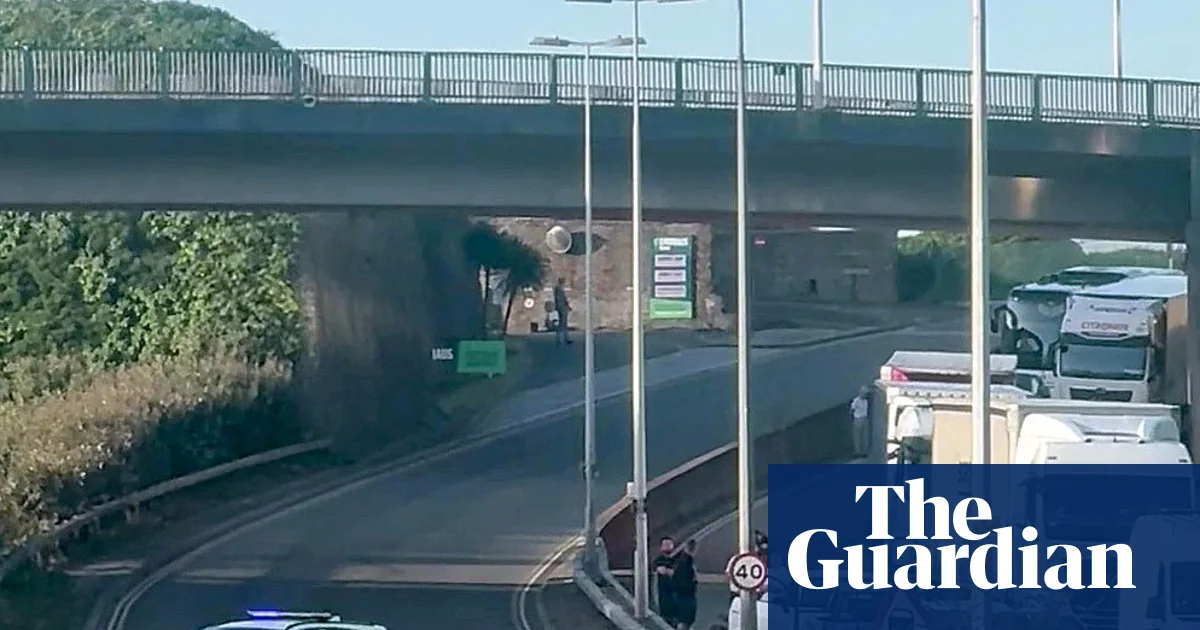
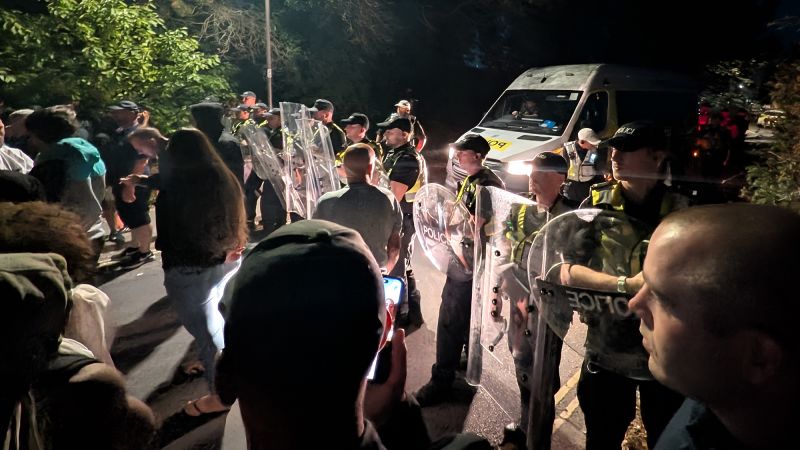
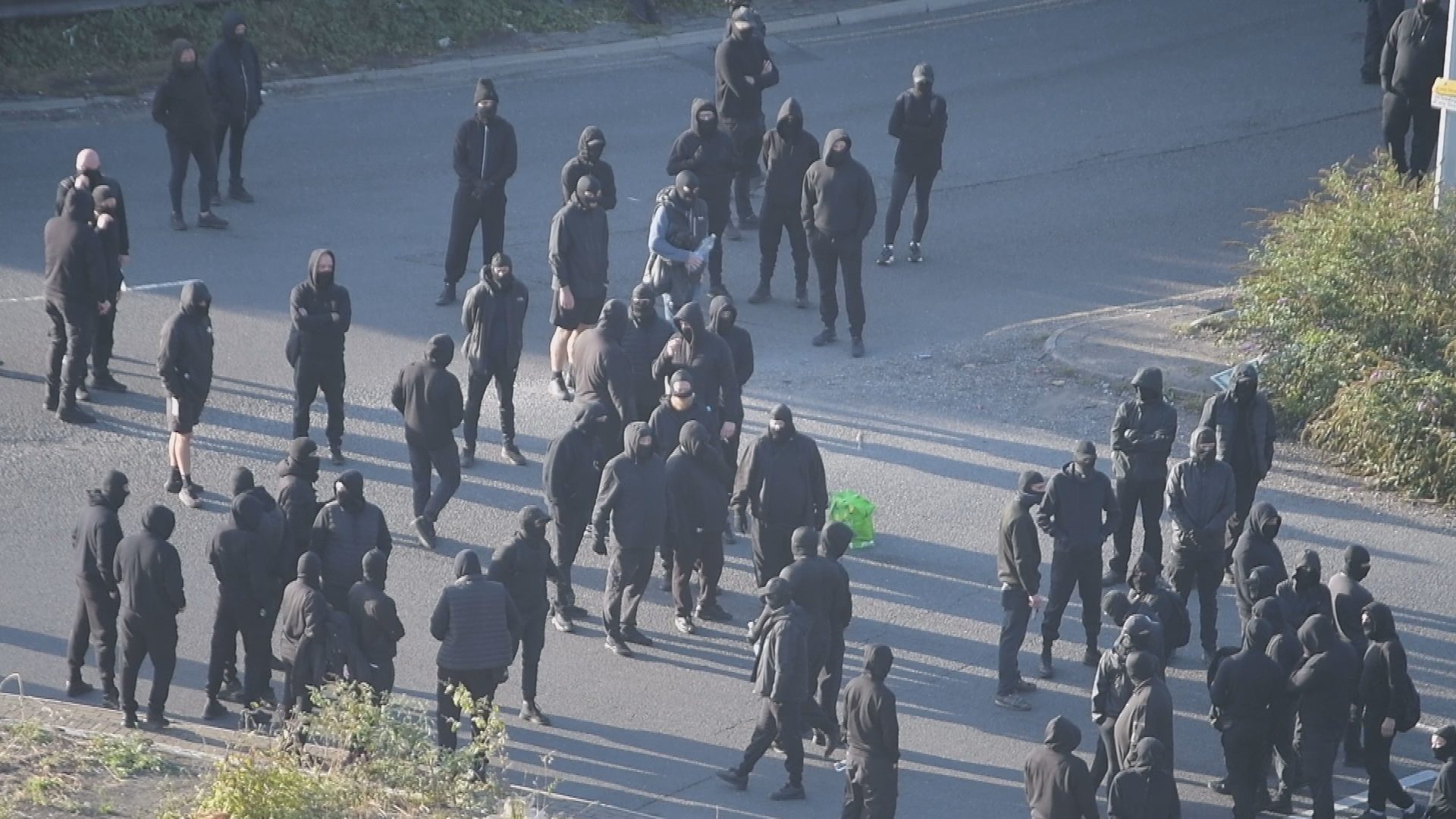
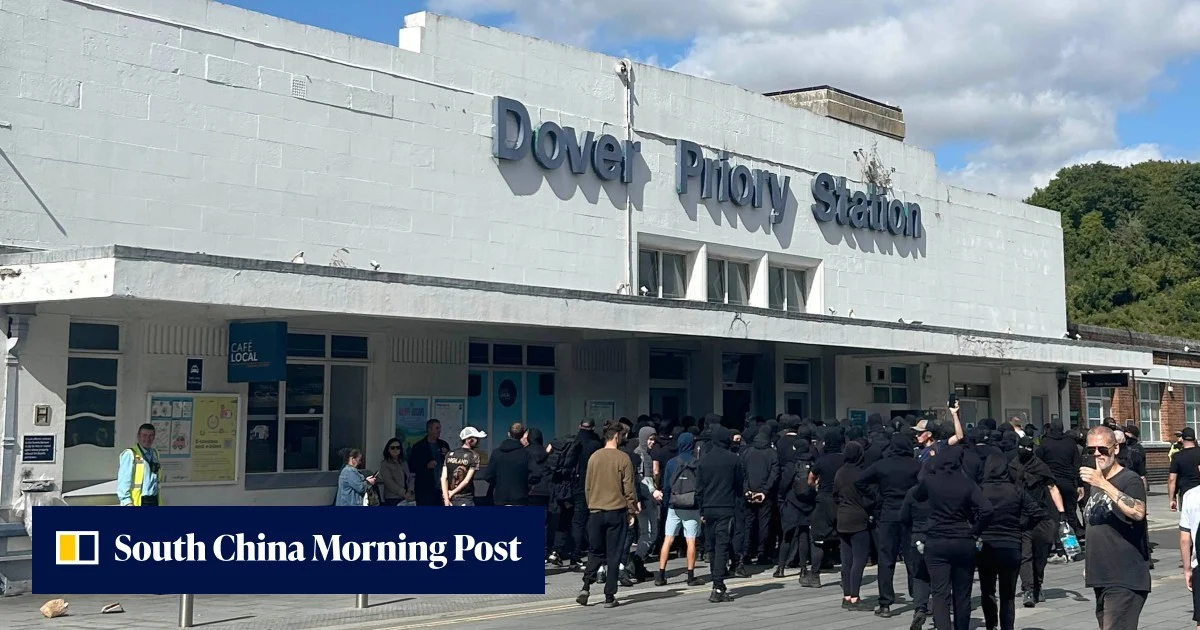
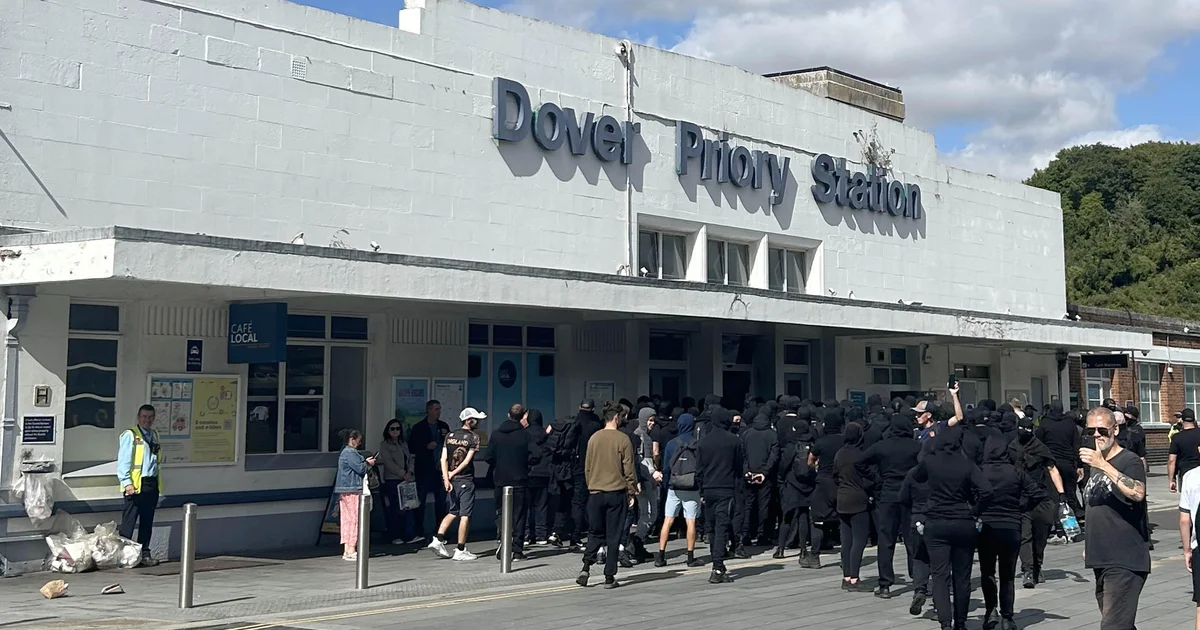
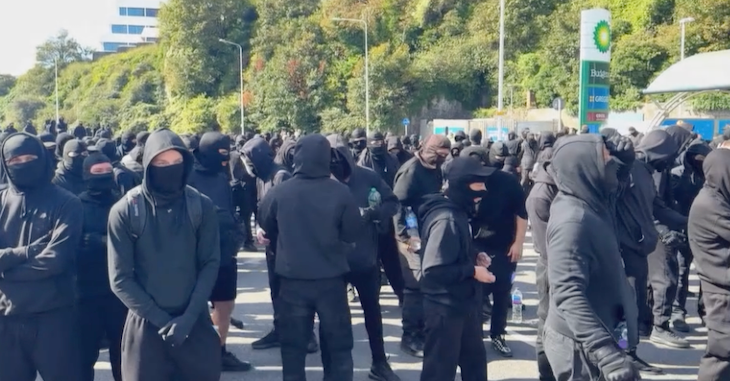
A balaclava on a British street is a small declaration: I do not want you to know who I am. Last weekend, that declaration was made in Dover and Portsmouth, where hundreds of men, many dressed head-to-toe in black, turned out against the arrival of migrants by small boat: road blockades, walkie-talkies, faces covered. It looked less like a demonstration than a uniformed show of force.
Some of Antifa’s fiercest enemies now dress like them
That should worry us. There is no democratic entitlement to intimidate the public, assault police officers or obstruct emergency services. But Westminster should be interested in something beyond the spectacle: why do these men believe they need to hide their faces in the first place?
Start with the costume itself, because the choice is not accidental. The black-bloc aesthetic, black clothing, covered faces and group anonymity, was not invented by Antifa, and Antifa is not a single organisation. But anarchist and antifascist activists helped popularise it on the streets of Europe and America. Political tactics rarely stay the property of one tribe for long; once one side proves them useful, opponents learn from them. The irony is difficult to miss: some of Antifa’s fiercest enemies now dress like them.