EDITOR’S NOTE: Curio is a CNN Style series spotlighting small objects and the big ideas behind them.
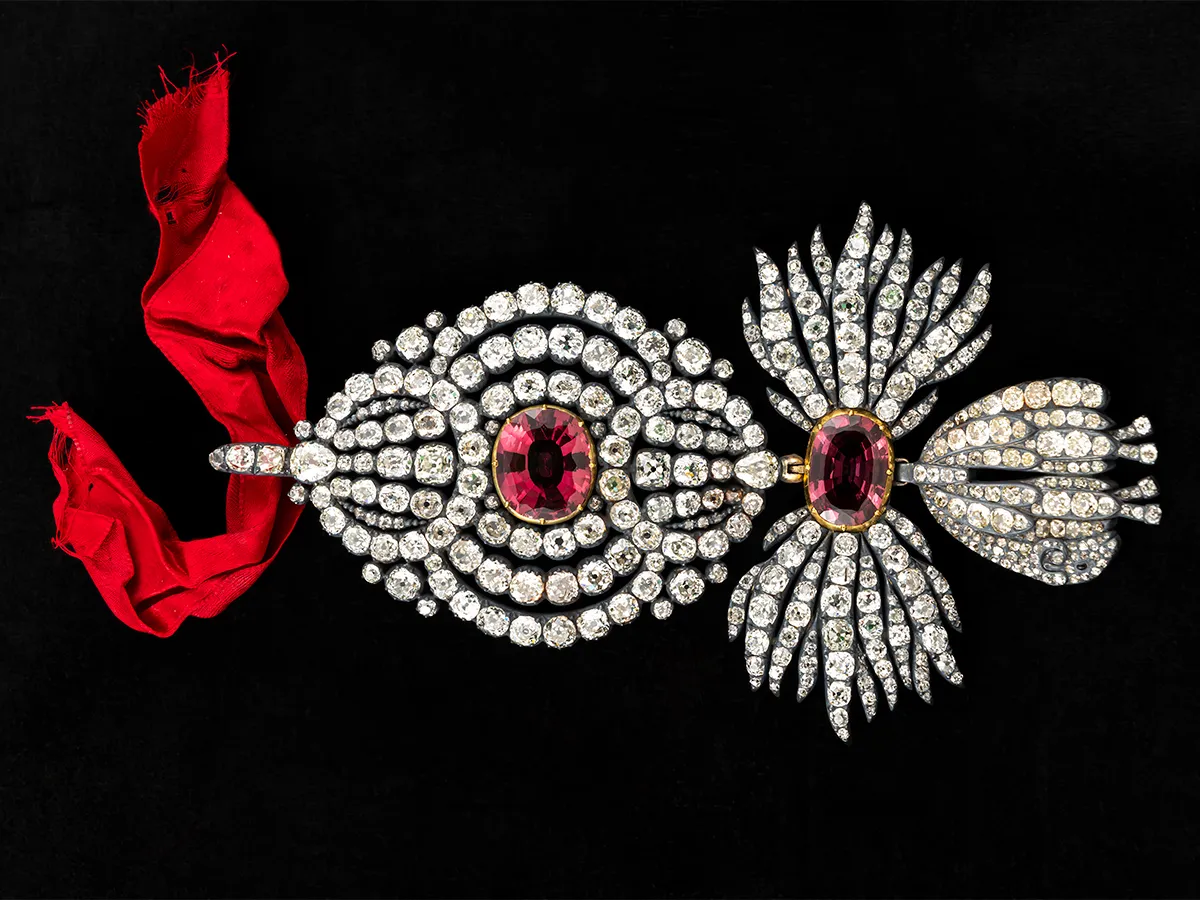
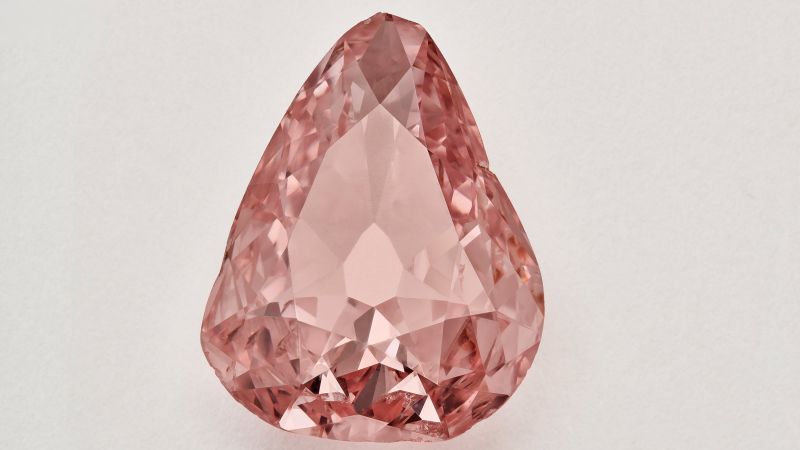
Suzanne Schiltz was hungry. Cleaning is exhausting business, especially as a hotel chambermaid in Paris — one of the most visited cities in the world, even in 1926. So when she saw an apple in the suitcase of two young men one December while neatening up their room, she took it. After a bite, Schiltz’ teeth struck something so hard they almost shattered: the Grand Condé diamond. It was one of the rarest gemstones in France. And it was also missing.
Two months earlier, a couple of amateur thieves had robbed the historic castle, Château de Chantilly, 50 kilometers north of Paris. They had little more than a pair of tall ladders between them, but the extent of their burglary — more than 75 pieces of jewelry housed inside the castle’s museum, valued at $3,000,000 at the time — led the police to believe the culprits were seasoned acrobatic masterminds, or at least double-crossing museum staff. In fact, Leon Kauffer and Emile Souter were both demobilized French aviators in their early 20s, and well out of their depth. Despite their success in swiping the jewels, they failed to sell them. Before their arrest, Kauffer and Souter had only managed to make 30,000 francs (about $1,200 at the time) off the stolen loot. Their biggest mistake was stealing the Grand Condé, a 9.01-carat pink diamond so famous no jeweler would touch it for fear of incrimination. “Every policeman across Europe was looking for it,” said Mathieu Deldicque, chief heritage curator and director of the Musée Condé, in a phone call.