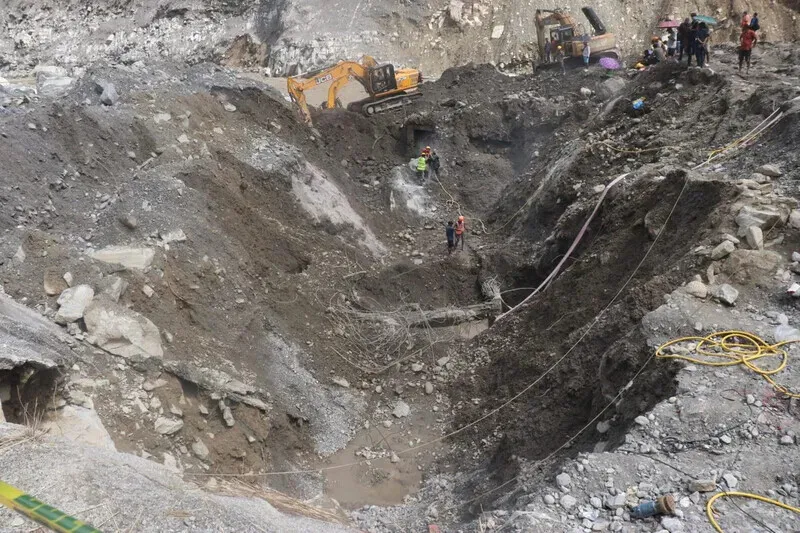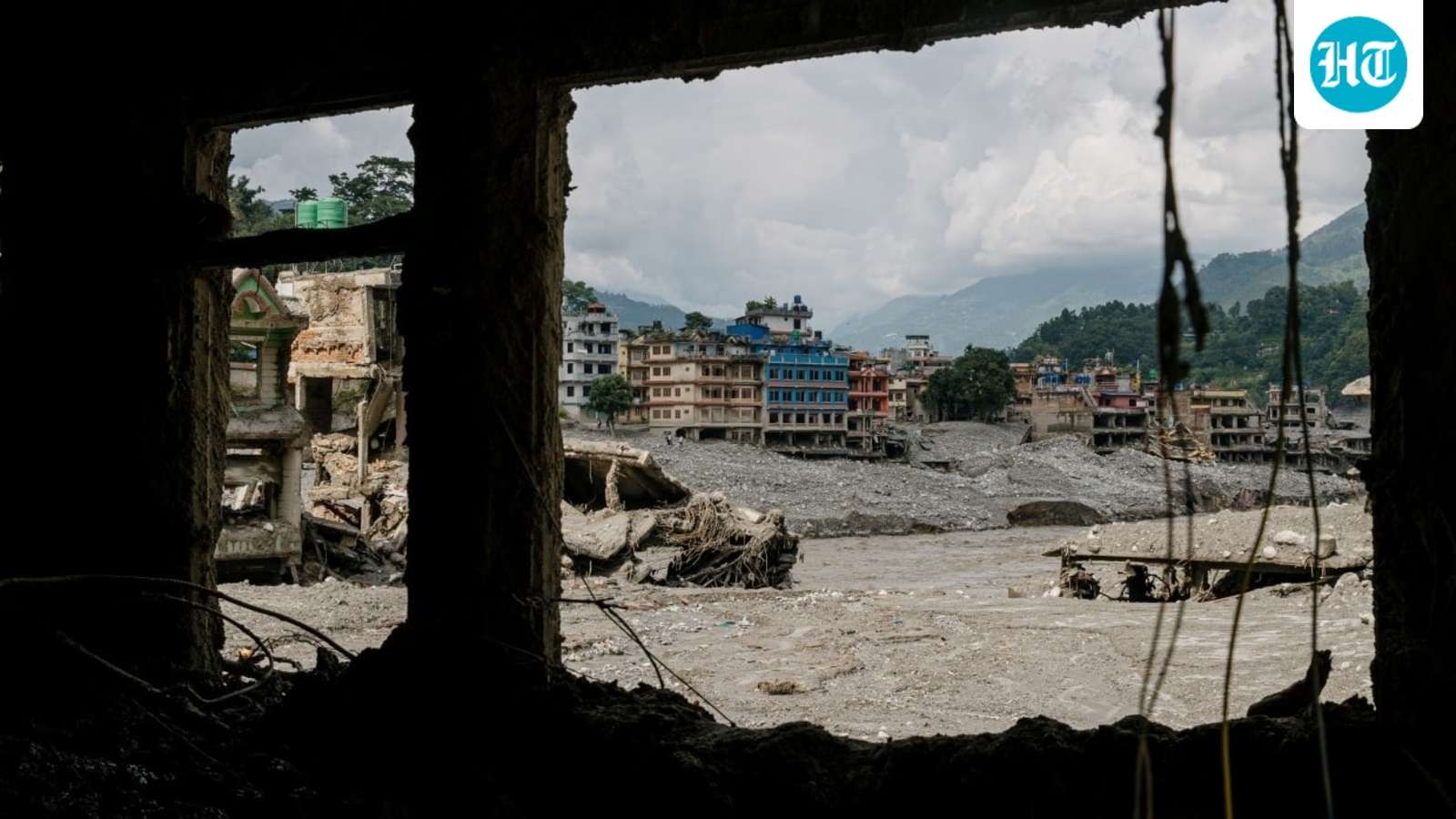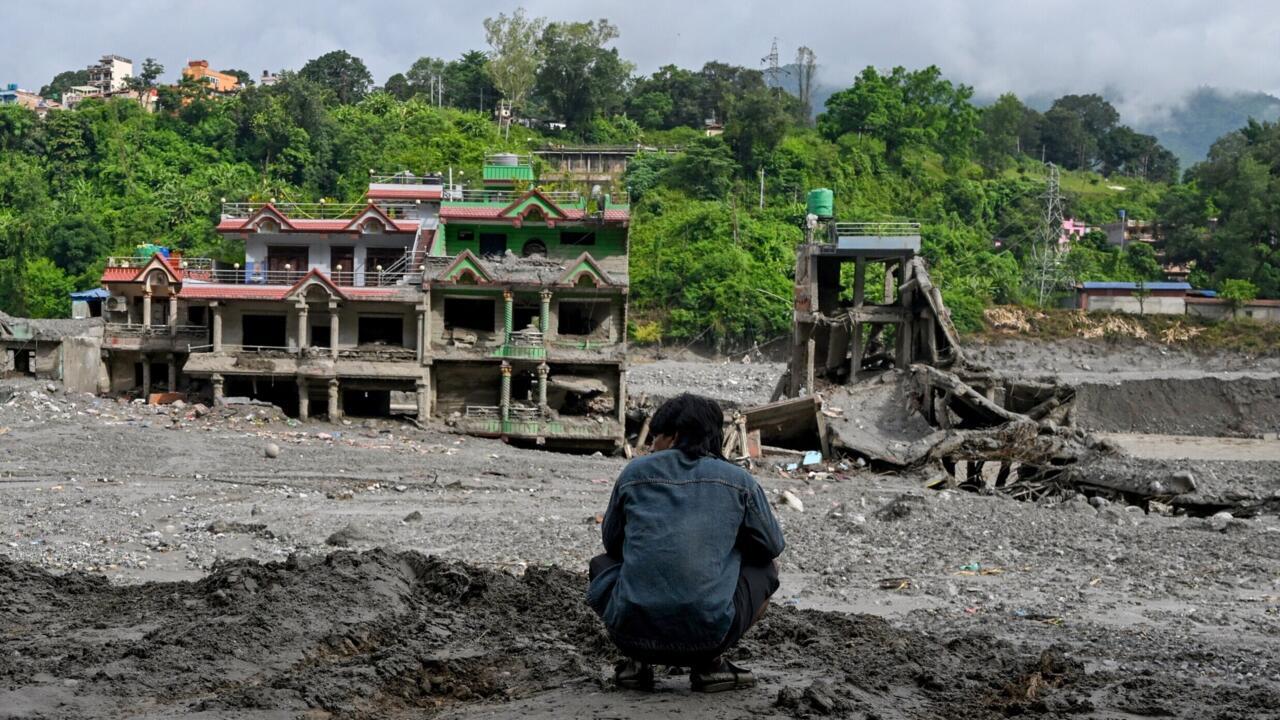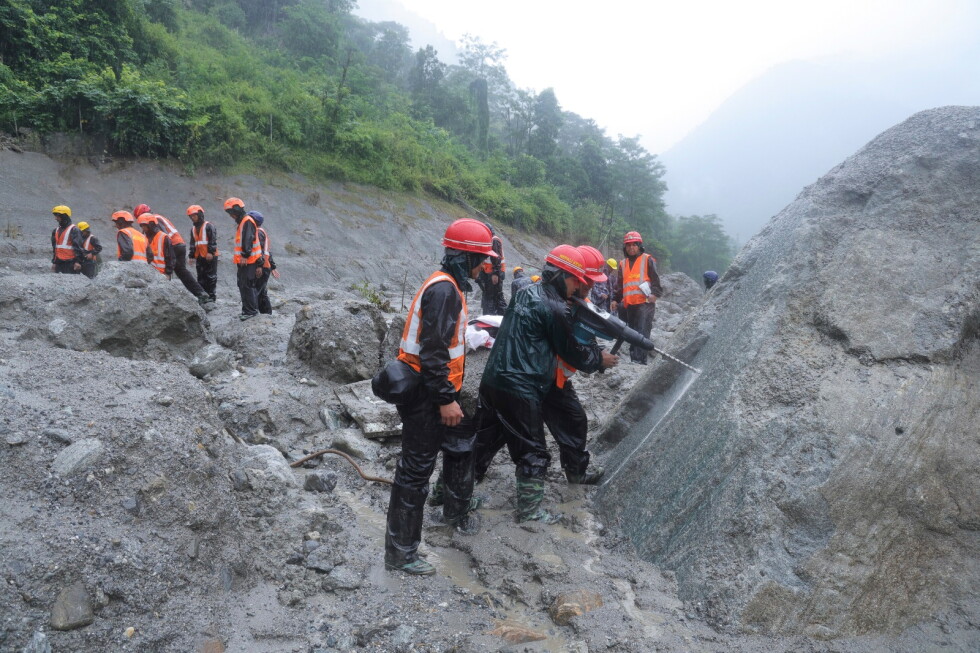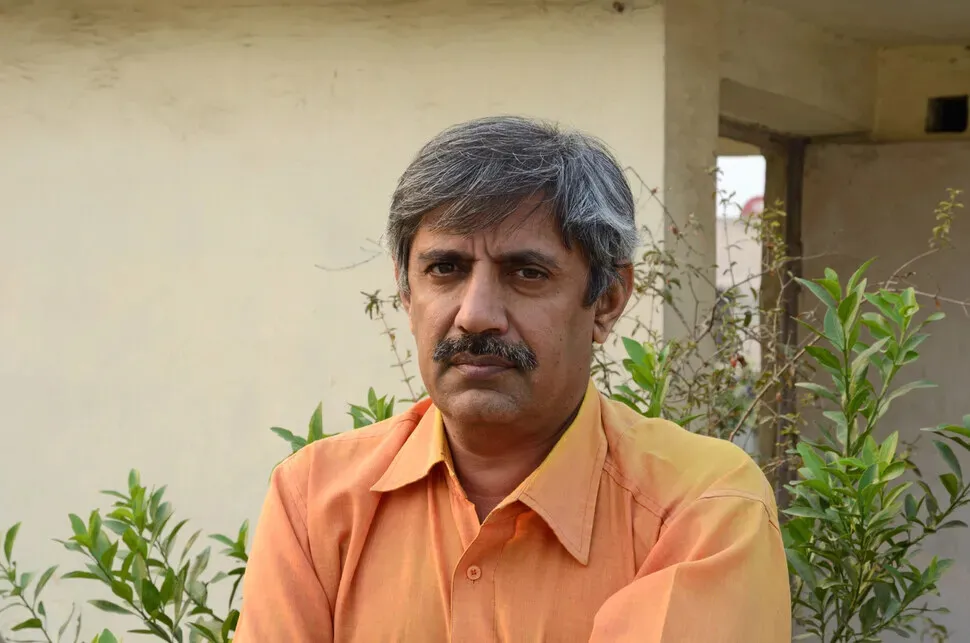
Himanshu Thakkar, the coordinator of the India-based South Asia Network on Dams, Rivers & People. (courtesy Thakkar)
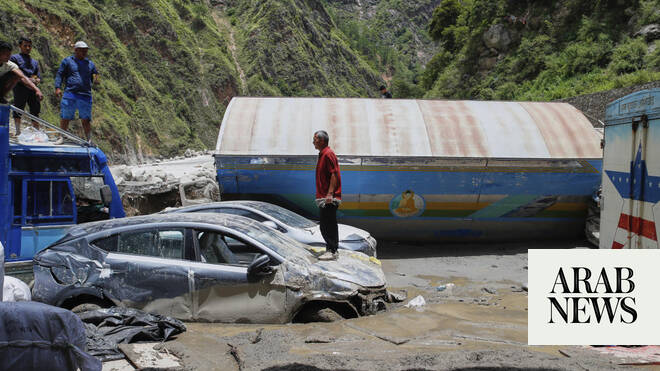
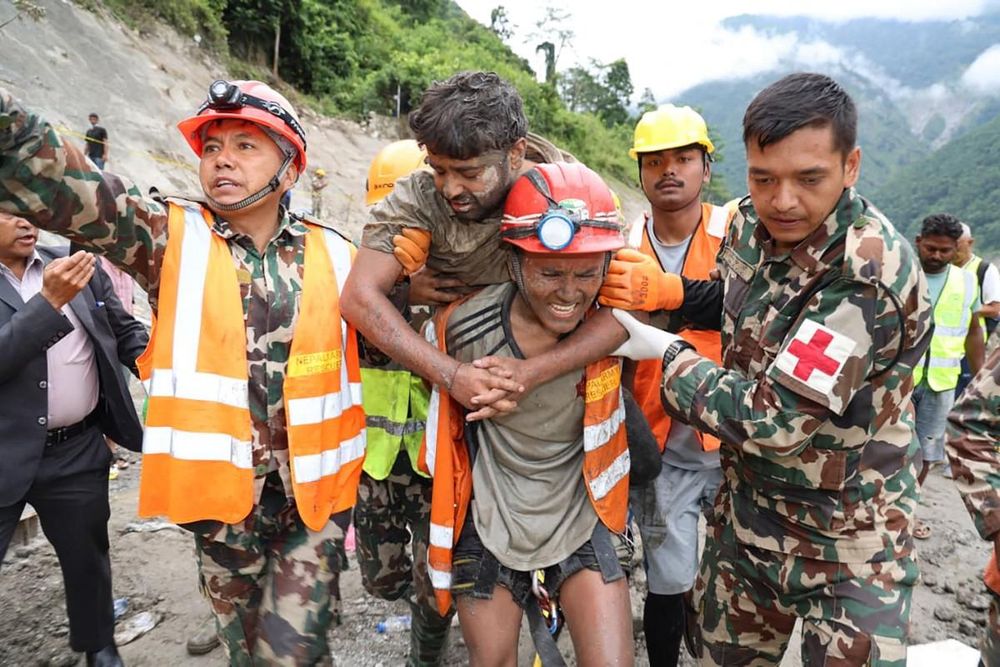
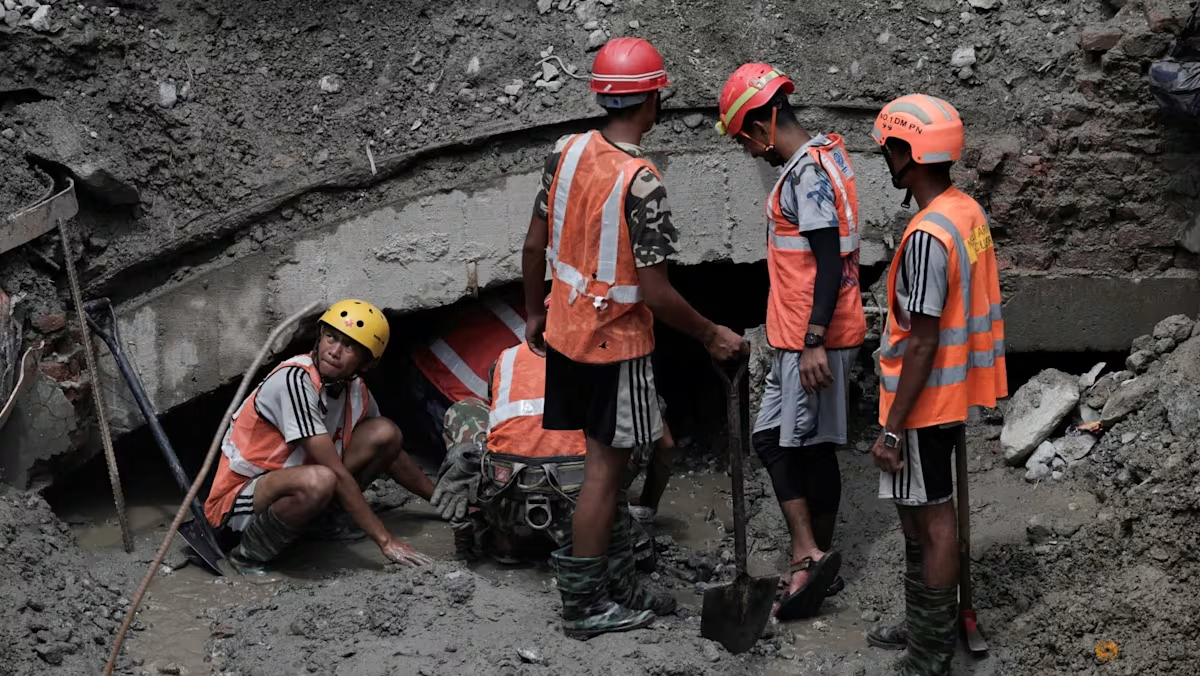
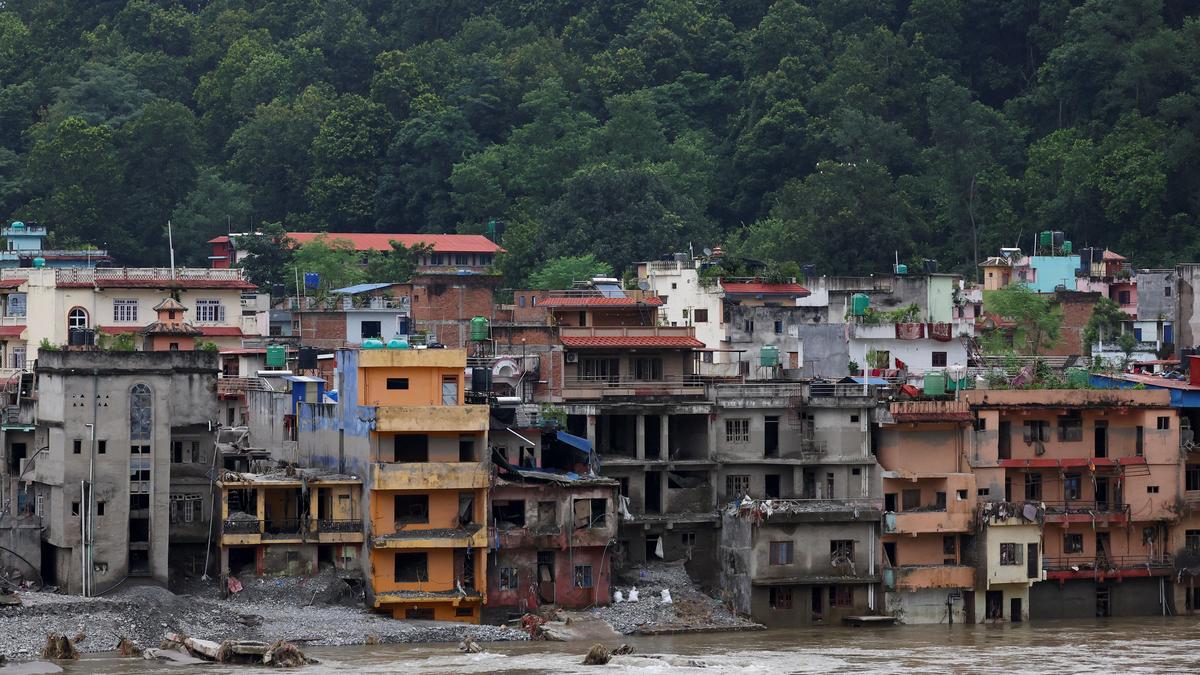
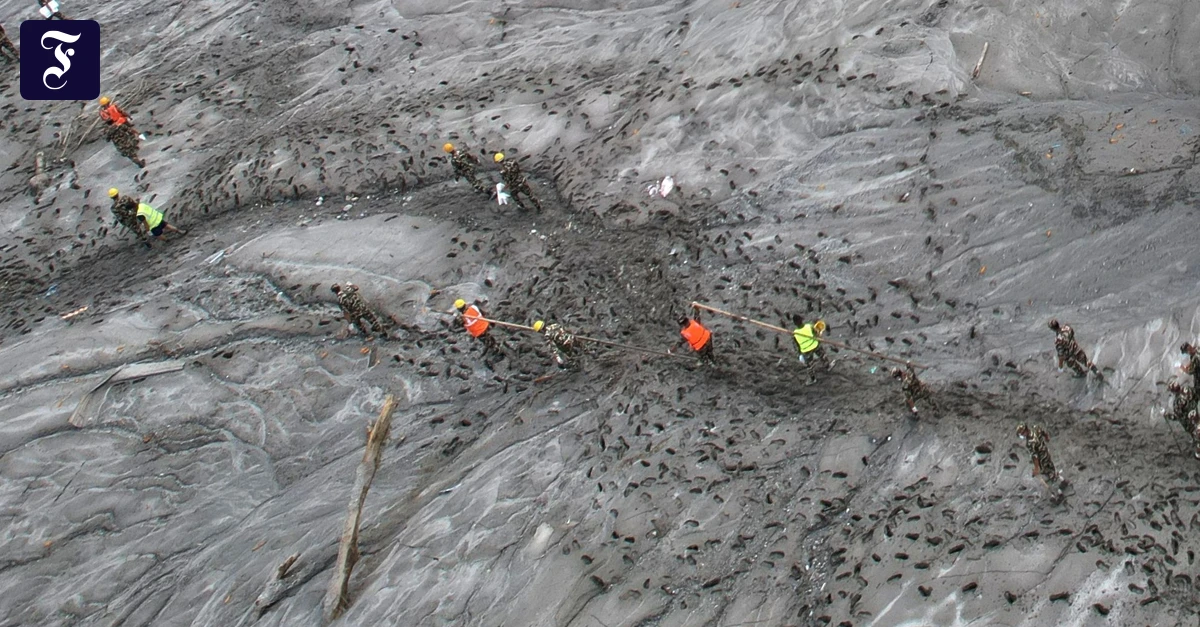
The India-based nonprofit South Asia Network on Dams, Rivers & People, or SANDRP, has spent the last 28 years raising issues about the monitoring of water resources in the Himalayan region. “Every hydropower project involves most of these: dams, tunnels, blasting, deforestation, displacement, submergence, drying up rivers downstream, muck dumping, mining of materials, approach roads, and town strips, etc,” said Himanshu Thakkar, the network’s coordinator, in a written interview with the Hankyoreh on Wednesday. “Each of these tends to increase the disaster vulnerability of the landscape,” he noted. But even after plants are built and up and running, they often “increase vulnerabilities by creating avoidable floods in downstream areas,” he said.Thakkar emphasized that a lack of early warning systems, disaster preparedness and disaster management plans, and a lack of accountability in governance, all exacerbate the issue. Despite the same types of “accidents” occurring over and over again, Thakkar said the region is “likely to face more tragedies” as “there is no serious attempt to learn lessons from disasters.”The following interview has been lightly edited for clarity. Hankyoreh: Could you please briefly introduce yourself and SANDRP?Thakkar: SANDRP is a research cum networking organization, focusing on Dams, Rivers and related issues mostly in India, but also including South Asia and beyond to the extent it is relevant. SANDRP has been in existence for about 28 years. I am the coordinator of SANDRP. Hankyoreh: It’s been reported that 11 hydropower projects across the Rasuwa and Nuwakot regions, including the Upper Trishuli-1 site, were damaged in the recent floods and landslides. Why are facilities like these so concentrated in such a mountainous area where construction must be difficult? Thakkar: Hydropower projects in mountain regions are seen as an opportunity, since the landscape provides big elevation drops along the rivers here. This is converted into projects when there is not sufficient due diligence, including credible social and environmental impact assessments, disaster vulnerability assessments, cumulative impact assessments, necessary landscape-based studies, including geology, meteorology, climate change, and other related aspects — particularly when there is a lack of accountability in governance. Hankyoreh: As for what may have caused this disaster, many scientists suggest the possibility that rising temperatures due to climate change have caused glacial melt that is now weakening the ground. If that is the case, the risks associated with major construction of infrastructure in such areas can be expected to increase — something your organization has warned of. Could you explain how climate change is affecting hydropower projects and why that is?Thakkar: Indeed, this very specific area has seen several disasters in recent years, including in July 2025 and September 2024, when hydropower projects and other infrastructure suffered damage. We have repeatedly seen across the South Asian Himalayan region that hydropower projects act like force multipliers during disasters. The construction and operation of hydropower projects also increase disaster vulnerabilities. And when the projects are taken up without due diligence, without credible studies, without early warning systems, disaster preparedness and disaster management plans, we see repeated tragedies like the current one. Hankyoreh: I understand that various international funds, including the International Finance Corporation under the World Bank, have invested in hydropower projects here. Given that investors appear to have been aware that climate change is increasing the risk of accidents, why do you think no substantive measures were taken to monitor or address this risk?Thakkar: I assume they are seeing these projects as “business as usual” projects. And they know they will get away with shoddy [studies] or no studies or necessary measures. They also possibly assume that not all projects in such regions will be hit by disasters, and that even when they do, they can get away with calling them green, climate-resilient measures, certifying hydro projects as green, clean projects when they are not. Hankyoreh: While climate change may exacerbate the potential damage to hydroelectric projects in this region, conversely, it appears that the construction process itself could increase the risk of disaster. I understand that SANDRP has actively raised these risks. What evidence is there to support these claims?Thakkar: Every hydropower project involves most of these: dams, tunnels, blasting, deforestation, displacement, submergence, drying up rivers downstream, muck dumping, mining of materials, approach roads, and town strips, etc. Each of these tends to increase the disaster vulnerability of the landscape. During operation, too, these projects often increase vulnerabilities by creating avoidable floods in downstream areas. Lack of early warning systems, disaster management plans and their implementation, and lack of accountability in governance mean they further increase disaster impacts. Since there is no serious attempt to learn lessons from disasters, we are likely to face more tragedies. Hankyoreh: A comprehensive review of hydropower projects in this region is expected to be inevitable going forward. What measures should be taken, and what are the key points SANDRP is arguing? Thakkar: Yes, also an independent review of under-construction and damaged operating hydropower projects may be in order. The reviews have to be done by a team of INDEPENDENT experts, not involving any conflict of interest. Moreover, a credible cumulative impact assessment is also necessary, as well as a climate change assessment of this specific region. An assessment of what happened in this disaster and what lessons can be learnt is also necessary. Bilateral climate monitoring efforts between Nepal and China, and also between India and Nepal, should begin along with information-sharing agreements and protocols. A review of the involvement of international funding of various kinds, including bilateral (including South Korean) funds, should also happen before going forward. All the agencies need to follow the guidelines of the World Commission on Dams in taking up hydropower projects.By Choi Won-hyung, staff reporterPlease direct questions or comments to [english@hani.co.kr]