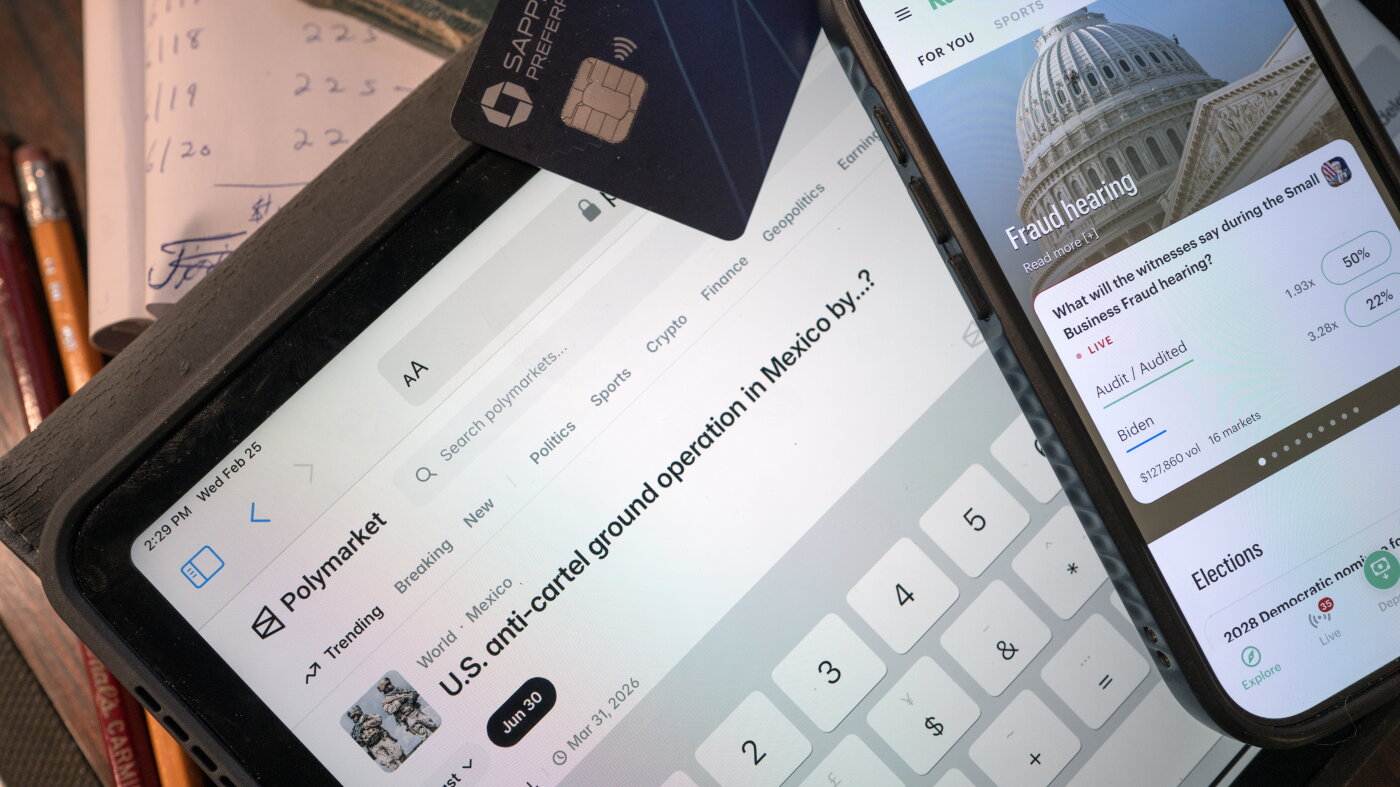
New Jersey regulates gambling and prohibits betting on college sports entirely but hasn’t been able to enforce its laws against Kalshi. New Jersey’s petition asked the Supreme Court to determine “whether the 2010 Dodd-Frank Wall Street Reform and Consumer Protection Act preempted States from regulating sports bets that occur within their jurisdictions if those bets are offered on markets registered with the Commodity Futures Trading Commission.”
New Jersey’s petition said that “if Kalshi is right that it can offer sports bets on federal exchanges irrespective of state law, companies can disregard all state sports-gambling statutes with ease, so long as they register with the CFTC.” New Jersey said the 3rd Circuit decision is “profoundly wrong.”
Defining sports bets as swaps
The more specific legal question is whether the US law’s definition of a swap includes sports bets. The Dodd-Frank Act amended the Commodity Exchange Act to give the CFTC exclusive jurisdiction over swaps and defined “swap” as “any agreement, contract, or transaction… that provides for any purchase, sale, payment, or delivery… that is dependent on the occurrence, nonoccurrence, or the extent of the occurrence of an event or contingency associated with a potential financial, economic, or commercial consequence.”