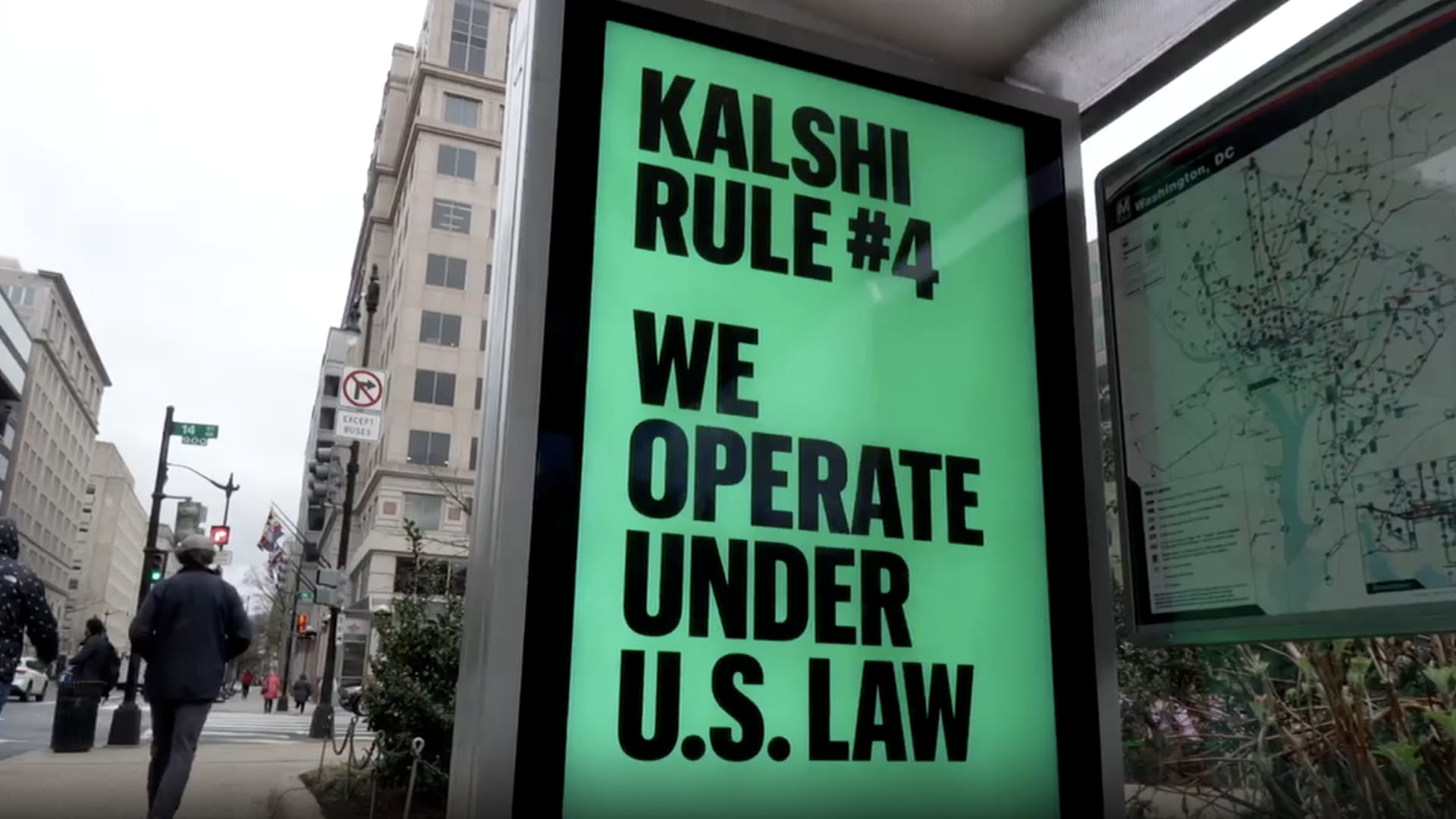
Two federal courts of appeals have now issued conflicting decisions on whether federal law preempts states from enforcing their sports betting laws against Kalshi and other prediction-market operators.
Last Friday, a panel of three judges appointed by President Donald Trump on the U.S. Court of Appeals for the 9th Circuit ruled for Nevada and against Kalshi, finding that sports event contracts aren’t swaps and instead constitute sports bets. The ruling means Nevada can apply its sports betting laws and require prediction-market operators to obtain gaming licenses if they want to serve customers in the state—something those firms are unwilling (and arguably unable) to do.
The 9th Circuit’s ruling conflicts with one issued by the U.S. Court of Appeals for the 3rd Circuit in April, when two of the three judges agreed with Kalshi that sports event contracts are swaps and that the Commodity Exchange Act (CEA) preempts New Jersey and other state laws that directly interfere with swaps traded on a designated contract market licensed by the Commodity Futures Trading Commission (CFTC).
This means there’s now a circuit split over prediction markets.
Why a circuit split matters for sports prediction markets