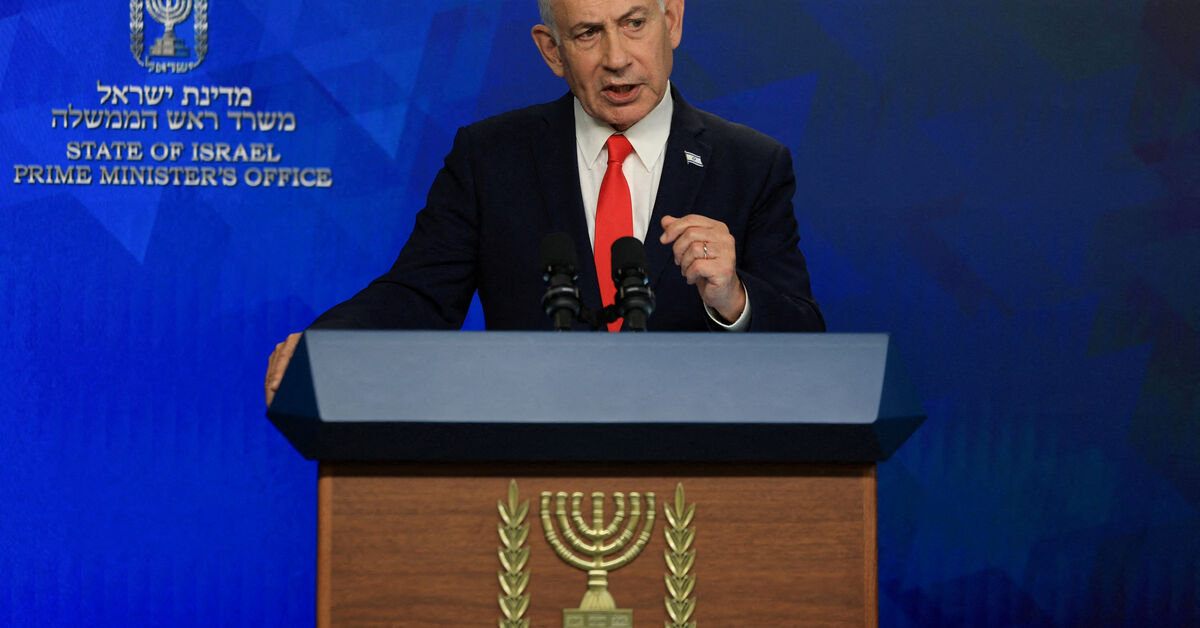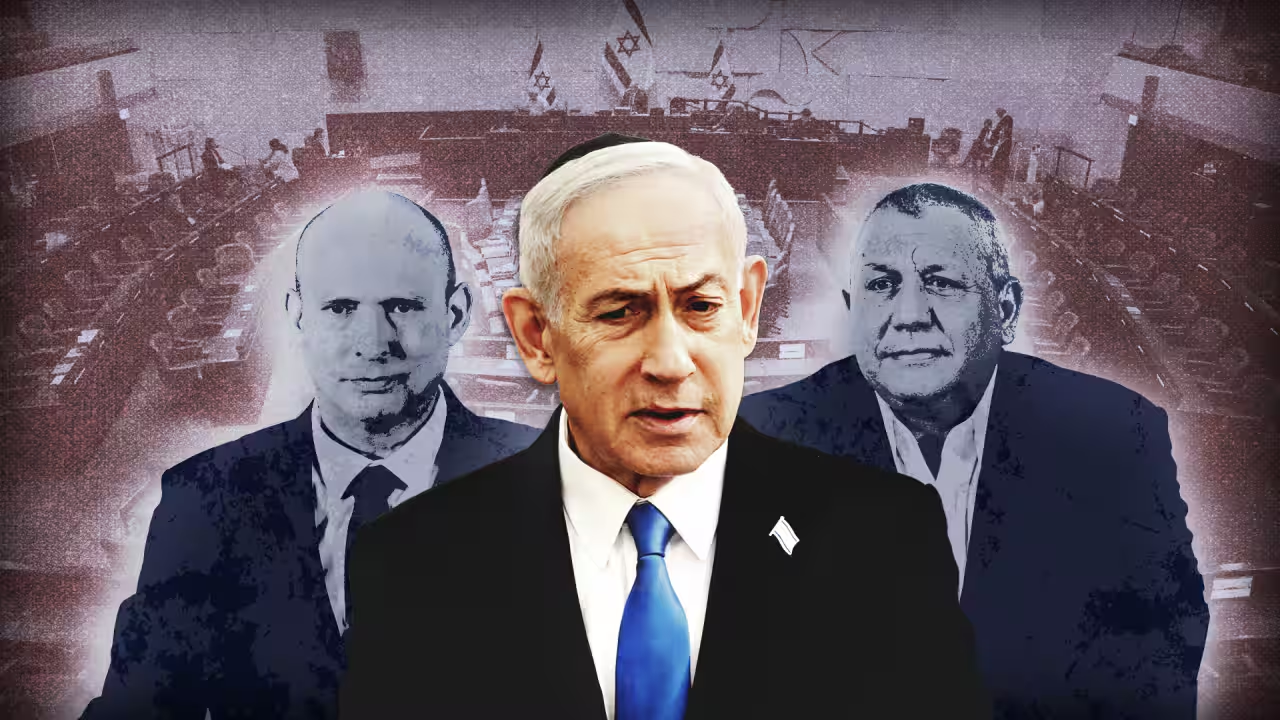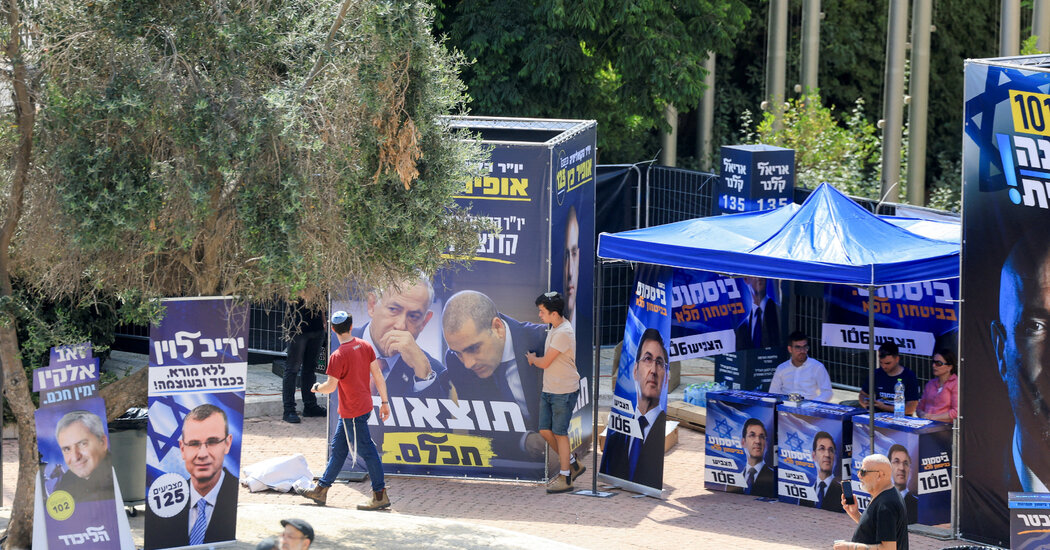
AdvertisementSKIP ADVERTISEMENTYou have a preview view of this article while we are checking your access. When we have confirmed access, the full article content will load.The contest is shaping up to be a referendum on Prime Minister Benjamin Netanyahu. It is considered the most consequential in Israel’s history.Listen · 9:40 min A campaign event in Jerusalem last month for the Likud party, led by Prime Minister Benjamin Netanyahu.Credit...Ronen Zvulun/ReutersSept. 9, 2026, 5:06 a.m. ETIsrael’s political parties have finalized their candidate slates ahead of a general election on Oct. 27, which many Israelis and outside observers consider to be the most consequential vote in the country’s history.The campaign so far has been dominated by a battle between Benjamin Netanyahu, Israel’s polarizing prime minister, and Gadi Eisenkot, a former military chief of staff who leads the largest opposition party. Polls show that neither man’s bloc has yet gained the support of a decisive majority of voters, and there is no guarantee that either of them will be the next prime minister.The result is an unpredictable race, with profound implications for Israelis and the millions of Palestinians living under Israeli occupation, as well as for the country’s regional conflicts, its international relations and the Jewish diaspora.About a dozen parties are expected to clear the electoral threshold to make it into Israel’s 120-seat Parliament, the Knesset. The real political wrangling begins after the election, when party leaders will try to forge a governing coalition of at least 61 lawmakers.The leading contendersLikud (Consolidation)Historically the largest conservative party; increasingly populist.Leader: Benjamin Netanyahu, 76.Thank you for your patience while we verify access. If you are in Reader mode please exit and log into your Times account, or subscribe for all of The Times.Thank you for your patience while we verify access.Already a subscriber? Log in.Want all of The Times? Subscribe.AdvertisementSKIP ADVERTISEMENT
Israel’s Election Campaign Is Heating Up. Here’s Who’s Running.
The contest is shaping up to be a referendum on Prime Minister Benjamin Netanyahu. It is considered the most consequential in Israel’s history.
304 words~1 min read