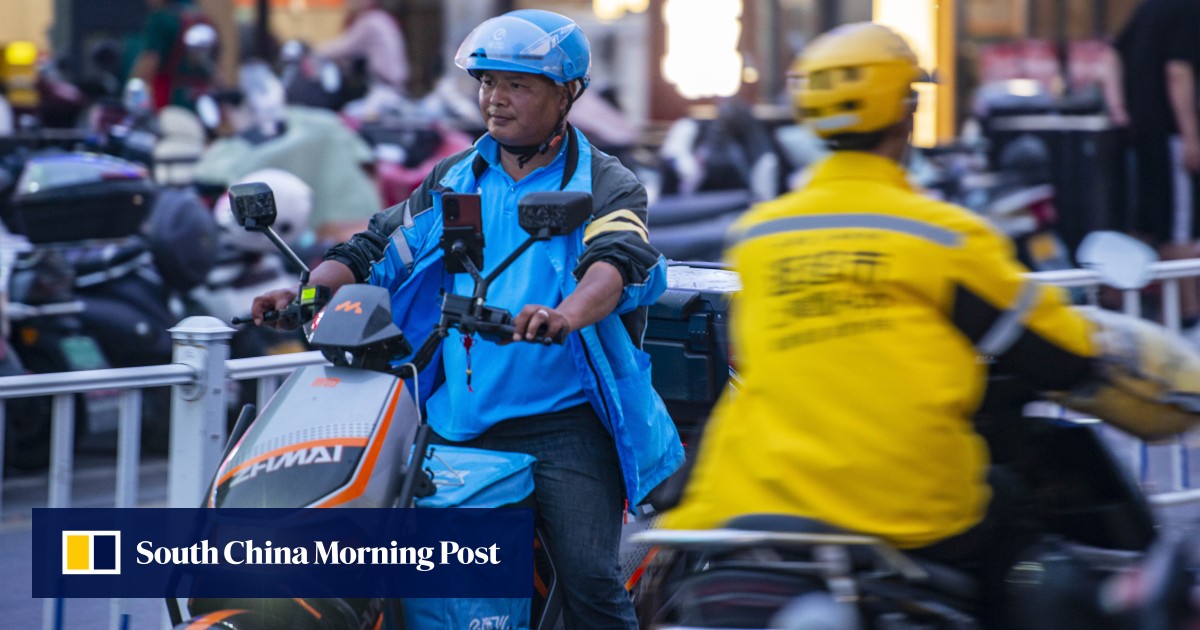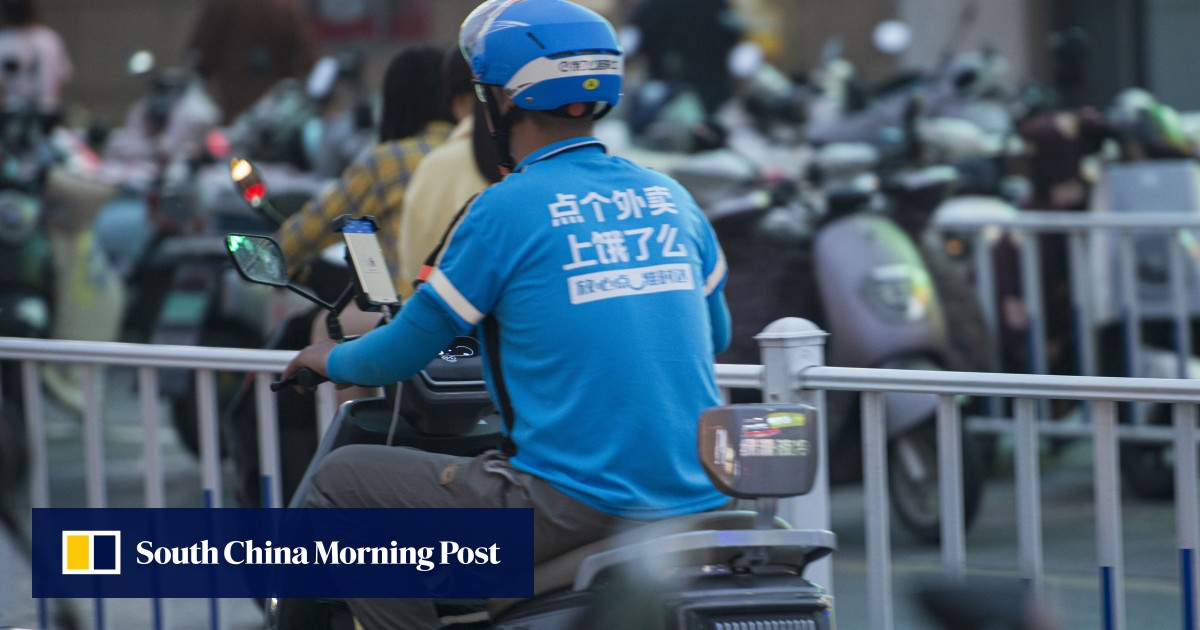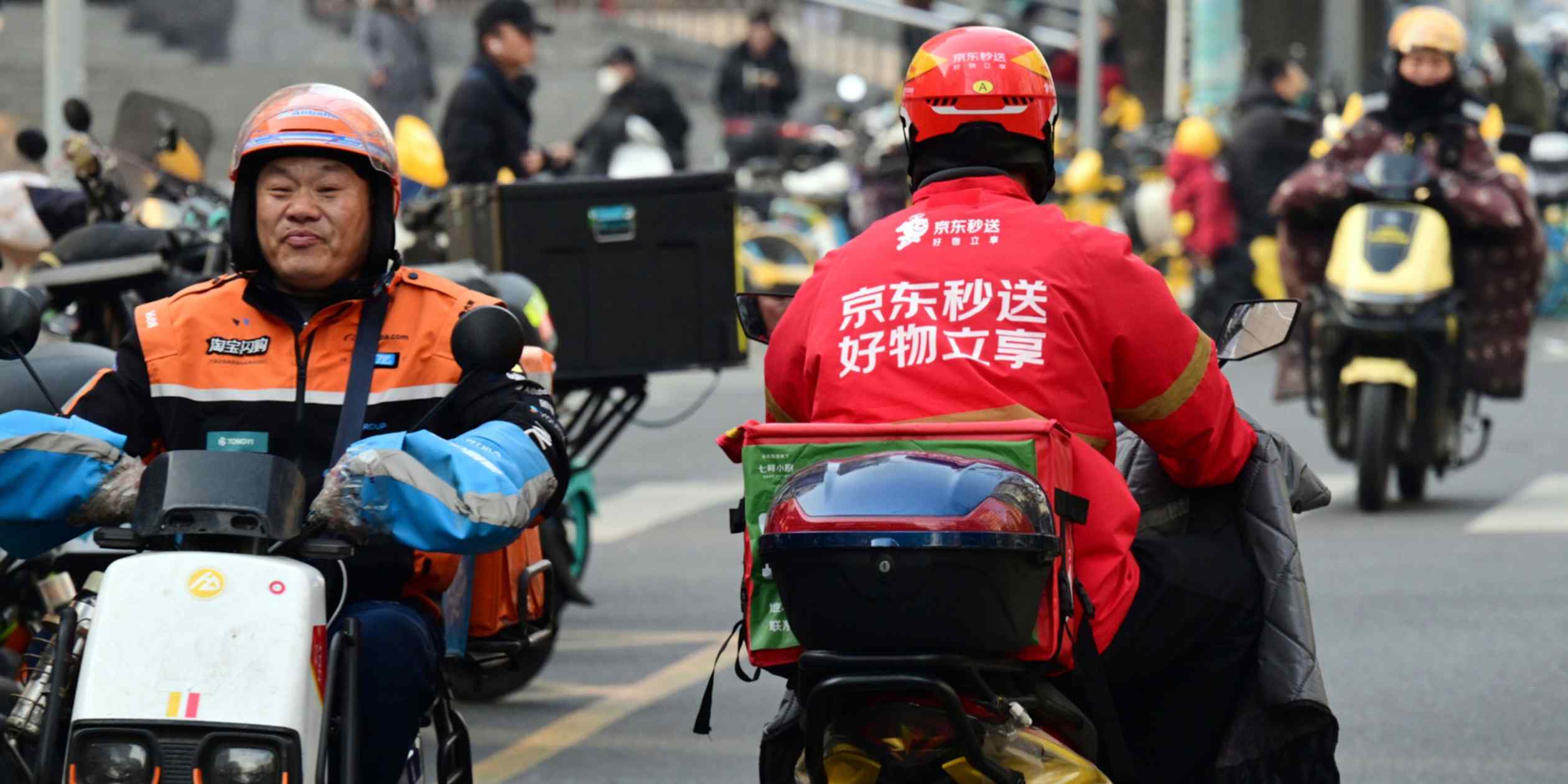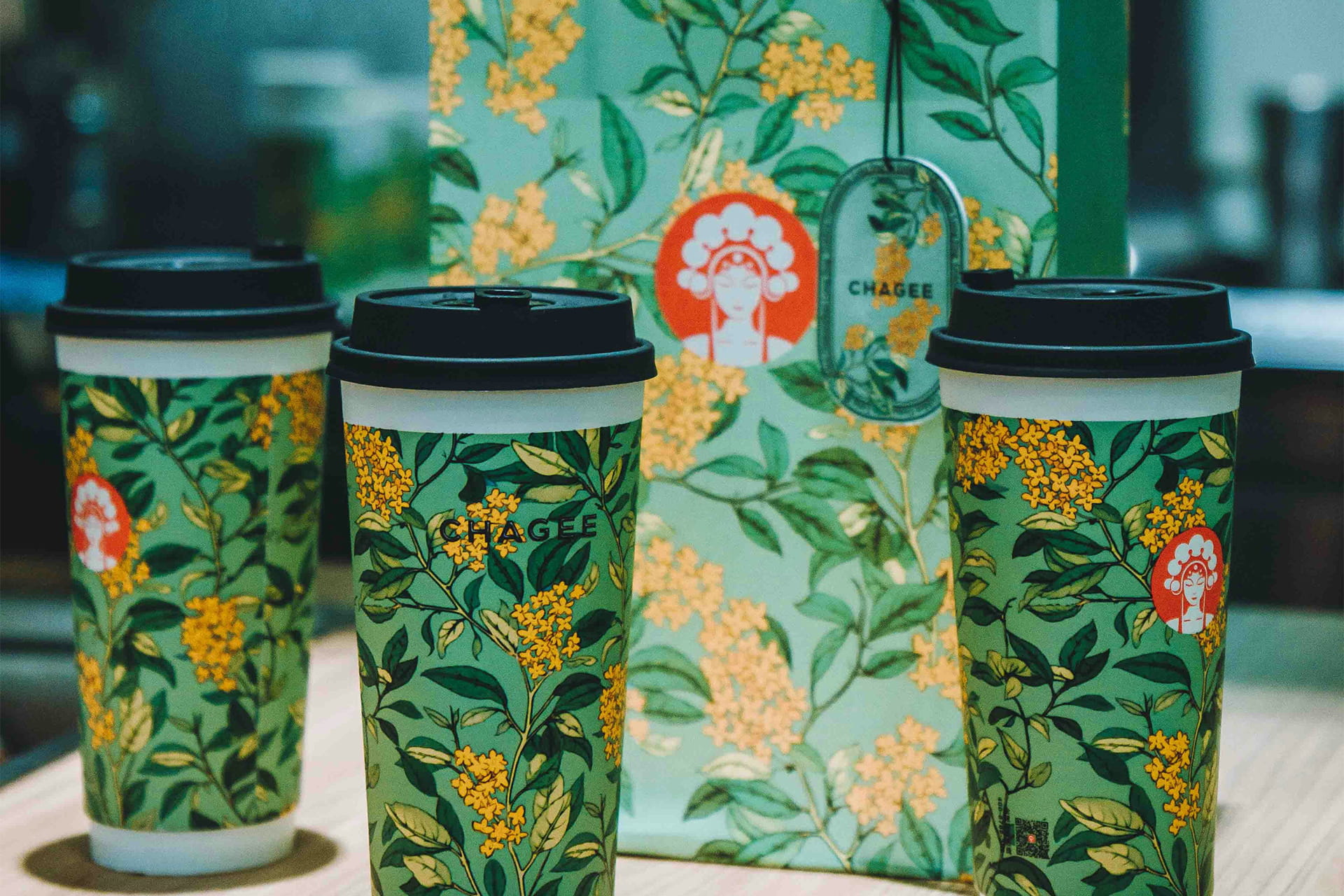
In 2025, China’s internet giants kicked off an unusually aggressive subsidy war over food delivery, with milk tea and coffee among the categories at its center.
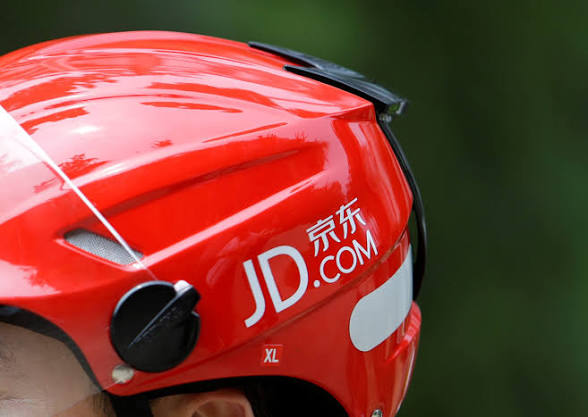
JD.com entered food delivery in April 2025. Soon after, high-frequency purchases such as tea drinks and coffee became a way for internet platforms to compete for users and orders. Subsidies pushed the price of some drinks down to just a few RMB, and in some cases effectively to zero, drawing widespread attention on Chinese social media.
The platforms generated the traffic, but tea chains also bore part of the cost. That intensified competition in a new-style tea market where brands were already fighting for growth.
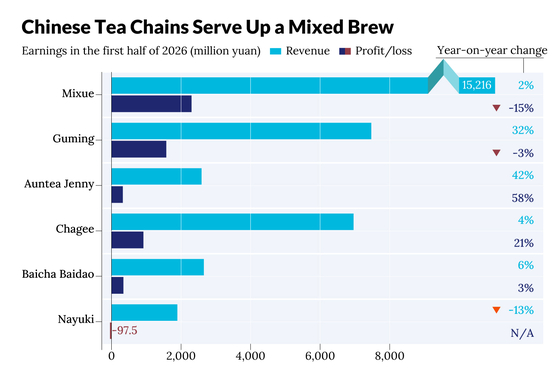
Since August, listed tea chains have been releasing their first-half results.
One leading brand reported negative same-store performance for two consecutive quarters, attributing the decline partly to a high comparison base created by food delivery platform subsidies a year earlier.