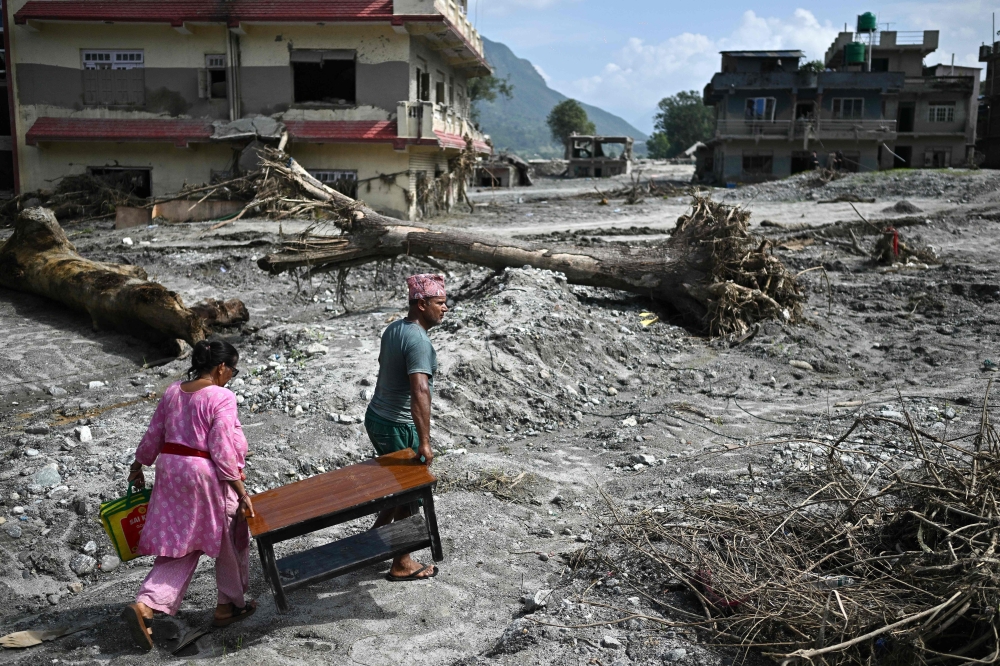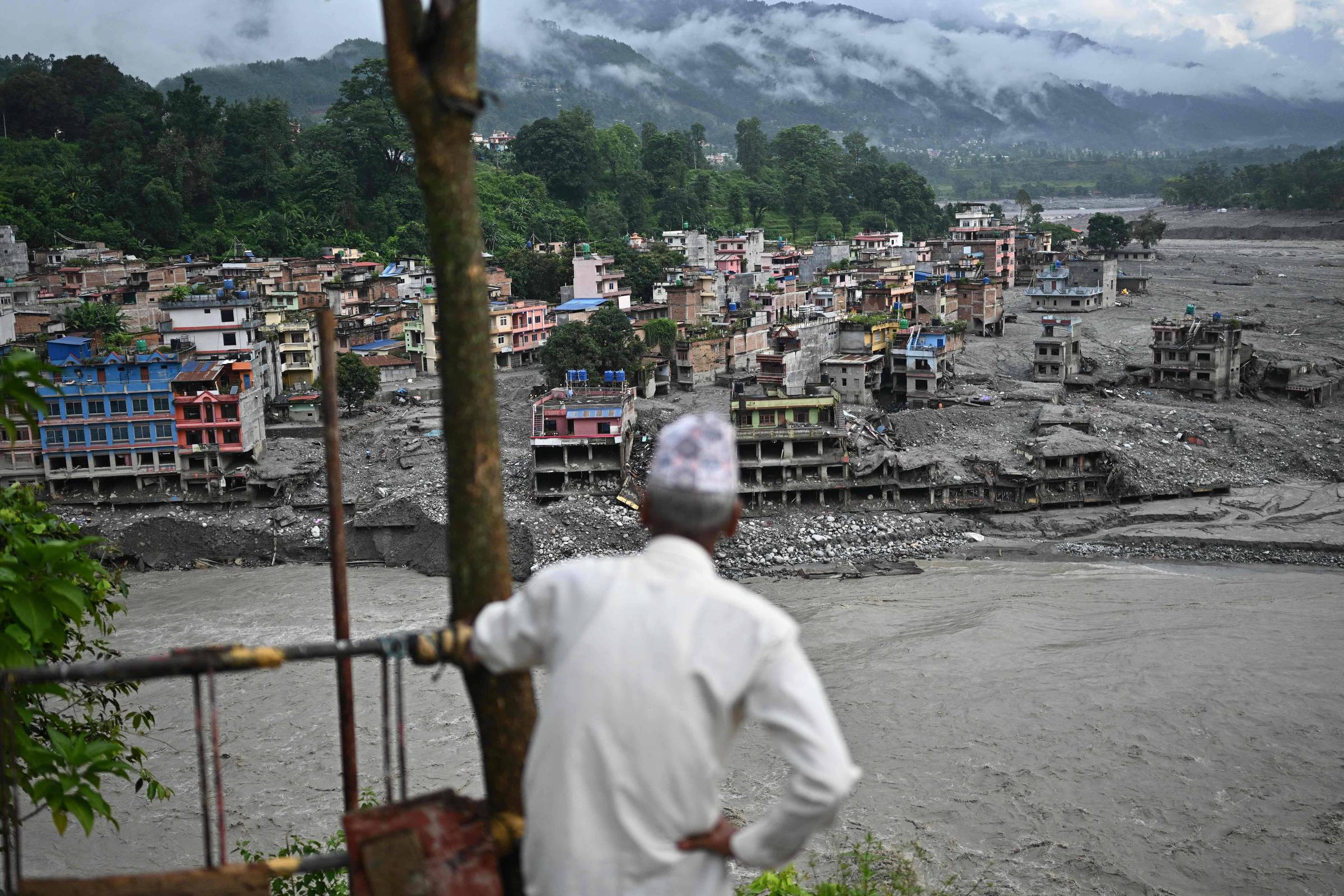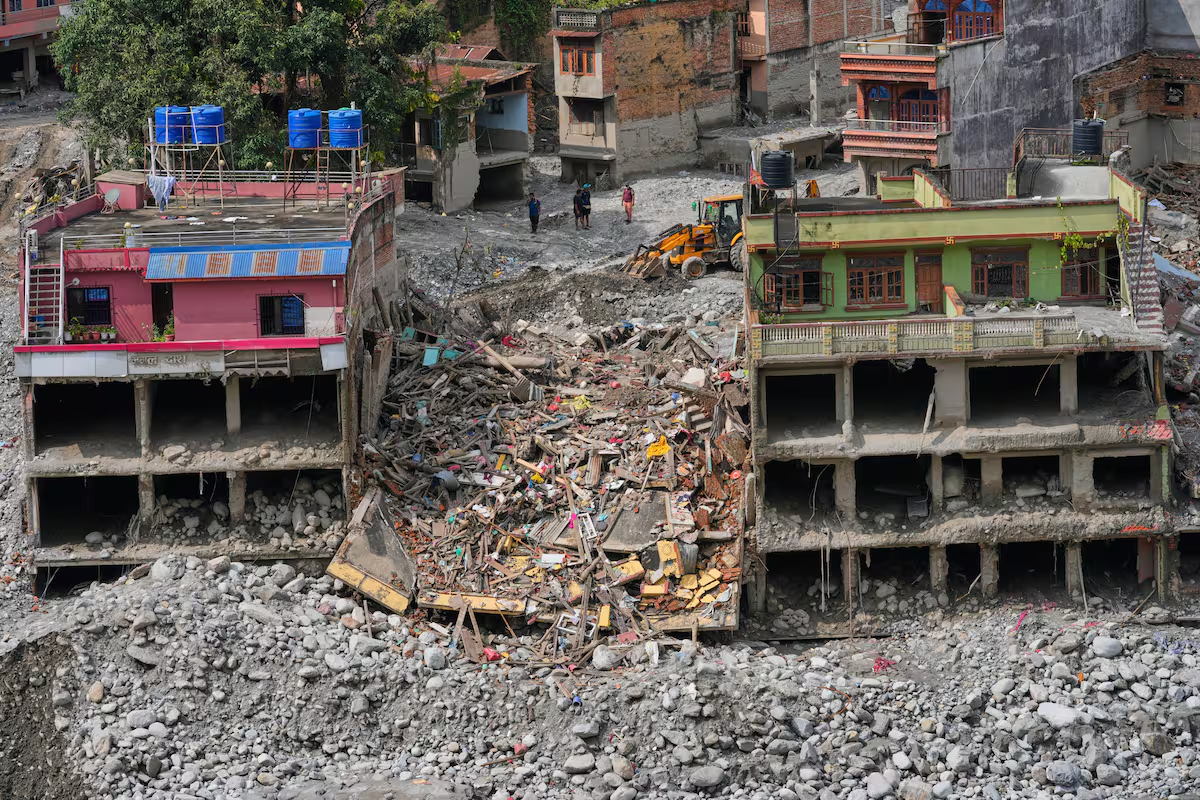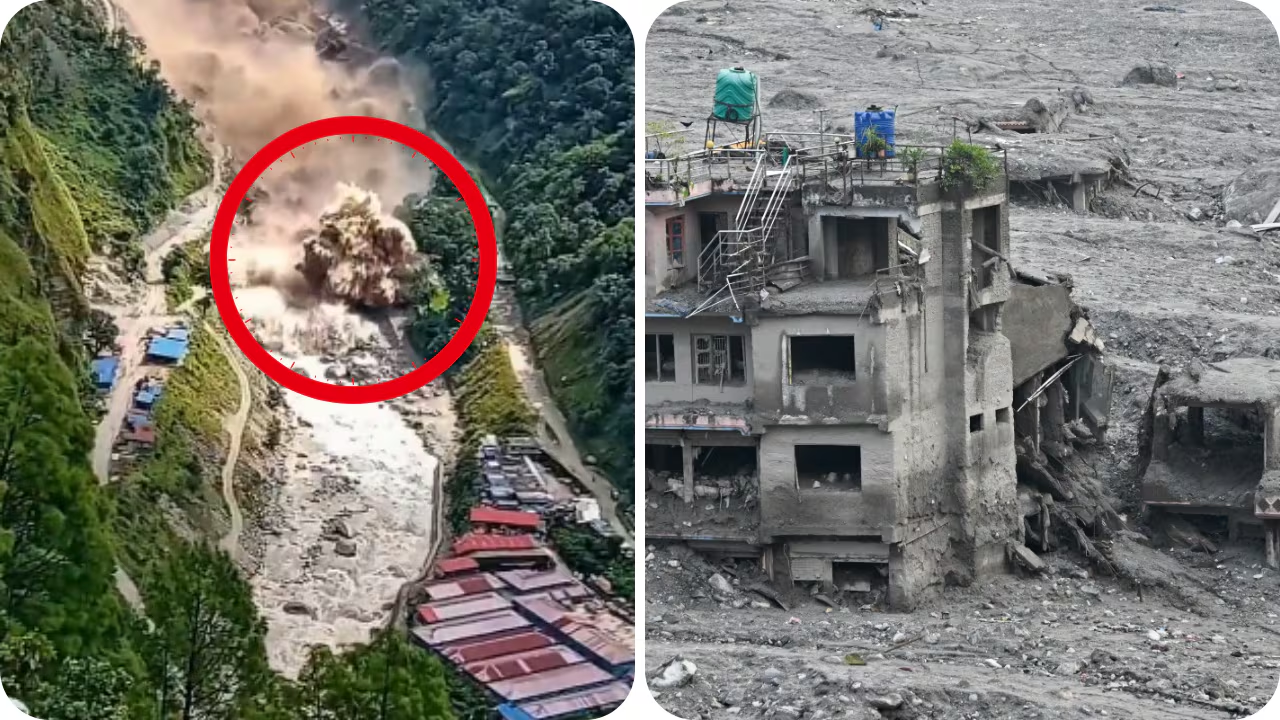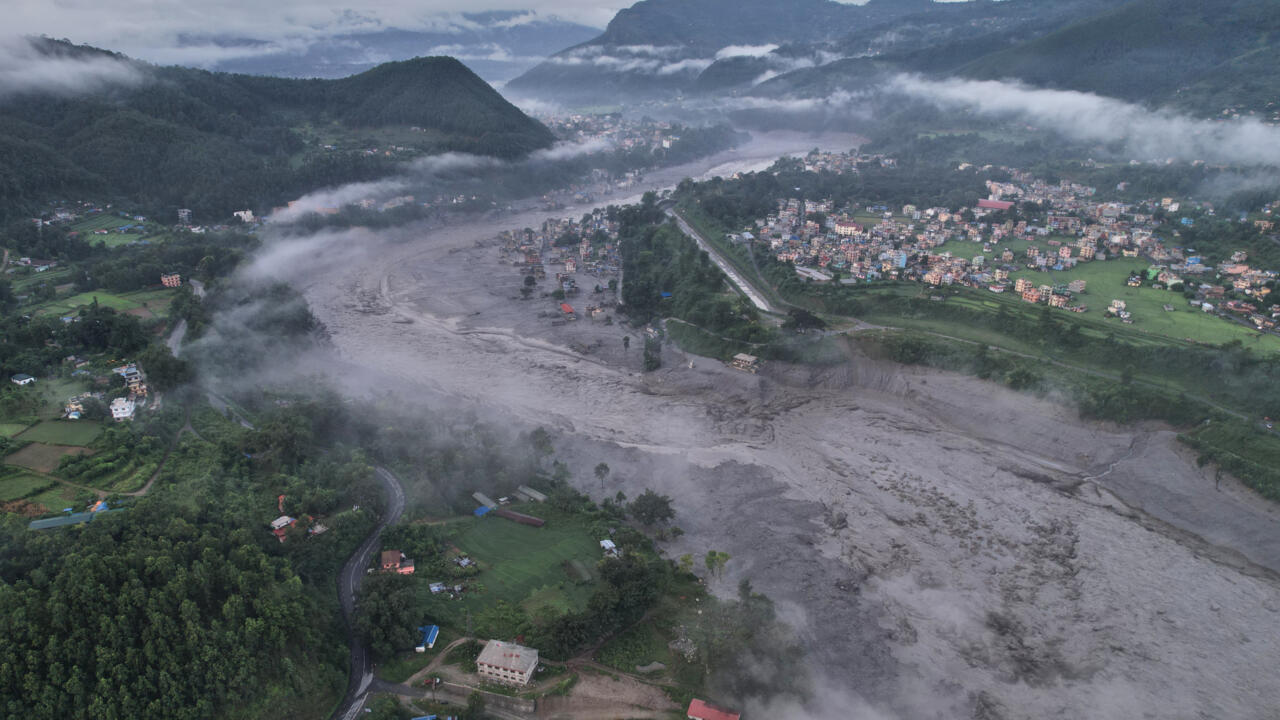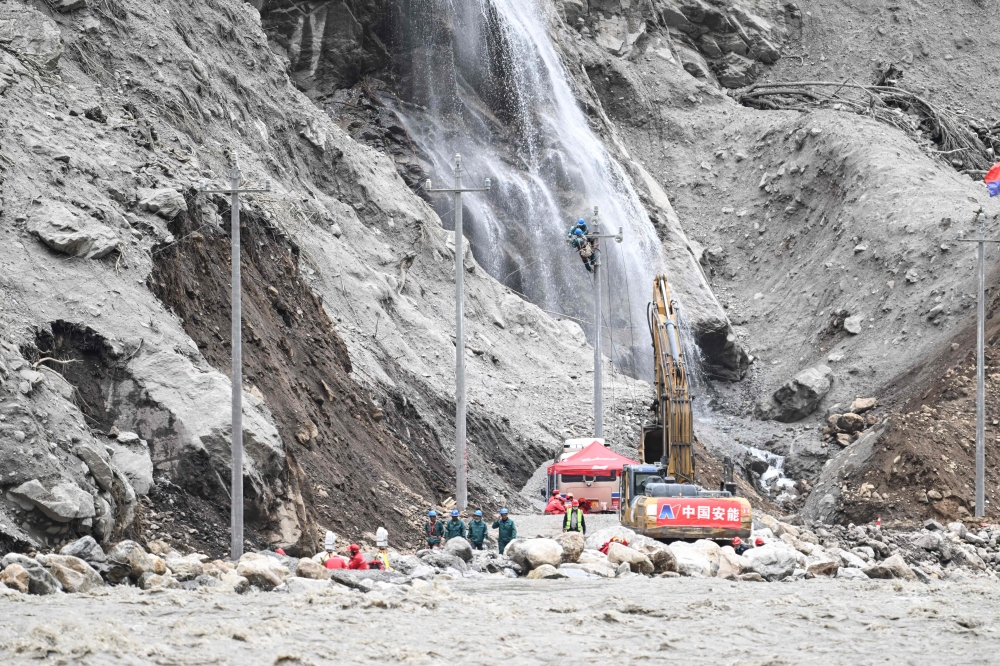
PARIS: The mountain section whose collapse triggered fatal floods in Nepal and China on August 26 had experienced unprecedented heat for the time of year, meteorological data analysed by a researcher shows.
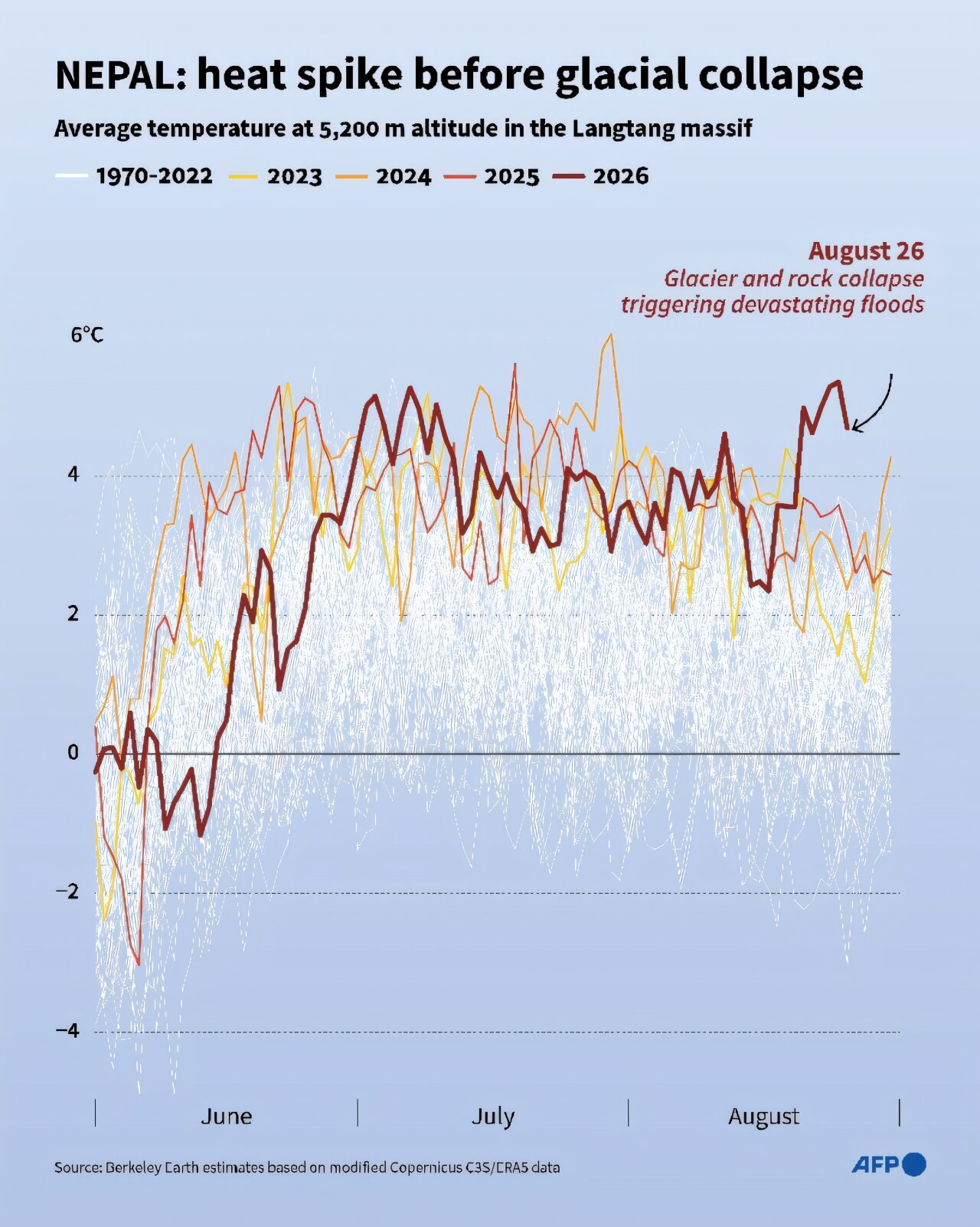
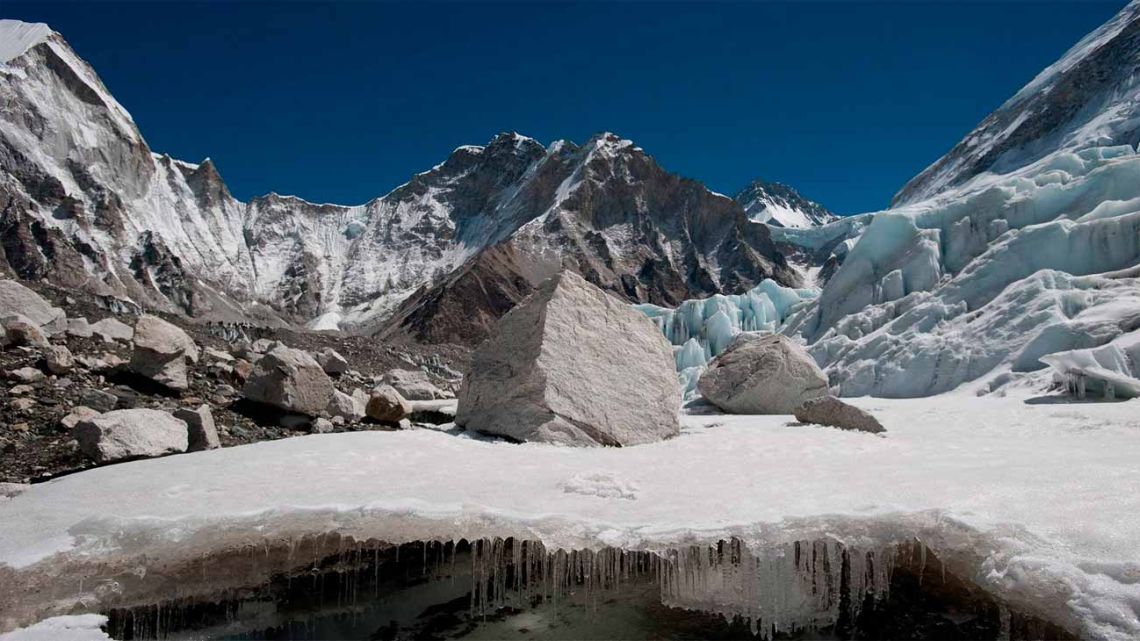
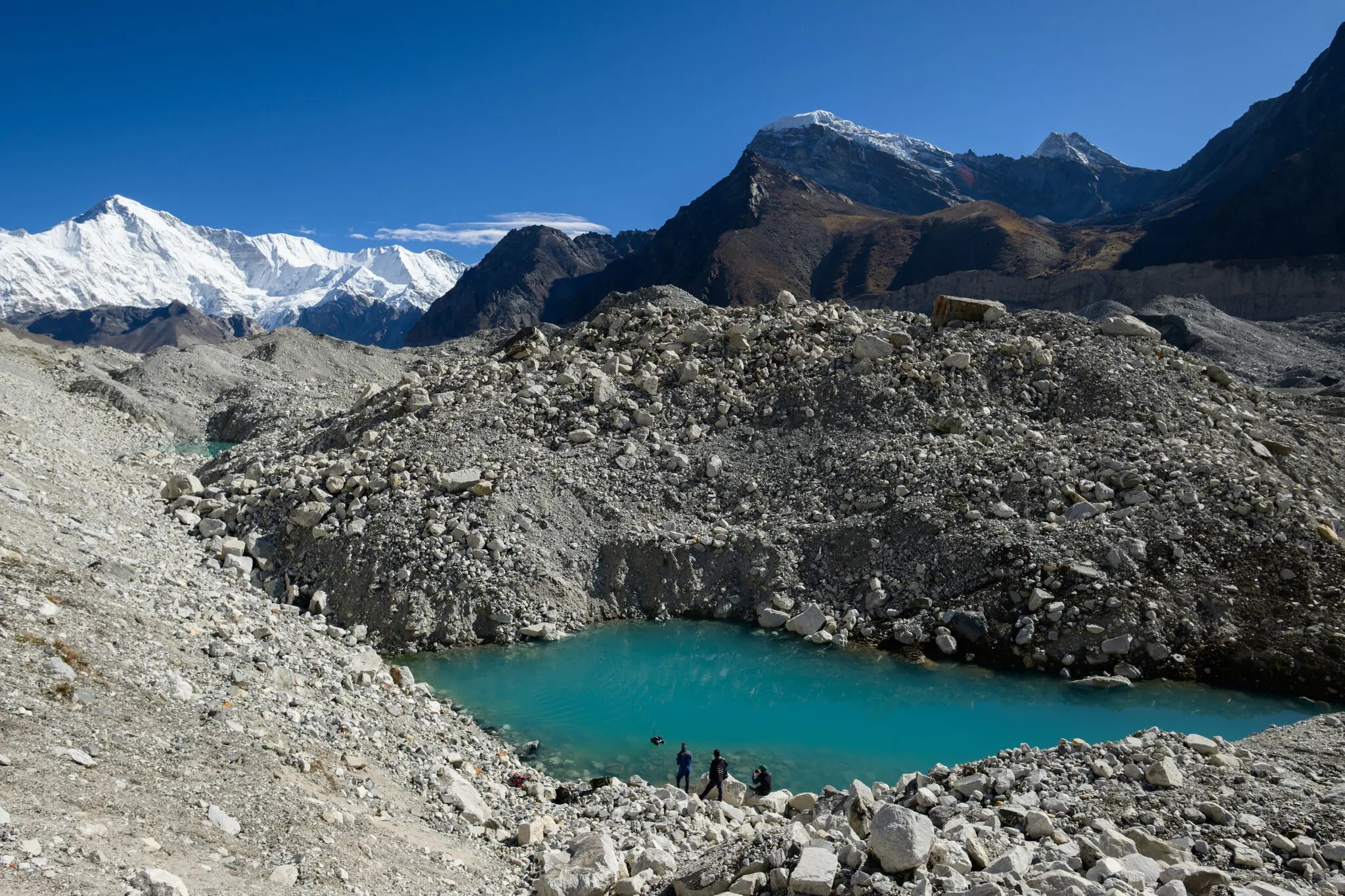
Average temperatures on the mountain glacier at an altitude of 5,200 metres (17,060 feet) were estimated at around five degrees Celsius between August 21 and 26.
This is exceptionally high. They had not exceeded 4.0C over the same period in more than 55 years of data recording, although no direct link to the collapse has so far been established.
This series of highly localised temperatures was reconstructed by Robert Rohde, chief scientist at the independent Berkeley Earth organisation in California. At the site of the collapse, the average temperature recorded over that six-day period has risen by about 1.8C since the mid-20th century.
Without the additional heat brought by climate change, a comparable temperature pattern “would probably occur only once in a few thousand years”, Rohde calculated.