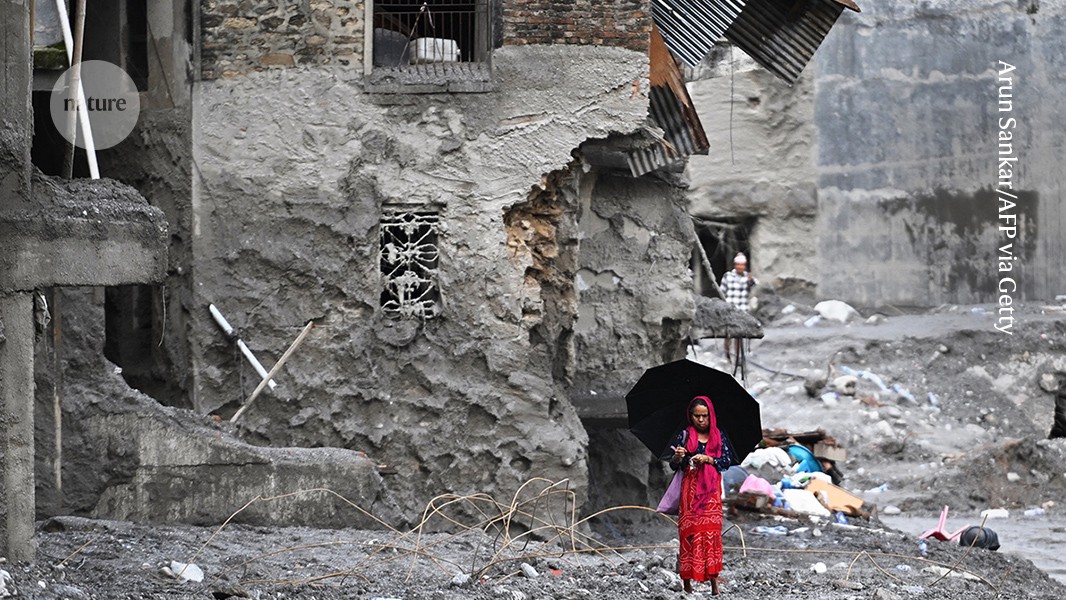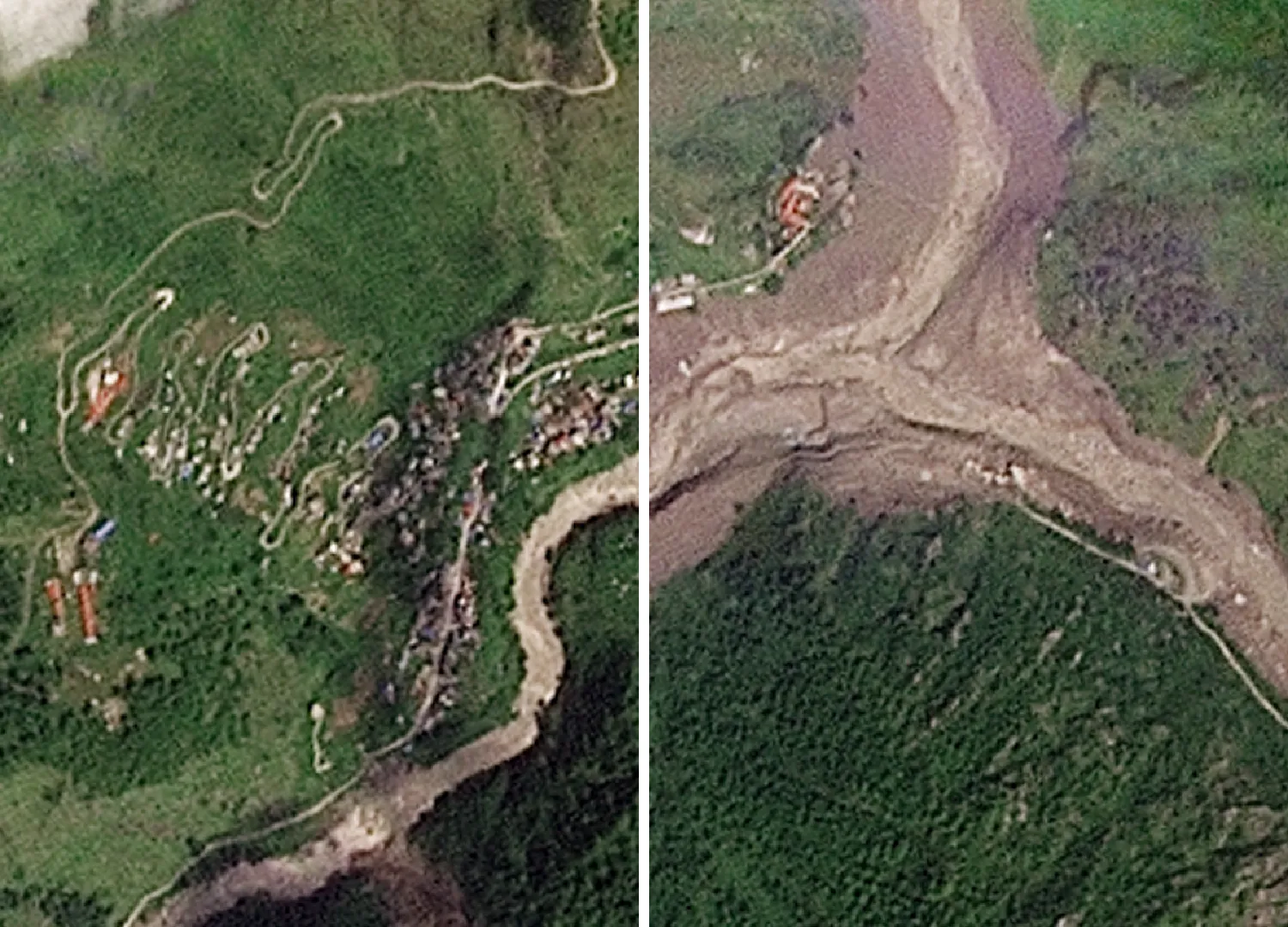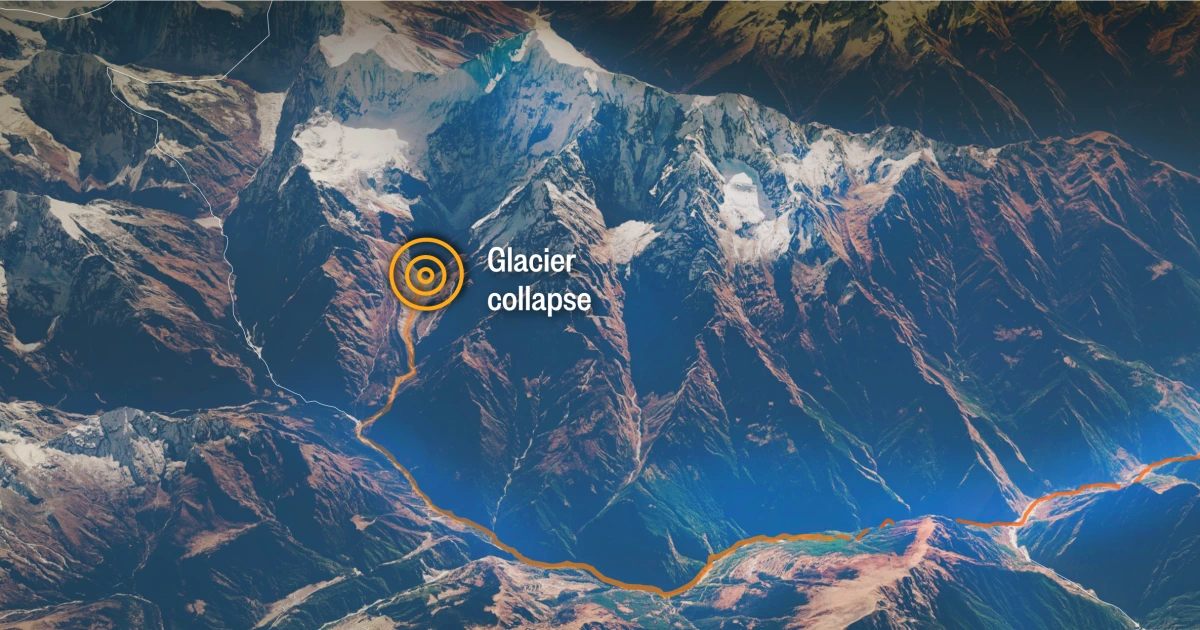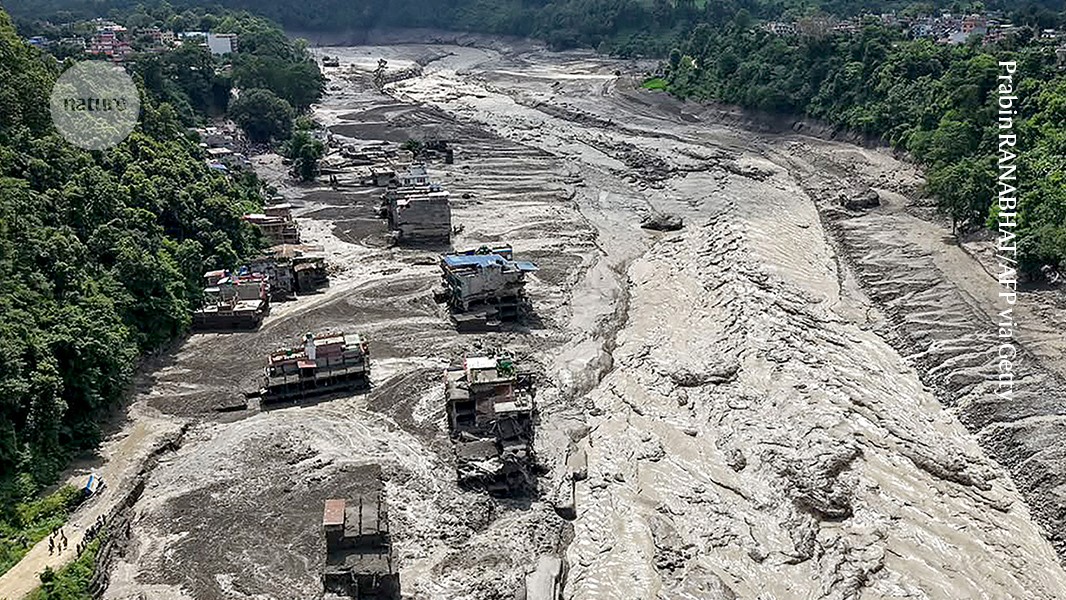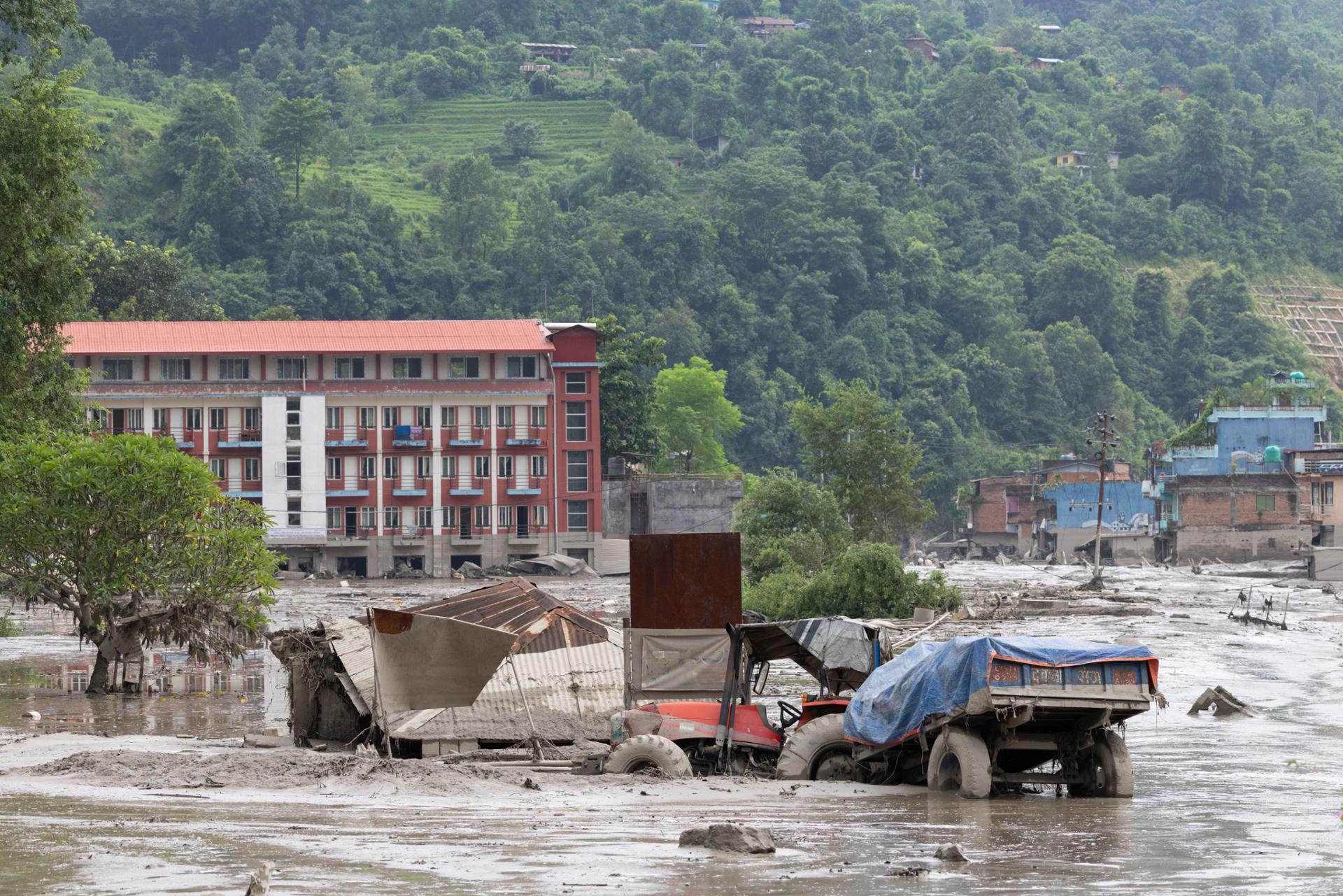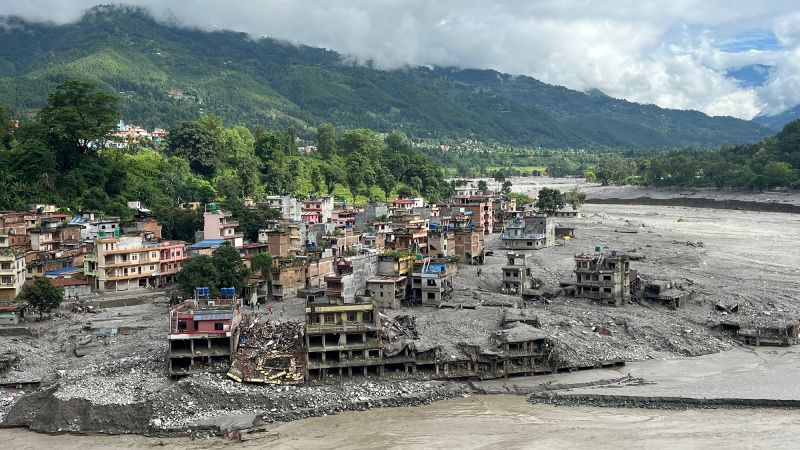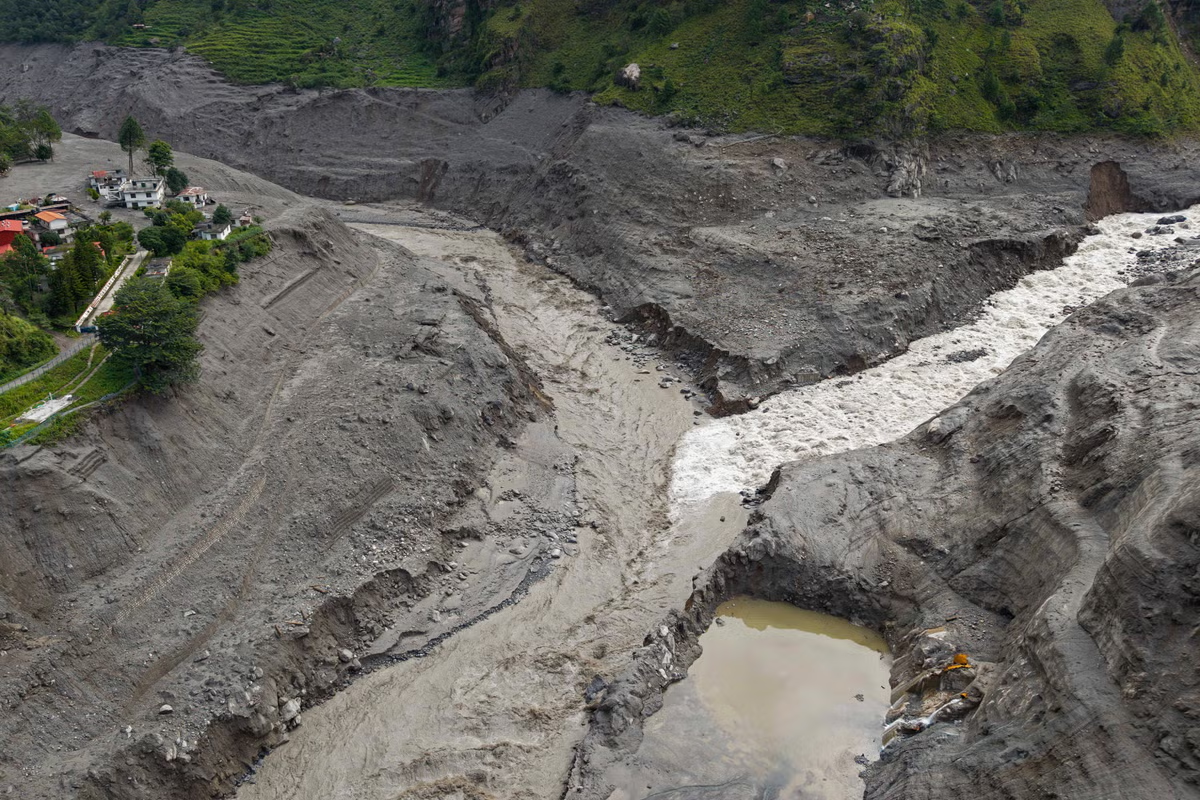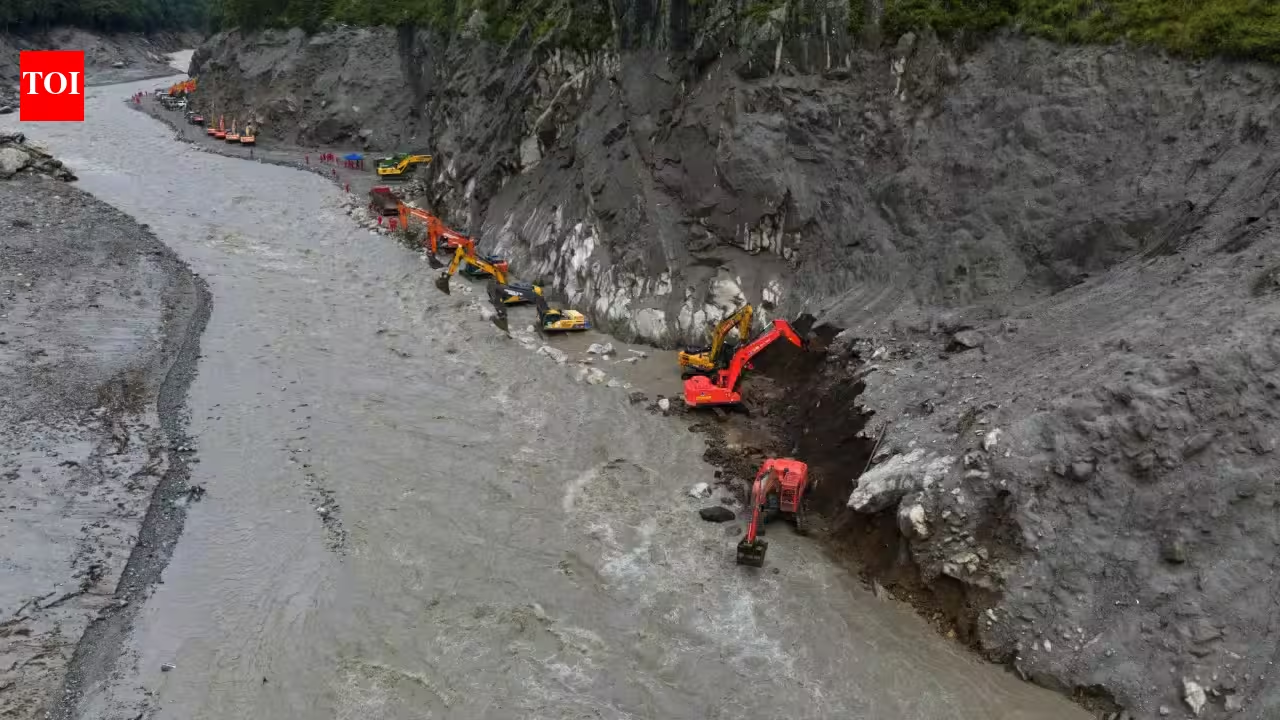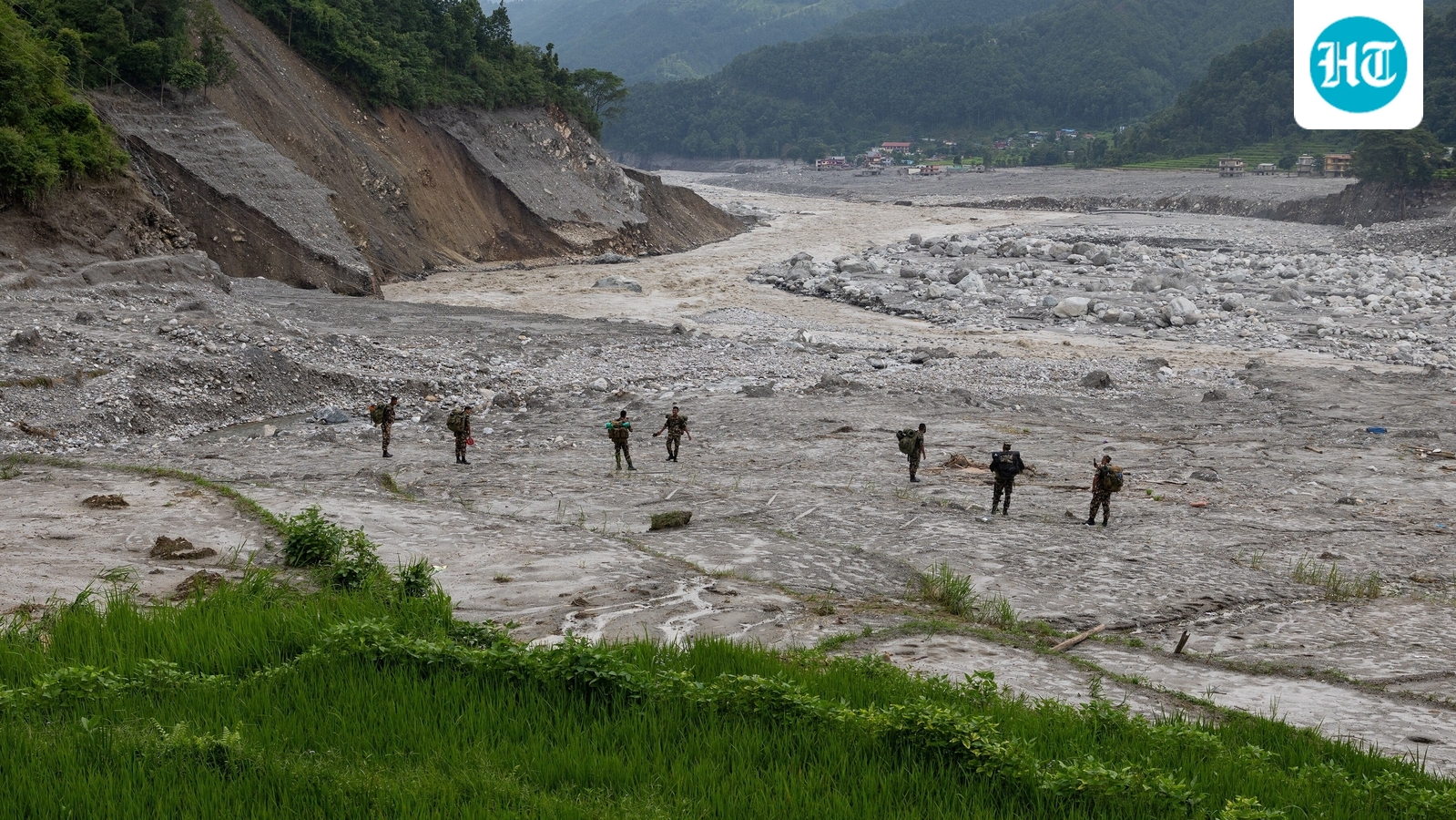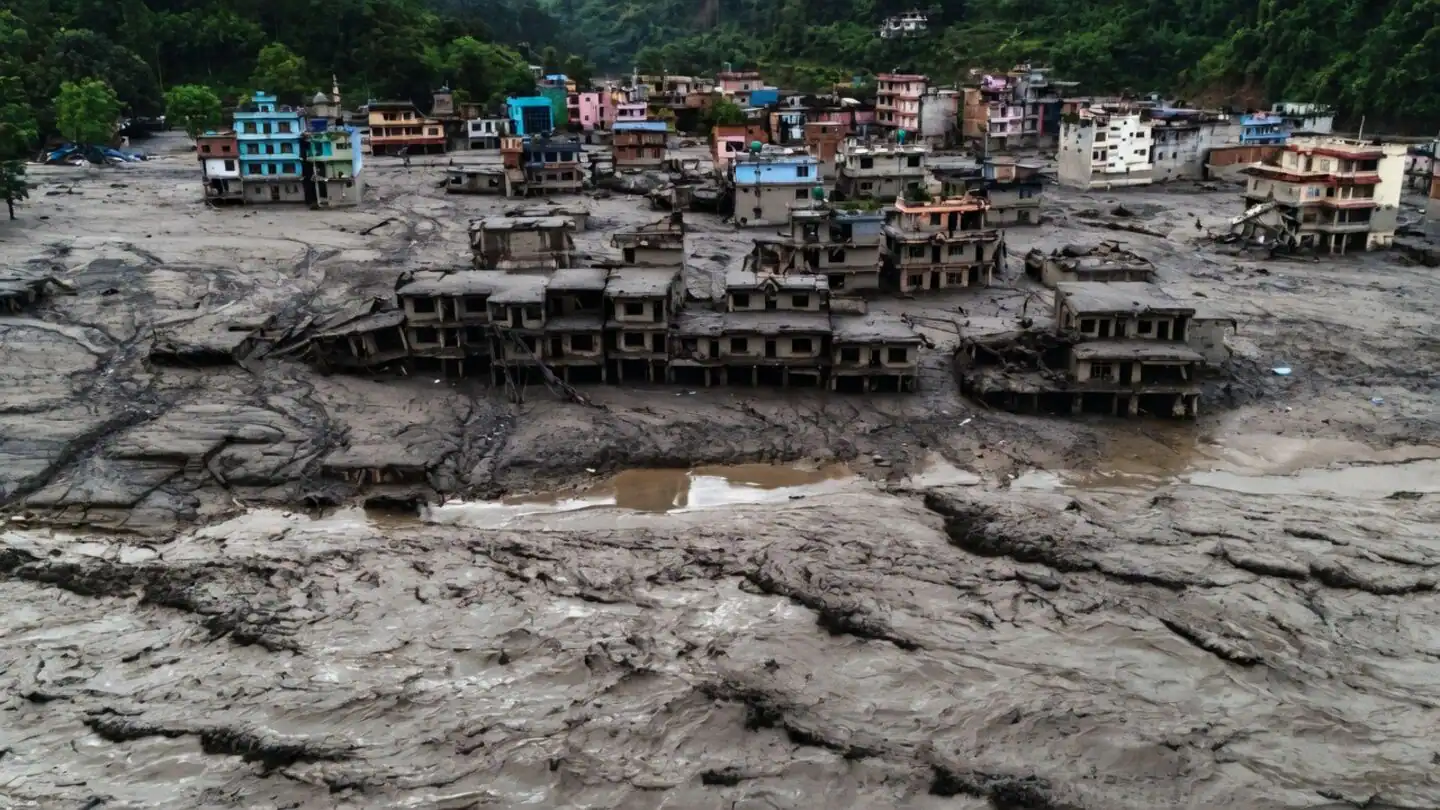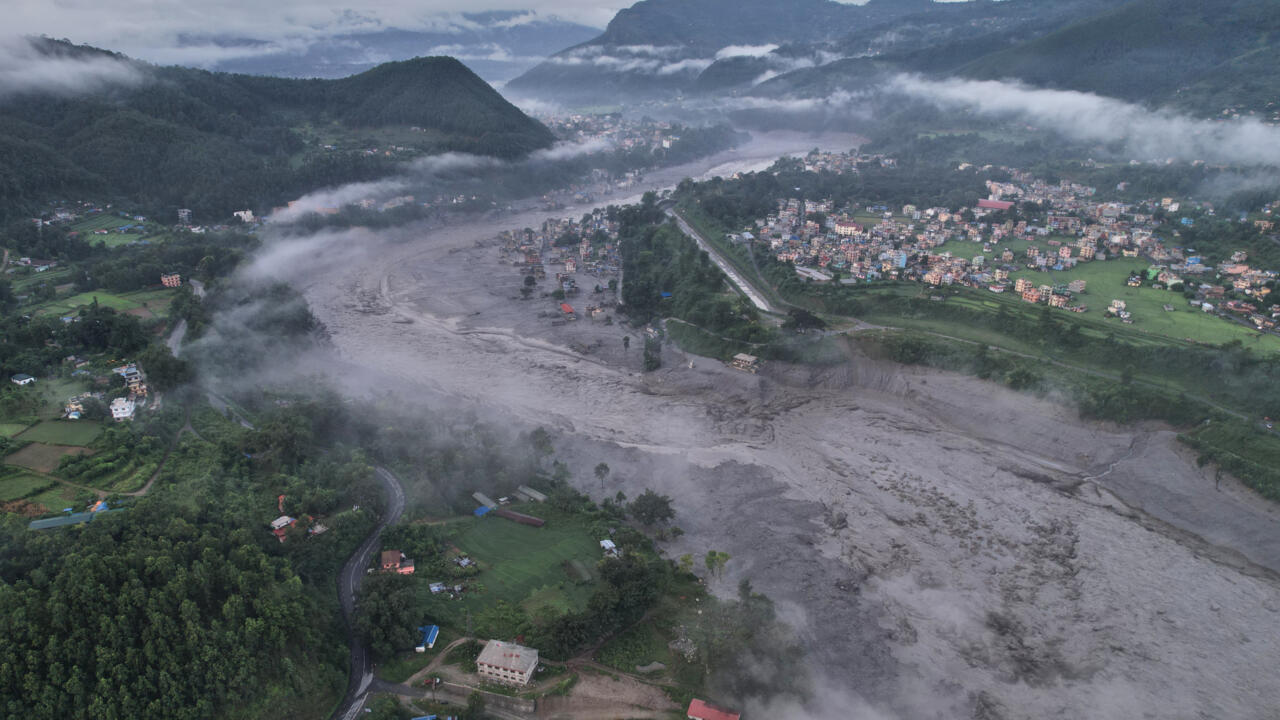
More than a week after devastating flash floods triggered by a glacier collapse engulfed the Himalayan border region of Nepal and China’s autonomous region of Tibet, authorities were still trying to identify the bodies of victims of the disaster. Meanwhile, Nepal said it would have to rebuild at least 20,000 homes in the affected areas. According to the latest provisional toll, the floods left more than 1,270 people dead and more than 4,700 missing. Read moreTibetan activists accuse China of underreporting flood death toll But while the region is slowly recovering from the catastrophe, questions are emerging about Nepal’s prevention and early warning systems. With global warming increasingly melting glaciers across the world, experts warn that such collapses will become more common and that more effective monitoring technologies are urgently needed. A disaster too fast to predict A report by the HiRISK consortium of experts – a body that provides risk data related to the High Mountain Asia (HMA) region – detailed that on August 26, the glacier situated in Langtang Lirung, which comprises a Nepal peak of 7,234 metres (23,734 feet) in height and underlying bedrock, collapsed at 8:37am local time. The collapse led to a flash flood that travelled at an average speed of 193 kilometers per hour (120 mph) down the Trisuli river valley, a cross-border river that originates in Tibet and is one of the main tributaries of the Gandaki river basin in central Nepal. The Kathmandu Post reported that the chief district officer of the Rasuwa district informed Nepal’s Department of Hydrology and Meteorology of the flood 23 minutes later, and that alerts to the communities across the four local districts of Rasuwa, Nuwakot, Dhading and Chitwan came only 38 minutes after the glacier collapsed. The notifications warned them to move to higher ground, at which point the flood had already travelled downstream.
Why early warning signs of glacier collapse in Nepal were difficult to detect
The glacier collapse that led to devastating flash floods across the Himalayan region of Nepal and its border with the Chinese autonomous region of Tibet on August 26 was preceded by early warning signs,…
1,337 words~6 min read