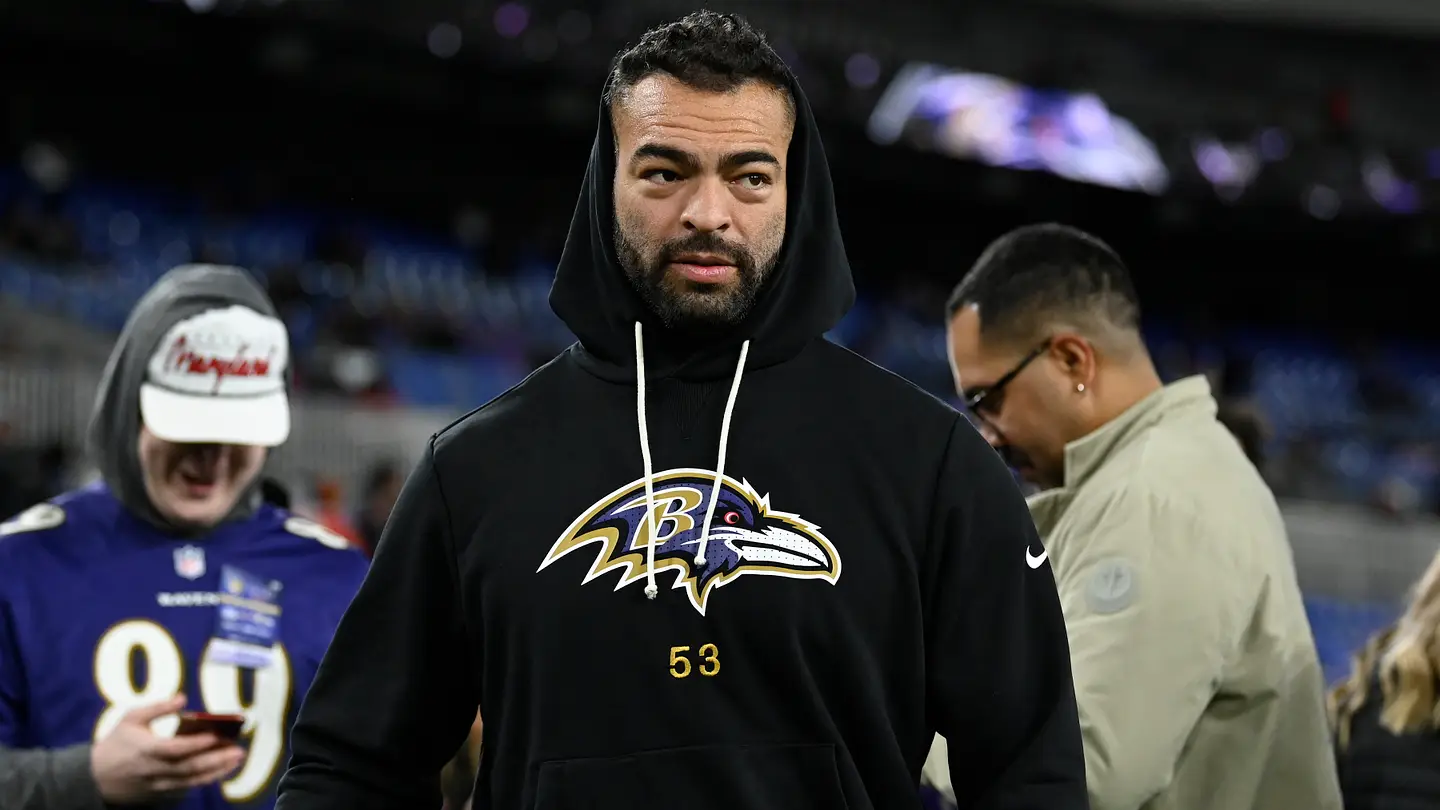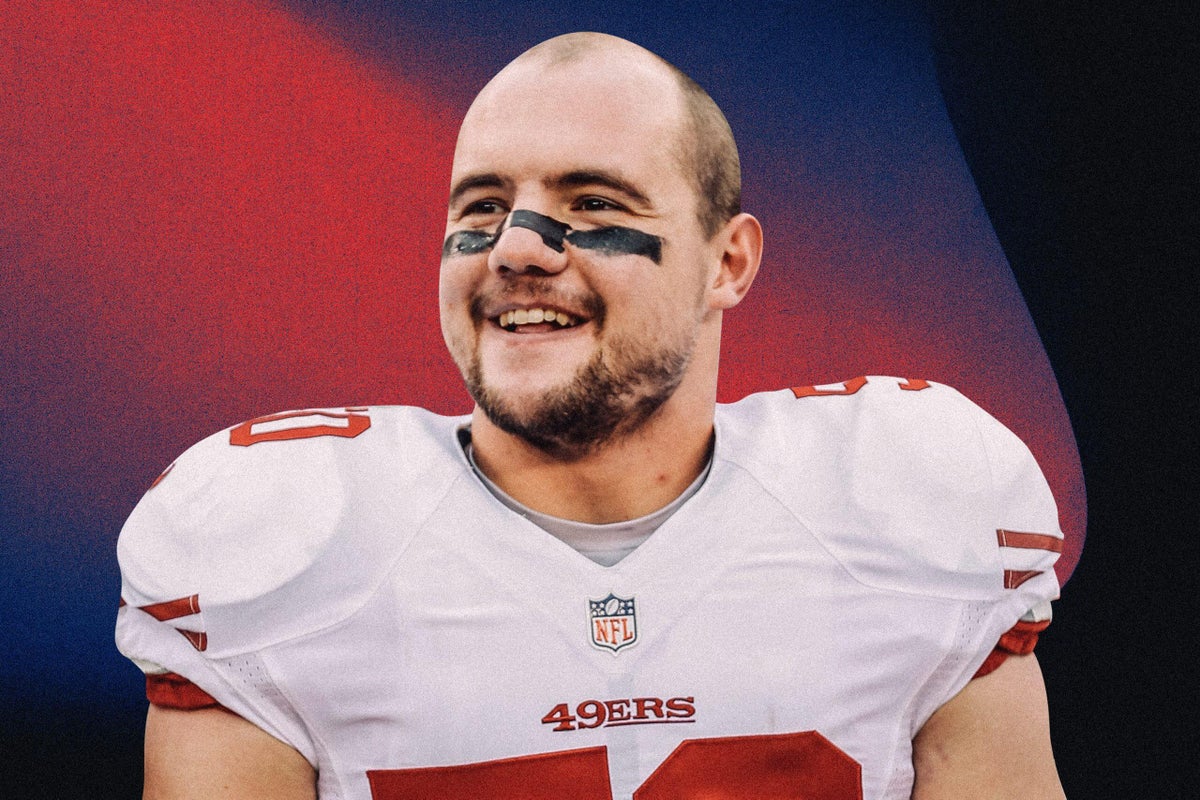
This article is part of our Life on the Other Side of the Game series, which looks at the lessons former athletes have learned in retirement about success, fulfillment and perspective.I quit the NFL over concerns of brain damage when I was 24. It was the most difficult and consequential decision of my life. And there was no way of knowing what would come next.My retirement in 2015 became a lightning rod in the debate over football. Within days, I went from being a linebacker for the San Francisco 49ers to being a guest on “Face the Nation.”The public response was polarized. I was alternately cast as a coward and lauded as a hero. Some pundits saw my decision as an inflection point for the sport. The NFL dismissed it as an anomaly.I didn’t know what to think.Suddenly, I was a poster boy for CTE. At the same time, I was young and just wanted to figure out what to do next. I wrestled with that dilemma for years.More time has now passed since I left football than I ever spent playing the game. That realization has caused me to reflect.What are the lessons I learned from football? What are the habits I struggled to shake since leaving it behind? And what does answering these questions reveal about adapting to change and starting anew?MaximizingWhen I played for the 49ers, Jim Harbaugh liked to say, “I want to play football, coach football and then die.” He is a lifer and a proud obsessive.I loved playing for him.I remember Harbaugh once sitting down next to me at lunch. We nodded, said our hellos and began to eat. After a few moments, he leaned in very seriously and asked, “Have you ever heard anyone say that less is more?”I didn’t know where this was headed. “Yeah, I’ve heard tha—”“Huh!? NO, IT’S NOT!” he shouted. “MORE IS MORE!!”His mannerisms were the same as when he argued a call on the sideline. He was completely incredulous. In his mind, only wimps would fall for that malarkey.When it came to football, I tended to agree with Harbaugh. I was a “maximizer.” By NFL standards, I was undersized and unathletic. I had to grind to excel. But that’s exactly what I had always done.Beginning my sophomore year of high school, I set one goal in football each year. Every decision I made was with that one goal in mind. Every action was taken with maximum effort. Doggedness was a gift.Chris Borland made 108 tackles for the 49ers as a rookie in 2014. (Thearon W. Henderson / Getty Images)In football, I knew exactly what I wanted, what I needed to do to get it and how I was going to do it. Life as an athlete isn’t easy, but it is simple. Maximizing works.By the time I left the NFL at 24, this approach had become a core part of my identity. Naturally, it carried into life beyond football.After retiring, I waded deeper into brain health advocacy. I was also determined to build a career outside of football. And there were many things that I missed out on while playing that I was eager to experience.Those endeavors were wide open on their own. Together they formed a vast expanse. I was still the “one goal guy.” A maximizer. And I tried to do it all.
I walked away from the NFL at the age of 24. Here’s what I’ve learned since
Former NFL linebacker Chris Borland wrestled with adapting to change and starting anew. Then he read a book that changed his thinking.
1,520 words~7 min read