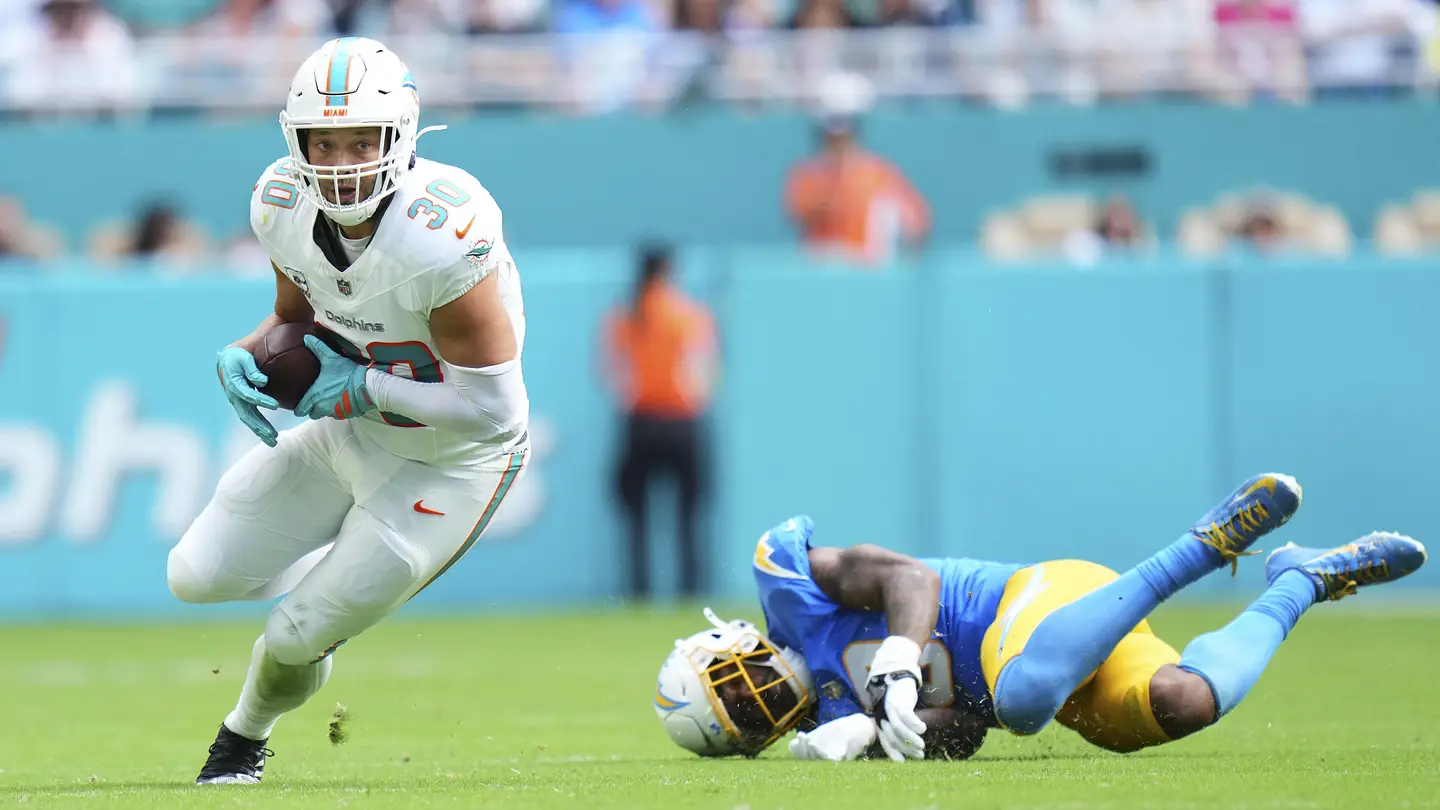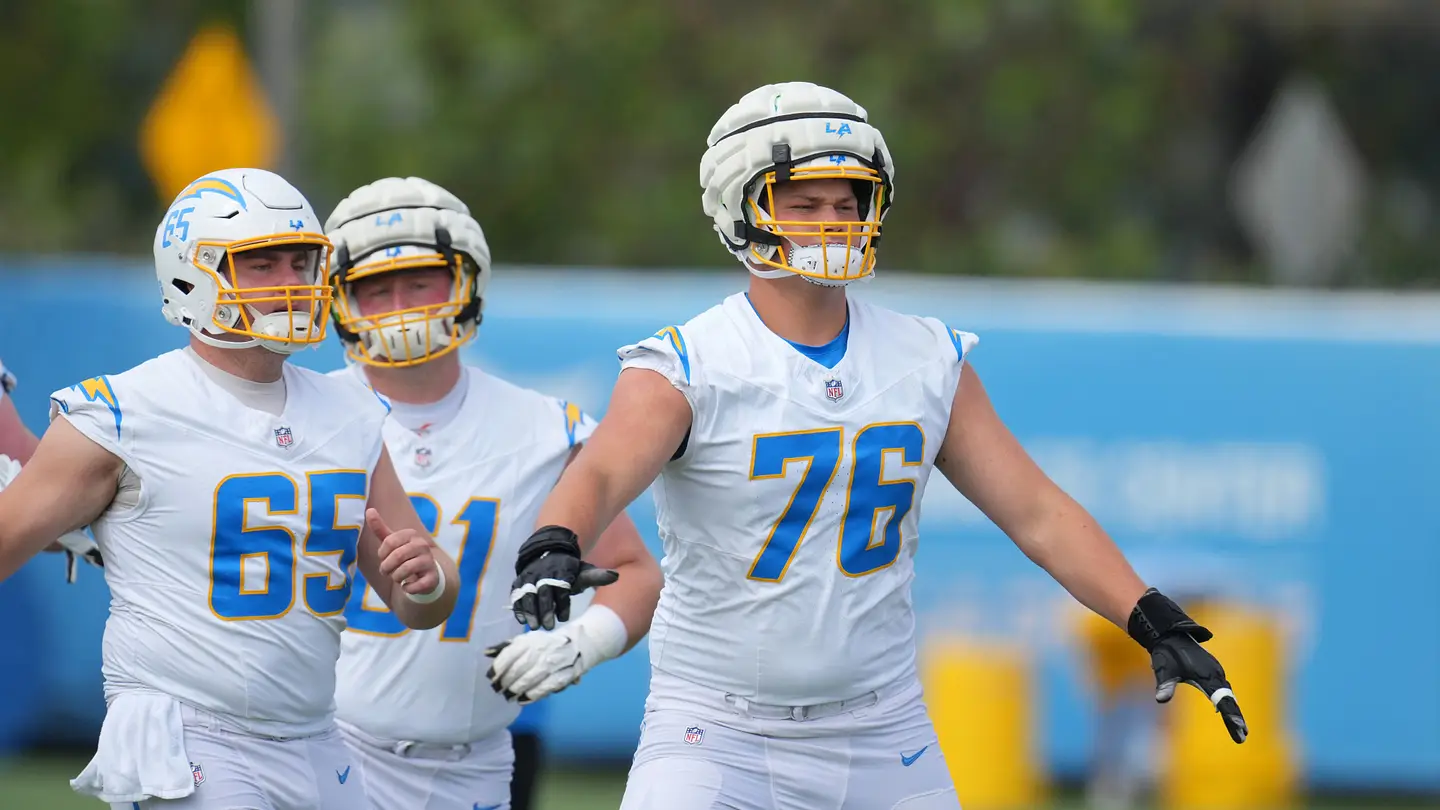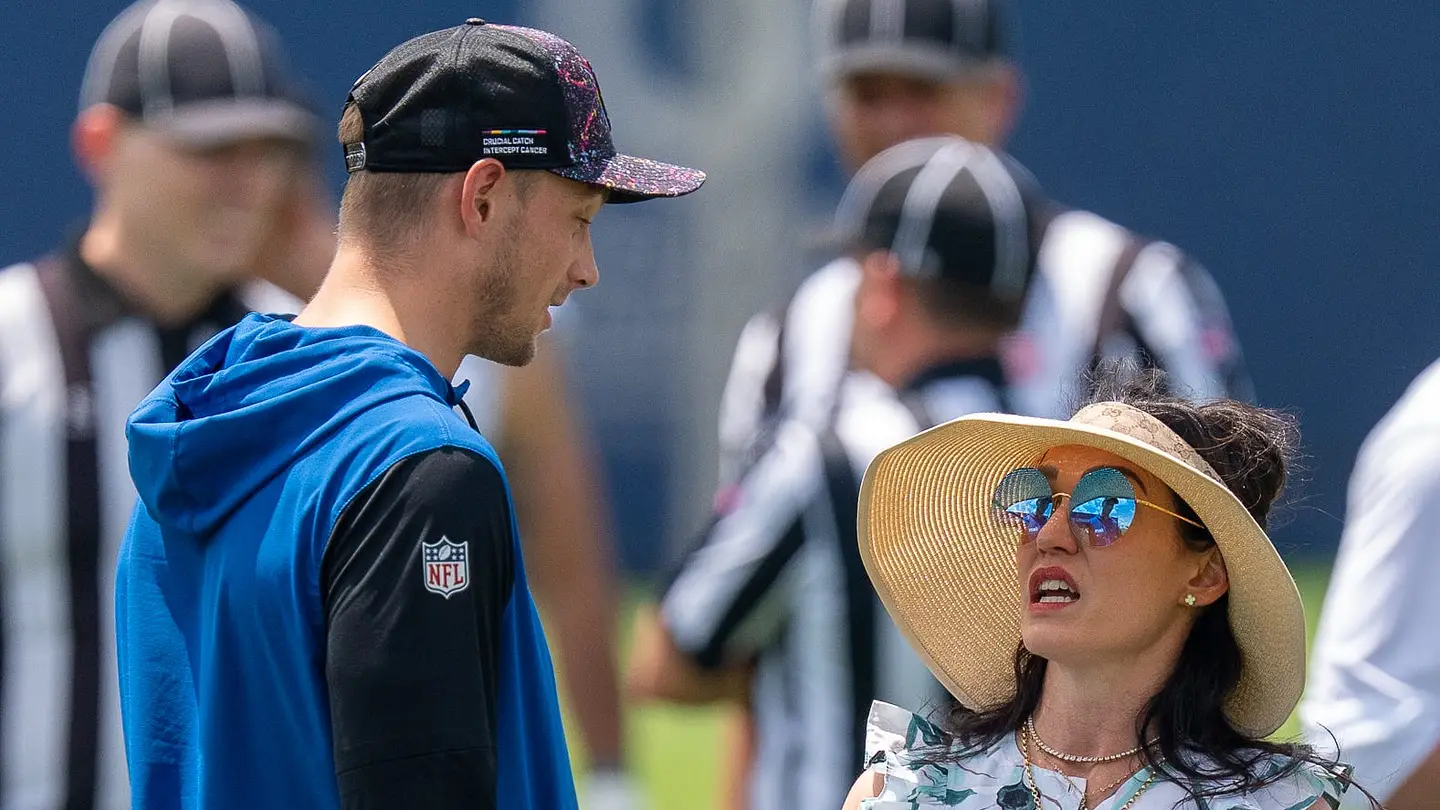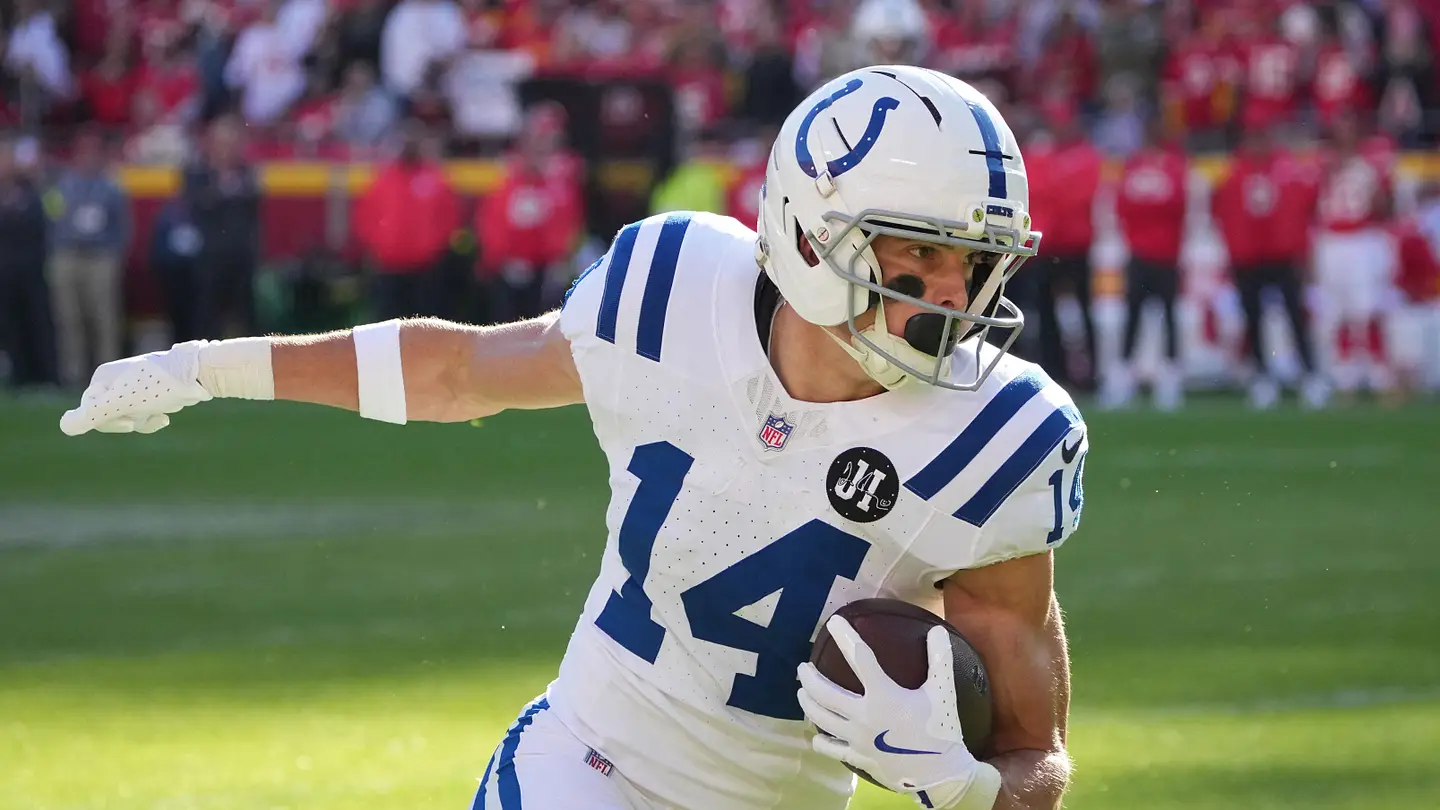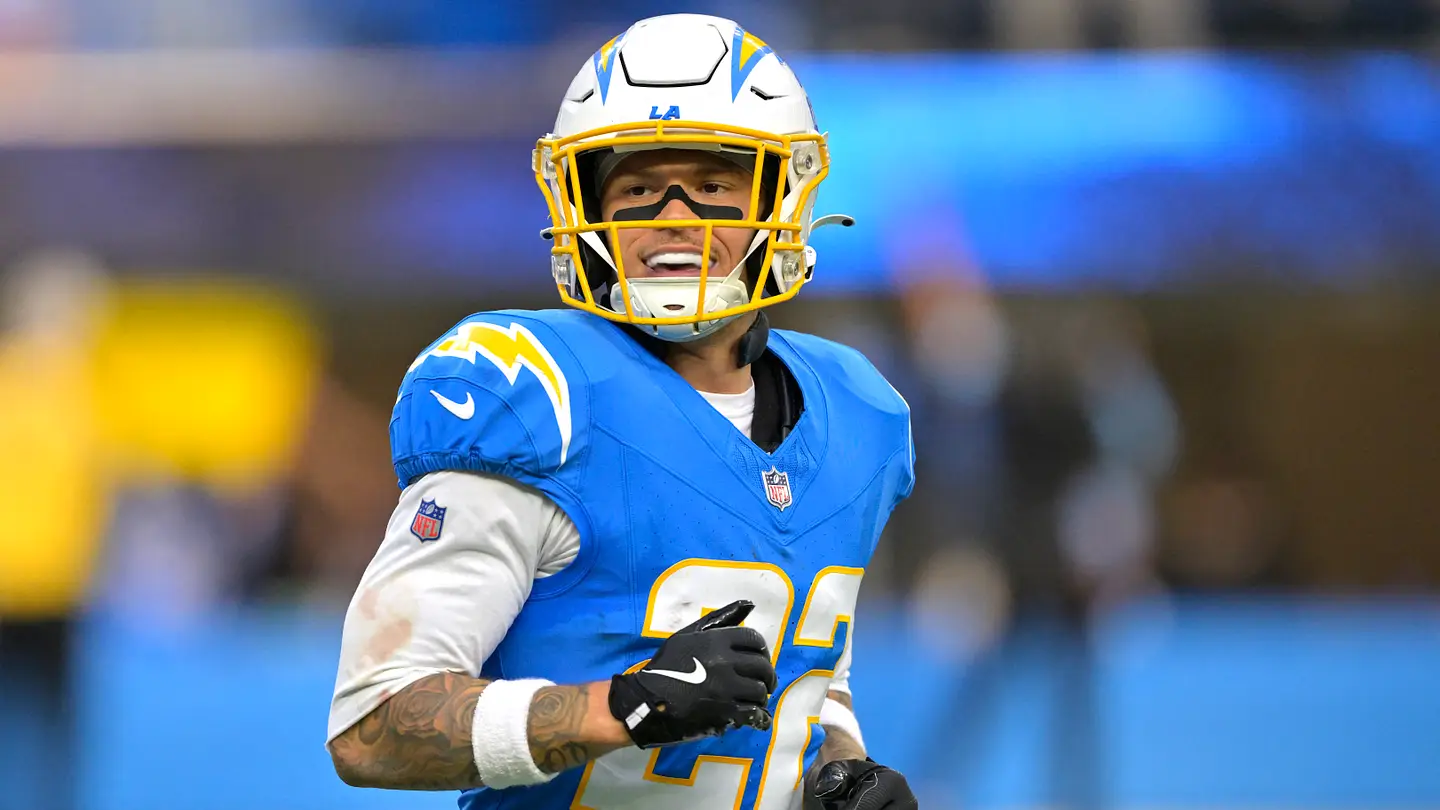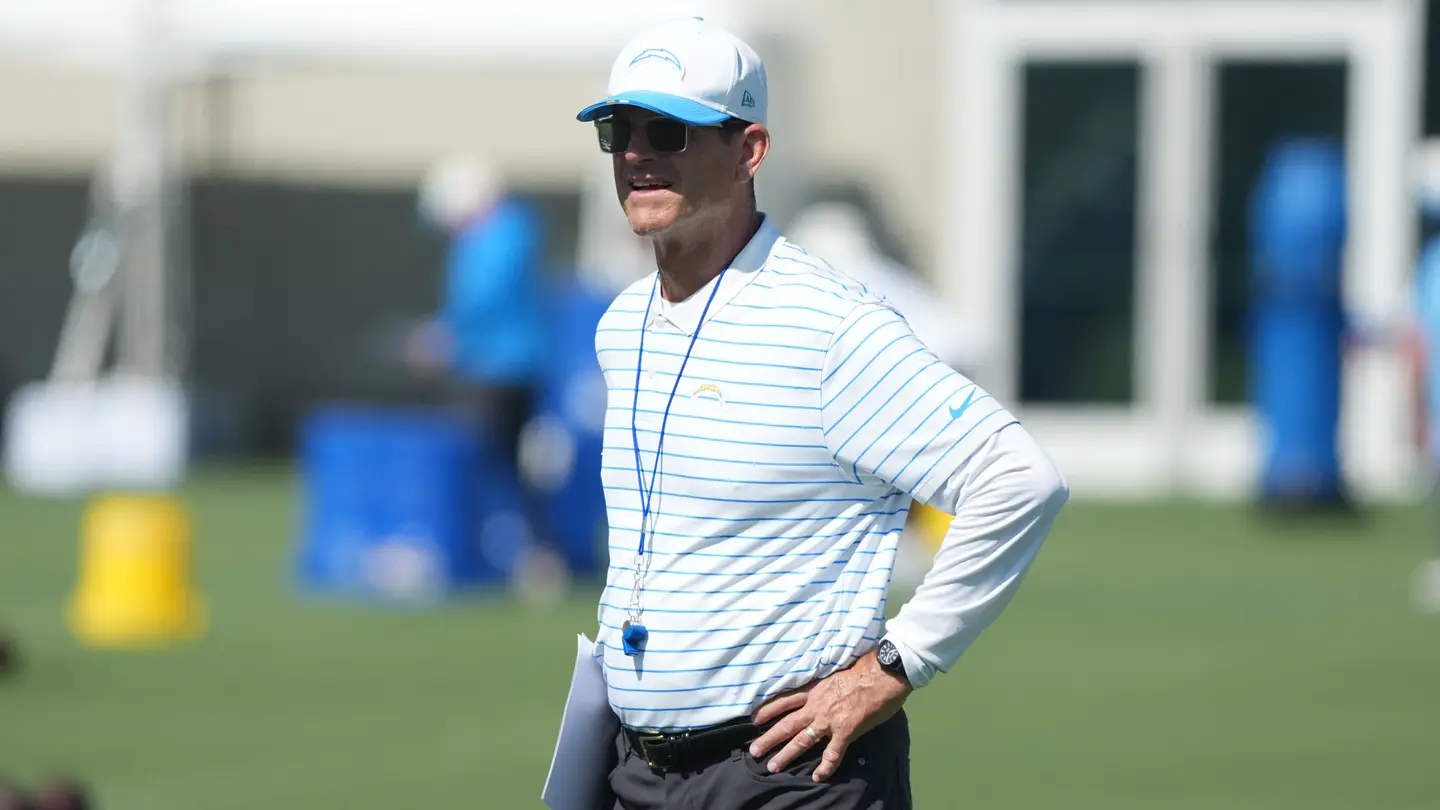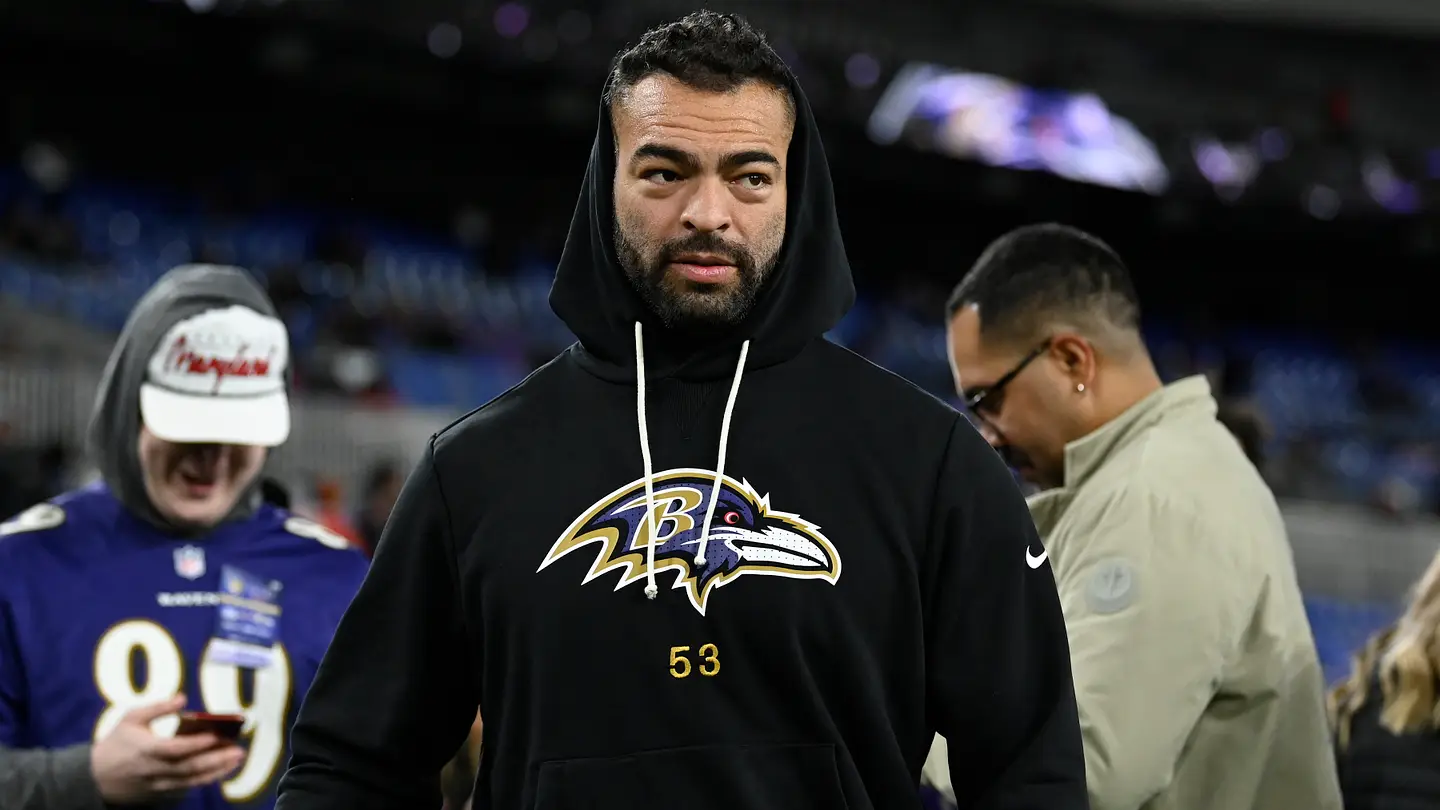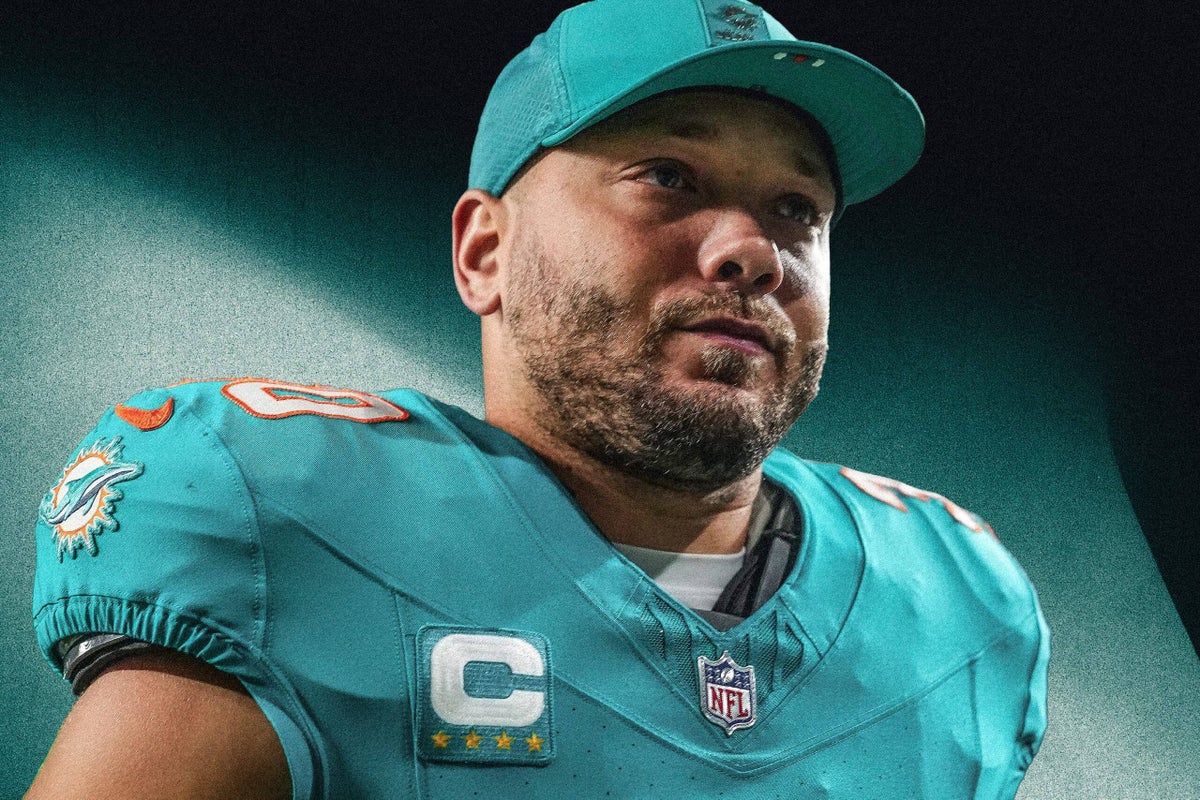
This story is part of Peak, The Athletic’s desk covering the mental side of sports. Sign up for Peak’s newsletter here.Alec Ingold is a fullback for the Los Angeles Chargers. He is in his eighth season in the NFL.My offseason has been filled with change.After being released by the Miami Dolphins and signing with the Los Angeles Chargers in March, my wife and I had to pack up our life, move across the country and walk into a completely new environment. It’s pretty easy to let your entire identity become tied to production in the NFL when facing this type of change — your body fat percentage, your film grade, your yards per carry. If you don’t perform, the machine moves on without you.I thought I understood the limits of that pressure.Then I hopped on a running series of morning phone calls with Tony Noel.Tony was my first business manager, a veteran executive who spent more than three decades building teams, hitting metrics and navigating the hyper-competitive landscape of corporate America. I want to teach others the life lessons learned through sports, and Tony helped me. He was the guy who looked at the mindset framework I built for locker rooms — what I call in my book The 7 Crucibles— and told me I was thinking too small.“Corporate America needs this more than the athletes do,” he would tell me over the phone. “Executives don’t know how to endure adversity; they only know how to manage stress.”We were actively working on a project to scale those athletic principles into the corporate world when Tony went to an emergency room for a routine scan. The diagnosis was swift, brutal and seemingly final: stage III, potentially inoperable liver cancer.The initial prognosis gave him six months to two years to live.Every morning on my commute to “The Bolt,” the Chargers’ training facility, Tony’s voice filled my car speakers. On one end was an active athlete driving to practice; on the other was a veteran leader battling a terminal illness. Those introspective conversations — sometimes as short as 15 minutes, other times as long as 45 — reshaped my perspective.These are the five lessons Tony and I figured out on those morning drives, and how a man looking death in the face ultimately rejuvenated my mindset and my purpose on the field.1. The Marriott illusionIn the high-stakes world of elite performance, whether you are running routes or running a supply chain, there is a dangerous lie we all tell ourselves: Identity is tied to production.Tony was a master of production. In our phone conversations detailing his three decades in business, he described a life built on relentless output. He accumulated over 500 nights in Marriott hotels, leaving his wife, Angie, to anchor the household as he chased performance plaques defining his identity as a corporate “star.”“I looked back at those plaques on my wall recently,” Tony told me over the phone, his voice heavy but clear. “And I thought, ‘This is bullshit.’ You spend literally years of your life on the road to be looked at as a high performer, and you can never get that time back. The plaques don’t sit with you in this room. What I did with my kids, the moments I missed — that’s the stuff that actually matters.”When the diagnosis hit, the corporate machinery did exactly what it always does: It kept moving. Tony went on medical disability. The torrential downpour of daily corporate emails slowed to a drizzle, then stopped completely. The meetings he used to lead were scheduled without him.This is the hidden crisis facing thousands of corporate executives and athletes alike. We build our entire psyche around being indispensable to an organization, but organizations are built to last. When injury or illness sidelines you, you are forced to confront a terrifying reality: Who am I when I am no longer on the team?
An NFL player thought he knew pressure. Then his mentor was diagnosed with cancer.
Alec Ingold, a fullback for the Los Angeles Chargers, shares five lessons he has learned from his calls with his first mentor.
1,828 words~8 min read