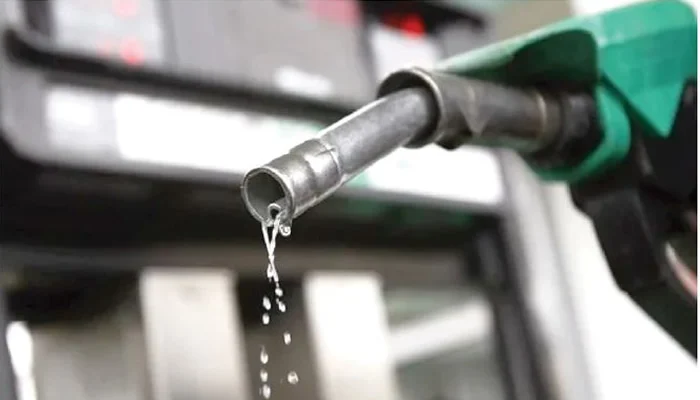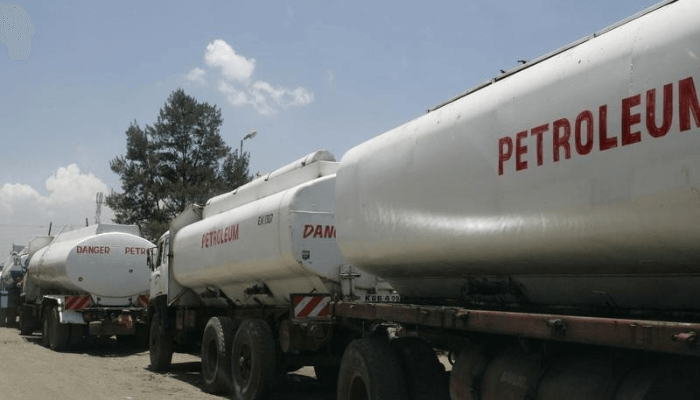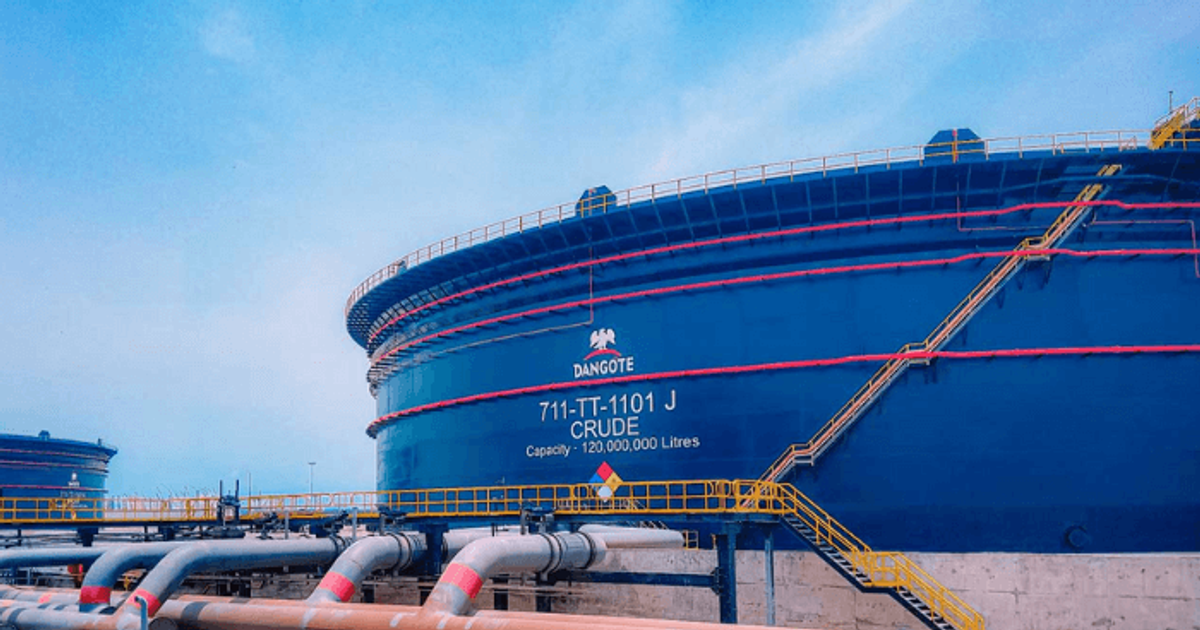
Nigeria’s petrol import bill jumped nearly elevenfold to approximately $700 million (N952.15 billion) in the second quarter of 2026, despite expanding production at the Dangote refinery and the government’s effort to reduce the country’s dependence on imported fuel.
The figure increased by 989.4% from N87.4 billion in the first quarter, according to the National Bureau of Statistics’ foreign-trade report for the second quarter of 2026.
Petrol was Nigeria’s largest imported commodity during the period and accounted for 6.6% of the country’s total import bill of N14.42 trillion.
The sharp quarterly increase highlights the difficulty Africa’s largest oil producer faces in ending its longstanding dependence on imported petroleum products, even after the opening of the continent’s biggest refinery.
Nigeria imports most of the petrol it consumes because its government-owned refineries have struggled to operate reliably. The arrival of the privately owned Dangote refinery was expected to reduce that dependence and conserve foreign exchange.