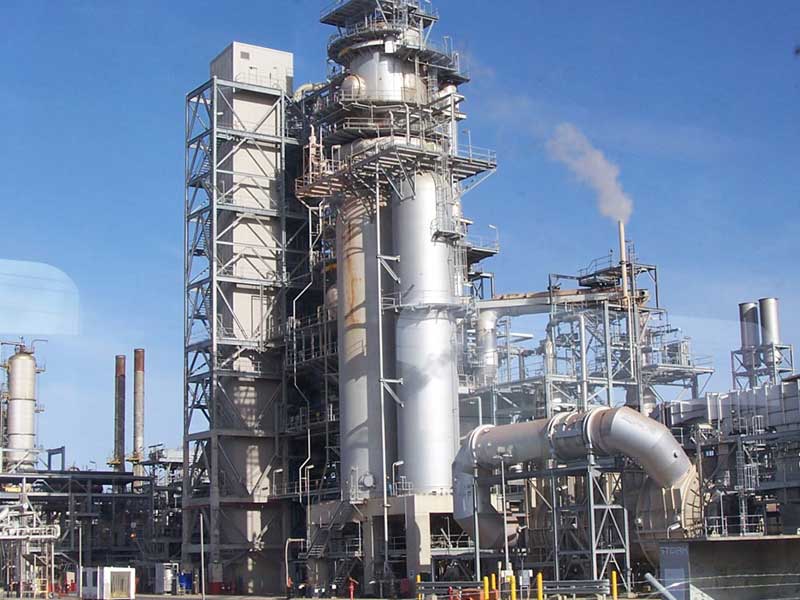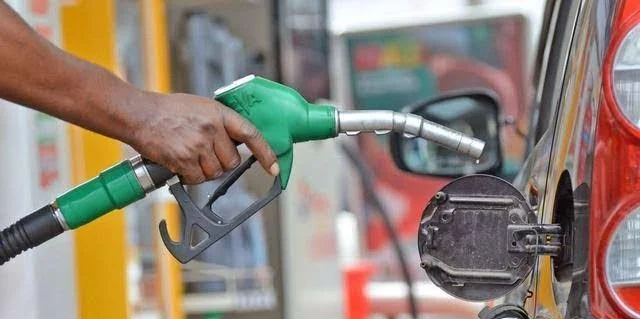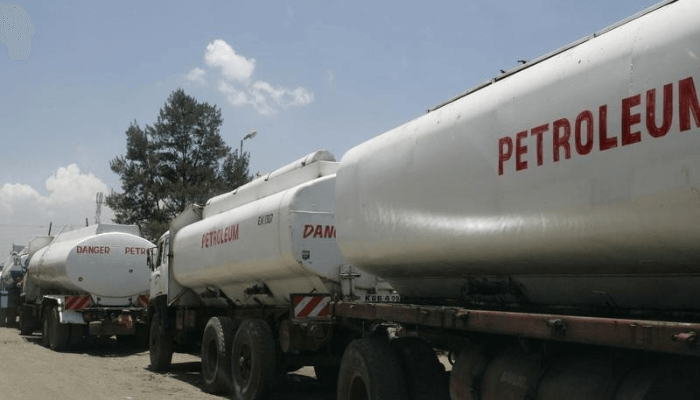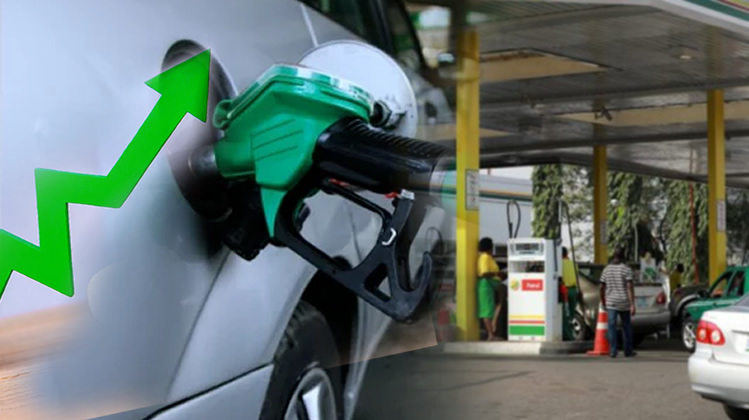
Nigeria’s spending on the importation of Premium Motor Spirit, popularly known as petrol, plunged by over 96 per cent in the first quarter of 2026, marking a dramatic shift in the country’s fuel supply landscape and signaling the growing impact of local refining capacity.
Latest foreign trade statistics released by the National Bureau of Statistics on Monday showed that only N87.401bn was spent on the importation of Motor Spirit Ordinary, the official trade classification for petrol, between January and March 2026.
The figure represents a sharp decline of N2.184tn, or 96.15 per cent, compared to the N2.271tn spent on petrol imports during the corresponding period of 2025. The development is particularly significant as petrol, which had consistently ranked among Nigeria’s most imported commodities for years, was completely absent from the list of the country’s top traded products in the first quarter of 2026.
An analysis of the NBS data by our correspondent showed that petrol did not feature among the top 19 traded products with the rest of the world, Africa, or West Africa during the review period.
Instead, the leading traded products included crude petroleum oils and oils obtained from bituminous minerals, gas oil, durum wheat, machines for reception, conversion and transmission of data, used vehicles, motorcycles, agricultural seeders, medicaments, aircraft parts, butanes, petroleum bitumen, sugar cane, herbicides and fuel additives.